What an ST1600 Conveyor Belt Is
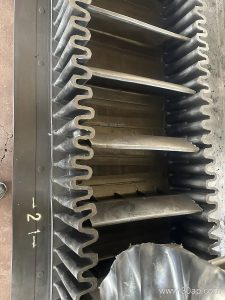
An ST1600 Conveyor Belt is a steel cord conveyor belt with a nominal tensile strength of 1600 N/mm. The ST designation points to steel cord reinforcement rather than fabric plies, and the number reflects the belt’s rated breaking strength class. In heavy material handling, this grade sits in the mid-to-upper range of steel cord belts, making it a practical choice where long center distances, high tonnage, or steep inclines put serious tension demand on the belt line.
Because the carcass is built from steel cords rather than woven fabric, the belt stretches less under load and holds its splice integrity better on long runs. That is why ST1600 is often specified for main haulage conveyors in mines, cement works, power plants, ports, and large aggregate operations where a fabric belt would need excessive take-up travel.
How the Belt Is Built
The structure is straightforward but demanding in production. A single layer of high-tensile steel cords runs longitudinally through the belt, spaced evenly and bonded to the surrounding rubber. Top and bottom cover compounds protect the cords from abrasion, impact, moisture, and in some cases heat or oil. The cord layer carries the tension; the covers carry the wear.
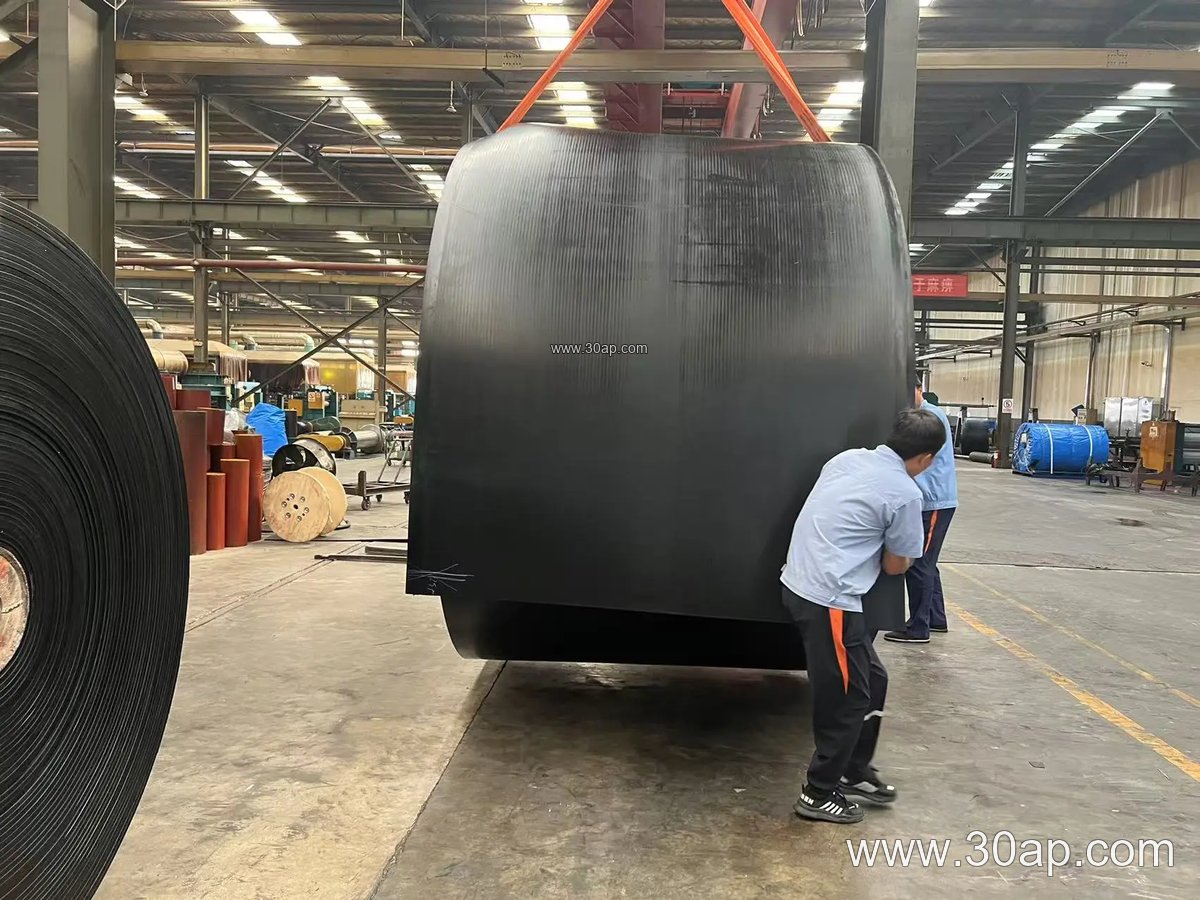
Cover thickness is usually stated as a top and bottom pair, for example 6+2 mm or 8+3 mm. The heavier the material and the sharper the drop point, the more cover thickness is normally wanted. Cord pitch, cord diameter, and cover gauge are all determined by the belt designer rather than by a single universal rule.
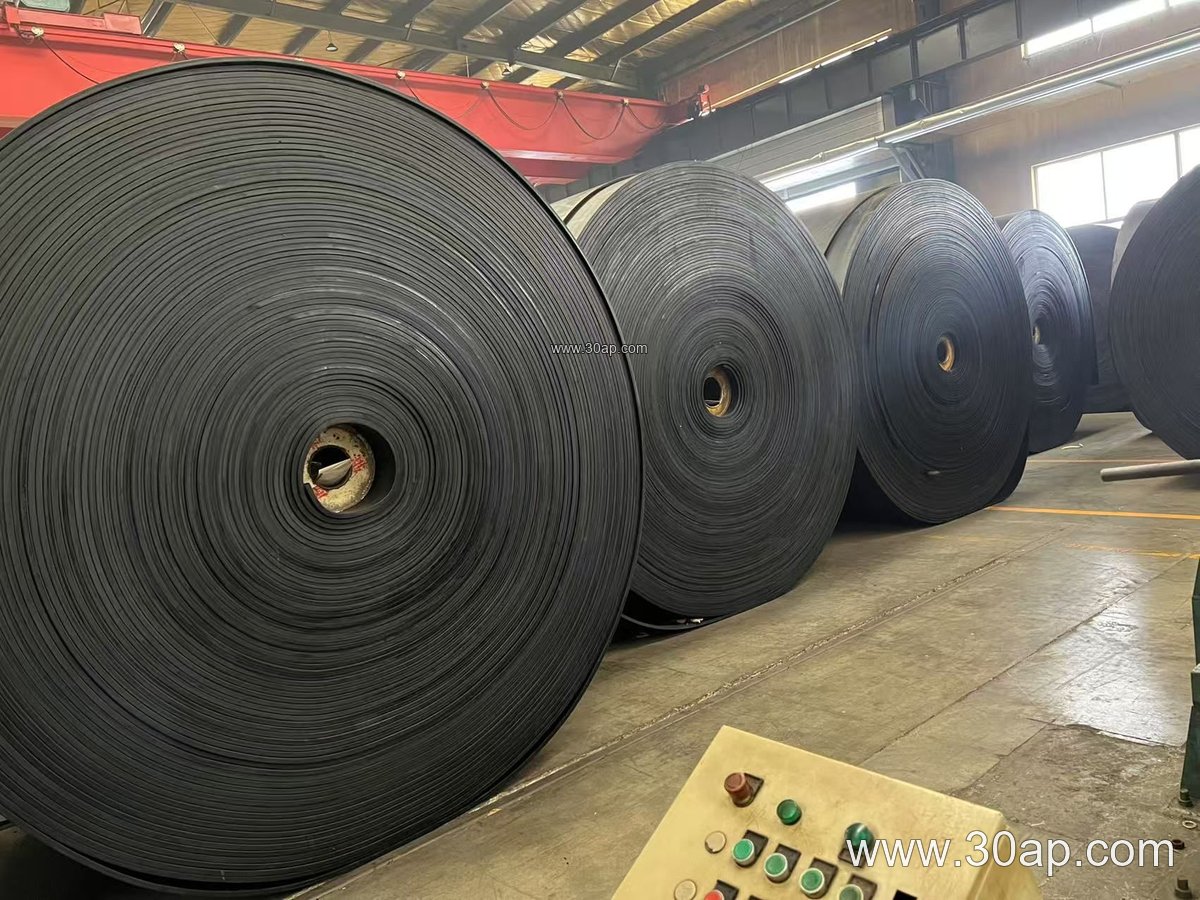
Typical Specifications at a Glance
The values below are common reference points, not fixed supply promises. Actual constructions vary between manufacturers and should be confirmed for each project.
| Parameter | Common Reference |
|---|---|
| Strength class | ST1600 (1600 N/mm) |
| Belt width | B800, B1000, B1200, B1400, B1600, B1800, B2000 |
| Cover thickness | 4+2 mm, 5+2 mm, 6+2 mm, 8+3 mm |
| Carcass | Steel cord, single plane |
| Cover grades | Abrasion resistant, heat resistant, flame retardant, oil resistant, cold resistant |
Other steel cord classes in the same family include ST1000, ST1250, ST2000, ST2500, and ST3150. ST1600 sits between the lighter and the very heavy classes, and it is often chosen when a conveyor is being upgraded from a fabric core design.
Where It Fits in the Plant
Steel cord belts of this class appear across bulk material handling. In coal mining and underground coal mining, flame retardant and anti-static versions are usually required. In cement plants, quarry conveyors, and stone crushing lines, abrasion resistant covers handle limestone, clinker, and crushed rock. Power plants use them on coal and ash handling lines, while ports and ship loading systems rely on wide belts to move ore and bulk cargo at high capacity.
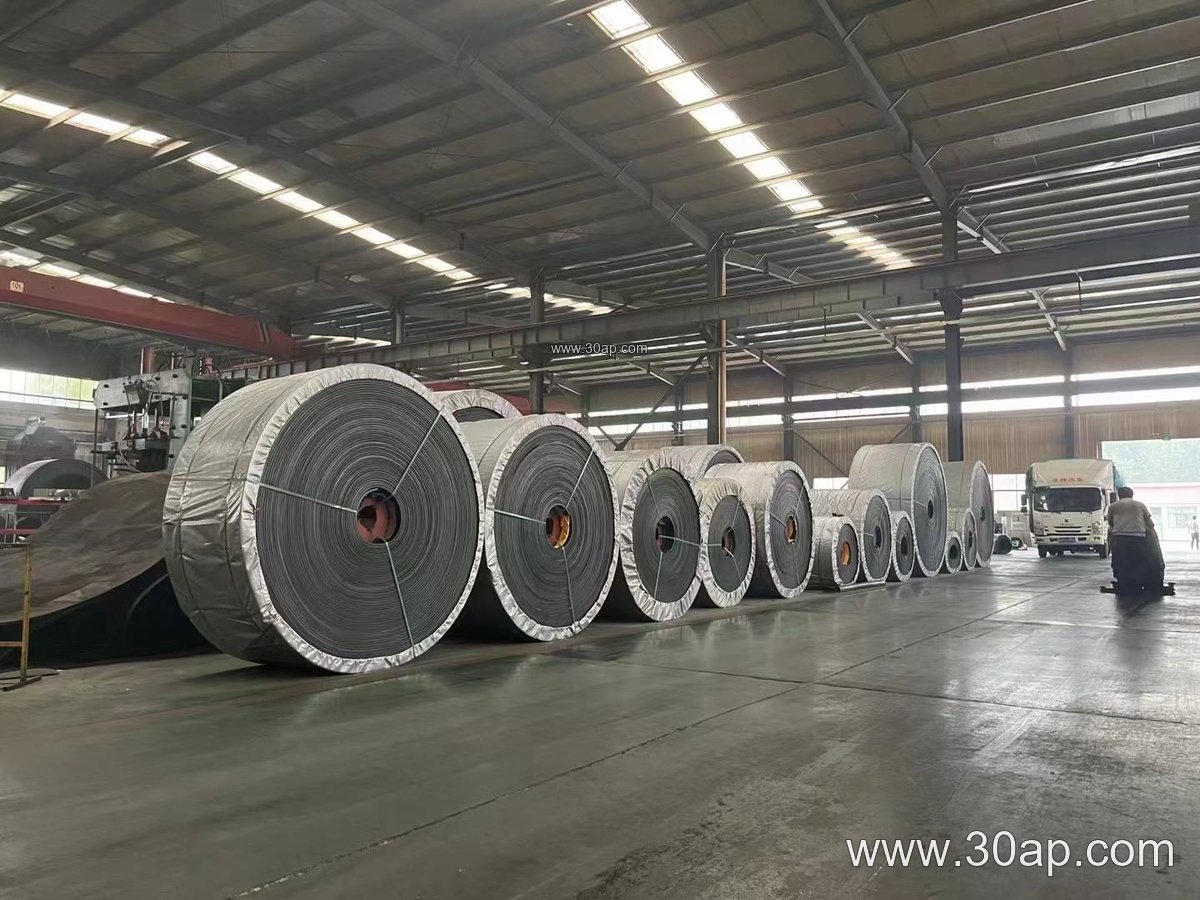
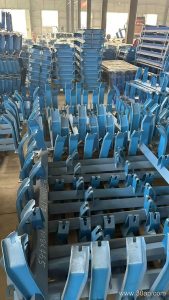
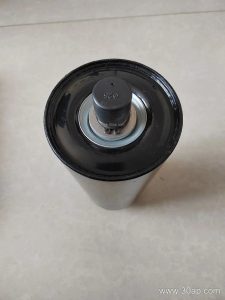
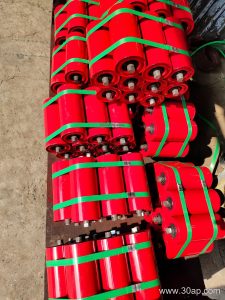
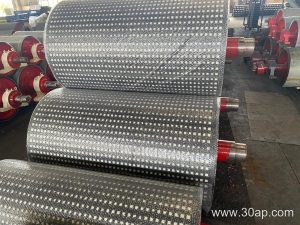
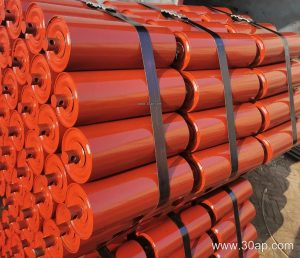
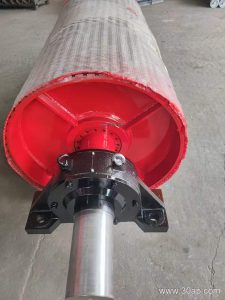
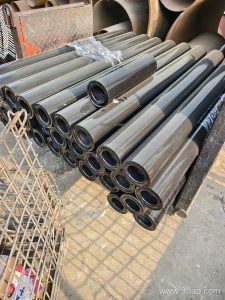
The belt does not work alone. A complete conveyor includes the idler roller sets that support the belt, the conveyor pulley at drive and tail positions, and the conveyor bracket frames that hold the rollers in alignment. Matching belt strength to pulley diameter, roller spacing, and take-up capacity is part of the engineering work, and no single belt width dictates one pulley size.
Selection Points Buyers Should Check
- Actual tension demand. Confirm the calculated operating tension, not just the nominal class, so the ST1600 rating has a sensible safety margin.
- Cover grade. Choose abrasion resistant, heat resistant, oil resistant, flame retardant, or cold resistant compounds according to the material and ambient conditions.
- Belt width and speed. Wider belts such as 1400mm or 1600mm carry more tonnage at lower speed, which affects wear and dust.
- Splice method. Steel cord belts are usually spliced by vulcanization, so plan the splice area, cure time, and crew skill before installation.
- Impact and loading. Sharp, heavy lumps at the loading point call for thicker covers and properly spaced impact idlers.
- Environmental rules. Underground coal mining conveyors typically need flame retardant and anti-static properties.
A steel cord belt is a long-term investment, so the specification should be reviewed together with the pulley, roller, and frame design. Buyers comparing ST1600 with EP or NN fabric belts should note that steel cord construction offers higher strength and lower elongation, while fabric belts remain common on shorter or lighter conveyors.
For more information on steel cord and fabric conveyor belting, visit www.beltconveyorparts.com to review belt, idler roller, and conveyor pulley options for mining, cement, power, and quarry applications.