What Is a Heat Resistant Conveyor Belt
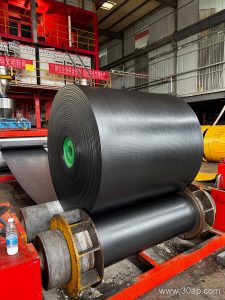
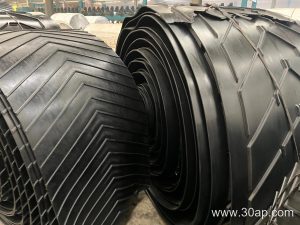
A heat resistant conveyor belt, also known as a high temperature conveyor belt, is engineered to carry hot materials without losing its structural integrity or prematurely aging. Unlike standard rubber belts, this belt uses specialized cover compounds and heat-stable carcass materials to withstand elevated temperatures. It is a critical component in industries such as cement, steel, power generation, and mining, where materials like clinker, sinter, coke, and ash are transported at temperatures that would quickly destroy ordinary belts.
Construction and Materials
The construction of a heat resistant conveyor belt focuses on thermal stability. The cover rubber is typically formulated with heat-resistant polymers such as EPDM or specially blended SBR, which resist hardening, cracking, and hardening under sustained heat. The carcass, which provides strength and shape, often uses heat-stabilized fabric plies (like EP or NN) or steel cord, depending on the load and temperature profile. A common design includes a heat barrier layer between the cover and carcass to protect the load-bearing plies from thermal degradation.
For comparison, an abrasion resistant conveyor belt prioritizes wear resistance over thermal protection, while a flame retardant conveyor belt focuses on fire safety. Each type addresses a specific hazard, and selecting the right one depends on the dominant operating condition.
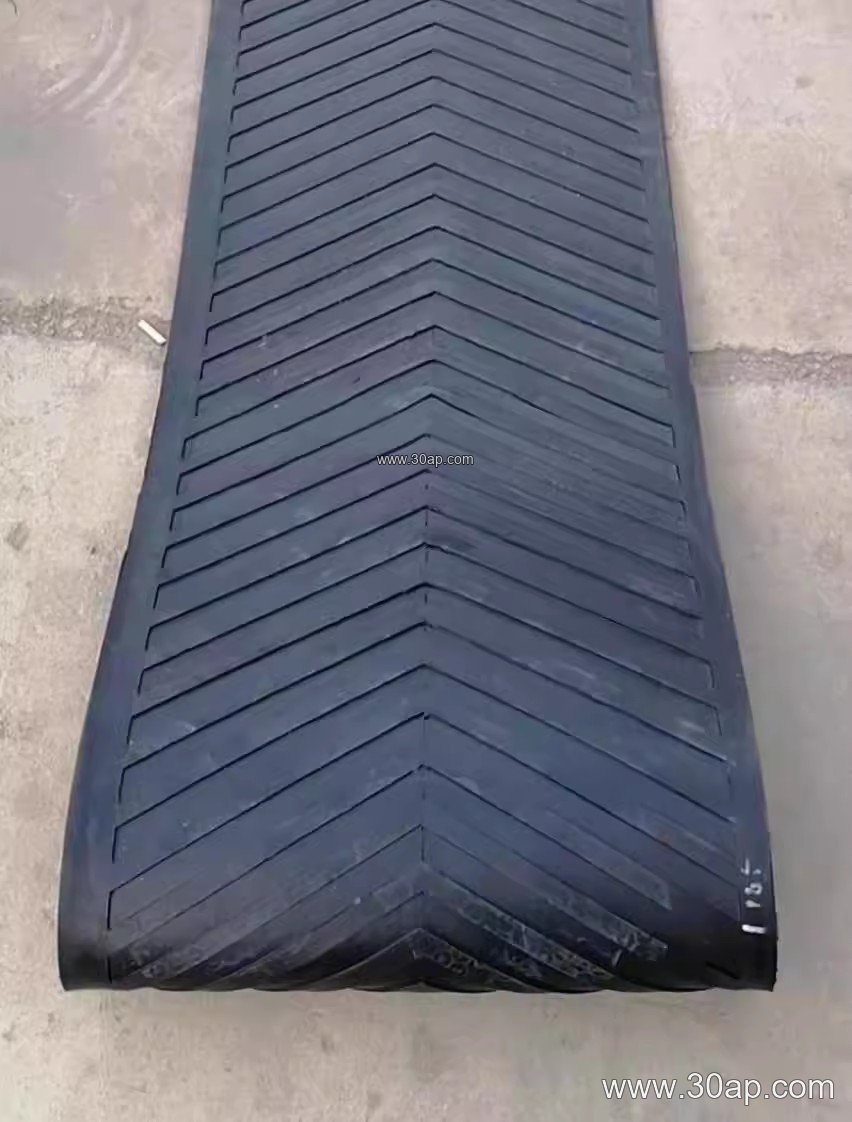
Key Applications Across Industries
Heat resistant belts are indispensable in cement plants for transporting clinker and hot raw meal, in steel plants for sinter and coke, in power plants for ash and slag, and in foundries for hot castings. They are also used in mining operations where ore is processed at high temperatures, though underground coal mining conveyor belts typically require flame retardant properties in addition to heat resistance. The belt must be matched to the temperature range and material characteristics to ensure reliable performance.
Typical Specifications and Sizes
Heat resistant conveyor belts are available in various strength classes and dimensions. Below are common reference values; actual specifications should be confirmed with the manufacturer based on the application.
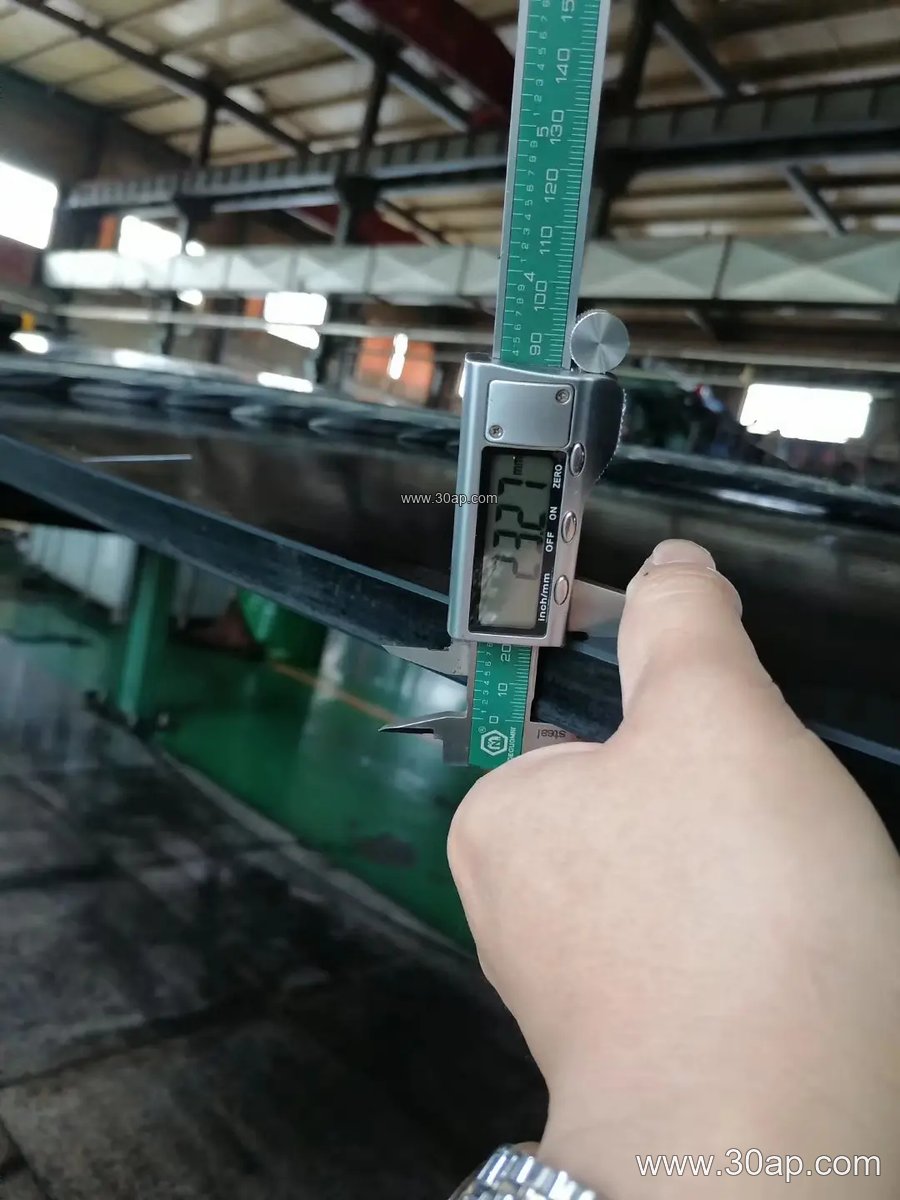
| Parameter | Common Range |
|---|---|
| Strength class (EP) | EP200 to EP2000 |
| Belt width | B500 to B2000 mm |
| Cover thickness | 3+1.5 mm to 8+3 mm |
| Number of plies | 2 to 6 |
| Temperature resistance | Typically up to 120°C, with special grades for higher |
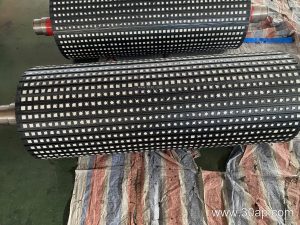
These values are indicative and not universal. The appropriate belt width must be selected based on the conveyor system design, including pulley diameters and idler roller spacing, not on a fixed rule. For instance, a 1200mm wide belt may be used with various pulley sizes depending on the load and tension requirements.
Selection and Maintenance Tips
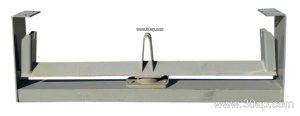
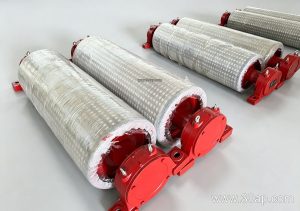
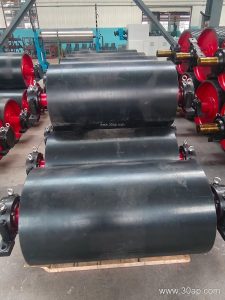
When choosing a heat resistant conveyor belt, consider the maximum material temperature, the presence of sparks or flames, and the cooling time between loads. Ensure the conveyor pulley and idler roller bearings are rated for high temperatures, and use heat-resistant lubricants. Regular inspection of the belt surface for cracks or hardening is essential. Avoid over-tensioning, which can stress the carcass, and maintain proper tracking with conveyor brackets and pulleys. For extreme conditions, a corrugated sidewall conveyor belt or a skirted conveyor belt may be needed to contain hot materials, but these are distinct designs and should not replace the heat resistant belt unless specifically required.
Remember that a heat resistant conveyor belt is not interchangeable with an oil resistant or cold resistant belt; each is formulated for a specific environment. Proper selection and care extend the belt’s service life and keep your operation running smoothly.