What a Coal Mine Belt Conveyor Idler Does Underground
A coal mine belt conveyor idler is the rotating support that carries the conveyor belt and the coal load along the full length of a underground mining conveyor. In a typical underground coal mining conveyor belt system, idlers are mounted in frames at intervals of roughly one to one and a half metres, and they do most of the quiet, unglamorous work that keeps production moving. Every tonne of coal that leaves a working face passes over hundreds of these rollers.
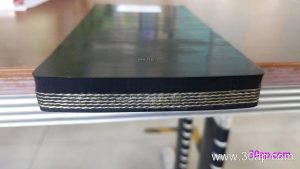
The duty is harsh. Coal dust is abrasive, moisture and wash-down water attack seals, and the belt itself may be a flame retardant conveyor belt or a PVG conveyor belt with a thick cover. An idler that seizes will wear through a belt cover in a short time, so choosing the right roller is a maintenance decision as much as a purchasing one. Buyers often compare idler quality alongside the conveyor belt supplier’s reputation, because the two wear together.
How the Roller Is Built
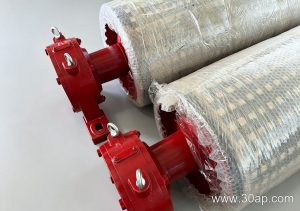
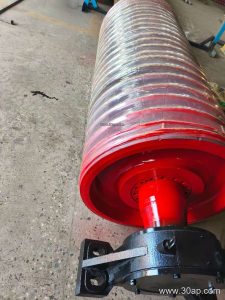
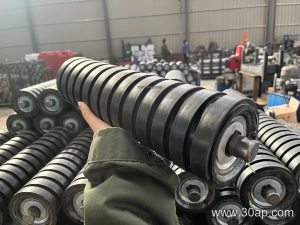
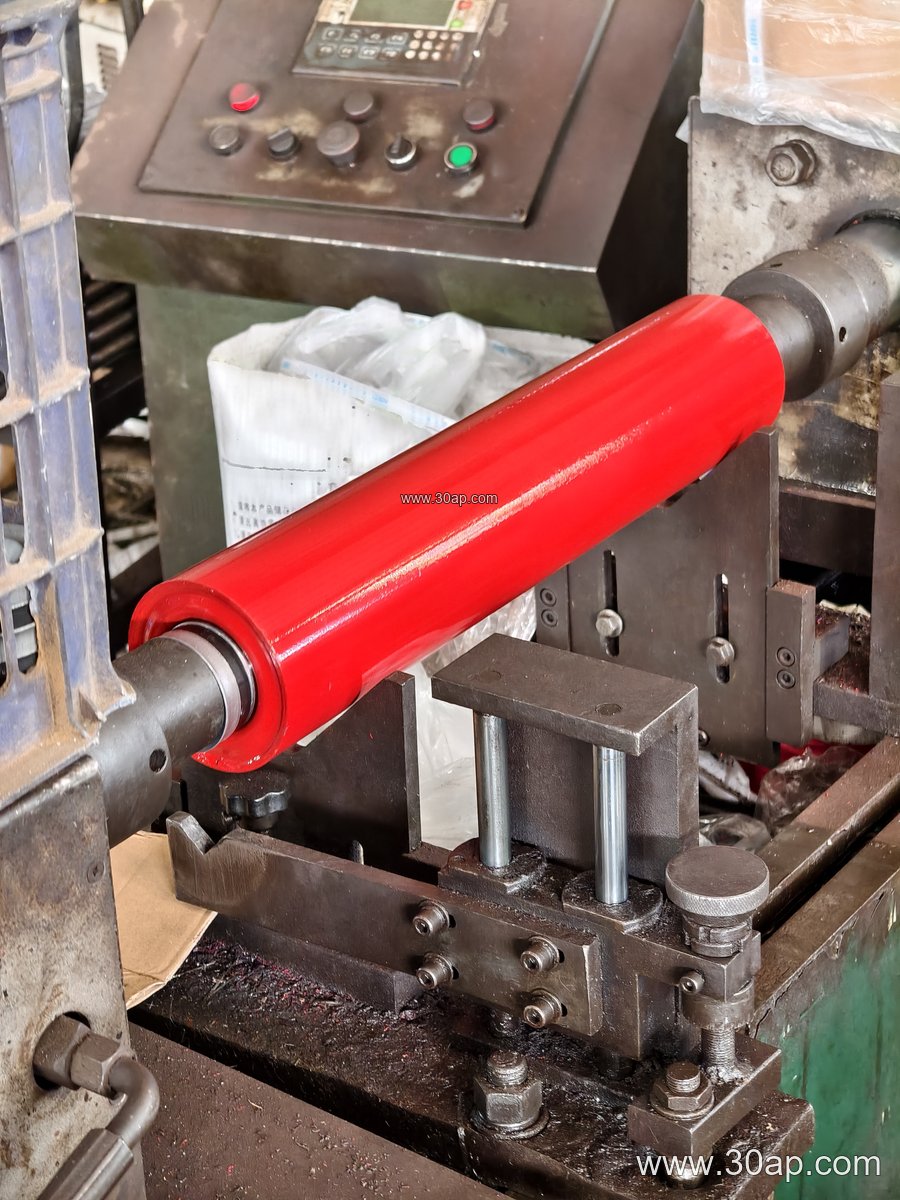
Most coal mine belt conveyor idlers share a common architecture: a steel tube shell, two bearing housings pressed into the ends, a shaft, and a sealing arrangement that keeps fines out of the bearings. The shell is usually mild steel tube, though nylon, ceramic and rubber-covered shells appear in specific roles. Sealing is the detail that separates a long-life roller from a short-life one, because once coal dust reaches the bearing race, failure comes quickly.
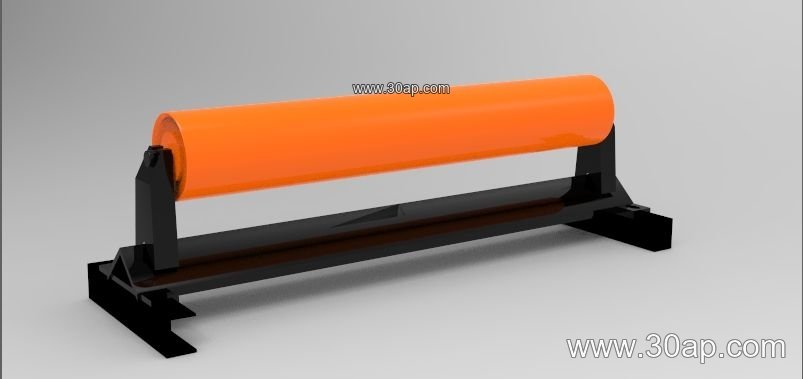
Common bearing sizes fitted to these rollers include 6204, 6205, 6305, 6306, 6308, 6310. A larger roller diameter does not automatically mean a particular bearing, and the bearing choice should follow the load calculation rather than a rule of thumb. Shaft diameter is similarly a design decision, not something that can be read off a belt width.
| Parameter | Common Reference Range |
|---|---|
| Roller diameter | Ø63, Ø76, Ø89, Ø102, Ø108, Ø127, Ø133, Ø159, Ø178, Ø194, Ø219 mm |
| Belt width | B400, B500, B650, B800, B1000, B1200, B1400, B1600, B1800, B2000 mm |
| Trough angle | 20°, 30°, 35°, 45° |
| Roller surface | steel tube, nylon, ceramic, rubber ring |
| Bearing | 6204, 6205, 6305, 6306, 6308, 6310 |
Trough, Return and Impact Positions
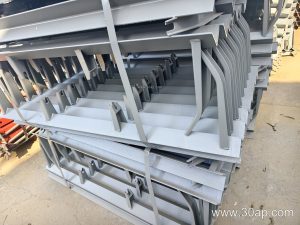
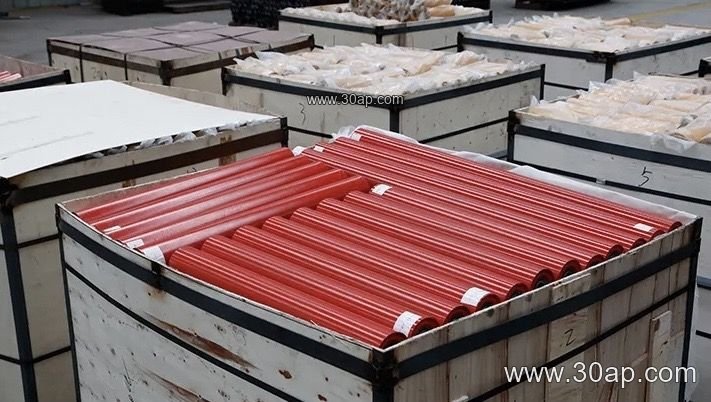
The carrying side is usually a three-roll trough set, sometimes two-roll on narrower belts. A 35° trough is a common compromise between load capacity and belt stress in coal service, while 45° suits high-capacity lines but demands a belt with good flexibility. Roller length changes with belt width, trough angle and roll configuration; for example, a three-roll trough set at B800 often uses rolls around 315 mm long, and at B1200 around 465 mm. Side rolls and centre rolls can differ, so these are examples rather than fixed pairs.
The return side uses flat return idlers or V-shaped return rollers that track the belt. At transfer points, impact idlers with rubber rings absorb the energy of falling coal and protect both the roller and the belt carcass. Self-aligning idlers with a slight forward tilt of about 1.5° to 2° help correct belt drift on long drifts. Spiral rollers are sometimes used to shed sticky fines, and comb rollers help where material builds up on the return strand.
Matching Idlers to the Belt and the Duty
The belt and the idler are a system. A heavy-duty mining conveyor belt such as a steel cord conveyor belt or a thick EP conveyor belt carries more tension and needs frames and rollers rated for the load. Abrasion resistant conveyor belt covers last longer when rollers turn freely; a flame retardant conveyor belt underground must be paired with rollers that do not generate heat through drag.
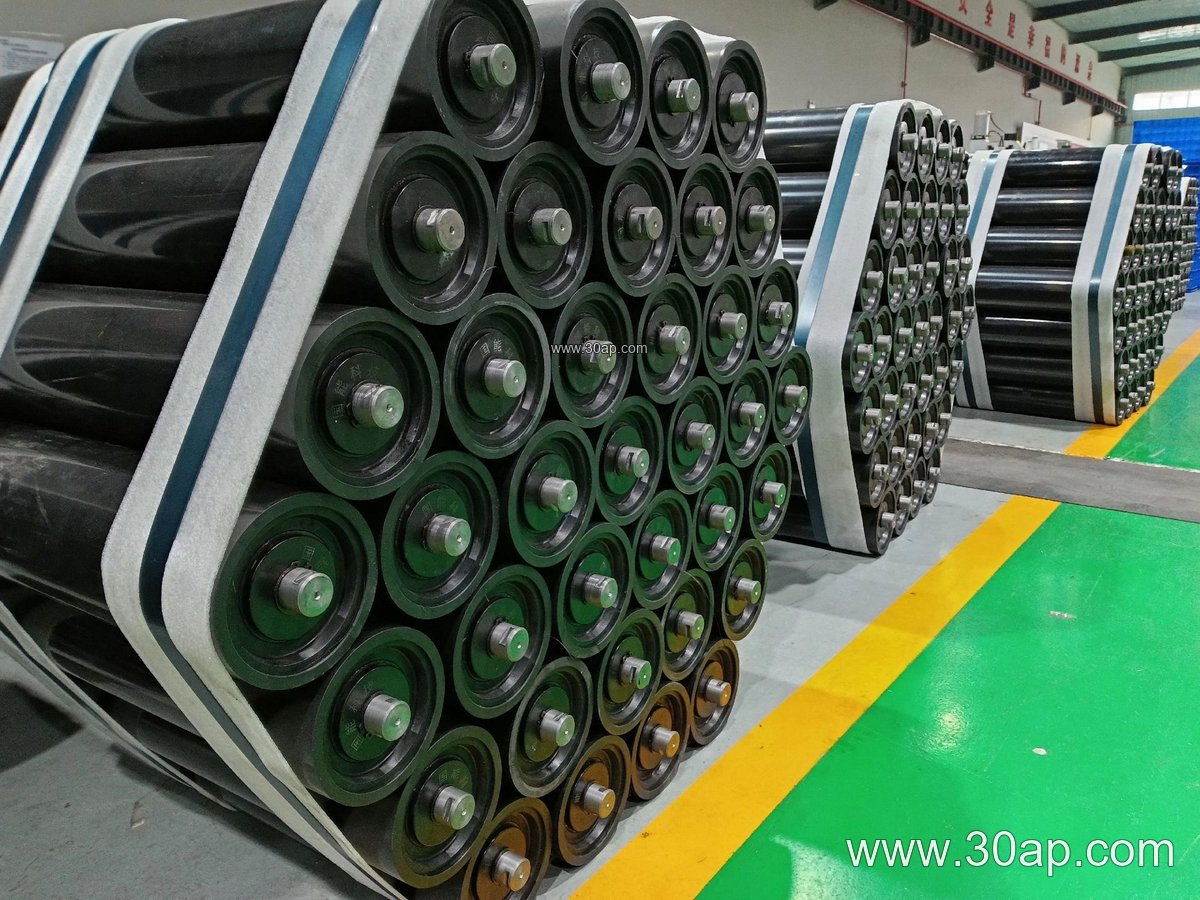
Where coal is washed, a heat resistant conveyor belt or oil resistant conveyor belt may appear in adjacent processes, but the idler specification still follows load, speed, environment and belt width. In a coal preparation plant, corrosion resistance of the roller finish matters as much as raw load rating.
What to Confirm Before Ordering
- Belt width and trough angle, plus whether the set is single, two-roll or three-roll.
- Roller diameter and shell material suited to the duty, not simply the cheapest tube.
- Bearing size and seal type, with the load calculation behind them.
- Frame and bracket dimensions so the roller fits existing conveyor brackets.
- Whether impact, self-aligning, spiral or return rollers are needed at specific points.
- Spare ratio and delivery plan, since idler failure is a predictable maintenance event.
A well-chosen coal mine belt conveyor idler is a small component with a large effect on belt life, downtime and the cost per tonne moved. Buyers who match roller diameter, seal quality and frame fit to the actual conveyor will get far more from the belt and the structure around it.