What an EP200 Conveyor Belt Is
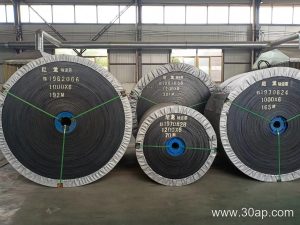
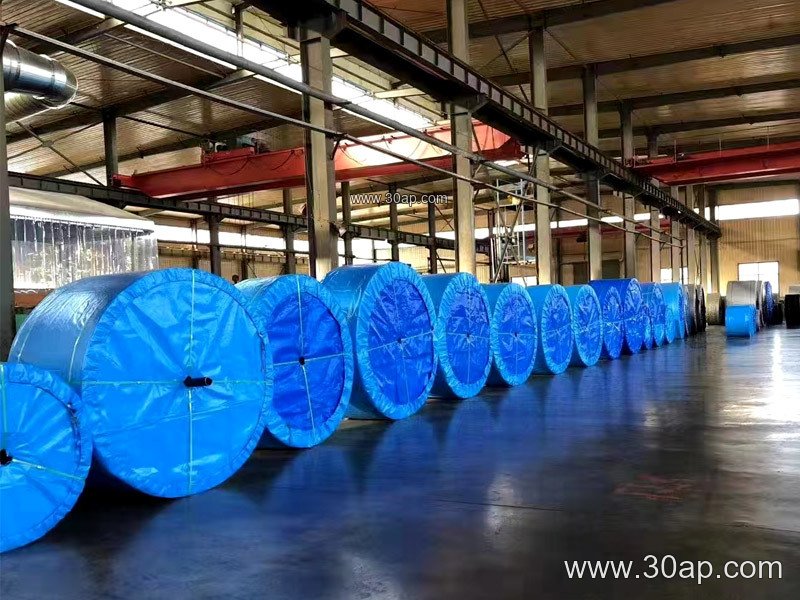
An EP200 Conveyor Belt is a fabric-core rubber conveyor belt built on polyester-cotton (EP) canvas. In this naming system, EP200 refers to the nominal tensile strength of the carcass, commonly expressed as 200 N/mm per ply. The belt is part of the broader EP Conveyor Belt family, which sits alongside NN Conveyor Belt constructions and Steel Cord Conveyor Belt designs in the same heavy-duty material handling market. Anyone sourcing a Fabric Core Conveyor Belt for a fixed conveyor will find EP200 a common mid-range option for medium loads and moderate spans.
How the Belt Is Built
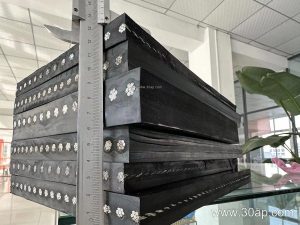
The carcass is typically made from two to six plies of EP fabric, bonded with rubber skim compound between layers. Top and bottom cover rubber protect the carcass from abrasion, moisture and impact. Cover thickness is usually quoted as a pair of figures, such as 4+2 mm or 5+2 mm, where the first number is the top cover and the second is the bottom cover. A buyer reviewing an EP Rubber Conveyor Belt quotation should confirm ply count, cover thickness and total belt thickness, because these details affect both splice design and pulley compatibility.
Typical Applications
EP200 is widely used in bulk material handling where the belt runs on idler roller sets and wraps around conveyor pulley assemblies. Common industries include:
- Sand, gravel and crushed stone operations, where a Quarry Conveyor Belt or Aggregate Conveyor Belt must resist sharp edges
- Cement plants moving clinker and raw meal on Cement Conveyor Belt lines
- Power plants and coal yards using Coal Conveyor Belt systems for fuel delivery
- Mining operations, where a Mining Conveyor Belt or Underground Mining Conveyor Belt may need Flame Retardant Conveyor Belt or Anti-Static Conveyor Belt properties
- Ports and ship loading terminals handling Bulk Material Conveyor Belt runs
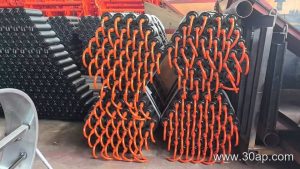
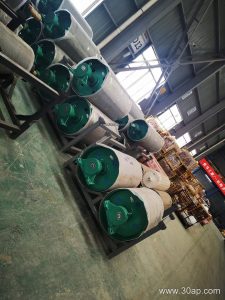
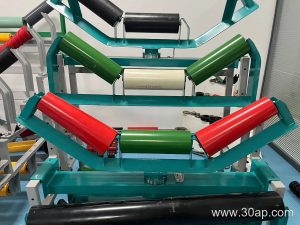
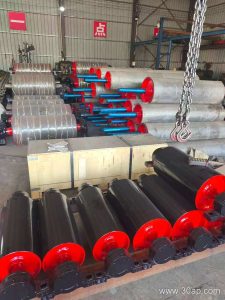
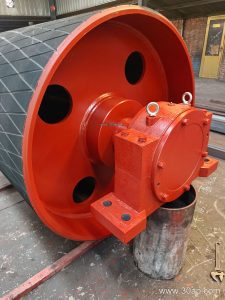
In these settings, the belt works together with conveyor pulleys — drive, tail and bend pulleys each performing a distinct role — plus idler rollers and conveyor brackets that support the load along the route. Selecting a belt and selecting pulleys are separate engineering decisions; one belt width does not dictate a single pulley diameter.
Strength Grades and Reference Dimensions
The EP family spans several strength classes. EP200 sits in the middle of the range, with lighter and heavier options available for different duty levels. The table below lists reference grades commonly discussed in the market; actual values should always be confirmed with the belt manufacturer.
| Grade | Nominal Carcass Strength (N/mm per ply) | Typical Use |
|---|---|---|
| EP100 | 100 | Light duty, short conveyors |
| EP200 | 200 | Medium duty, general bulk handling |
| EP300 | 300 | Heavier loads, longer runs |
| EP400 | 400 | Heavy-duty mining and quarry work |
| EP500 | 500 | High-strength fabric core |
| EP630 | 630 | Very heavy fabric core duty |
Belt widths for EP constructions are commonly available in B500, B650, B800, B1000, B1200, B1400, B1600, B1800 and B2000, among others. Cover thicknesses usually range from 3+1.5 mm up to 8+3 mm depending on the application. An EP Conveyor Belt, 10mm Thick configuration is sometimes requested for general service. None of these values should be treated as universal supply promises; confirm with the supplier.
Choosing the Right Variant
While EP200 covers the carcass strength, the cover compound and surface form determine how the belt performs in a specific environment. Relevant options include:
- Abrasion Resistant Conveyor Belt covers for stone, sand and ore
- Heat Resistant Conveyor Belt grades for cement and clinker lines
- Oil Resistant Conveyor Belt and Chemical Resistant Conveyor Belt compounds for oily or corrosive cargo
- Flame Retardant Conveyor Belt or Fire Resistant Conveyor Belt versions for coal handling and underground work
- Cold Resistant Conveyor Belt for low-temperature climates
- Chevron Conveyor Belt or Corrugated Sidewall Conveyor Belt profiles for steep inclines
These are surface and compound choices, not replacements for the EP200 carcass. A buyer should match belt grade, cover thickness, width and splice type to the conveyor layout, then check pulley diameters and idler roller spacing against the belt’s minimum bend radius.
Buyer Checklist
Before ordering, confirm the required grade, ply count, cover thickness, belt width and edge condition. Ask whether the belt is supplied as an Endless Conveyor Belt or open length, and how the splice will be made. Verify the belt’s tolerance to the material temperature and any static or fire requirements. Finally, review the conveyor pulley and idler roller specifications together with the belt data, so that the drive, tail and bend pulleys are sized for the belt’s actual tension and thickness. For more product information, visit conveyorbeltpro.com or explore conveyorbeltpro.com’s range of Rubber Conveyor Belt and Fabric Core Conveyor Belt options.