What Rubber Pulley Lagging Does on a Conveyor Drum
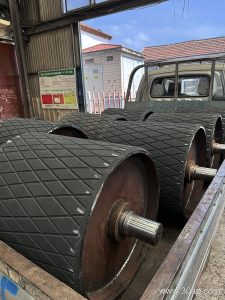
Rubber pulley lagging is the rubber layer bonded to the shell of a conveyor pulley to raise friction between the drum and the belt, protect the steel shell from wear, and keep the belt tracking steadily under load. On a driven drum it converts motor torque into belt motion; on a non-driven drum it helps maintain tension and alignment. Without adequate lagging, a smooth steel shell can slip in wet or dusty conditions, and abrasive material can polish the shell until grip is lost.
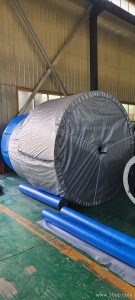
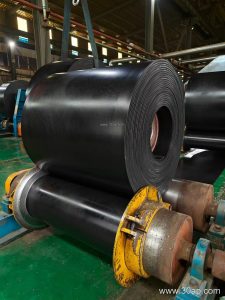
The product is often specified together with the belt it runs against, whether that is a heavy-duty mining conveyor belt in an underground coal mining conveyor belt system or an abrasion resistant conveyor belt handling limestone in a quarry. The lagging and the belt must work as a pair, because friction, wear and tracking depend on both surfaces.
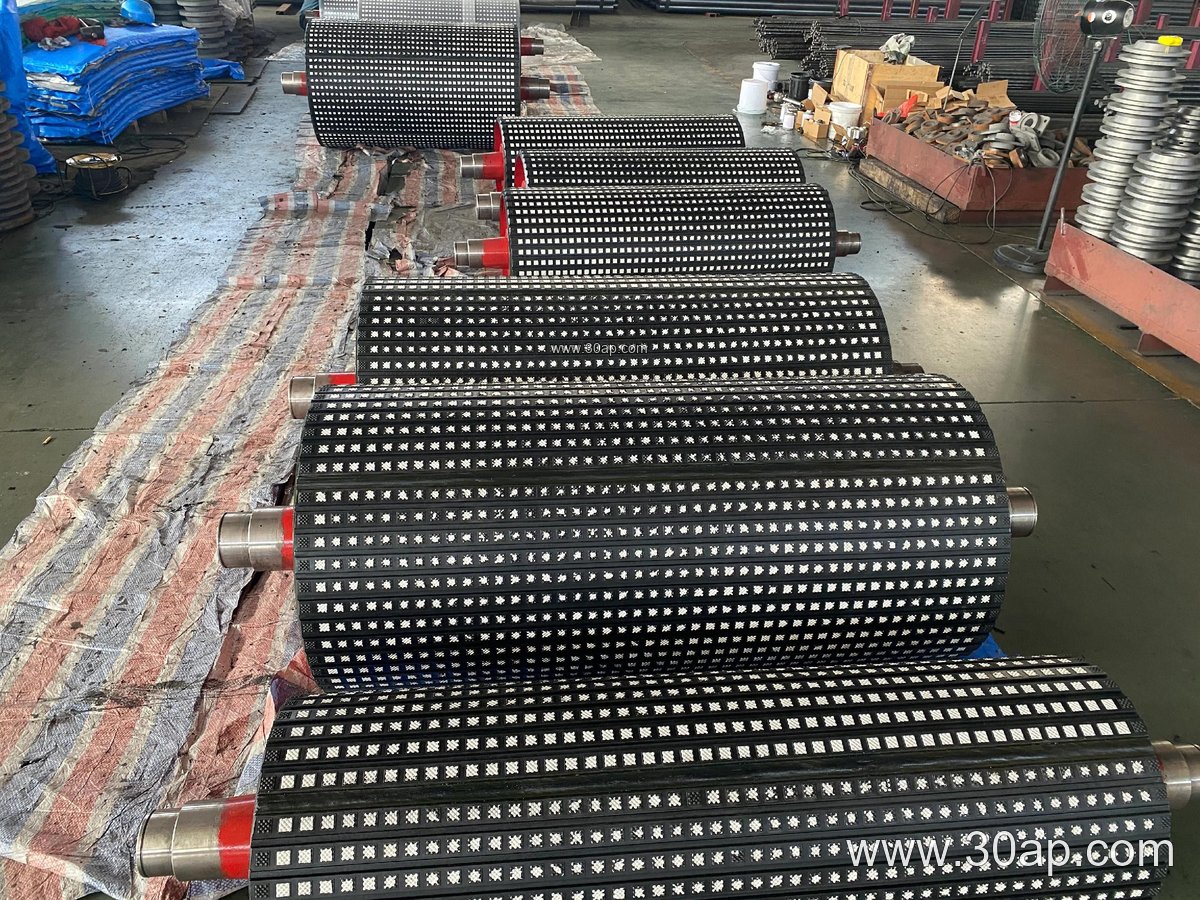
Construction and Surface Forms
Most rubber pulley lagging starts with a rubber compound formulated for high friction and resistance to abrasion, oil or heat as the duty requires. It is supplied either as pre-cured sheets with a bonding layer, or as uncured rubber that is applied and vulcanized in place. The surface pattern is chosen for the working conditions:
- Plain (smooth) lagging for general duty where modest grip is enough and material build-up is not a concern.
- Diamond lagging to shed water and fines, common on drive pulleys in wet or dusty plants.
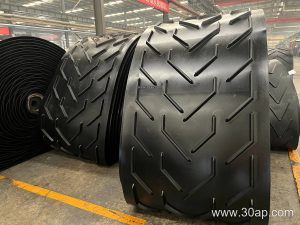
- Herringbone (chevron) lagging to channel water outward and improve traction on high-torque drives.
- Ceramic lagging with embedded tiles for very high wear at the drive pulley in ore and aggregate service.
Common lagging thicknesses are 8, 10, 12, 15 and 20 mm, selected according to pulley diameter, belt tension and the aggressiveness of the material. Thicker lagging is not automatically better; it must suit the drum and the belt.
Where It Is Used
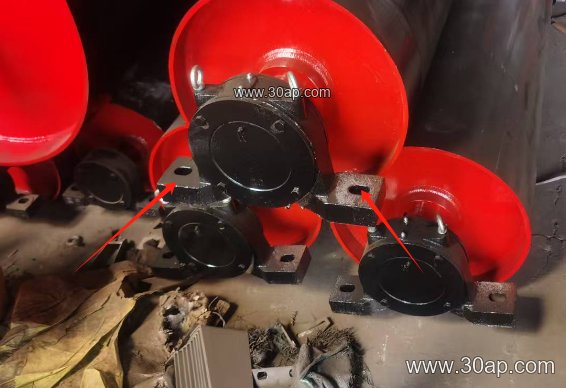
Rubber pulley lagging appears on drive pulleys, tail pulleys and bend pulleys, but the requirements differ by position. A drive pulley needs the highest friction and usually carries diamond, herringbone or ceramic lagging. A tail pulley is often lagged to protect the shell from impact and build-up, while a bend pulley may use a thinner plain rubber cover mainly for wear protection. These positions are not interchangeable: a tail pulley is not a drive pulley, and a bend pulley is not a tension pulley, even though all three can be lagged.
Typical sites include coal preparation plants, cement works handling clinker, power station coal yards, iron ore and copper ore concentrators, sand and gravel lines, and port bulk terminals. In these plants the drum runs with a fabric core conveyor belt or a steel cord conveyor belt, and the lagging choice should match the belt’s cover grade and the amount of water, dust or oil present.
Matching Lagging to Pulley Size
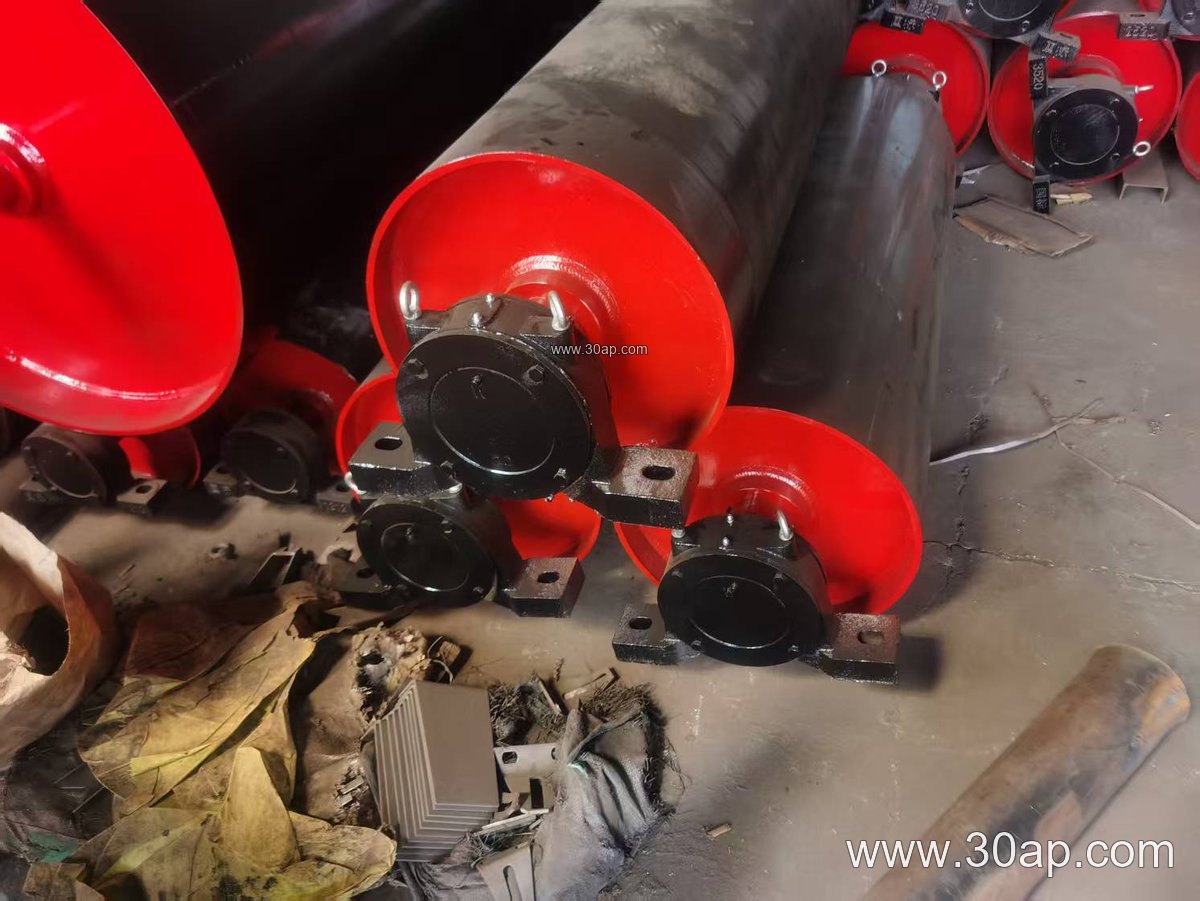
Lagging is ordered by pulley face width and diameter. The drum face is normally wider than the belt, so a B800 belt usually runs on a pulley with a face around 950 mm, and a B1200 belt on a face near 1400 mm. Diameter is set by torque and belt tension, not by belt width alone; a B800 drum might be Ø500 in one plant and larger in another. Shaft diameter is calculated from load and torque, typically ranging from Ø50 to Ø200, and should never be guessed from belt width.
When ordering, quote the drum dimensions and the belt data together, for example a drive pulley of B1000 × Ø800 with 12 mm diamond rubber lagging. Buyers working with EP conveyor belt or NN conveyor belt drives should also state the belt speed and the expected wet or dry running conditions.
Buyer Checklist
- Confirm the pulley position: drive, tail, bend or tension, since each has different friction needs.
- State the belt type and cover, such as flame retardant conveyor belt or heat resistant conveyor belt, so the rubber compound is compatible.
- Give face width, shell diameter and shaft diameter as designed, not as assumed from belt width.
- Choose the surface pattern and thickness for the actual material and moisture level.
- Ask how the lagging is bonded, cold-bonded or hot-vulcanized, and plan downtime accordingly.
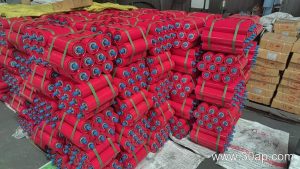
Well-chosen rubber pulley lagging extends drum life, reduces belt slip and keeps the conveyor pulley, idler roller and conveyor bracket assembly working as a stable system. For selection support, visit rubberlagging.com or check conveyor pulley options at pulleylagging.com before finalizing the specification.