What a Vertical Idler Bracket Does
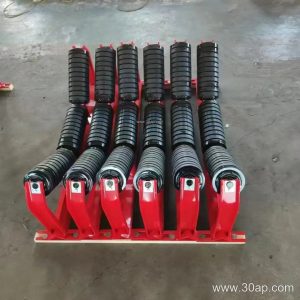
A vertical idler bracket is a support component that holds idler rollers in a vertical or near-vertical orientation on a conveyor. It is commonly used on the return side or in transition zones where the belt needs guidance without the full troughing effect of a standard idler set. In many plants, this bracket is also called a vertical roller bracket or vertical return bracket, and it helps maintain belt alignment while reducing edge wear. Unlike a drive pulley or tail pulley, which transmit power and change belt direction, the vertical idler bracket plays a purely supporting and guiding role.
Construction and Materials
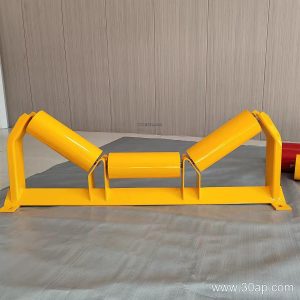
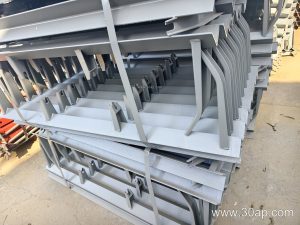
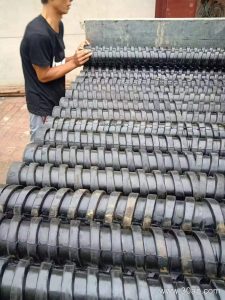
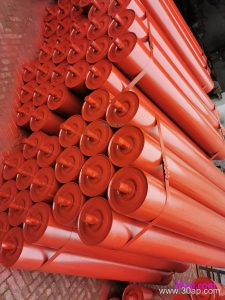
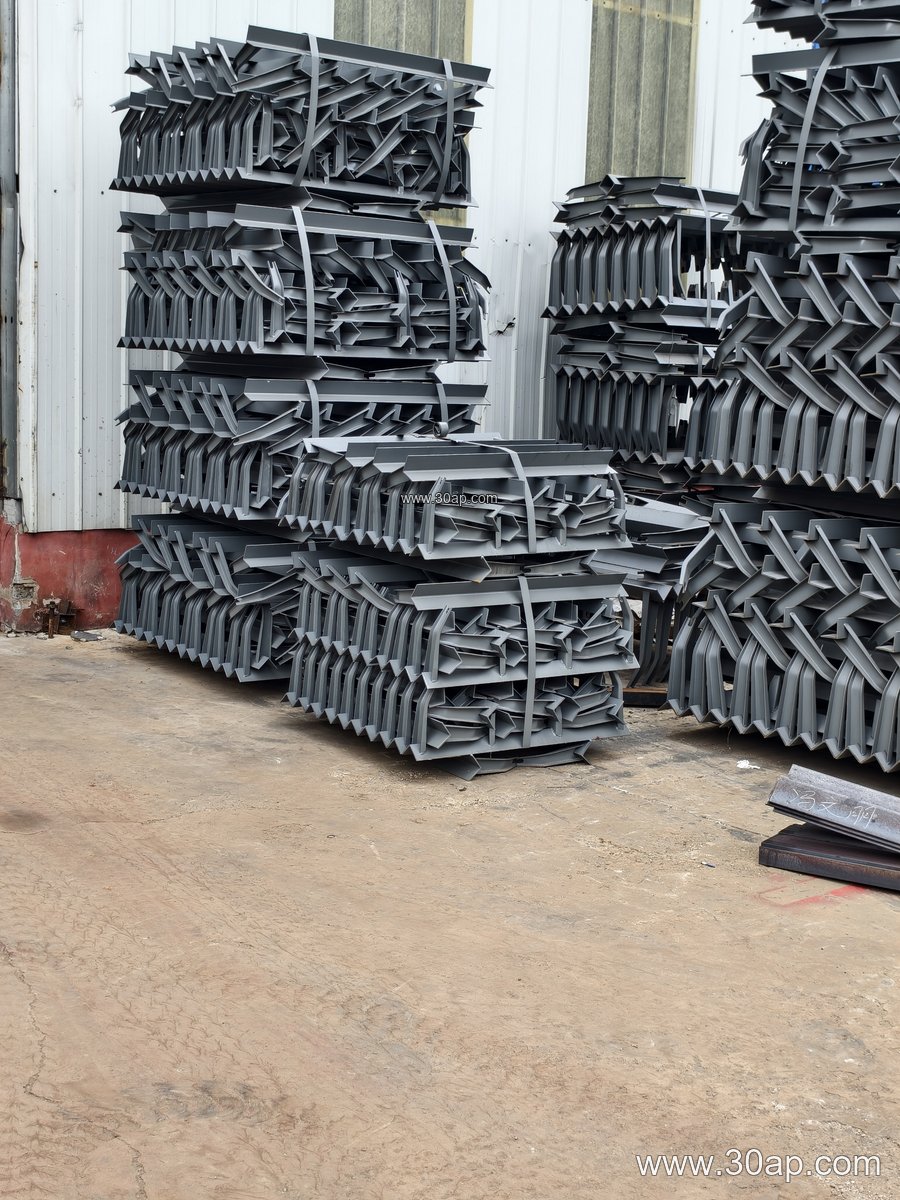
Most vertical idler brackets are fabricated from angle steel, channel steel, or bent steel plate. The frame is drilled or slotted to accept the idler shaft, and the mounting base is designed to bolt onto the conveyor stringer or frame. Depending on the design, the bracket may be fixed or adjustable, allowing the roller position to be fine-tuned during installation. Common roller diameters used with these brackets include Ø89, Ø108, Ø133, Ø159, and Ø194, matched to the belt width and load conditions. For example, a B800 conveyor with a 35-degree trough might use a Ø108 roller, while a B1200 system with a 45-degree trough could use a Ø133 roller. These are typical references, not fixed rules, and final selection depends on the conveyor design.
Where It Fits in the Conveyor Line
Vertical idler brackets are often found in quarry conveyor systems, coal mining conveyors, and cement plant material handling lines. They are particularly useful in transition sections where the belt changes from flat to troughed, or on the return run where a vertical roller helps prevent belt sag and misalignment. In a typical aggregate conveyor or crusher conveyor, a few vertical brackets may be placed near the head or tail area to guide the belt smoothly. They are not a substitute for bend pulleys or take-up pulleys, but they complement the overall conveyor bracket system by keeping the belt centered and reducing friction.
Selection and Sizing Notes
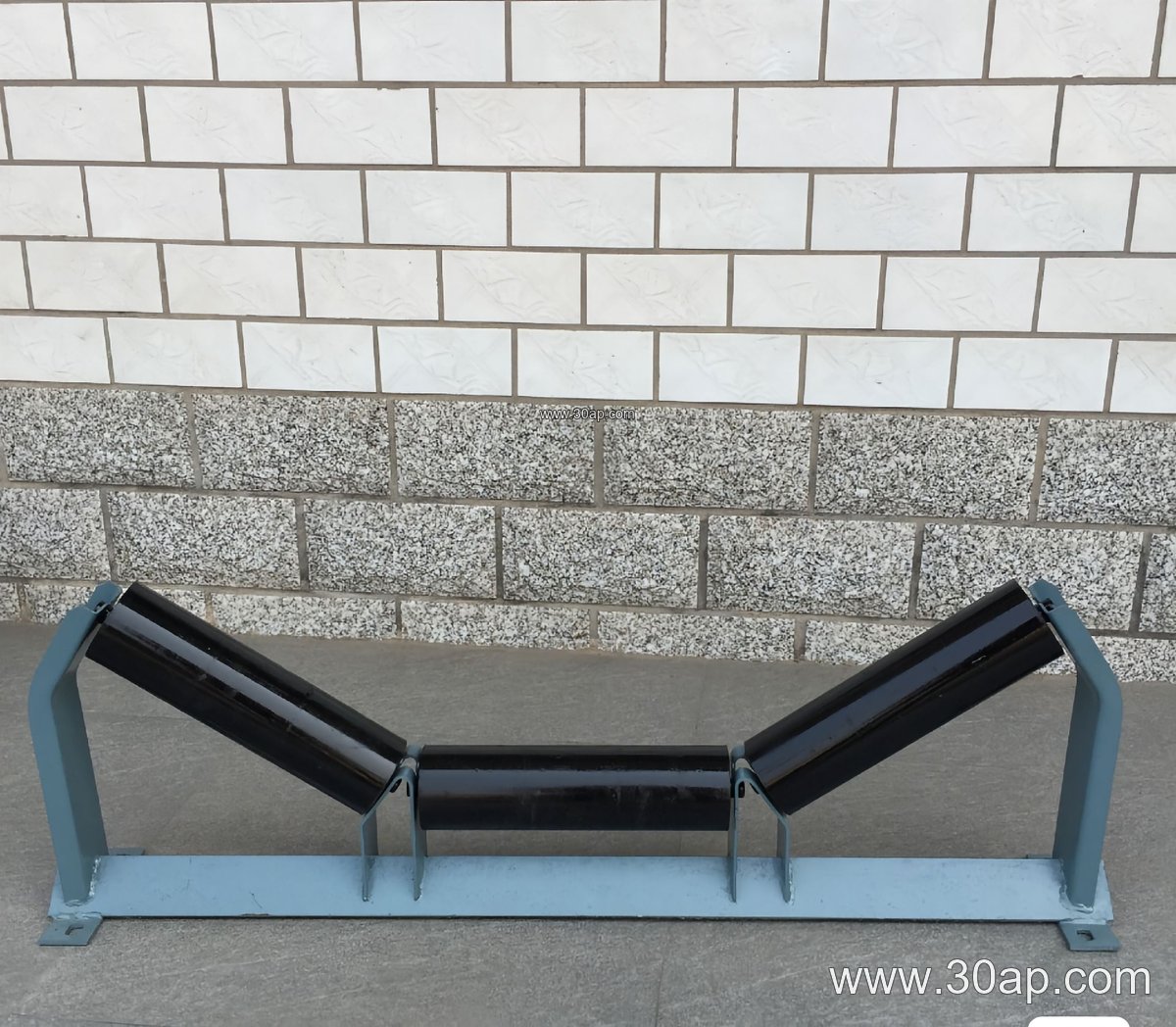
When choosing a vertical idler bracket, consider the belt width, the idler diameter, and the mounting hole spacing. The bracket must match the conveyor frame and the roller shaft. Common belt widths range from B500 to B2200, and the bracket length and hole pattern will vary accordingly. Trough angles of 20, 30, 35, and 45 degrees are typical for associated idler sets, and adjustable brackets can accommodate several of these angles. The belt itself may be an EP conveyor belt, a steel cord conveyor belt, or a flame retardant conveyor belt for underground mining; the bracket selection should suit the belt thickness and tension. For heavy-duty mining conveyor belts or abrasion resistant conveyor belts, a sturdier bracket with thicker steel may be needed. Always confirm dimensions with the conveyor manufacturer, as installation hole distances change with belt width and trough angle.
Installation and Maintenance Tips
Mount the vertical idler bracket squarely to the conveyor frame so the roller runs true to the belt path. Check that the roller spins freely and that the bracket does not interfere with the belt edge. In dusty environments such as a limestone mine or a power plant coal yard, inspect the bracket for material buildup and corrosion. A loose or bent bracket can cause the idler roller to misalign, leading to belt tracking problems and premature wear. During maintenance, replace worn rollers and re-tighten mounting bolts. If the conveyor uses a pipe conveyor belt or a corrugated sidewall conveyor belt, ensure the vertical bracket does not contact the belt profile.
Buyer Checklist
- Confirm the conveyor belt width and the required idler diameter.
- Check the mounting hole pattern and frame interface.
- Decide between fixed and adjustable bracket designs.
- Match the bracket material to the environment (e.g., wet, dusty, corrosive).
- Verify compatibility with the existing idler roller and conveyor bracket layout.
For more information on conveyor components, visit our site at www.example.com/conveyor-bracket and www.example.com/idler-roller. A well-chosen vertical idler bracket helps keep your conveyor belt running smoothly in demanding industries such as mining, cement, and power generation.