What a Custom Idler Is and Where It Fits
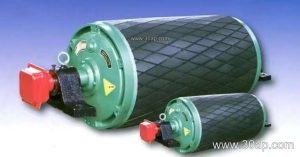
A custom idler is a conveyor idler roller built to match a specific belt width, trough angle, mounting arrangement, or operating environment rather than a standard catalog item. In a coal mining conveyor or a quarry conveyor belt line, the idler set supports the belt and the material load, so small differences in roller length, diameter, or bearing selection can affect tracking and belt life. A custom idler may also be called a made-to-order idler roller, but it remains the same product: a rotating support roller for a conveyor belt. It is not a drive pulley, tail pulley, or bend pulley, and those components are not interchangeable with an idler.
Construction and Common Configurations
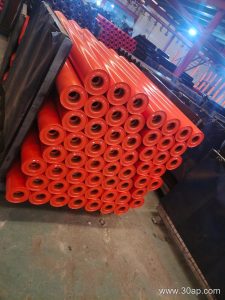
The basic build includes a steel tube shell, bearing housings, a shaft, and a sealing arrangement. Roller surface options often include steel, nylon, ceramic, and rubber rings. Bearing sizes such as 6204, 6205, 6305, 6306, 6308, and 6310 are common references, but the bearing choice should follow the load and speed calculated for the application, not a single fixed pairing with one roller diameter.
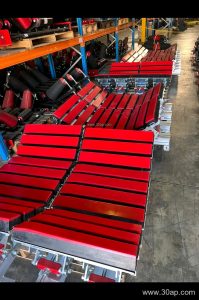
Troughing idler sets are usually supplied as single-roller, two-roll, or three-roll arrangements. Three-roll troughing sets are common on bulk material conveyor belts, with trough angles of 20, 30, 35, or 45 degrees. Forward tilt of about 1.5 to 2 degrees is sometimes used on training or aligning idlers. For comparison, a return idler or impact idler serves a different position on the conveyor, so it should not be substituted for the main custom idler duty without checking the design.
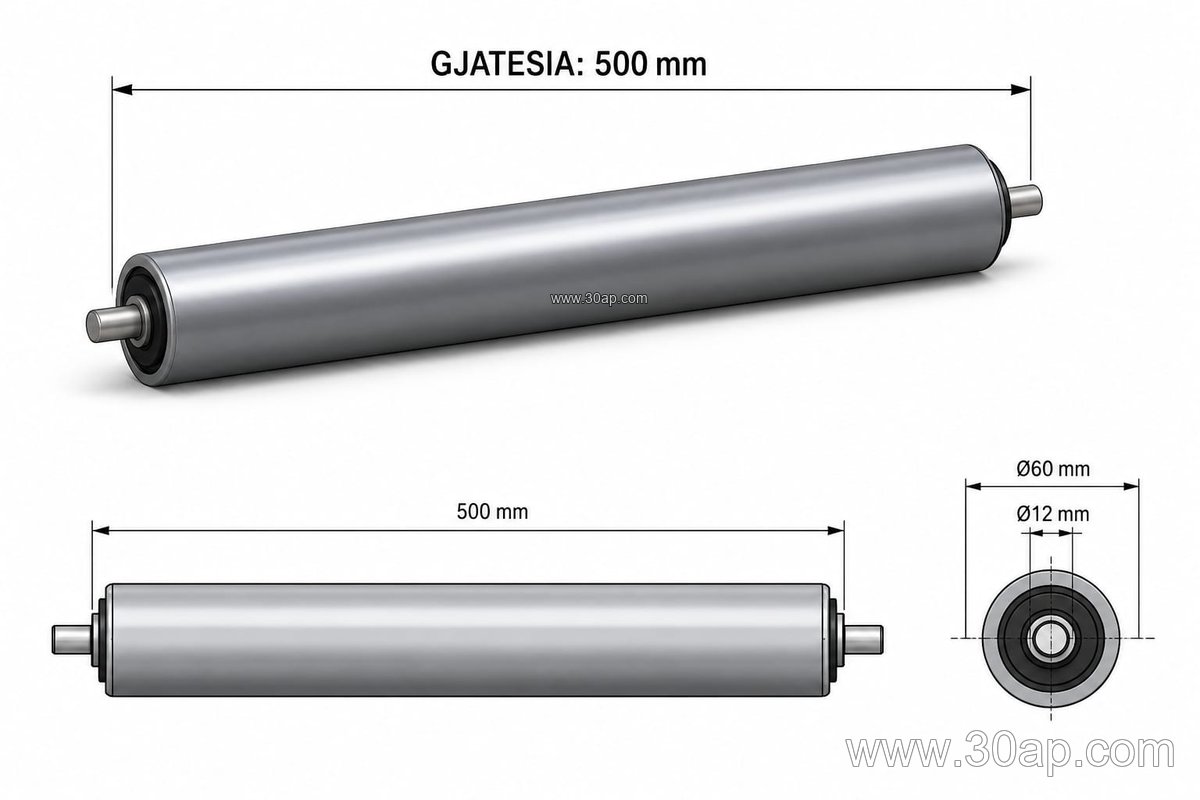
Common roller diameters include Ø63, Ø76, Ø89, Ø102, Ø108, Ø127, Ø133, Ø159, Ø178, Ø194, and Ø219 mm. Belt widths are often referenced as B400, B500, B650, B800, B1000, B1200, B1400, B1600, B1800, B2000, B2200, and B2400. Roller length changes with belt width, trough angle, and idler set form. For example, a three-roll troughing set might use a roller length near 200 mm for B500, 250 mm for B650, 315 mm for B800, 380 mm for B1000, 465 mm for B1200, 530 mm for B1400, 600 mm for B1600, 670 mm for B1800, and 750 mm for B2000. These are common examples only; side rollers and center rollers can differ, and no single belt width should be treated as locked to one pulley diameter or shaft size.
Applications Across Industries
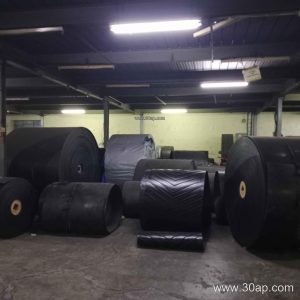
Custom idlers appear in cement plant conveyor lines, power plant coal handling, iron ore and copper ore transport, limestone quarries, sand and aggregate plants, and port ship loading systems. In a coal mining conveyor or underground mining conveyor, flame retardant conveyor belt and anti-static conveyor belt requirements may influence the surrounding components, while the idler itself is selected for load, dust, and moisture conditions. A heavy-duty mining conveyor belt carrying ore or rock may call for larger roller diameters and reinforced sealing, whereas a smaller aggregate conveyor belt may use a lighter troughing set.
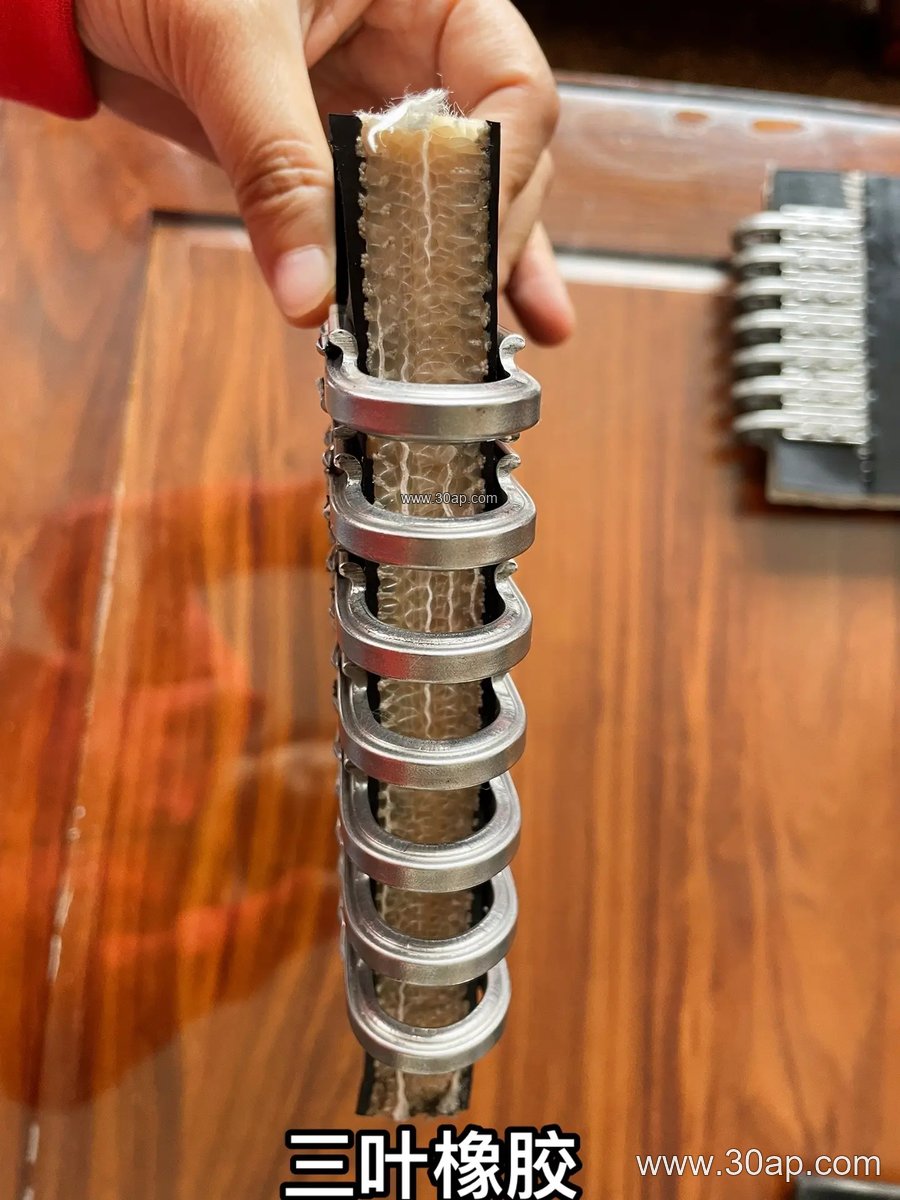
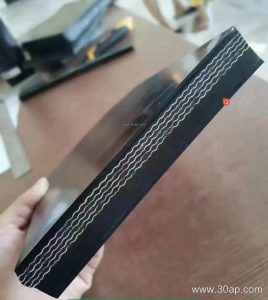
The idler works together with the conveyor belt, conveyor pulley, and conveyor bracket. A mismatch in roller length or mounting height can cause belt edge contact or poor troughing. For this reason, a custom idler order should include the belt width, trough angle, idler set type, roller diameter, roller length, shaft details, bearing type, and surface form. If the conveyor uses an EP conveyor belt, NN conveyor belt, steel cord conveyor belt, or multi-ply fabric core conveyor belt, the belt tension and load still need to be checked because the idler selection depends on the actual duty, not the belt name alone.
Buyer Checklist and Maintenance Notes
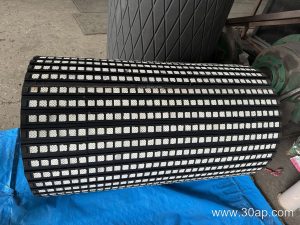
Before ordering, confirm the mounting dimensions and the space available for the roller. Check whether the application needs a standard troughing idler, a training idler, a return idler, or an impact idler in a specific position. For dusty or wet conditions, sealing quality deserves attention. For high-abrasion service, a rubber ring or ceramic surface may be considered. Keep spare idlers for critical conveyors so that a seized roller does not damage the conveyor belt.
During inspection, look for roller shell wear, seal leakage, bearing noise, and belt tracking changes. Replace idlers in sets where uneven wear is visible. A custom idler is only effective when its dimensions and duty match the conveyor, so the buyer should provide clear drawings or measured data rather than relying on a belt width alone.