What a Rotating Self-Aligning Idler Does
A rotating self-aligning idler is a specialized conveyor idler that automatically corrects belt misalignment. Unlike a standard carrying idler, it pivots or rotates around a vertical axis to steer the conveyor belt back toward the center line. This self-correcting action reduces edge damage, spillage, and downtime, making it a practical choice for bulk material handling in quarries, cement plants, and power station coal yards.
Also known as a self-aligning idler roller, this component is often installed on the carrying side, though return-side versions exist. It should not be confused with a drive pulley, tail pulley, or bend pulley, which serve different functions in the conveyor system.
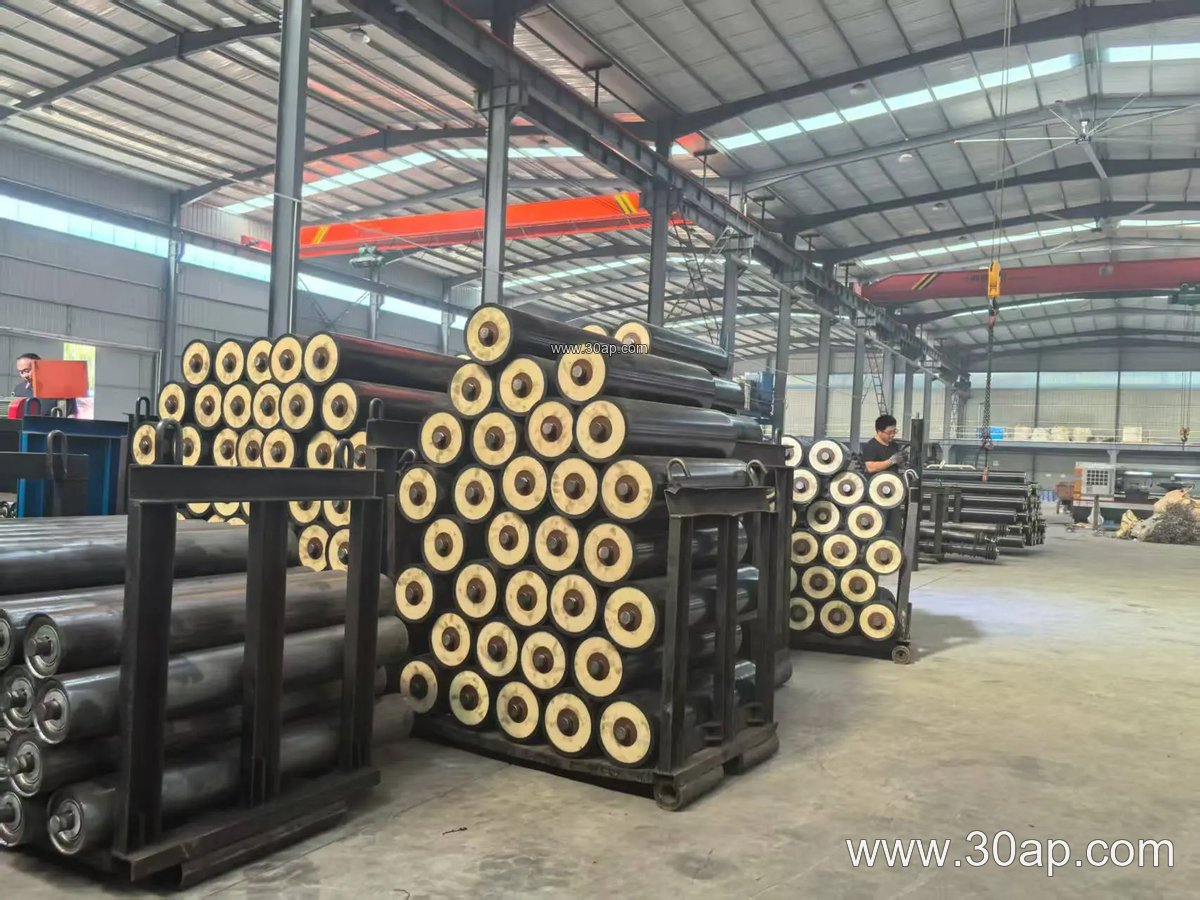
Construction and Working Principle
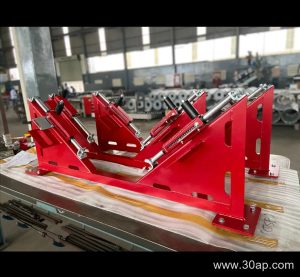
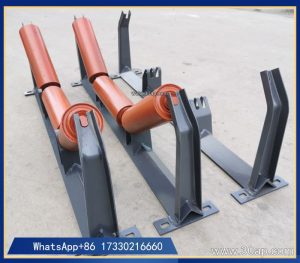
The idler typically consists of a frame that holds two or more rollers. The frame is mounted on a pivot bearing that allows rotation in the horizontal plane. When the belt drifts to one side, it contacts a vertical guide roller or the angled rollers, generating a force that rotates the frame. This rotation angles the idler slightly, creating a steering effect that guides the belt back to center.
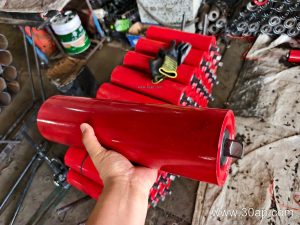
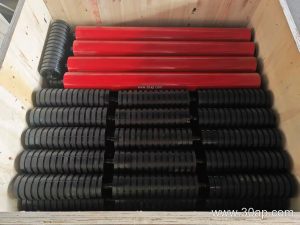
Common roller diameters for self-aligning types include Ø89, Ø108, Ø127, and Ø133 mm, with larger sizes such as Ø159 and Ø178 mm used for heavy-duty applications. The rollers may have steel, rubber, or ceramic surfaces depending on the material being conveyed. Bearings such as 6205, 6305, or 6306 are frequently used, but the choice depends on load and speed, not on a fixed pairing with roller diameter.
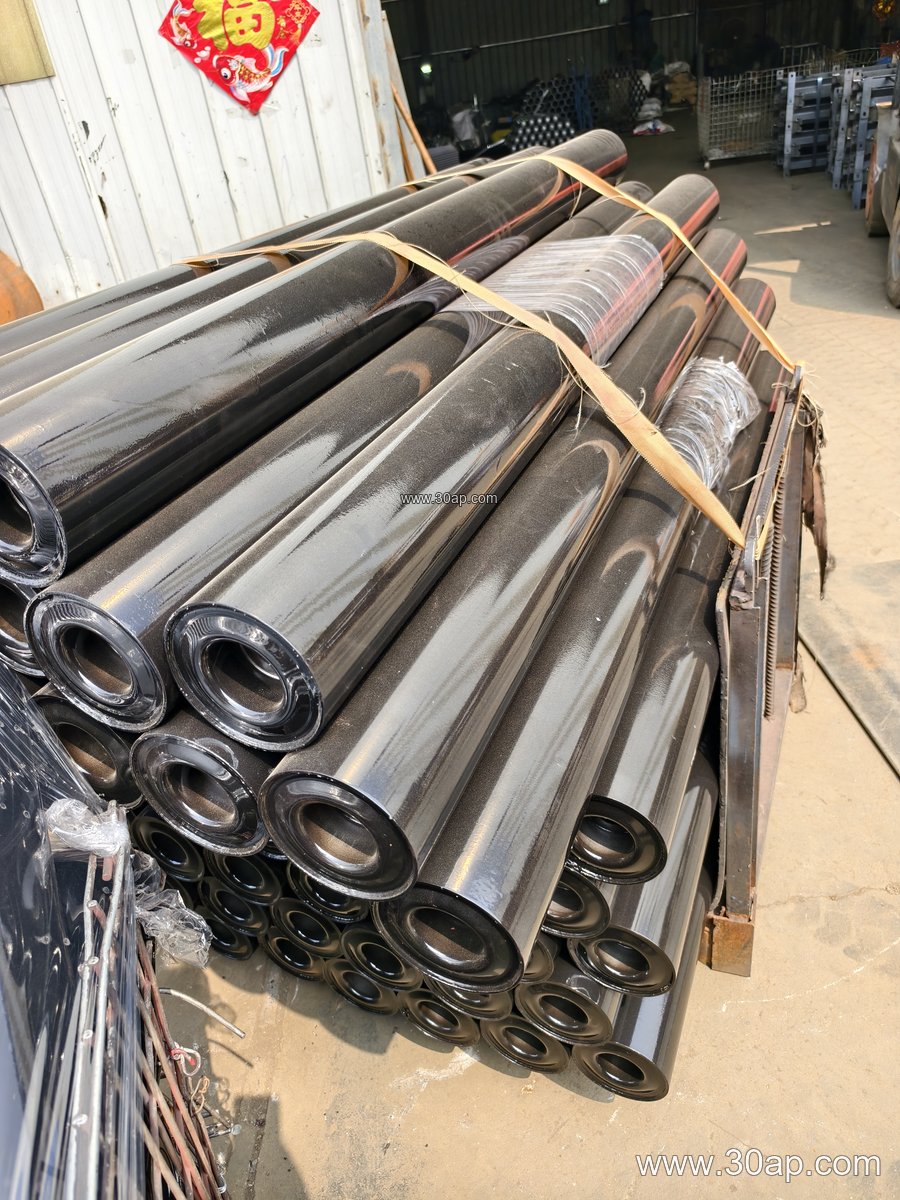
Where It Fits in a Conveyor System
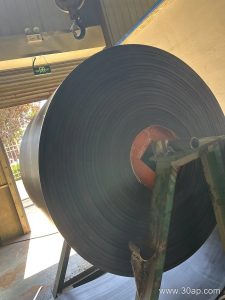
Self-aligning idlers are usually placed at intervals along the carrying run, especially after curves, transfer points, or anywhere belt misalignment is likely. They can be used with fabric core belts like EP conveyor belt or NN conveyor belt, as well as steel cord conveyor belt in high-tonnage operations. For example, a cement plant handling clinker might use an abrasion resistant conveyor belt alongside self-aligning idlers to maintain tracking under dusty conditions.
In coal mining, a flame retardant conveyor belt is common, and self-aligning idlers help keep the belt centered in narrow underground galleries. Similarly, a quarry conveyor belt carrying crushed rock benefits from these idlers to prevent edge wear. The idler works in harmony with the conveyor pulley and conveyor bracket, but it does not replace them.
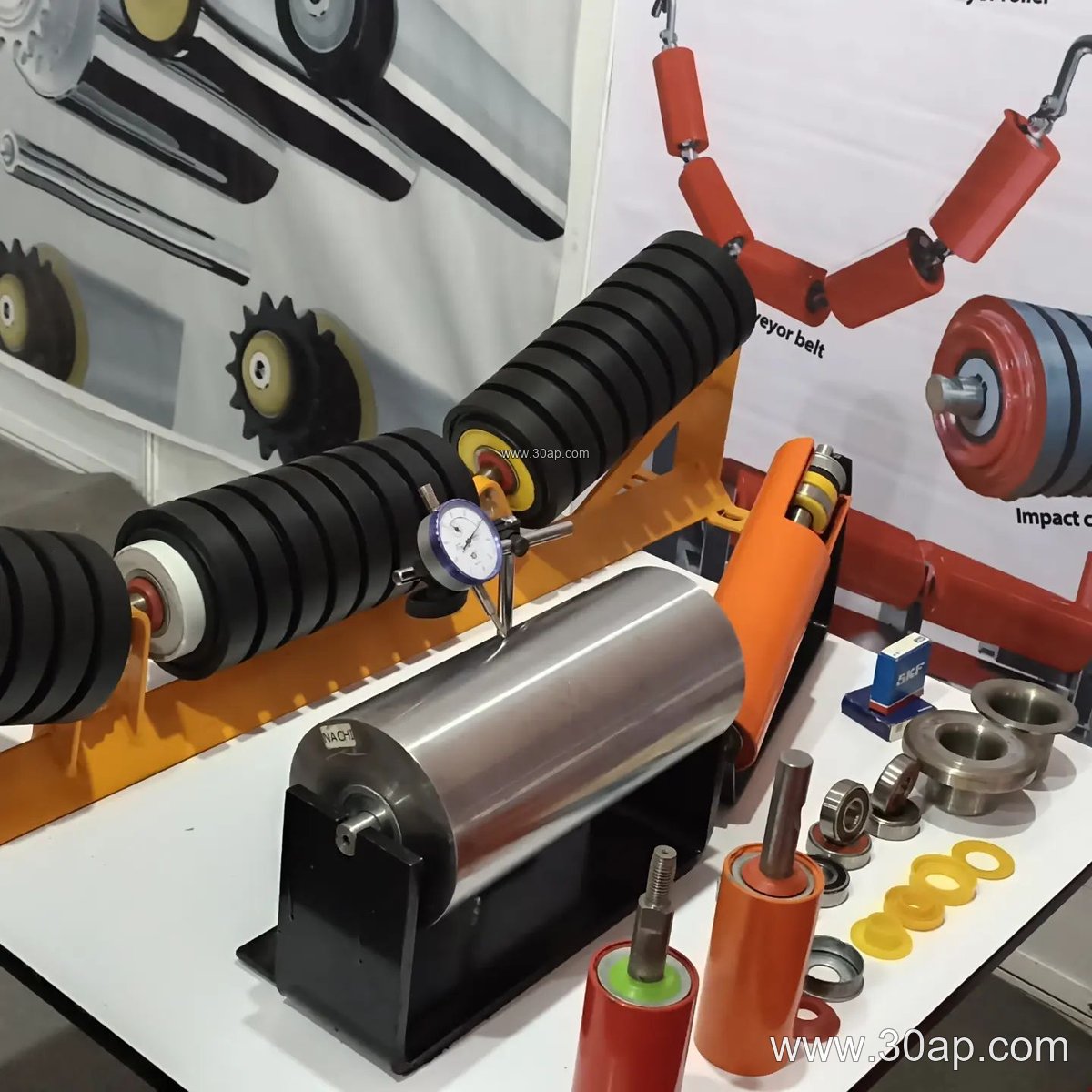
Key Selection Considerations
Buyers should match the idler to the belt width and the conveyor’s load profile. Standard belt widths include B500, B650, B800, B1000, B1200, B1400, B1600, B1800, and B2000. The roller length varies with belt width and trough angle; for a three-roll troughing set, common roller lengths are approximately 200 mm for B500, 250 mm for B650, 315 mm for B800, 380 mm for B1000, 465 mm for B1200, 530 mm for B1400, 600 mm for B1600, 670 mm for B1800, and 750 mm for B2000. These are typical examples, and side rollers may differ from the center roller.
Trough angles of 20, 30, 35, and 45 degrees are available. A forward tilt of about 1.5 to 2 degrees is sometimes used in self-aligning designs to enhance steering. The bearing size, shaft diameter, and frame strength should be specified by the conveyor designer based on actual load and speed. No single roller diameter is mandatory for a given belt width.
Maintenance and Buyer Tips
- Inspect pivot points for free rotation and lubricate according to the manufacturer’s schedule.
- Check roller surfaces for wear or build-up that could affect tracking.
- Ensure the idler frame is aligned squarely with the conveyor center line during installation.
- Consider the environment: dusty or wet conditions may require sealed bearings and corrosion-resistant finishes.
For harsh applications, such as handling oil-soaked materials or high-temperature clinker, choose idlers with appropriate seals and roller materials. A rotating self-aligning idler is not a substitute for proper conveyor design, but it adds a valuable layer of control for belt tracking in mining, aggregate, and industrial plants.