What a Dust-Proof Idler Does on a Conveying Line
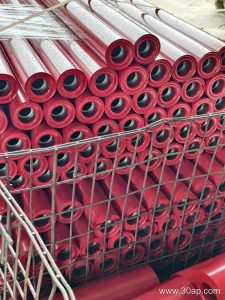
A dust-proof idler is a carrying or return roller built to keep fine particles away from its bearing cavity. On a bulk handling line, grit that reaches the bearing seats acts like a slow grinding paste, so the roller stiffens, the shell wears unevenly, and the belt starts to drag. The sealed design of a dust-proof idler roller addresses that problem at the source rather than relying on frequent replacement.
These rollers matter most where the air is thick with powder: a coal preparation plant, a cement grinding section, a power station coal yard, a lime kiln feed line, or an aggregate screening deck. The same sealed construction is also useful in a foundry sand system or a fertilizer granulation plant, where airborne dust is constant rather than occasional.
How the Sealing and Structure Work Together
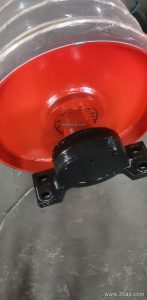
The typical dust-proof idler uses a steel tube shell pressed onto end caps that hold a labyrinth seal, sometimes backed by a contact lip seal. Grease inside the bearing housing forms a barrier, while the labyrinth path forces dust to change direction several times before it can reach the bearing. Many designs add a protective outer shield or a sealed-for-life bearing so that no regreasing is needed in service.
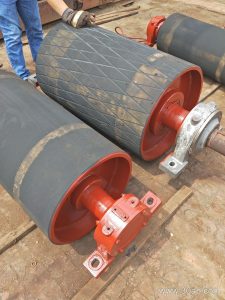
Shell material and surface finish also influence dust behaviour. A smooth steel shell sheds fines more readily than a rough one, and a rubber or ceramic covered surface can be selected where sticky material tends to build up. Bearing selection follows load and speed rather than a fixed rule, so sizes such as 6205, 6305, 6308 or 6310 may all appear across a single conveyor depending on roller diameter and duty.
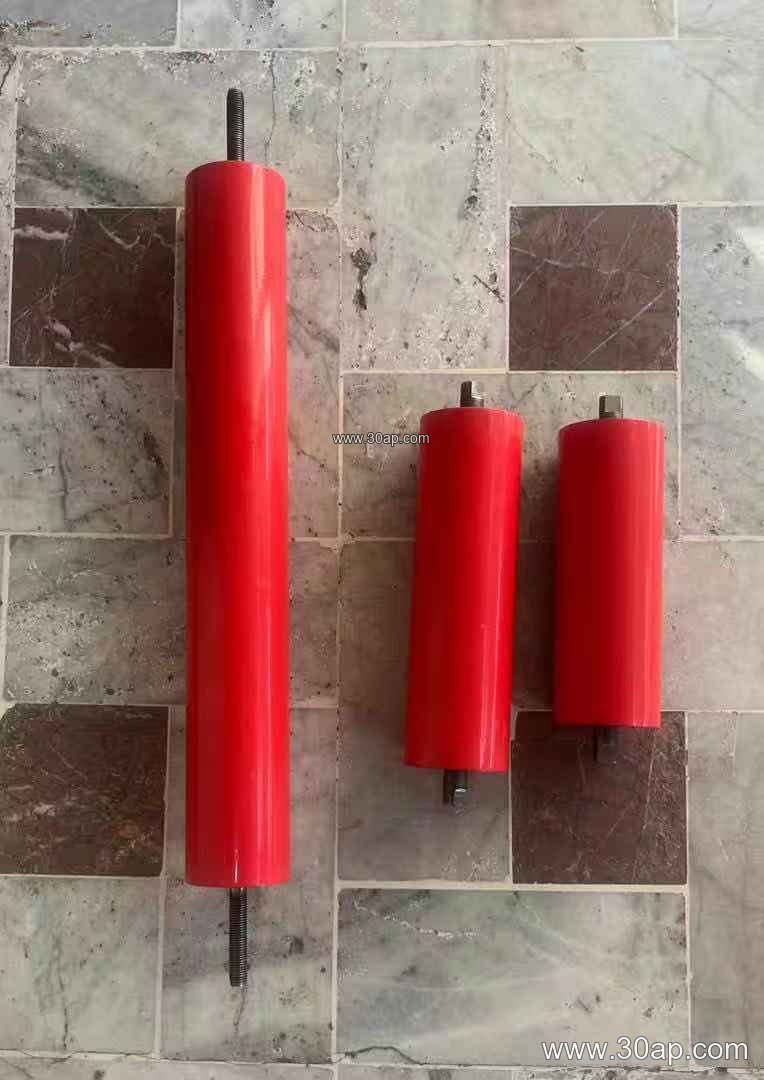
- Labyrinth seal with grease barrier as the first line of defence
- Contact seal or outer shield for wet, clinging dust
- Sealed-for-life bearings for low-maintenance sections
- Optional rubber rings or ceramic sleeve on the shell
Where It Fits Along the Conveyor
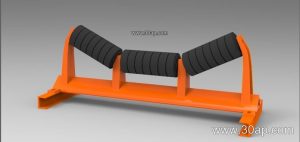
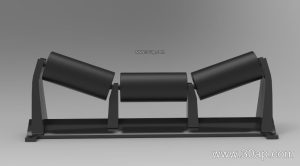
Dust-proof rollers are commonly used as troughing idlers on the carrying side, where the conveyor belt is loaded and dust is generated most heavily. They also appear as return idlers under the belt, and as impact or transition rollers near a transfer chute where both dust and falling material are present. On a long overland or plant conveyor, the sealed version is often specified for the whole string so that maintenance crews do not have to sort rollers by position.
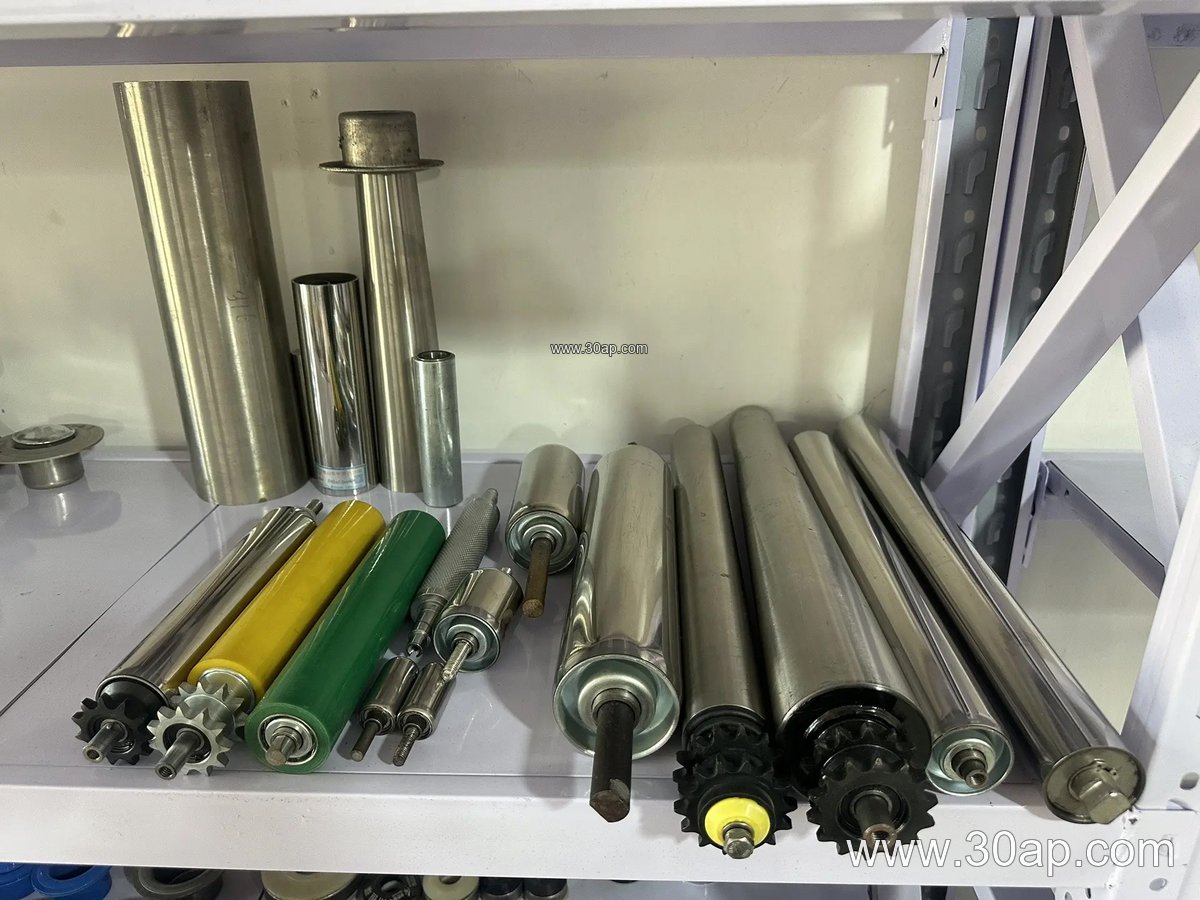
Selection should follow the belt width and the trough configuration. A three-roller troughing set on a B800 belt usually uses a shorter roller than the same set on a B1400 belt, and the side rollers may differ from the centre roller. Common roller diameters range from about Ø89 and Ø102 up to Ø159 or Ø178 on heavier installations, while trough angles of 20, 30, 35 or 45 degrees change the roller length and the material profile.
Reference Dimensions for Planning
| Belt width | Typical centre roller length, three-roller trough | Common roller diameter range |
|---|---|---|
| B500 | about 200 mm | Ø63 to Ø89 |
| B650 | about 250 mm | Ø76 to Ø102 |
| B800 | about 315 mm | Ø89 to Ø108 |
| B1000 | about 380 mm | Ø102 to Ø133 |
| B1200 | about 465 mm | Ø108 to Ø159 |
| B1400 | about 530 mm | Ø127 to Ø159 |
| B1600 | about 600 mm | Ø133 to Ø178 |
| B1800 | about 670 mm | Ø159 to Ø194 |
These figures are reference data for layout discussion only. Actual roller length and shaft diameter must be confirmed against the frame drawing and the conveyor bracket dimensions, since side rollers, trough angle and frame spacing all shift the final value.
Buyer Checklist Before Ordering
Start with the dust itself. Fine dry cement powder behaves differently from damp coal slurry or sticky ore fines, and the seal type should match. Confirm the roller diameter, shell thickness and bearing size, then check that the shaft ends fit the existing conveyor bracket without modification. Ask how the seal is tested and whether the bearing is greased for life or supplied with a grease nipple.
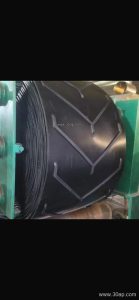
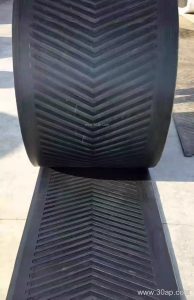
Consider the belt it will support as well. A heavy-duty mining conveyor belt running at high tension benefits from larger diameter rollers with thicker shells, while a fabric core conveyor belt on a shorter plant line may be well served by a lighter roller. Where the material is abrasive, a high abrasion resistant conveyor belt paired with ceramic-covered rollers can reduce both shell wear and belt wear. In a coal yard, a flame retardant conveyor belt and a sealed roller set together lower the risk of both fire and seizure.
Finally, plan the spares. Keeping a small stock of dust-proof idler rollers in the two or three most common diameters on site is usually more economical than replacing an entire seized string after a dust ingress event. Fit the rollers squarely, check alignment after installation, and inspect seal faces at each scheduled shutdown.