What an Automatic Belt Tracking Idler Does
An automatic belt tracking idler is a self-adjusting roller assembly that keeps a conveyor belt centered on its path without manual intervention. Unlike fixed carrying or return idlers, this idler uses the belt’s own misalignment to pivot slightly and steer the belt back to the correct line. In bulk material handling—from a quarry conveyor belt to a coal mining conveyor belt—even a small drift can cause edge damage, spillage, and downtime. The automatic belt tracking idler responds continuously, reducing the need for frequent manual adjustments.
How It Is Built
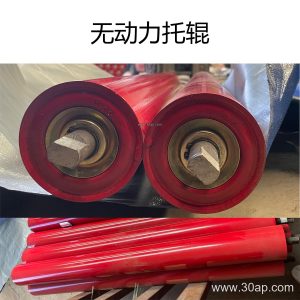
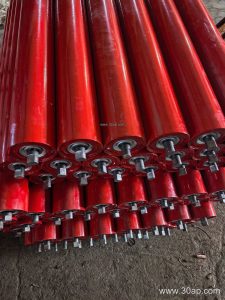
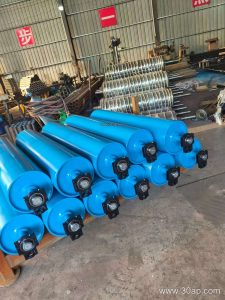
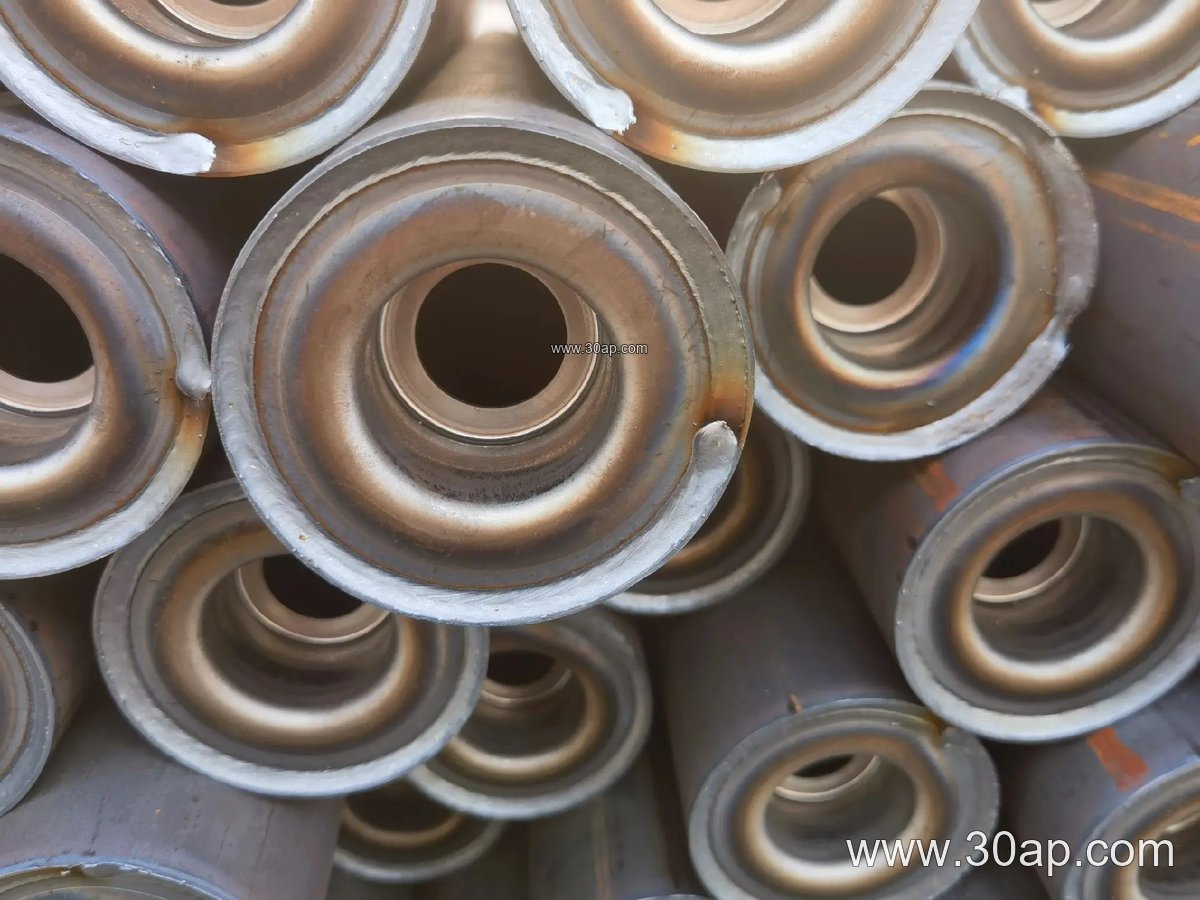
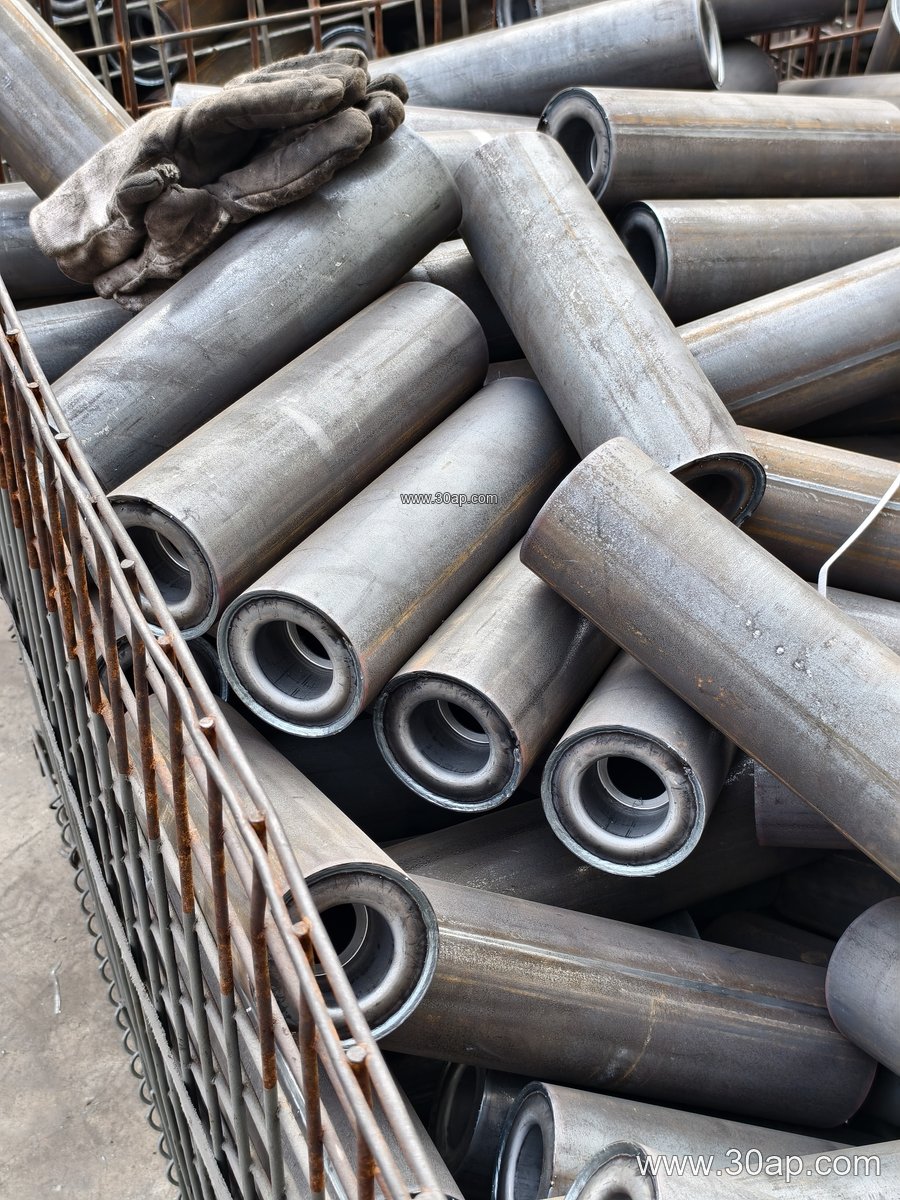
Most designs use a vertical pivot shaft mounted on a conveyor bracket, with two or three rollers arranged in a V or trough shape. When the belt contacts one side more heavily, the resulting friction turns the idler slightly around its pivot. This angular change generates a lateral force that guides the belt back. Common roller diameters include Ø89, Ø108, Ø127, and Ø159 mm, with bearing sizes such as 6205 or 6305 chosen to match the load and speed. The roller surface may be plain steel, nylon, or rubber-covered for extra grip. A sealed bearing housing protects against dust and water in harsh environments like cement plants or iron ore mines.
Where It Fits on the Conveyor
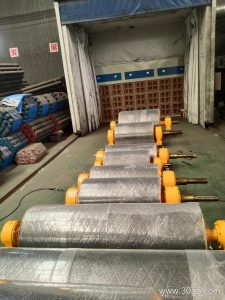
Automatic tracking idlers are typically installed on the carrying side, often just after the tail pulley or before the drive pulley, where belt wander is most likely. They can also be used on the return strand. For a 1200mm wide conveyor belt, a three-roller tracking idler with a 30-degree trough angle is common, with roller lengths around 465 mm. On narrower belts such as B650 or B800, two-roller or single-roller versions may be used. The idler works with the conveyor pulley—whether drive, tail, or bend—but does not replace any of them; each pulley has a distinct function. Proper alignment of the conveyor pulley and the tracking idler together ensures smooth operation.
Key Selection Points
Buyers should match the idler to belt width, trough angle, and load. For heavy-duty mining conveyor belts carrying abrasive rock, a rubber-covered roller or a larger diameter like Ø133 or Ø159 mm improves durability. The bearing must suit the belt speed and ambient conditions; dusty or wet sites benefit from enhanced sealing. The pivot mechanism should be robust enough to resist vibration without seizing. A common mistake is to specify a tracking idler without checking the existing conveyor bracket dimensions—mounting height and hole spacing matter. Also consider the belt type: an EP conveyor belt or steel cord conveyor belt may require different tracking forces than a lightweight fabric core belt.
Maintenance and Operational Notes
Automatic belt tracking idlers need periodic inspection of the pivot for free movement and roller rotation. Lubrication depends on the bearing type; sealed bearings often require no additional grease. In coal mining conveyor belt applications, flame retardant conveyor belt and anti-static conveyor belt properties should be paired with idlers that do not generate static. For food grade conveyor belt lines, stainless steel or nylon rollers may be preferred to avoid contamination. Keep the idler clean; material buildup on the roller can cause the belt to track incorrectly even with automatic correction.
Typical Applications
These idlers are found in sand and gravel plants, limestone quarries, power plant coal handling, and fertilizer production. In a copper ore conveyor belt system, the tracking idler helps maintain alignment through long overland runs. The same principle applies to aggregate conveyor belts and crusher conveyor belts, where shock loads and uneven loading constantly challenge belt centering. While a trough idler or impact idler handles load support, the automatic tracking idler specifically addresses lateral drift—each type has its role.
For more information on conveyor components, visit our site at www.example.com/conveyor-idler or www.example.com/belt-tracking. Our range includes idler rollers, conveyor pulleys, and brackets to complete your system.