Understanding the Ø180 Conveyor Idler
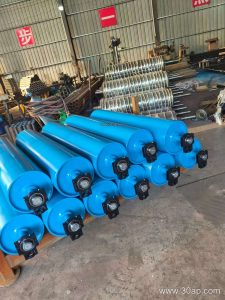
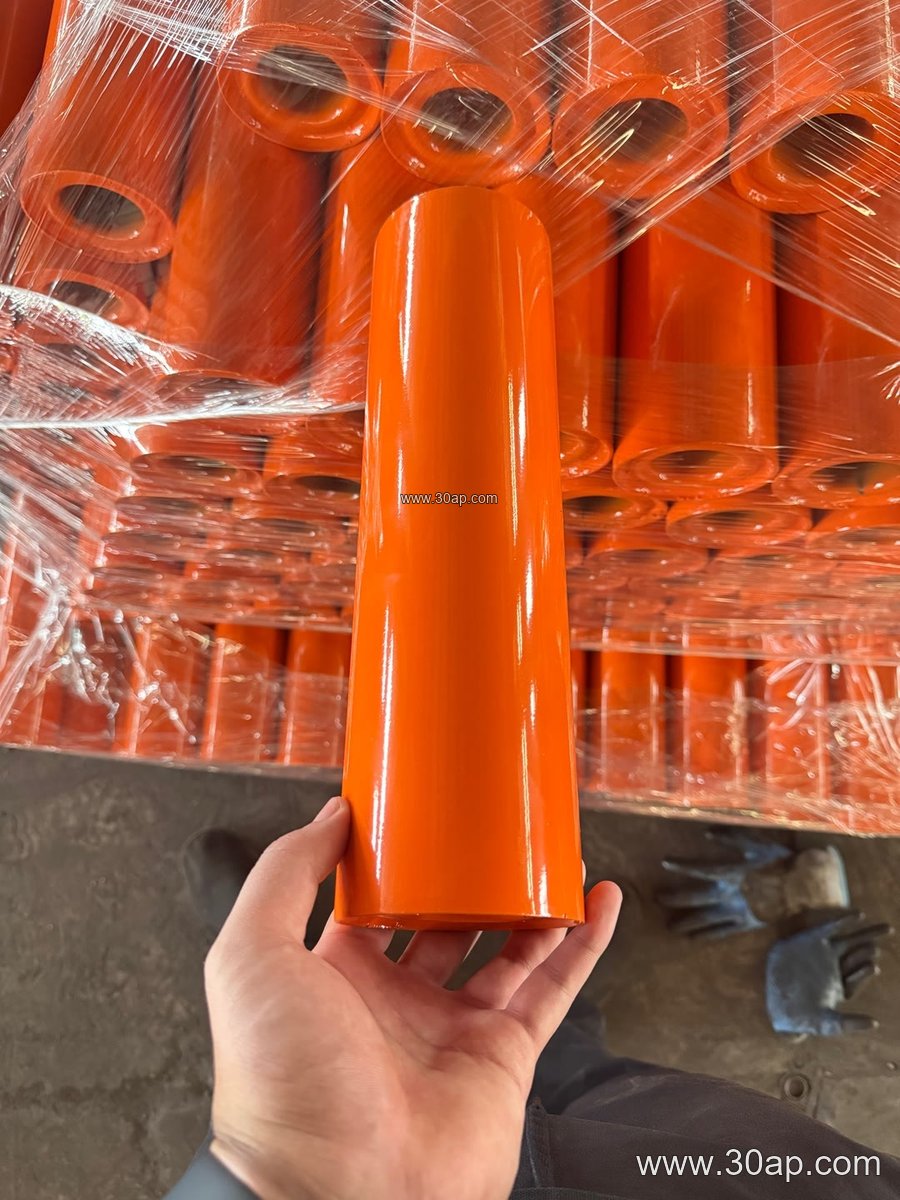
In bulk material handling, the Ø180 conveyor idler is a heavy-duty roller designed to support the conveyor belt and reduce friction along the carrying side. Also known as a 180mm diameter idler roller, it is commonly selected for wider belts and higher load capacities in industries such as mining, cement, and power generation. Unlike drive pulleys or tail pulleys that transmit power and change belt direction, the idler roller is a passive component that rotates freely under the belt, helping maintain belt shape and stability.
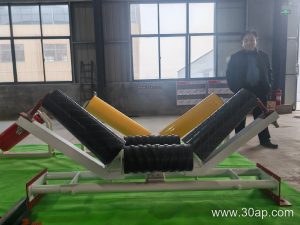
The Ø180 size sits between smaller rollers like Ø159 and larger ones such as Ø194, offering a balance between load-bearing capacity and weight. It is frequently used in three-roll troughing sets on main haulage conveyors where belt widths of 1000mm to 1800mm are typical. The idler works in concert with the conveyor belt, conveyor bracket, and frame to ensure smooth operation.
Construction and Key Components
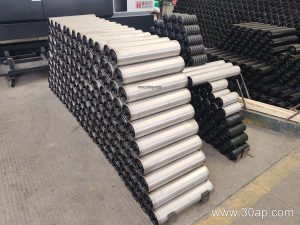
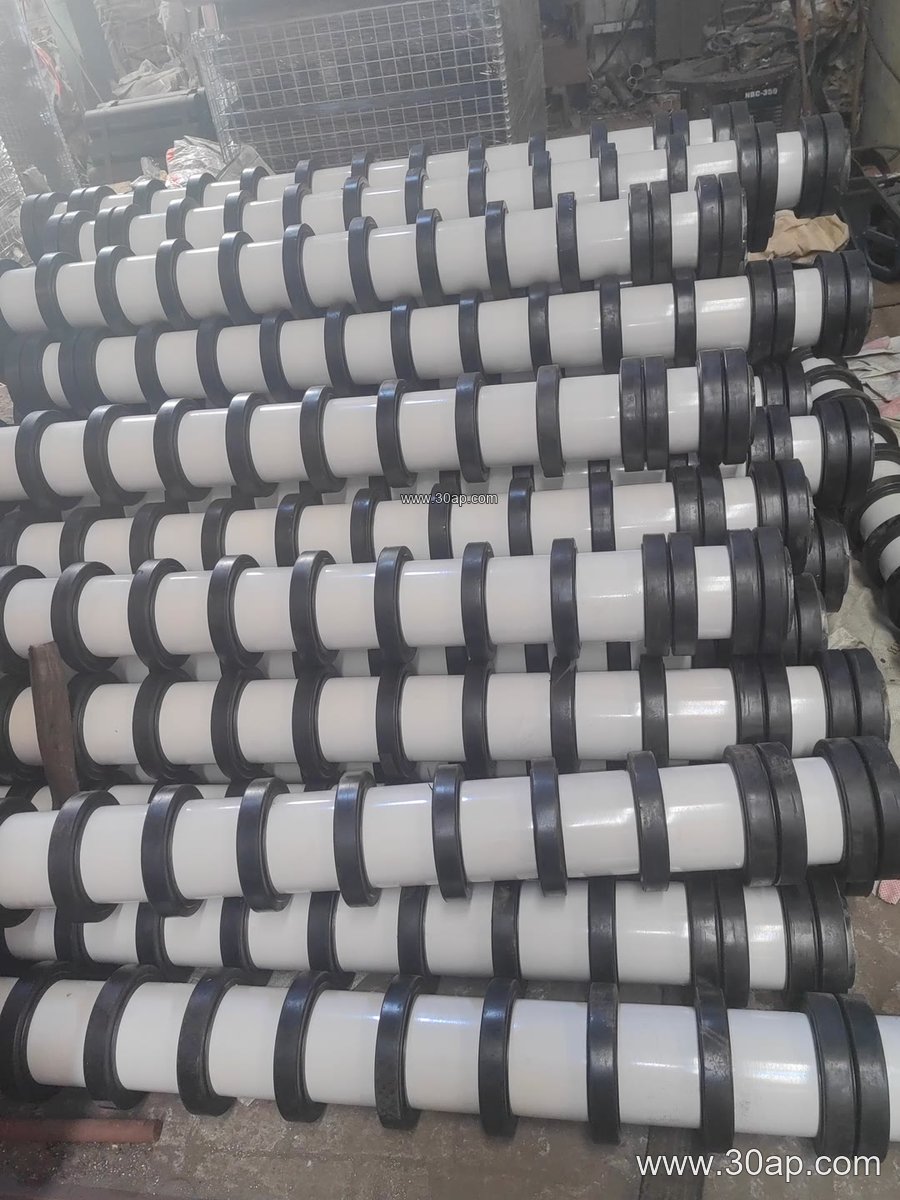
A Ø180 conveyor idler typically consists of a steel tube shell, bearing housings, seals, and a shaft. The roller surface may be plain steel, or it may feature rubber rings for impact absorption in loading zones. Bearing selection is critical; common sizes for this diameter include 6308 or 6310, depending on load and speed requirements. Seals are designed to keep out dust and moisture, which is especially important in quarry and coal mining environments.
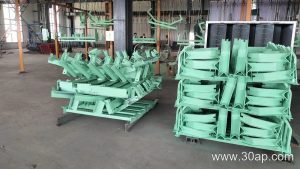
The idler is mounted on a conveyor bracket that allows for easy replacement and alignment. The shell thickness and shaft diameter are determined by the specific application—no single specification fits all. Buyers should verify load ratings and bearing type with the manufacturer.
Where Ø180 Idlers Are Used
This idler size is well-suited for demanding applications. In a limestone quarry, Ø180 troughing idlers support a 1200mm wide abrasion resistant conveyor belt carrying crushed rock. At a coal-fired power plant, they are used on the coal conveyor belt to handle high volumes of fuel. The larger diameter helps reduce belt stress and extend service life compared to smaller rollers.
Other industries include iron ore mining, where steel cord conveyor belt may be used, and cement plants handling clinker. In each case, the Ø180 idler contributes to reliable operation by maintaining proper belt sag and alignment.
Specifications and Selection Guidelines
When specifying a Ø180 conveyor idler, several parameters must be considered. The table below outlines common reference values; actual dimensions should be confirmed with the supplier.
| Parameter | Common Options / Reference |
|---|---|
| Roller Diameter | Ø180 mm |
| Belt Width (B) | B1000, B1200, B1400, B1600, B1800 |
| Troughing Angle | 20°, 30°, 35°, 45° |
| Roller Length (example, 3-roll set) | B1000: ~380 mm; B1200: ~465 mm; B1400: ~530 mm; B1600: ~600 mm; B1800: ~670 mm (side and center rolls may differ) |
| Bearing Size | 6205, 6305, 6306, 6308, 6310 (depending on load) |
| Surface Type | Steel, rubber ring, ceramic, nylon |
| Idler Type | Troughing, impact, return, training, etc. |
Selection depends on belt width, material weight, and operating conditions. For instance, a heavy-duty mining conveyor belt may require idlers with thicker shells and larger bearings. The trough angle affects material cross-section and spillage; 35° is common for general bulk handling, while 45° may be used for higher capacity. The idler length must match the belt width and troughing set configuration—there is no fixed rule that one belt width matches only one roller length.
Buyers should also consider the conveyor belt type. An EP conveyor belt or steel cord conveyor belt may demand different idler spacing and load ratings. In dusty or wet conditions, enhanced seals are advisable. Always request certified drawings and load calculations from the idler manufacturer.
Maintenance and Troubleshooting
Regular inspection of Ø180 conveyor idlers helps prevent unplanned downtime. Check for abnormal noise, vibration, or belt misalignment. Seized rollers can cause belt damage and increased power consumption. Lubrication is generally not required for sealed-for-life bearings, but in harsh environments, re-greasing may be possible. Replace any idler with a worn shell or damaged seal promptly.
Proper alignment of the conveyor bracket and frame is essential to avoid premature wear. Training idlers, such as friction self-aligning types, can be used in conjunction with standard Ø180 rollers to keep the belt centered.
Buyer’s Checklist
- Confirm the required idler type: troughing, impact, return, etc.
- Verify belt width and trough angle to determine roller length.
- Check load rating and bearing size for the application.
- Consider environmental factors: dust, moisture, temperature.
- Ensure compatibility with existing conveyor brackets and frames.
- Request test reports and warranty terms from the supplier.
For more information on conveyor idlers and related components, visit example.com/conveyor-idler. Whether you need a single Ø180 idler or a complete set for a coal mining conveyor belt, understanding these fundamentals will help you make an informed decision.