What the Ø127 Conveyor Idler Is
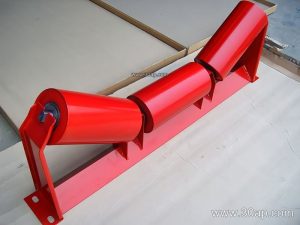
The Ø127 conveyor idler is a carrying or return roller with a nominal shell diameter of 127 mm. It sits under the belt on a frame, turning freely to support the load and keep the belt tracking. In gravel pits, coal washing plants, and cement lines, this size often appears where belt widths and tonnage call for something sturdier than a Ø102 or Ø108 roller. The same product is also called a 127 mm belt idler roller in many workshops.
How It Is Built
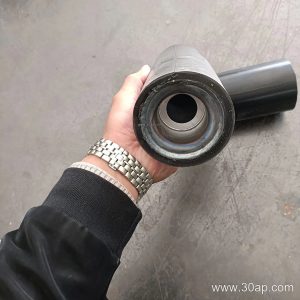
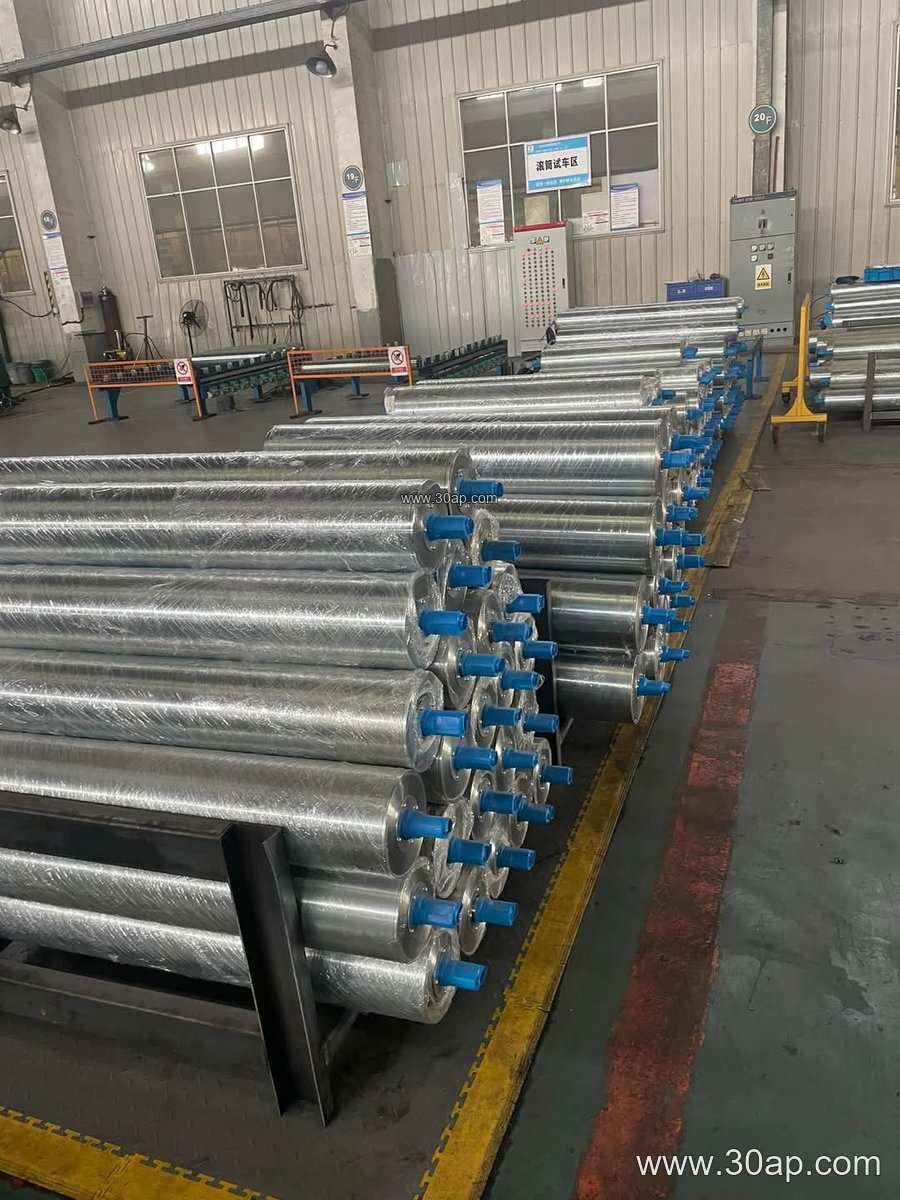
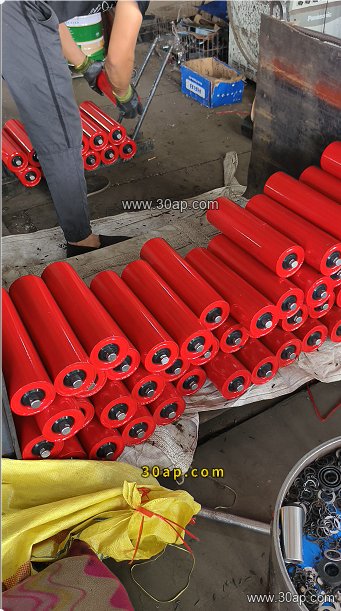
A typical unit uses a steel tube shell, pressed bearing housings, and sealed ball bearings. Common bearing sizes for this class include 6305, 6306, and 6308, though the exact fit depends on the shaft and load design. The roller ends are usually fitted with labyrinth or contact seals to keep out dust and water. Shell surfaces can be plain steel, nylon, or rubber-covered; rubber rings are common on impact sections near a crusher or transfer point.
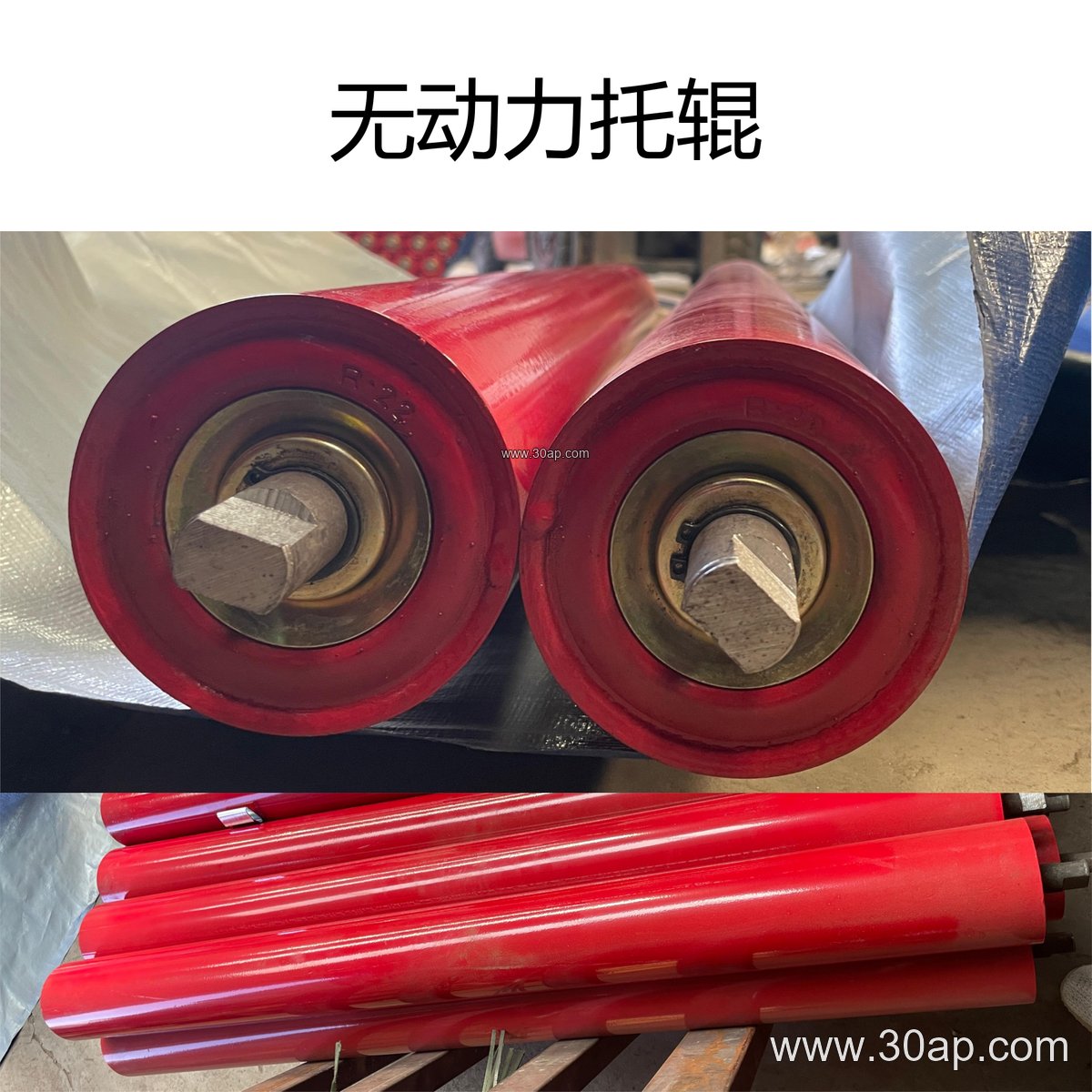
Roller length is not fixed by diameter alone. For a three-roll troughing set, a B1000 belt often uses a center roll around 380 mm long, while a B1200 belt may use roughly 465 mm. Side rolls can differ. These are common examples, not universal pairings.
Where It Fits on the Conveyor
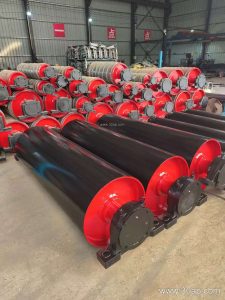
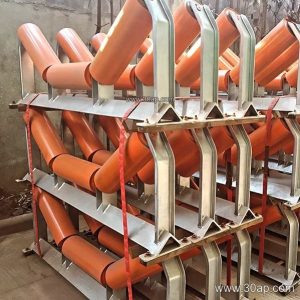
On a three-roll troughing set, three Ø127 idlers form a 20, 30, 35, or 45 degree trough that shapes the belt for bulk material. On the return side, a single flat or V-return roller of the same diameter supports the empty belt. Transition idlers and self-aligning types are also made in this size when the belt needs gentle guidance. The idler works with the conveyor belt, the conveyor pulley at the head or tail, and the conveyor bracket that holds the frame.
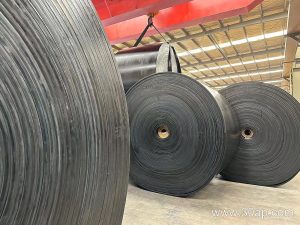
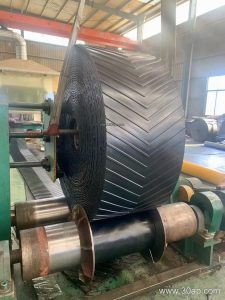
In a quarry or aggregate line, the idler may run under an abrasion resistant conveyor belt carrying crushed rock. In a coal preparation plant, a flame retardant conveyor belt is common, and the roller must cope with fine coal dust. In a power plant coal yard, heat resistant conveyor belt may be used near hot zones, while the idlers stay in the normal run. The idler itself does not replace the pulley or the drive; it only supports the belt.
Common Sizes and Reference Data
The table below gives typical reference values. They are examples for design discussion, not a supply promise.
| Item | Common reference |
|---|---|
| Nominal diameter | Ø127 mm |
| Belt width examples | B800, B1000, B1200, B1400, B1600 |
| Roll length, three-roll center | approx. 315 mm (B800), 380 mm (B1000), 465 mm (B1200), 530 mm (B1400), 600 mm (B1600) |
| Trough angle | 20°, 30°, 35°, 45° |
| Bearing examples | 6305, 6306, 6308 |
| Shell surface | steel, nylon, rubber ring |
Do not assume that one belt width must match one roller diameter. A B1200 conveyor might use Ø127 in a medium-duty line and a larger diameter in a heavy primary crusher discharge. The belt speed, load, and spacing decide.
Buyer Checklist
- Confirm the belt width and the trough angle before ordering, because roller length changes with both.
- Check the shaft diameter and bearing seat against the existing frame; do not guess from belt width alone.
- Match the seal type to the site: dusty quarry, wet wash plant, or hot clinker area.
- For impact zones, consider rubber-ring cushion idlers rather than plain steel in the same diameter.
- Ask for the roller’s rotating resistance and run-out if the belt is long and the power cost matters.
On a coal mining conveyor belt or an iron ore conveyor belt, a worn idler shows up as belt sag, noise, or a hot bearing housing. Replacing a Ø127 roller with the correct length and bearing keeps the belt tracking and protects the conveyor pulley from uneven load. For more on matching idlers with rubber conveyor belt and EP conveyor belt systems, check the site’s roller section.