What an Abrasion Resistant Conveyor Belt Is
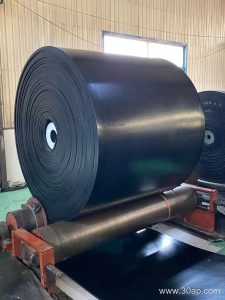
An abrasion resistant conveyor belt is a rubber conveyor belt built to withstand the scrubbing, cutting, and gouging that occur when sharp or hard materials slide across the belt surface. In quarries, mines, cement plants, power stations, and sand and gravel yards, the belt is often the component that wears first. A standard belt may fail early under crushed stone or sinter, while a belt with a tougher cover compound keeps its thickness and working life for much longer. This product is still a conveyor belt in the ordinary sense; the difference lies in the rubber compound and the way the carcass is protected.
Buyers sometimes call it a wear resistant belt, but the function is the same. It is not a replacement for a heat resistant conveyor belt or a flame retardant conveyor belt, which solve different problems. Where a site faces both wear and fire risk, such as an underground coal mining conveyor belt, the specification normally combines abrasion resistance with flame retardant properties.
How the Belt Is Built
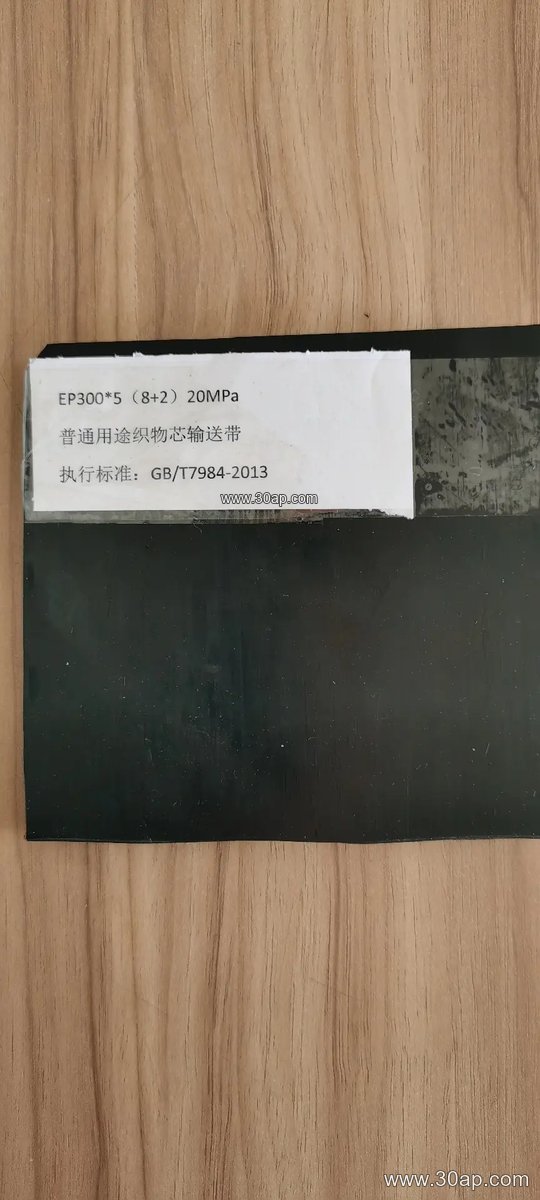
The structure follows the usual fabric or steel cord design. A fabric core conveyor belt uses multiple plies of EP or NN fabric, while a steel cord conveyor belt uses brass-coated wires for very long runs and high tension. The abrasion resistant grade is mainly achieved through the top cover compound, which usually has higher hardness and better tear strength than general-purpose rubber. Cover thickness matters as much as compound quality, because wear allowance is what keeps the carcass protected.
Common constructions include:
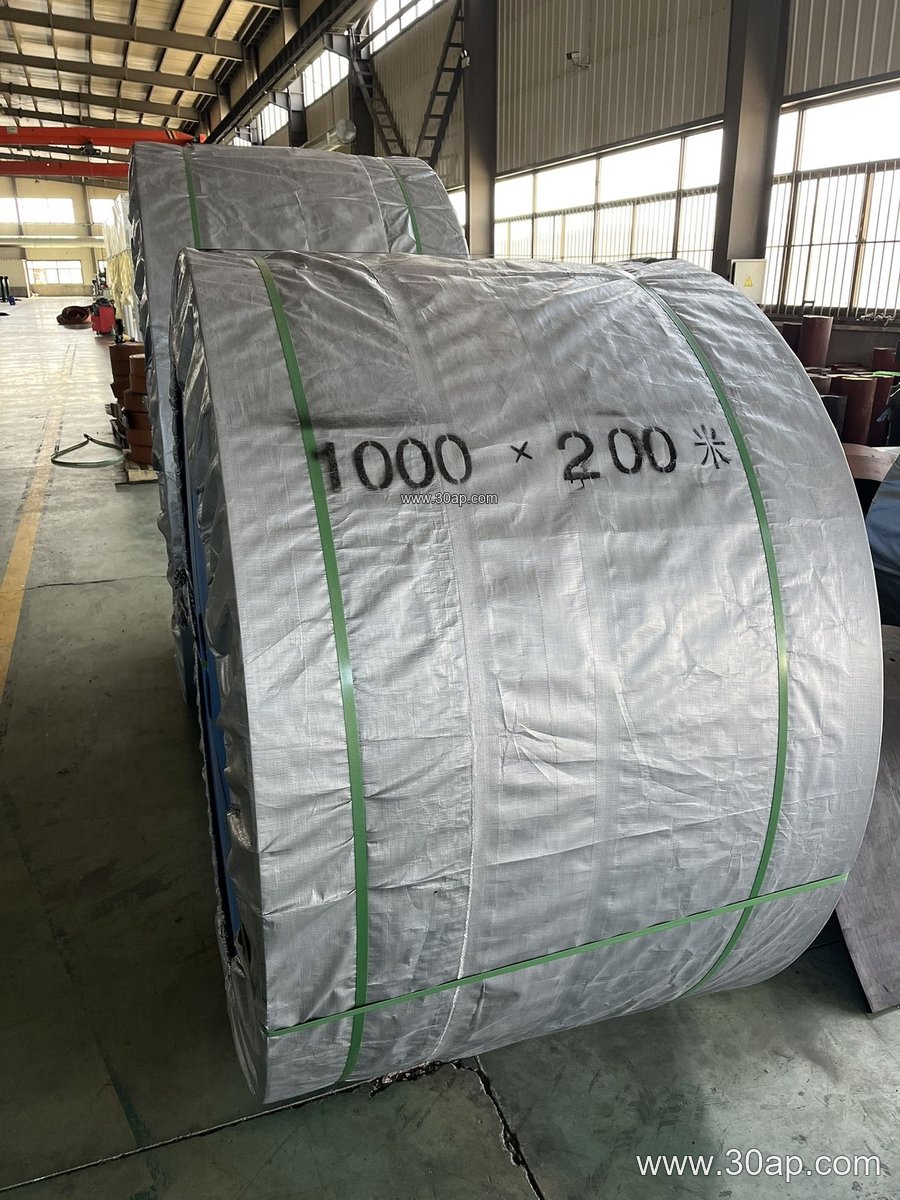
- 2 to 6 fabric plies with EP or NN carcass
- Top and bottom cover combinations such as 4+2 mm, 5+2 mm, 6+2 mm, and 8+3 mm
- Cut edge or moulded edge finishes depending on width and application
- Optional chevron patterns, sidewalls, or skirted edges for special duties
For very abrasive rock and ore, an EP conveyor belt with a thick top cover is often a practical choice. On long overland lines, a steel cord conveyor belt may be preferred because it carries higher tension with fewer splices. A multi-ply fabric core conveyor belt remains common in aggregate plants where moderate tension and easy repair are priorities.
Where It Is Used
The main working environments are those with hard, dry, and sharp bulk materials. A quarry conveyor belt handles blasted rock, a crusher conveyor belt receives material directly from the primary crusher, and an ore conveyor belt carries iron ore, copper ore, or gold ore. Cement plants use wear resistant belts on clinker and limestone lines, while power plants use them for coal and ash handling. Sand making plants and stone crushing lines also rely on this grade because the material is angular and heavy.
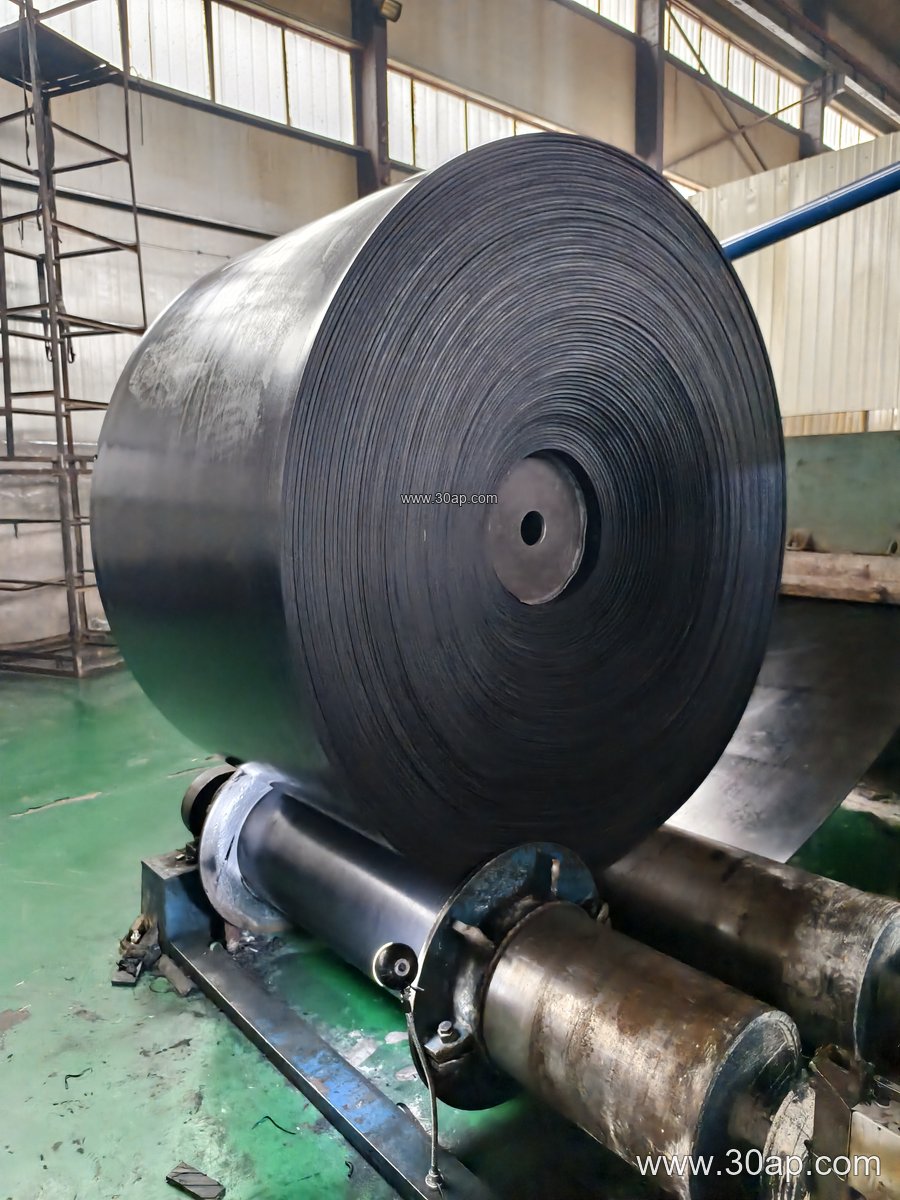
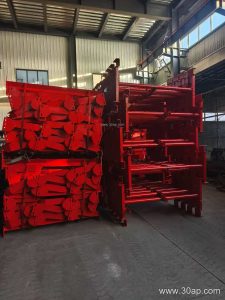
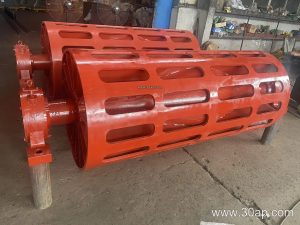
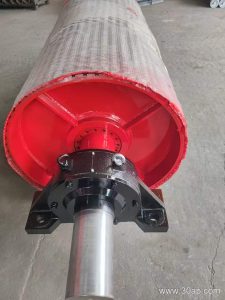
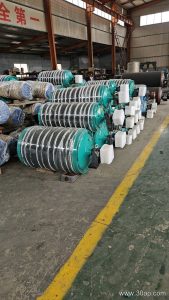
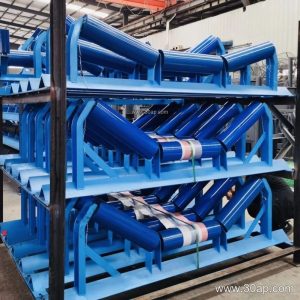
At a typical transfer point, the belt passes over idler rollers and around a conveyor pulley, and the loading zone is where wear is most severe. Impact resistant designs, thicker covers, and proper chute geometry reduce damage at these points. A conveyor bracket and frame that keep the belt aligned also help prevent edge wear, which is a frequent cause of early failure. In port and ship loading work, a heavy-duty belt with good abrasion resistance reduces downtime on continuous bulk material flows.
Specifications Buyers Should Check
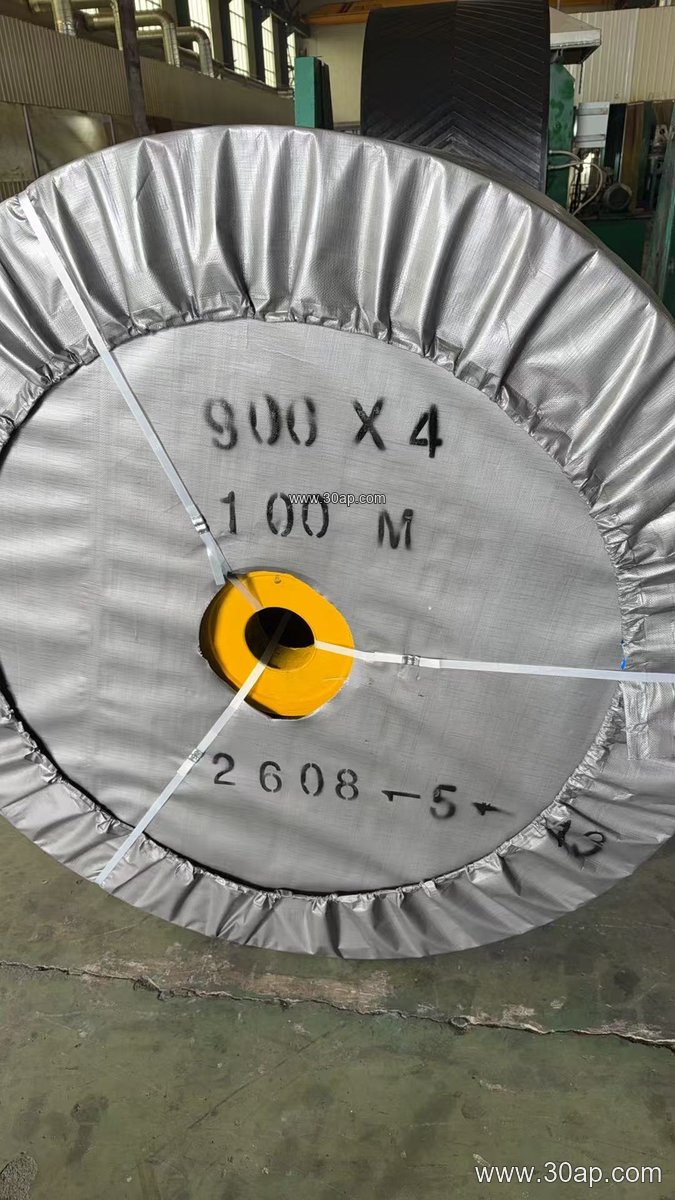
No single size fits every conveyor. Belt width, carcass strength, and cover thickness should be selected from the actual duty, material lump size, and tension calculation. The following table shows typical reference values; final values should be confirmed by the belt manufacturer and the conveyor designer.
| Parameter | Typical Reference Range |
|---|---|
| Belt width | B500, B650, B800, B1000, B1200, B1400, B1600, B1800, B2000 |
| EP carcass strength | EP200, EP315, EP400, EP500, EP630, EP800, EP1000, EP1250 |
| NN carcass strength | NN100, NN200, NN300, NN400 |
| Cover thickness | 3+1.5 mm, 4+2 mm, 5+2 mm, 6+2 mm, 8+3 mm |
| Ply count | 2 to 6 plies, sometimes more for heavy duty |
A 1200mm wide belt with EP1000 carcass and 6+2 mm covers is a common heavy-duty combination, but it is not mandatory. A smaller aggregate line may run a 650mm or 800mm belt with 4+2 mm covers, while a large iron ore terminal may need 1800mm or 2000mm width and a steel cord carcass. The belt width should never be matched to a pulley diameter by rule of thumb alone; the pulley, shaft, and bearing arrangement are separate design decisions.
Selection and Maintenance Notes
Check the material first: sharp lump size, moisture, temperature, and oil content all affect belt choice. If the load is hot, a heat resistant conveyor belt is needed rather than a purely abrasion resistant one. If oil or chemicals are present, an oil resistant or chemical resistant grade may be required. For cold climates, a cold resistant conveyor belt avoids cracking. For underground coal work, flame retardant and anti-static properties are usually mandatory.
During operation, keep the belt tracking well, maintain the idler roller and pulley alignment, and repair small cover damage before the carcass is exposed. A worn cover that still looks serviceable can hide exposed fabric, which quickly leads to a splice failure. Spare belt should be stored away from sunlight and ozone sources, and splicing should follow the belt maker’s method. For sites that need a durable, long-wearing belt, the specification should balance cover quality, carcass strength, and the actual conveyor layout rather than price alone.