What a Heavy-Load Conveyor Idler Does
A heavy-load conveyor idler is the rotating support under the belt on a high-capacity conveyor. In a quarry, a limestone mine, or a cement plant raw-material line, the belt may carry hundreds of tonnes per hour, so each idler roller has to carry a share of that load while letting the belt run freely. The heavy-load version is built for exactly this duty: thicker shells, larger shafts, stronger bearings, and tighter seals than a light-duty roller. It is not a different machine from a standard idler; it is the same component engineered for higher load, longer life, and harsher conditions.
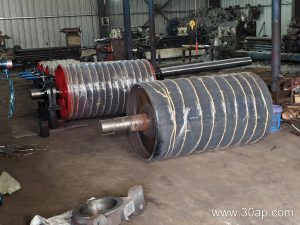
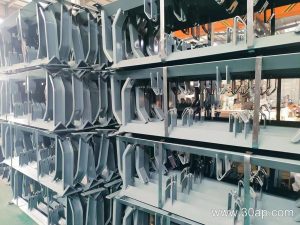
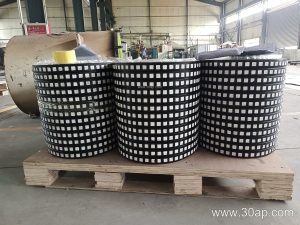
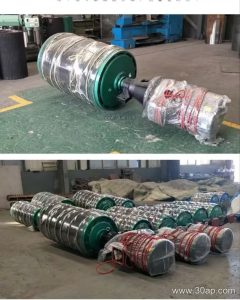
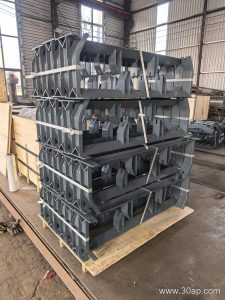
The related conveyor pulley at the head and tail drives and tensions the belt, but it does not replace the idlers that support the belt along the run. Likewise, a conveyor bracket holds the idler in place, while the idler itself does the rolling work.
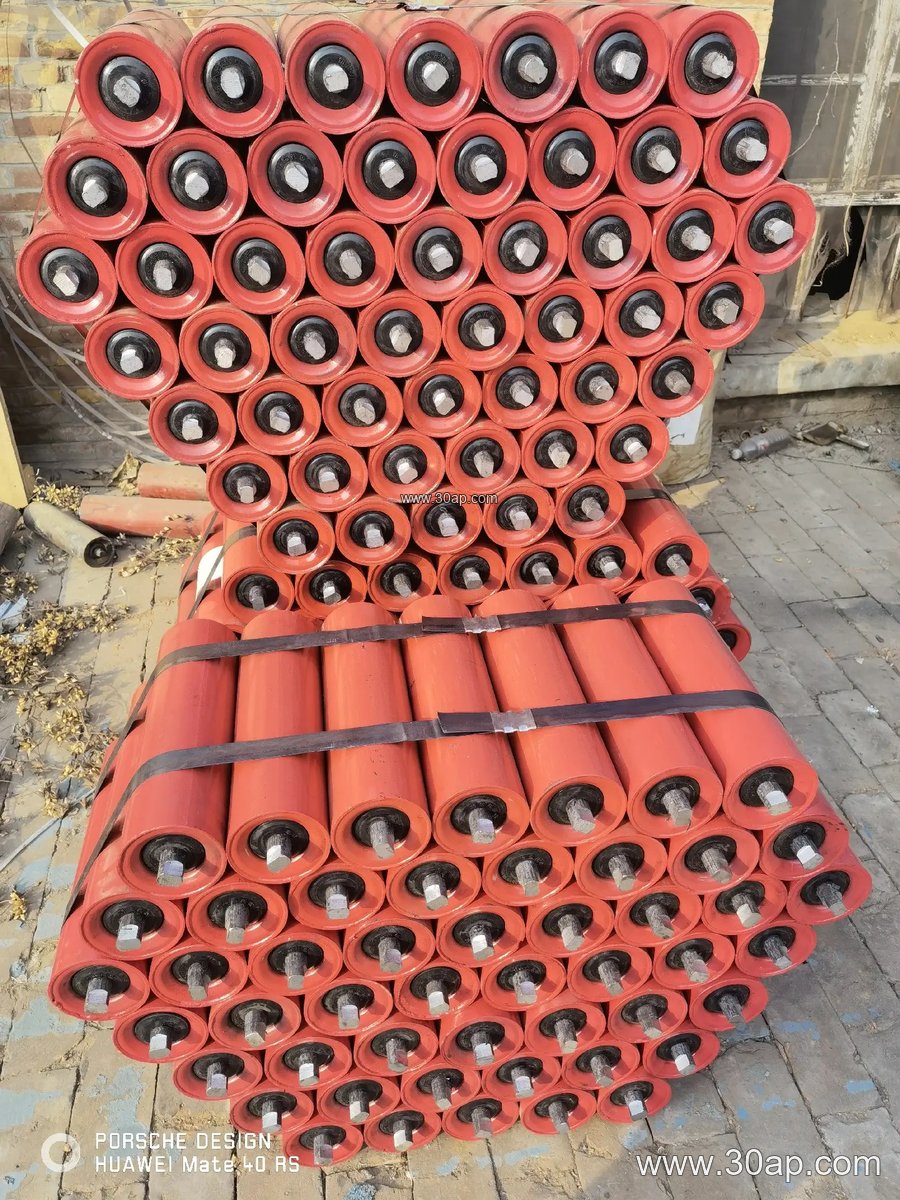
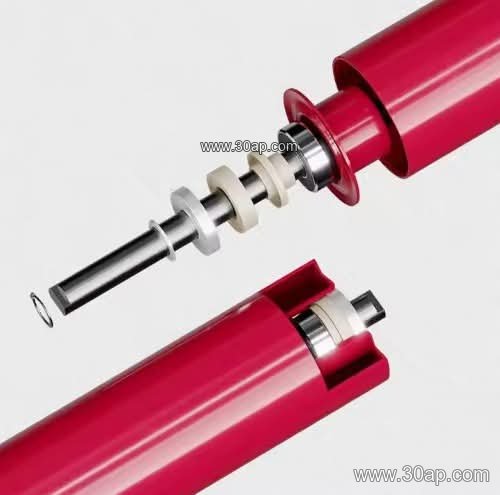
Construction Details That Matter
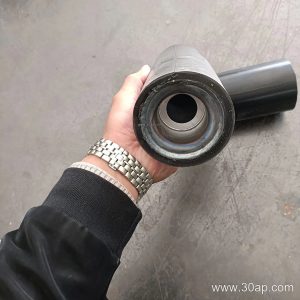
A heavy-load idler roller usually starts with a seamless steel tube shell, machined at both ends to seat the bearing housings. The shaft is ground and the bearing seats are held to close tolerance. Bearings are often deep-groove ball bearings in the 6205 to 6310 range, selected by load and speed rather than by belt width alone. Labyrinth seals, sometimes combined with a contact lip seal, keep out fine dust and water spray.
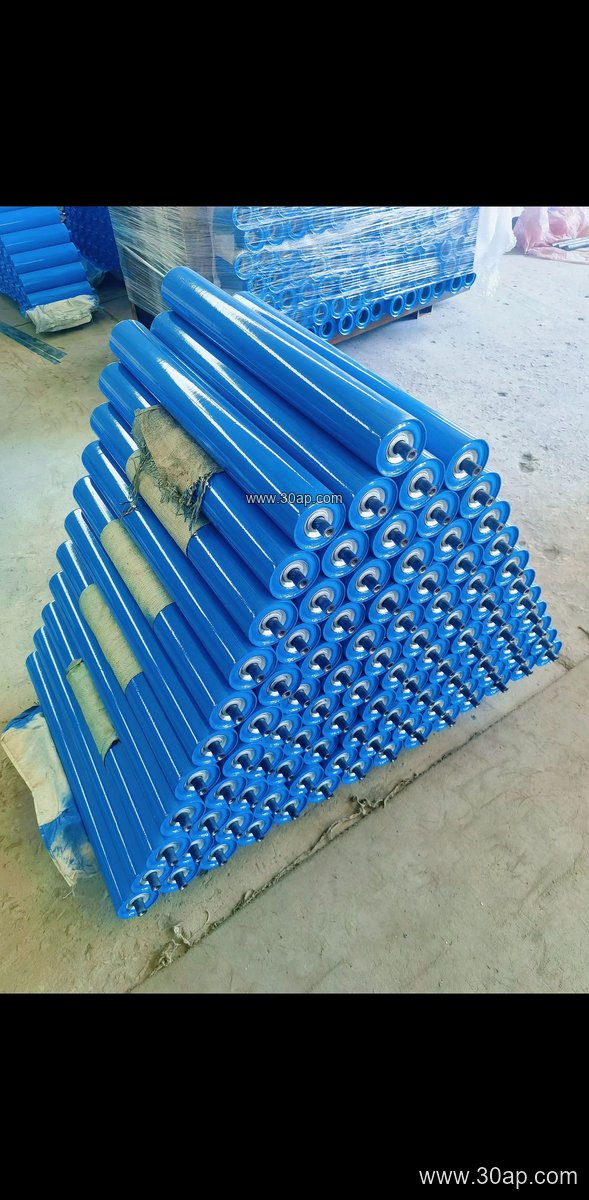
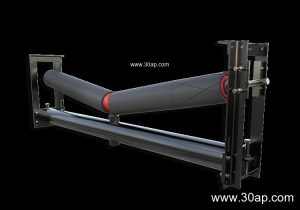
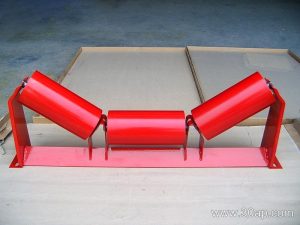
Surface form depends on the station. Troughing idlers use steel or nylon shells; impact zones may use rubber-ring buffer idlers; return runs may use flat or V-return rollers. A heavy-load troughing set is commonly a three-roll arrangement with a 20, 30, 35, or 45 degree trough angle. The idler length follows belt width, trough angle, and roll configuration. For example, a three-roll troughing set often uses about 315 mm rolls on B800, 380 mm on B1000, and 465 mm on B1200, but side rolls and center rolls can differ, so these are reference examples, not fixed matches.
| Parameter | Common Reference Range |
|---|---|
| Roller diameter | Ø89, Ø108, Ø127, Ø133, Ø159, Ø178, Ø194, Ø219 |
| Belt width | B500, B650, B800, B1000, B1200, B1400, B1600, B1800, B2000 |
| Trough angle | 20°, 30°, 35°, 45° |
| Bearing size | 6204, 6205, 6305, 6306, 6308, 6310 |
| Roll surface | Steel tube, nylon, ceramic, rubber ring |
Where Heavy-Load Idlers Are Used
The clearest fit is a primary crushing discharge or a high-tonnage overland conveyor at a quarry or iron ore mine. There the belt may be a thick, abrasion resistant conveyor belt carrying sharp rock, and the idlers take both weight and impact. In a coal preparation plant or a power plant coal yard, a flame retardant conveyor belt may run over the same style of heavy roller, with sealing chosen for coal dust. Cement plants use them under clinker and raw meal belts, while port and ship-loading conveyors use them on long runs where reliability matters more than first cost.
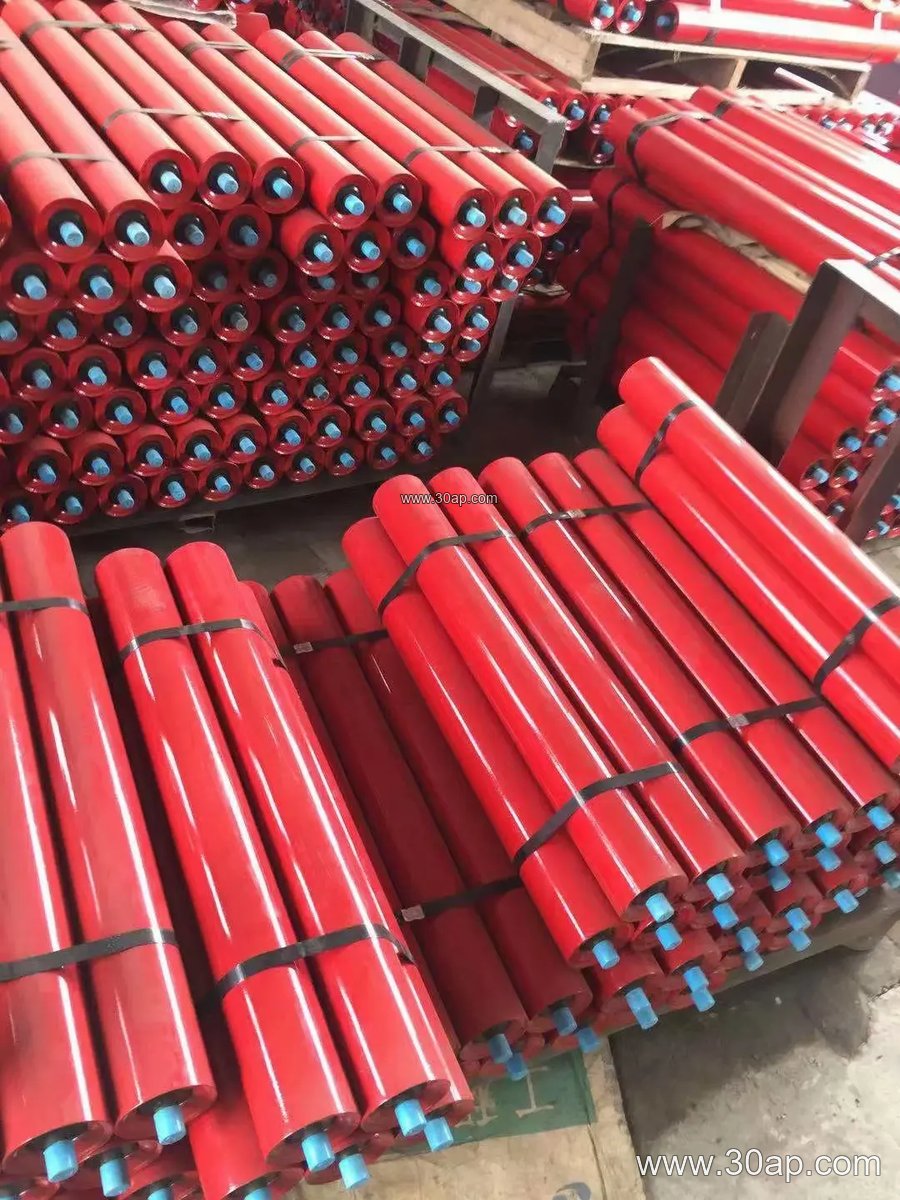
Belt construction and idler duty are linked. A steel cord conveyor belt or a high-strength EP conveyor belt can carry very high tension, and the idlers under it still need correct spacing and alignment. A pipe conveyor belt or a corrugated sidewall conveyor belt has its own support arrangement, so the idler selection follows the conveyor design rather than a single universal rule.
Buyer Checklist
- Confirm the actual load per idler, belt speed, and ambient conditions before choosing a roller diameter.
- Match bearing and seal grade to dust, moisture, and washdown rather than to belt width alone.
- Check that the shaft end fits the existing conveyor bracket and that the frame height suits the trough angle.
- For impact zones, compare a rubber-ring buffer idler with a standard troughing roll; for return runs, compare flat and V-return types.
- Ask for shell thickness, shaft material, bearing brand or grade, and seal type in writing.
Good maintenance practice is simple: check for seized rollers, worn shells, and loose brackets, and replace idlers in sets where alignment has drifted. A heavy-load conveyor idler is a long-life part only when the whole conveyor is aligned and the belt is tracked correctly.