What Is an Integral Pulley
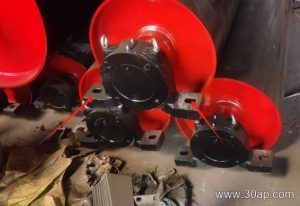
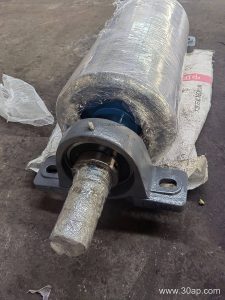
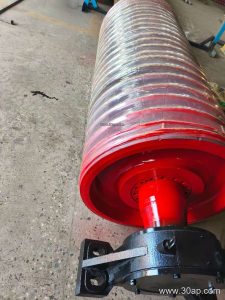
An integral pulley is a conveyor pulley manufactured as a single, solid unit rather than being assembled from separate hub and shell components. The shell, end discs, and shaft connection are constructed together to form one cohesive structure. This design eliminates potential weak points at seams and joints, resulting in a robust component that can withstand the demanding conditions found in bulk material handling operations. Often referred to as a solid conveyor pulley or one-piece pulley, this subtype is distinct from other pulley types such as drive pulleys, tail pulleys, or bend pulleys, each serving specific roles in a conveyor system.
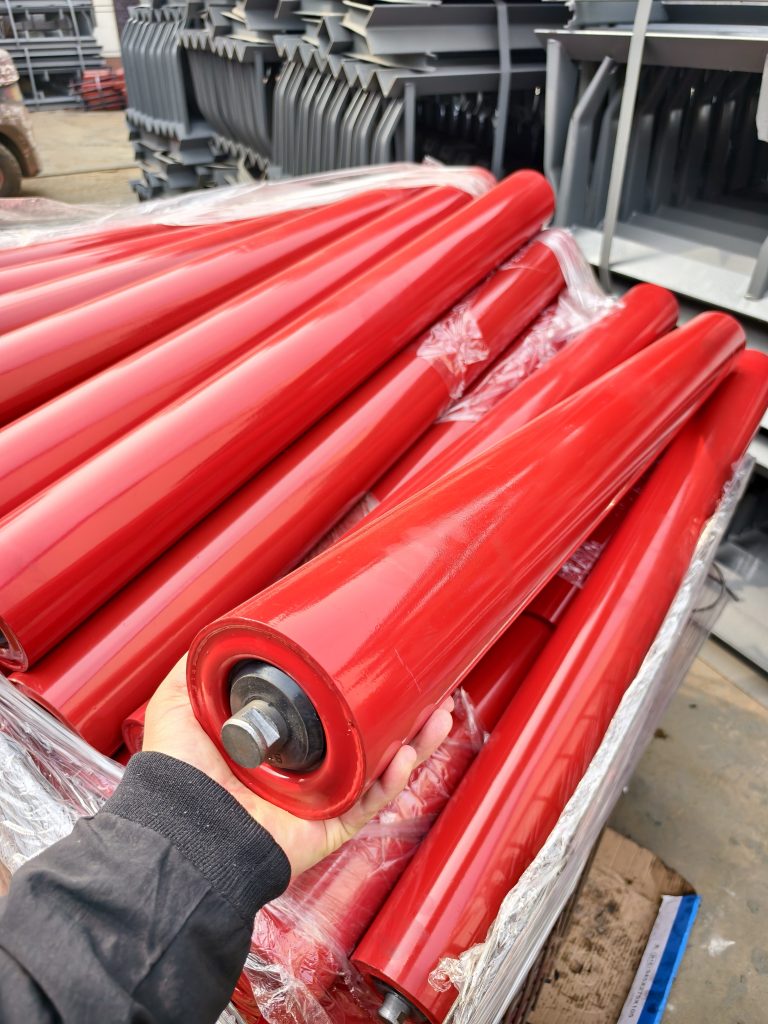
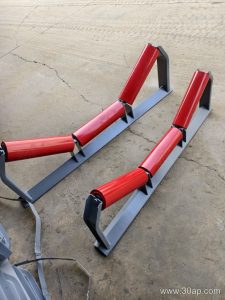
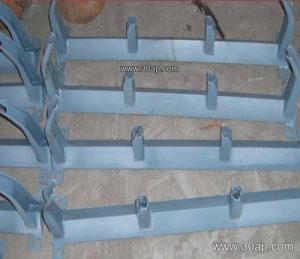
Integral pulleys are commonly used in mining, coal preparation plants, cement works, power stations, and quarrying operations where reliability and longevity are critical. Their construction helps maintain belt alignment and tension, contributing to the smooth operation of conveyor belts, idler rollers, and conveyor brackets.
Construction and Design Features
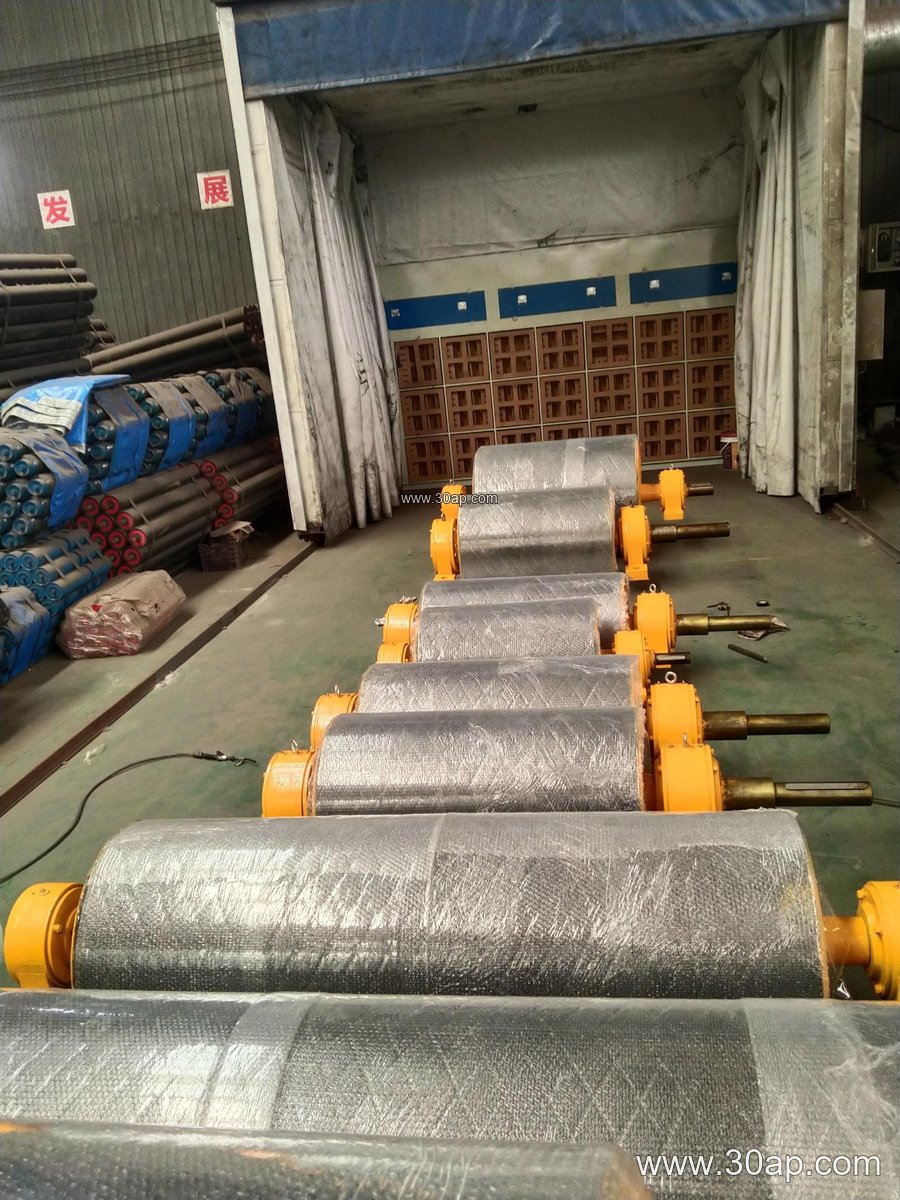
The integral pulley is typically fabricated from steel with a continuous weld between the shell and end discs, or it may be cast as a single piece for smaller sizes. The shaft is often integrated through a shrink-fit or keyed connection, ensuring torque transmission without slippage. The shell surface may be plain or covered with rubber lagging to improve grip and reduce wear. Common lagging types include cast rubber, cold-bonded rubber, hot vulcanized rubber, diamond grooved, herringbone, and ceramic lagging, with thicknesses often ranging from 8 mm to 20 mm.
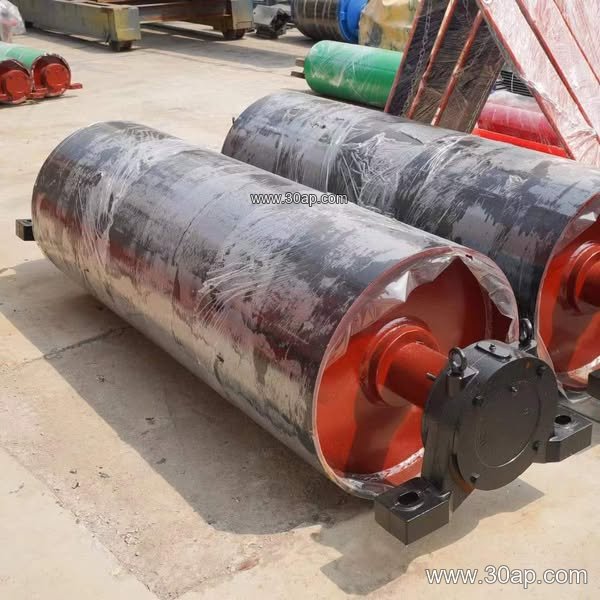
Because the pulley is one piece, it offers high resistance to fatigue and impact, making it suitable for heavy-duty applications. The design also reduces the risk of shell distortion under load, which helps maintain consistent belt contact and extend the service life of the conveyor belt.
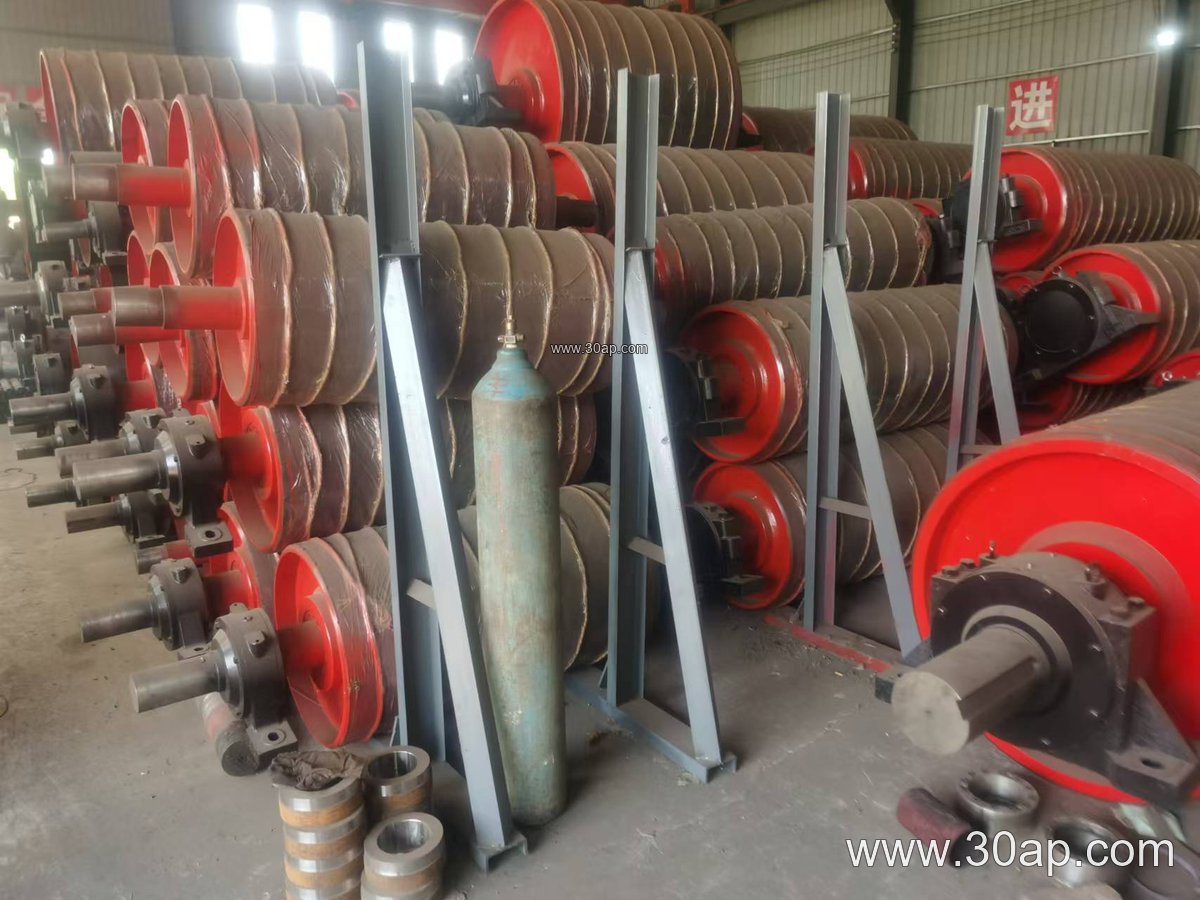
Key Parameters and Size Considerations
When selecting an integral pulley, engineers consider belt width, pulley diameter, shaft diameter, and lagging type. The pulley face width is usually slightly larger than the belt width to ensure proper support. For example, a B800 belt might use a pulley face width of about 950 mm, while a B1200 belt could correspond to a face width of approximately 1400 mm. Diameters commonly range from Ø200 mm to Ø1800 mm, depending on the required belt wrap and tension. Shaft diameters are determined by torque and load calculations, not solely by belt width, and may vary from Ø50 mm to Ø200 mm.
Below is a table of typical combinations for reference; actual sizes should be confirmed by design calculations.
| Belt Width (mm) | Pulley Face Width (mm) | Common Diameter Range (mm) | Shaft Diameter Range (mm) |
|---|---|---|---|
| B500 | 600 | Ø250–Ø500 | Ø50–Ø80 |
| B800 | 950 | Ø315–Ø630 | Ø60–Ø100 |
| B1000 | 1150 | Ø400–Ø800 | Ø80–Ø120 |
| B1200 | 1400 | Ø500–Ø1000 | Ø90–Ø140 |
| B1400 | 1600 | Ø630–Ø1250 | Ø100–Ø160 |
| B1600 | 1800 | Ø800–Ø1400 | Ø120–Ø180 |
These values are indicative and should be adapted to the specific conveyor design. The integral pulley can be supplied with various surface finishes, such as plain, rubber lagged, or ceramic lagged, to suit different material characteristics and environmental conditions.
Applications in Bulk Material Handling
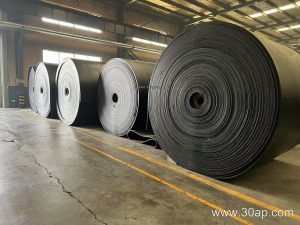
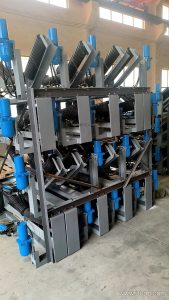
Integral pulleys are found in a wide range of industries. In coal mining, they are often used as drive or tail pulleys on underground and surface conveyors, handling abrasive coal and rock. In cement plants, they support clinker and limestone transport, where dust and high temperatures may be present. Power plants rely on them for coal feeding systems, while quarries use them in primary and secondary crushing circuits. The robust construction of the integral pulley makes it compatible with heavy-duty conveyor belts, including steel cord and multi-ply fabric types, and it pairs well with conveyor idler rollers and brackets to form a complete handling solution.
Whether moving iron ore, copper ore, aggregates, or bulk materials in port facilities, the integral pulley contributes to minimizing downtime and maintenance costs. Its one-piece nature reduces the number of spare parts and simplifies installation.
Buyer’s Checklist
- Belt width and pulley face width: Ensure the pulley face is wider than the belt to prevent edge damage.
- Diameter and shaft size: Verify that the selected diameter provides sufficient belt wrap and that the shaft diameter meets torque requirements.
- Lagging type and thickness: Choose lagging based on grip needs, material abrasiveness, and environmental factors.
- Balance and runout: Check manufacturing tolerances to avoid vibration and premature bearing failure.
- Compatibility: Confirm that the pulley interfaces correctly with the conveyor belt, idler rollers, and brackets.
For assistance in selecting the right integral pulley for your conveyor system, consult with experienced engineers who can evaluate your specific operating conditions. Visit our website for more information on conveyor pulleys and related components.