What a Take-Up Pulley Does on a Conveyor
A take-up pulley is the drum that keeps a conveyor belt under controlled tension. Mounted on a movable carriage, a weighted tower, or a screw-type frame, it takes up the slack that appears as the belt stretches in service. Without this tensioning drum, the belt would slip on the drive pulley, sag between idlers, and mistrack. In many plants the take-up pulley is also called a tension pulley or a take-up drum, and those names refer to the same component.
The take-up pulley should not be confused with a drive pulley, a tail pulley, or a bend pulley. Each has its own job: the drive pulley transmits power, the tail pulley supports the return end, and a bend pulley changes belt direction without providing tension. A take-up pulley may look similar to a bend pulley, but it is the one that moves to maintain belt tension.
How the Drum Is Built
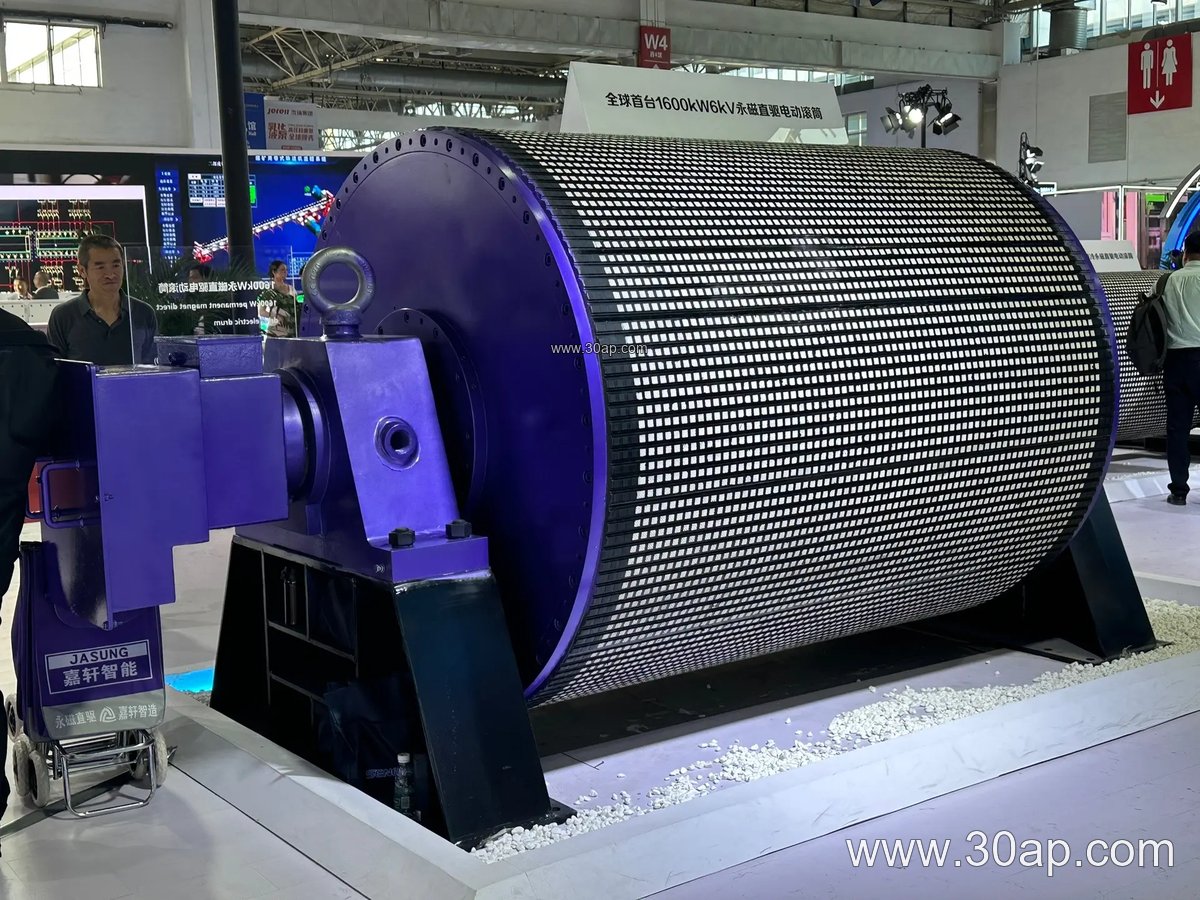
A typical tensioning drum combines a steel shell, welded end discs, a shaft, and bearing housings. The shell is machined so the belt runs true, and the surface may be plain or covered with rubber. Rubber lagging improves grip and protects the belt cover, and it is often specified as plain rubber, diamond grooved, or ceramic lagging where slip is a concern. Lagging thickness commonly falls in the 8 mm to 20 mm range, chosen according to belt speed and load.
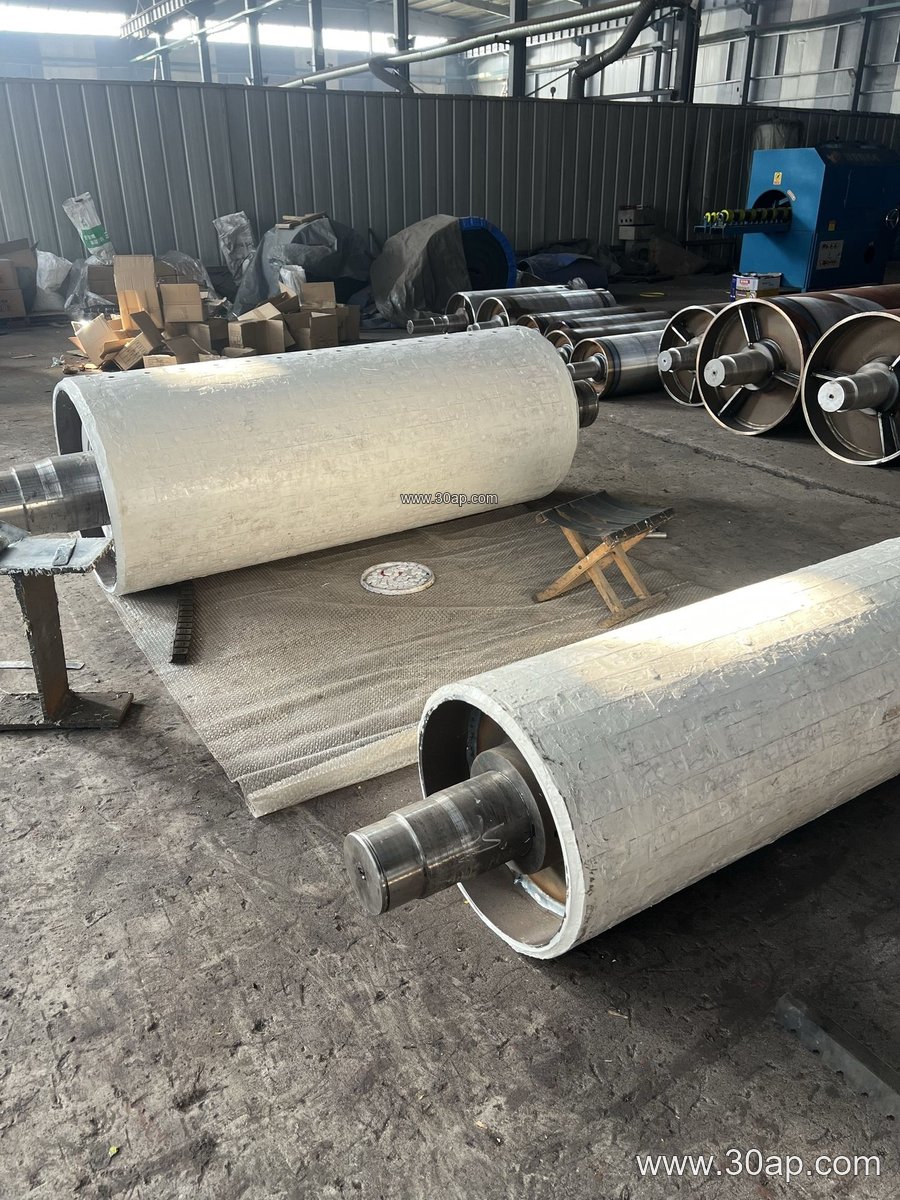
Bearing selection matters as much as the shell. Take-up pulleys often sit at the end of a long travel stroke, so the bearings must tolerate slight misalignment and repeated adjustment. Grease points should be easy to reach, because a neglected bearing on a tensioning drum can seize and damage the belt edge.
Sizing the Shell to the Belt
Face width usually exceeds belt width so the belt is fully supported. Common reference values are shown below; these are typical starting points, not fixed rules.
| Belt width | Typical pulley face width |
|---|---|
| B650 | about 750 mm |
| B800 | about 950 mm |
| B1000 | about 1150 mm |
| B1200 | about 1400 mm |
| B1400 | about 1600 mm |
| B1600 | about 1800 mm |
Diameter and shaft size depend on belt tension, wrap angle, and torque, not on belt width alone. A B800 conveyor might use a Ø500 drum in a light duty line or a larger shell in a heavy one. Shaft diameters commonly range from Ø50 to Ø200, and the final value should come from the conveyor designer. Combinations such as B1200 × Ø1000 or B1400 × Ø800 are common, but no single pairing is mandatory.
Where It Fits in Real Plants
In a quarry or aggregate line, a take-up pulley at the tail end keeps a long overland belt tight as the stone load varies. In a coal handling system or power plant coal yard, the tensioning drum works with a flame retardant conveyor belt and must be inspected for rubber wear. Cement plants handling clinker often pair a heat resistant conveyor belt with a well-lagged tension drum, while a port bulk terminal may run a steel cord conveyor belt where tension requirements are high.
The tensioning drum also cooperates with the rest of the conveyor. A sagging belt puts extra strain on every conveyor pulley and idler roller, so correct take-up travel protects the whole line. On a coal mining conveyor belt system, the take-up frame is often positioned where maintenance crews can reach it without stopping the entire haulage route.
Buyer Checklist
- Confirm belt width, belt type, and expected tension before choosing shell diameter.
- State the travel distance needed for take-up, including room for belt elongation.
- Choose lagging to suit the material: plain for light duty, grooved or ceramic where slip and wear are issues.
- Check shaft and bearing ratings against the actual load, not against belt width alone.
- Plan access for greasing and for replacing the drum without major dismantling.
For a complete conveyor package, buyers often source the take-up pulley together with the conveyor bracket, belt, and rollers from one supplier so dimensions and tolerances match. Visit js-transmission.com take-up pulley for product details, and compare the drum specification with the conveyor layout before ordering. A tensioning drum that is correctly sized and maintained will keep the belt running straight for years.