What the Impact Idler Bracket Does
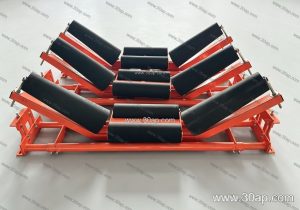
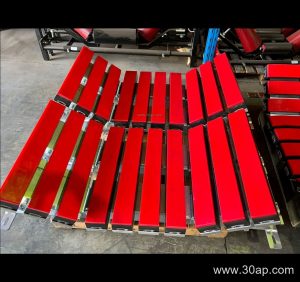
The impact idler bracket is the support frame that holds impact idlers directly beneath the loading point of a conveyor belt. In quarry, iron ore, and crushing circuits, material drops from chutes with significant force, and this bracket absorbs and transfers that shock into the conveyor structure. Unlike a standard troughing bracket, it is positioned where the belt receives its heaviest burden, so its design must handle repeated impact without loosening or deforming.
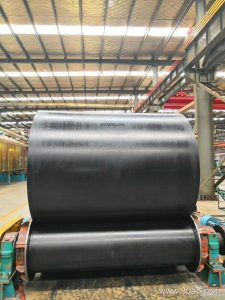
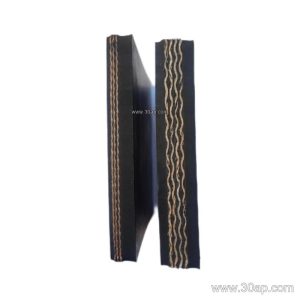
At sites such as limestone mines and aggregate plants, the bracket works with a rubber conveyor belt or an EP conveyor belt to keep the belt line stable during loading. The bracket itself is a welded or bolted assembly, usually made from angle steel, channel steel, or folded steel plate, and it is fixed to the conveyor stringer or cross beam.
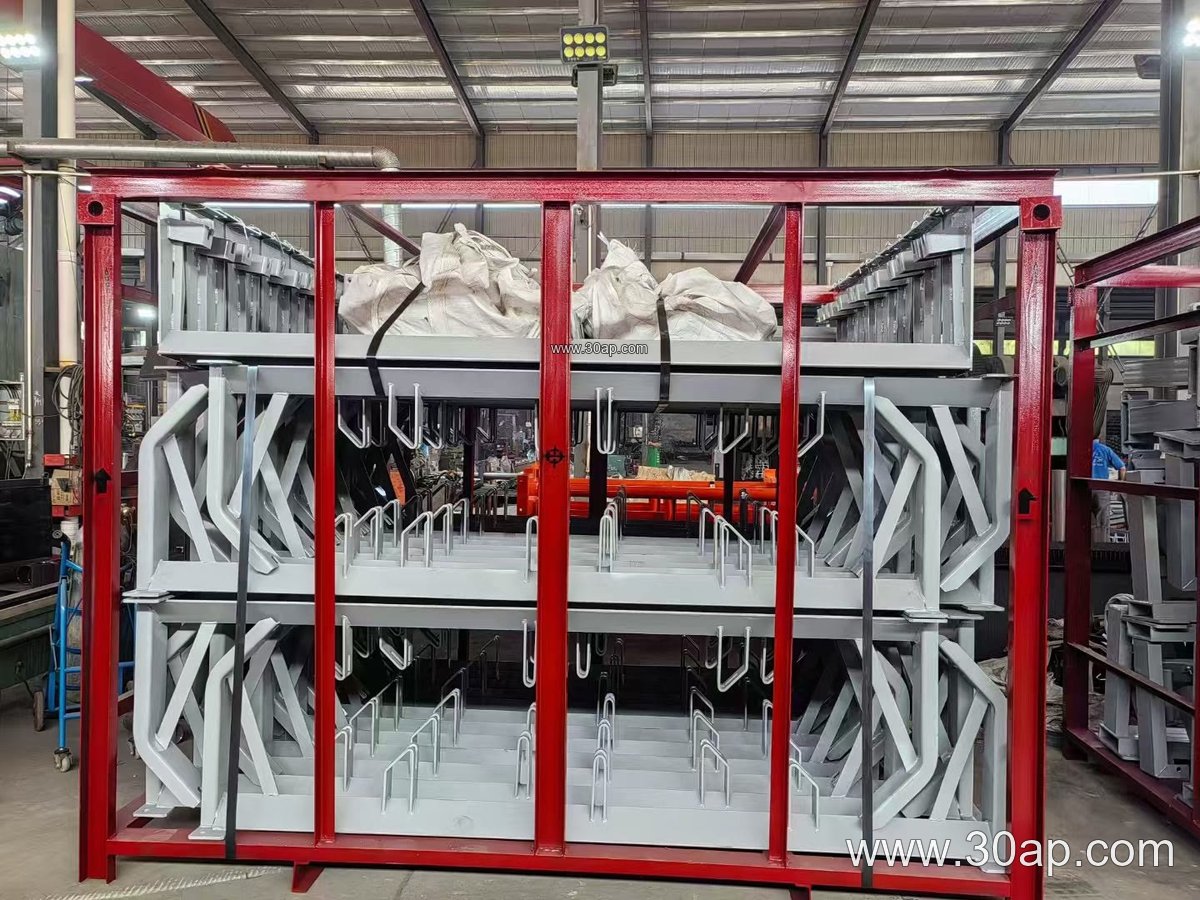
Construction and Mounting Details
Most impact idler brackets are built as a rigid frame with mounting slots or holes that match the idler shaft ends. The bracket may be a single-piece weldment or a two-part assembly with adjustable arms. Common materials include angle steel and channel steel for general duty, while heavier designs use folded steel plate for extra stiffness. The bracket is installed on the carrying side of the conveyor, just downstream of the feed chute, and is often paired with impact idlers that have rubber rings or cushioning rollers.
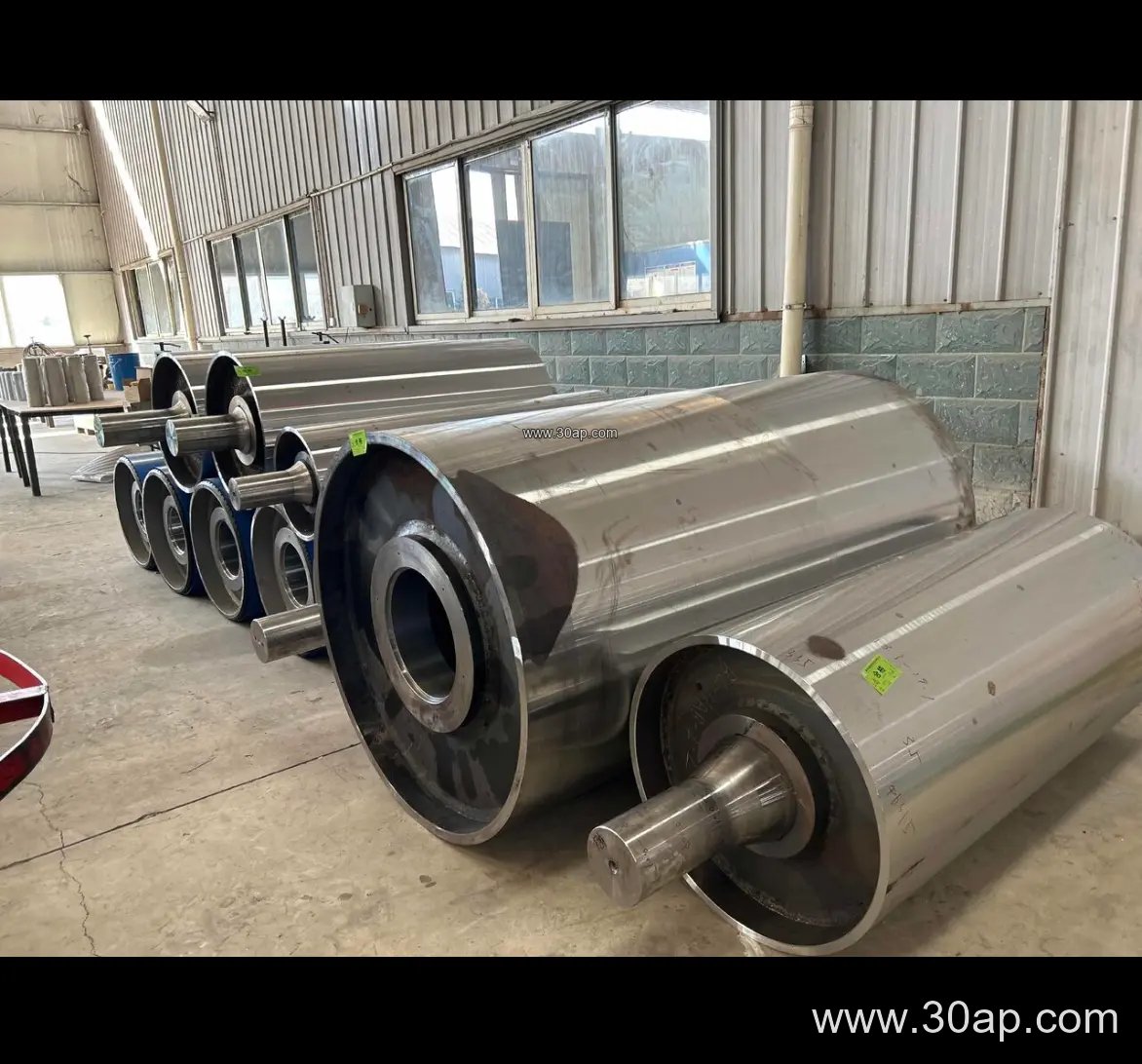
Mounting hole spacing and cross beam length are not fixed; they vary with belt width, trough angle, and the conveyor manufacturer’s design. For reference, brackets are commonly produced for belt widths from B500 to B2200, and the trough angle may be 20, 30, 35, or 45 degrees. Roller diameters such as Ø89, Ø108, Ø133, Ø159, and Ø194 are typical in these assemblies. As an example, a B800 bracket at 35 degrees might be used with Ø108 impact rollers, while a B1200 unit at 45 degrees could use Ø133 rollers; these are common pairings, not mandatory rules.
Where It Fits in Bulk Handling
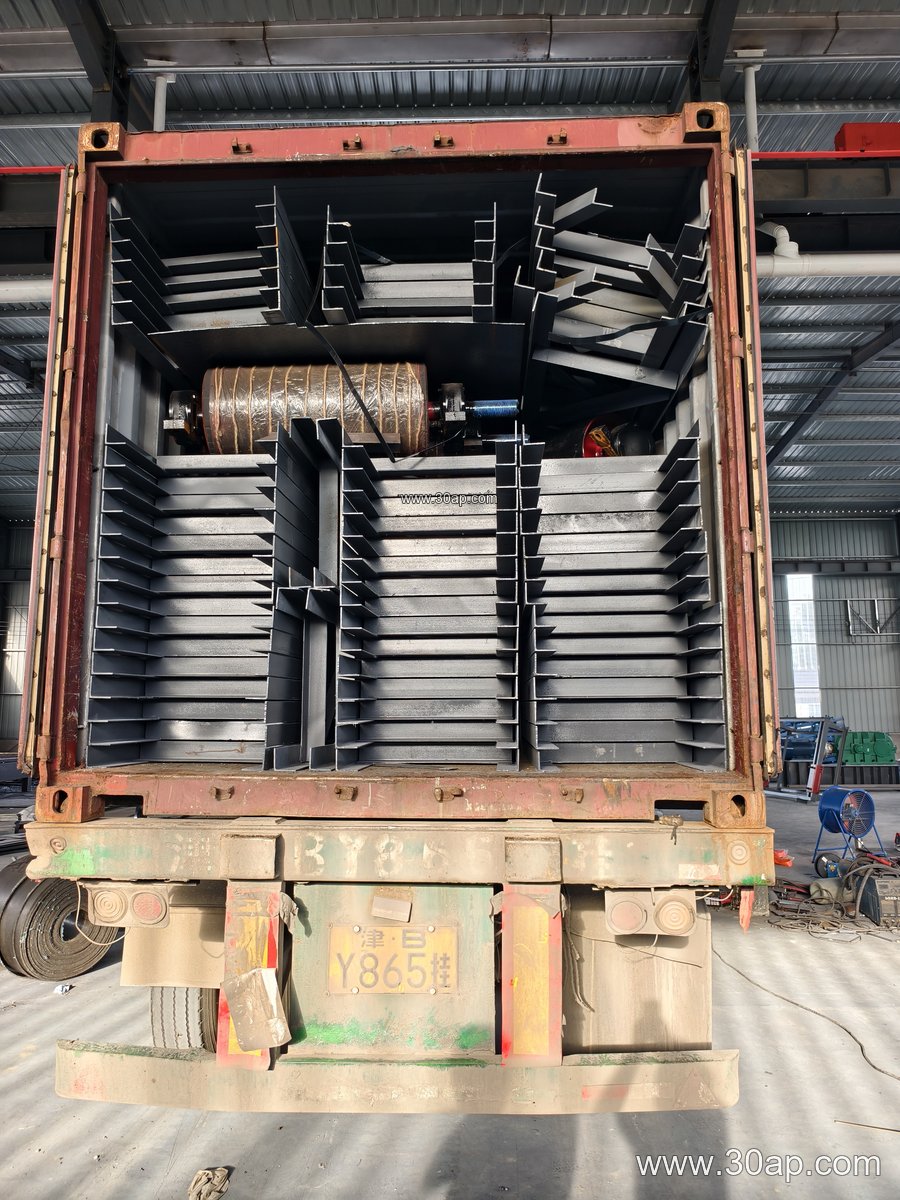
Impact idler brackets are used in coal mining conveyor systems, cement plant raw material lines, power plant coal handling, and port loading facilities. In a coal mining conveyor belt installation, the bracket supports the belt at the transfer point where coal drops from the crusher or screen. In a cement plant, it protects the belt from clinker and limestone impact. The bracket also appears in sand and gravel operations, where heavy rock conveyor belts receive abrasive material.
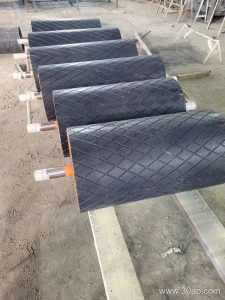
The bracket is not a substitute for a conveyor pulley or a drive pulley; it is a carrying-side support component. It works alongside the conveyor belt, idler roller, and conveyor bracket system to maintain belt shape and reduce spillage. In high-impact zones, a well-chosen bracket can extend belt life and reduce downtime caused by belt edge damage or roller failure.
Selection and Maintenance Notes
Buyers should match the bracket to the belt width, trough angle, and roller diameter used on the conveyor. The bracket must fit the existing stringer spacing and mounting hole pattern. For adjustable brackets, the trough angle can be set between common values such as 20 and 45 degrees, which helps when the belt needs fine tuning at the load point.
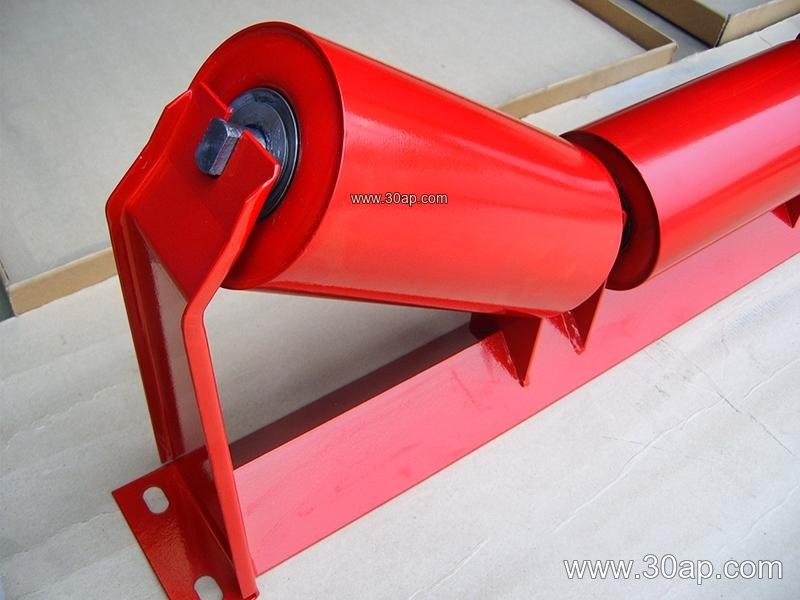
Maintenance checks should include bolt tightness, weld condition, and any sign of bending or fatigue. Because the bracket sits in a high-impact area, loose bolts can cause the idler to shift and the belt to mistrack. Inspecting the bracket during scheduled idler roller replacement is a practical habit.
For conveyors handling abrasive or heavy material, the impact idler bracket is a small but critical part of the belt support system. Selecting the right frame material and mounting style for the application helps keep the conveyor belt running smoothly in demanding bulk material handling environments.