What a 2000mm Conveyor Belt Is
A 2000mm conveyor belt is a wide belt format with a nominal width of two meters, built for conveying systems that need to move large volumes of bulk material in a single pass. In practice it is usually described as a 2000mm wide conveyor belt or a two-meter belt, and it belongs to the extra-wide category of heavy-duty belts used in mines, coal preparation plants, cement works, power stations, ports and large aggregate yards. Width alone does not define the belt: the carcass, cover grade and edge construction matter just as much, because a 2000mm conveyor belt carries more load per metre and therefore places higher demands on splices, pulleys and the supporting frame.
Construction and Common Configurations
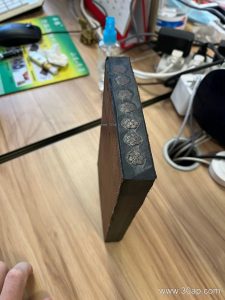
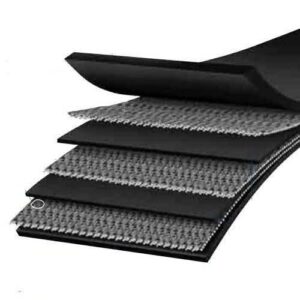
Most belts at this width are fabric-cored or steel-cord reinforced. Fabric Core Conveyor Belt constructions are common in quarry and aggregate duty, while Steel Cord Conveyor Belt designs suit long centre distances and high tension in mining and port systems. Buyers often specify an EP Conveyor Belt carcass, since EP fabric offers low stretch and good fatigue resistance, or an NN Conveyor Belt where nylon is preferred. Cover compounds are selected for the duty: Abrasion Resistant Conveyor Belt grades for crushed rock, Heat Resistant Conveyor Belt grades for clinker and sinter, Flame Retardant Conveyor Belt grades for coal handling, and Oil Resistant Conveyor Belt grades where lubricants or oily feedstock are present.
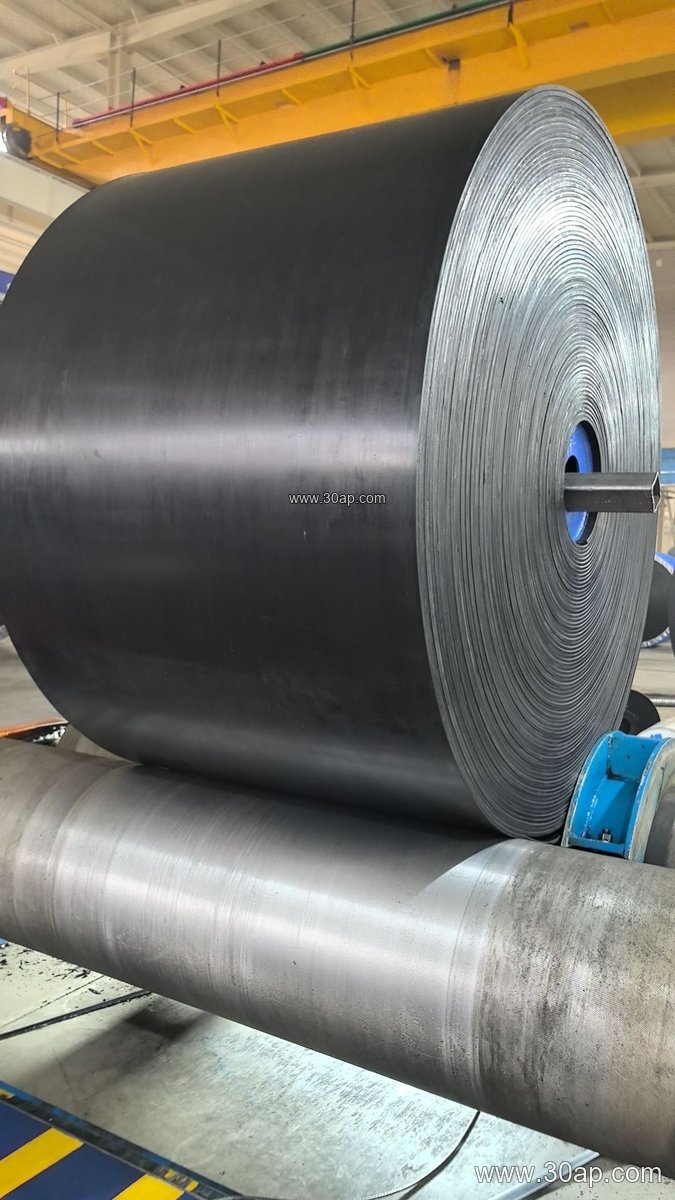
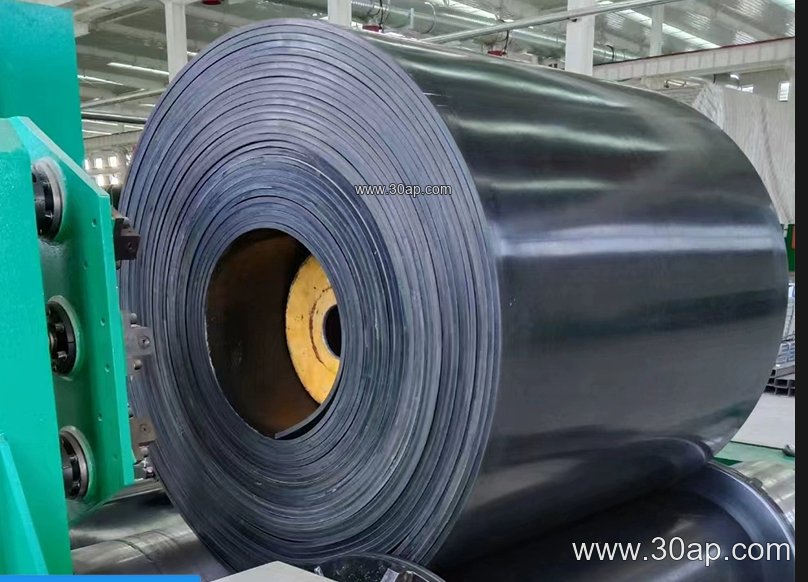
Typical reference values for wide belting are shown below. These are common ranges, not fixed supply promises, and each project should be confirmed by design.
Reference Data
| Property | Typical reference values |
|---|---|
| Carcass type | EP fabric, NN fabric, steel cord |
| Strength grade | EP200 to EP2000; ST1000 to ST3150 for steel cord |
| Nominal width | B2000 (2000mm) |
| Cover thickness | 4+2, 5+2, 6+2, 8+3 mm |
| Fabric plies | 2 to 6 |
| Surface options | Plain, Chevron Conveyor Belt, Corrugated Sidewall Conveyor Belt, Skirted Conveyor Belt |
Where the Format Fits
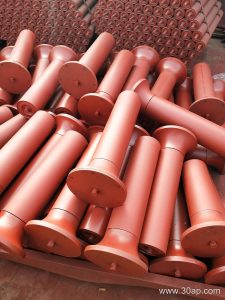
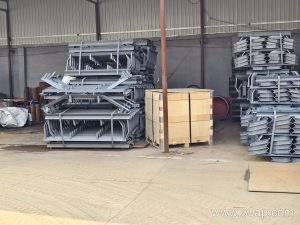
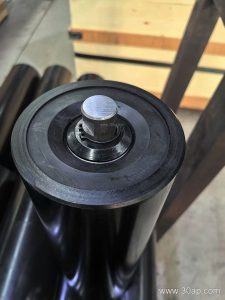
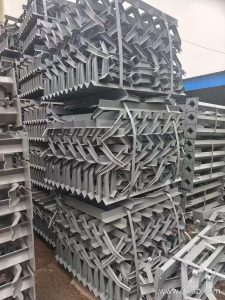
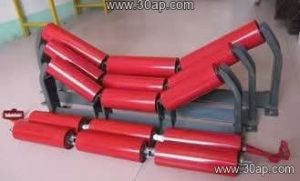
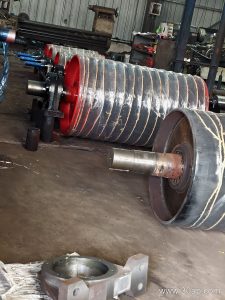
Two-metre belts appear in primary crushing circuits, overland conveyors, ship loading lines and stockyard systems. A 2000mm conveyor belt is often chosen where a narrower belt would require very high speed or multiple parallel lines. In a coal mining conveyor system, a flame retardant and anti-static construction is usually required, while a cement plant tends to favour heat resistant covers on clinker lines and abrasion resistant covers on limestone and raw meal routes. In sand and gravel plants, a 2000mm conveyor belt may feed screening stations or transfer points, and the belt is supported by idler rollers, conveyor pulleys and a rigid conveyor bracket frame.
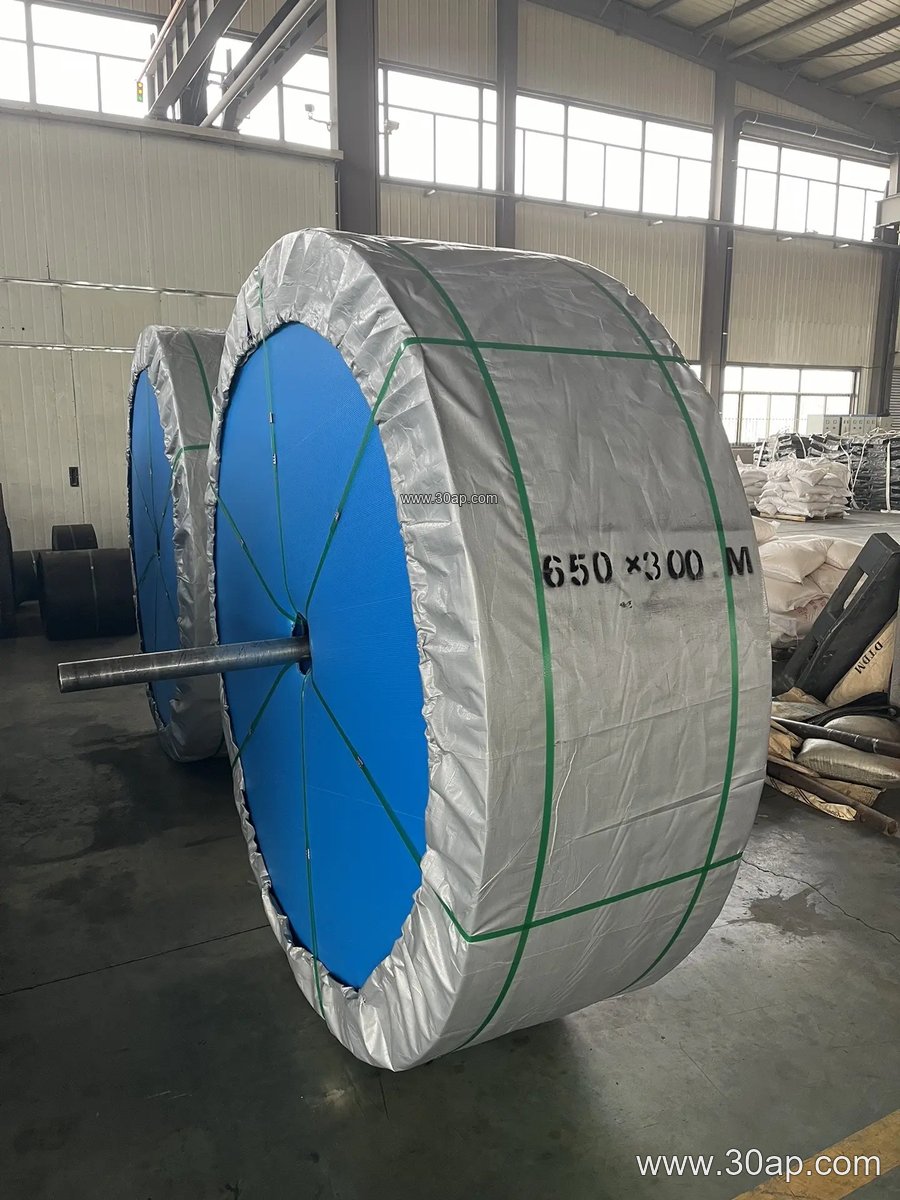
Very wide belts are also used with a Pipe Conveyor Belt only where the pipe diameter supports the folded belt; that is a different conveying concept and not a substitute for an open 2000mm conveyor belt. Likewise, an Endless Conveyor Belt can be supplied at wide formats for specific short-run machines, but spliced belts remain the normal choice for long overland routes.
Selection and Application Notes
- Match the strength grade to the calculated tension, not to the width alone; a 2000mm belt can be built with several carcass classes.
- Confirm pulley diameters with the belt manufacturer. A wide belt does not imply one fixed pulley size, and drive pulleys, tail pulleys and bend pulleys are separate components with separate duties.
- Check the transition distance and the trough angle with the idler roller layout, since a wide belt needs generous transition zones to avoid edge stress.
- Specify cover grade for the actual material: High Abrasion Resistant Conveyor Belt for sharp rock, Mining Flame Retardant Conveyor Belt for underground coal, and Cold Resistant Conveyor Belt for winter operation in northern yards.
- Plan the splice carefully. A wide belt splice needs proper equipment and trained crews; step splicing is common on fabric cores, while steel cord belts usually require vulcanised splices.
- Consider belt cleaning and spillage control at transfer points, because a 2000mm conveyor belt handles large tonnages and edge damage quickly becomes costly.
Buyer Checklist
Before ordering, provide the material type, lump size, throughput, centre distance, incline, trough angle, pulley diameters, ambient temperature and any fire or oil exposure. Ask for the carcass construction, cover grade, cover thickness, splice method and edge condition in writing. A reputable supplier will confirm the belt grade against the duty rather than quote a single default specification. For systems in mining, cement, power and port industries, a 2000mm conveyor belt should be treated as an engineered component within the whole conveyor, working together with idler rollers, pulleys and brackets, and reviewed as a system rather than as a standalone item.