What a Mining Belt Conveyor Idler Does
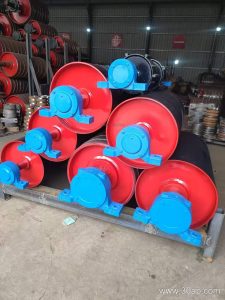
A mining belt conveyor idler is the rotating support that carries the conveyor belt along its route. In a quarry, limestone mine, or iron ore operation, these rollers keep the belt aligned and reduce friction between the belt and the frame. The idler roller is not a drive component; it supports the belt and the material load. Drive, tail, and bend pulleys are separate parts that transmit power or change belt direction and are not interchangeable with idlers.
Because the belt carries heavy, abrasive material, the idler must tolerate dust, impact, and continuous motion. A well-matched idler extends the life of the conveyor belt and reduces downtime on the whole conveyor system.
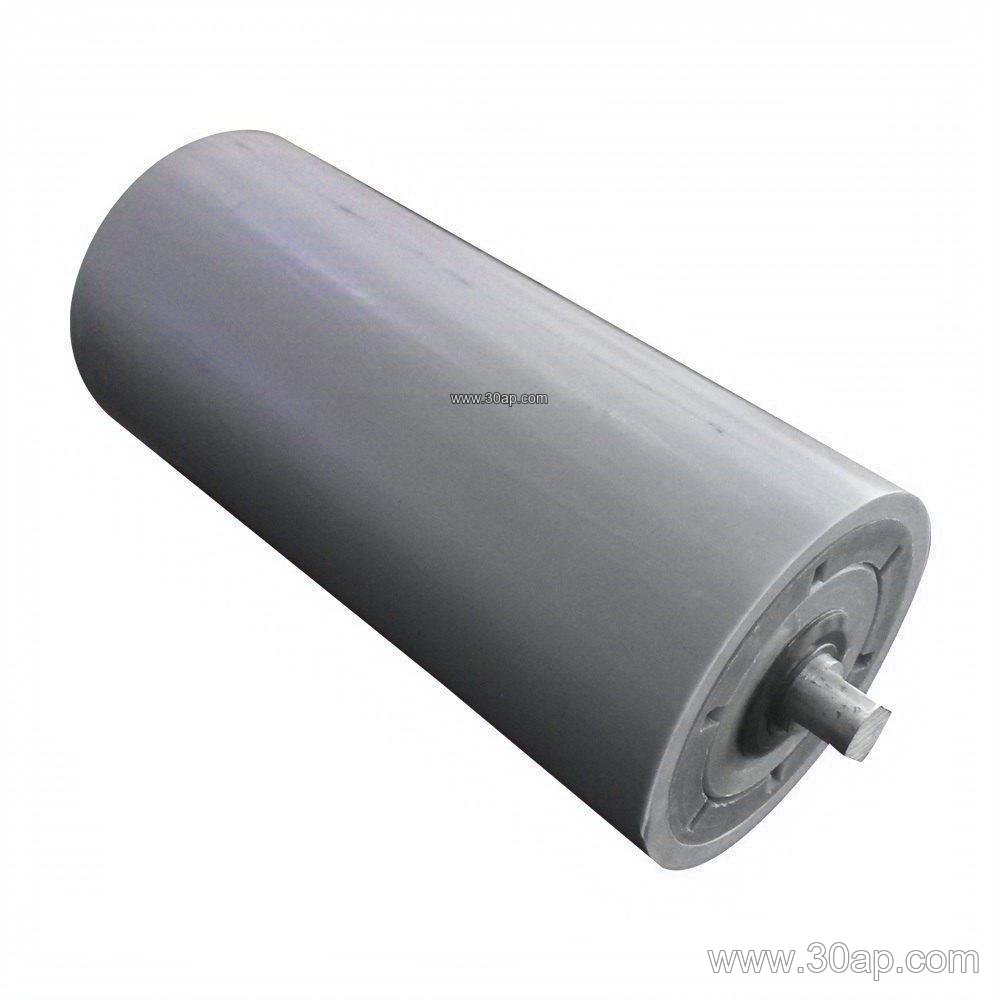
Construction and Common Types
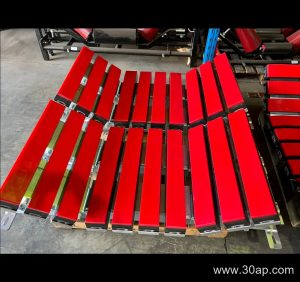
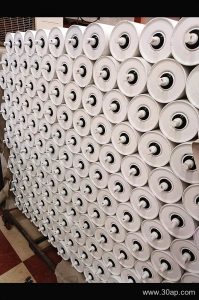
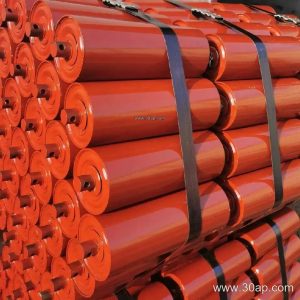
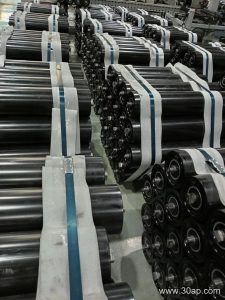
Most mining idlers use a steel tube shell, sealed bearings, and a shaft mounted to a conveyor bracket. The roller surface can be plain steel, nylon, ceramic, or rubber rings. Rubber ring impact idlers are common under crusher discharge points where lumps fall onto the belt. Spiral idlers help shed sticky material, and self-aligning idlers use tapered or friction designs to correct belt tracking.
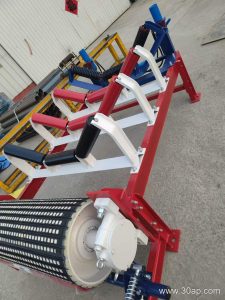
Troughing idlers are the most common carrying idlers and are built as single-roller, two-roller, or three-roller sets. Return idlers support the empty belt; flat return and V-return forms are typical. Transition idlers ease the belt from flat to troughed shape near pulleys, and they are not a replacement for the main carrying idler set.
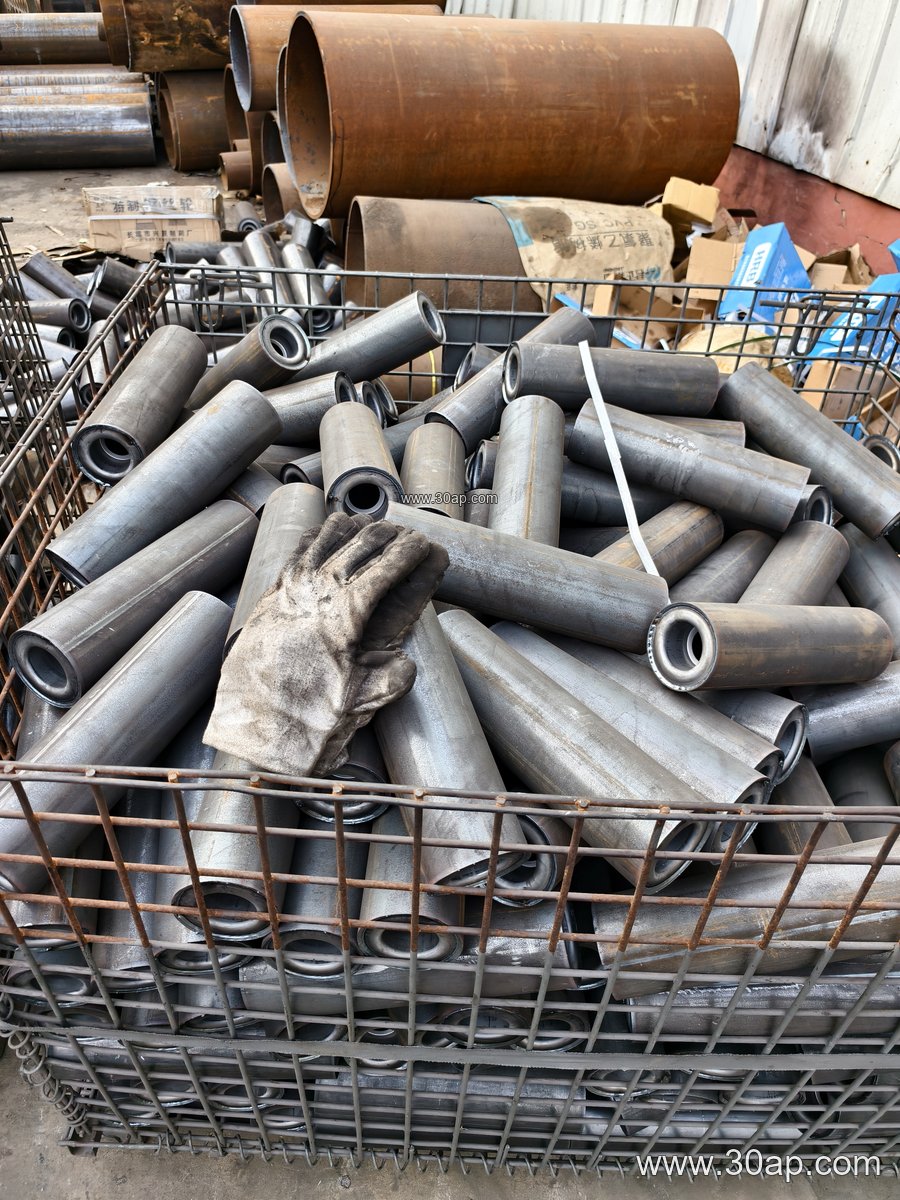
Common Reference Dimensions
The table below shows typical idler diameters, belt widths, and trough angles used in mining and bulk material handling. These are reference values, not fixed matches; final selection depends on load, belt speed, and conveyor design.
| Parameter | Common Range |
|---|---|
| Idler diameter | Ø63, Ø76, Ø89, Ø102, Ø108, Ø127, Ø133, Ø159, Ø178, Ø194, Ø219 mm |
| Belt width | B400 to B2400 mm |
| Trough angle | 20°, 30°, 35°, 45° |
| Roller length (three-roll trough, typical) | B500: 200 mm; B650: 250 mm; B800: 315 mm; B1000: 380 mm; B1200: 465 mm; B1400: 530 mm; B1600: 600 mm; B1800: 670 mm; B2000: 750 mm |
| Bearing reference | 6204, 6205, 6305, 6306, 6308, 6310 |
Side rollers and center rollers can differ in length, and the values above are examples only. A Ø108 mm idler may be used on several belt widths, and one belt width can accept more than one pulley diameter. Always confirm shaft size and bearing seat from the conveyor design.
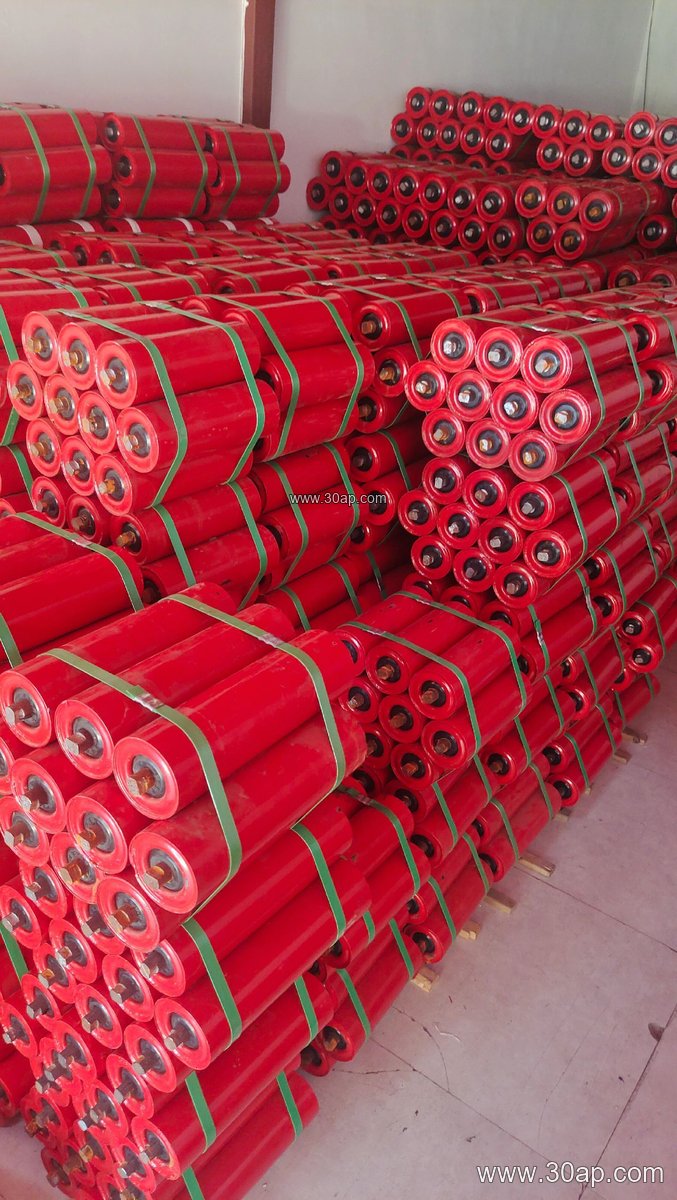
Where Mining Idlers Are Used
In a coal washing plant or underground coal mining conveyor, flame retardant and anti-static properties matter for the belt, while the idlers must resist coal dust and moisture. In a copper or gold ore concentrator, abrasive ore demands wear-resistant roller shells. Cement plants and power plant coal yards use idlers under high dust loads, and port ship loading conveyors need reliable roll rotation for long shifts.
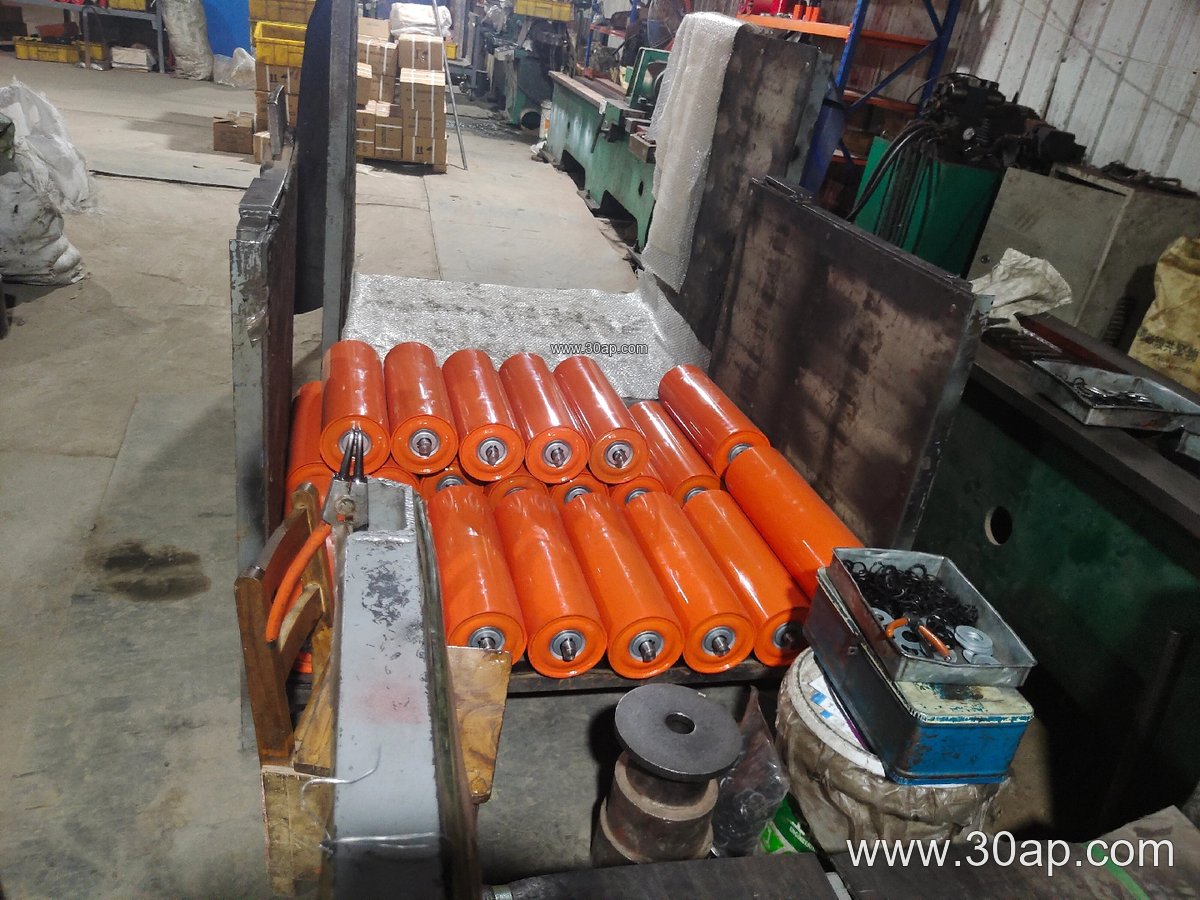
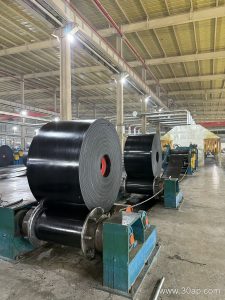
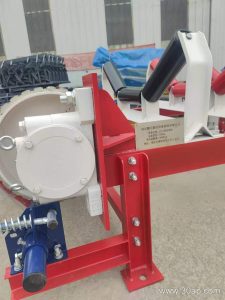
The idler works together with the conveyor belt, conveyor pulley, and conveyor bracket. Related belt types include EP conveyor belt, steel cord conveyor belt, and heavy-duty mining conveyor belt, but the idler itself is selected for roll diameter, bearing, seal, and frame fit.
Buyer Checklist
- Confirm belt width and trough angle before choosing roller length.
- Match idler diameter and bearing to the load and speed, not to belt width alone.
- Choose seal and bearing protection for dust, water, or washdown conditions.
- Specify impact or rubber ring idlers only where material drop energy is high.
- Check that brackets and shafts fit the existing conveyor frame.
- Plan a spare parts stock for high-wear positions near transfer points.
For bulk material conveyor lines, idler inspection should include free rotation, seal condition, and frame alignment. A small alignment error can wear the belt edge and load the idlers unevenly. Buyers should ask for dimensional drawings and material details rather than relying on a single size callout.
Maintenance Notes
Seized idlers increase belt drag and can damage the belt cover. In a stone crushing plant or aggregate line, dusty conditions call for regular cleaning around the idler and bracket. Replace rollers with worn shells or noisy bearings before they affect the conveyor belt. Keep drive pulleys, tail pulleys, and bend pulleys on a separate inspection schedule because they are not idlers and have different wear patterns.
Mining belt conveyor idlers are simple parts, but the right diameter, bearing, seal, and roller surface keep a bulk handling line running. Use the reference data as a starting point and confirm final dimensions with the conveyor design.