What a Heavy-Duty Conveyor Bracket Does
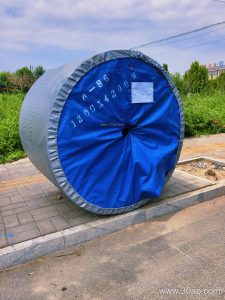
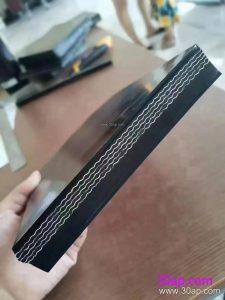
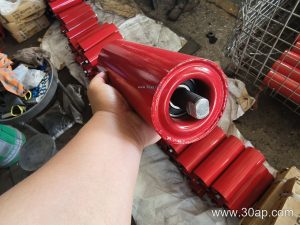
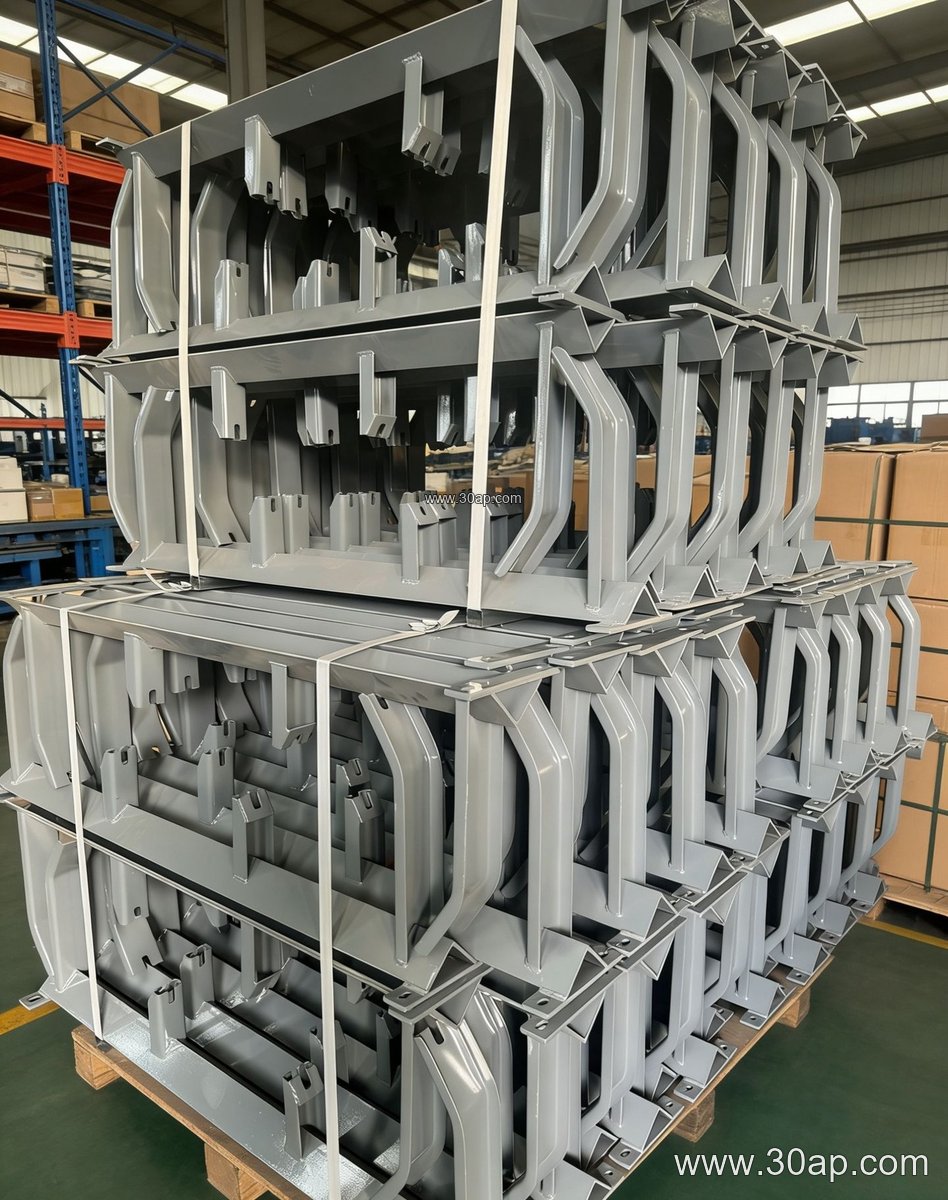
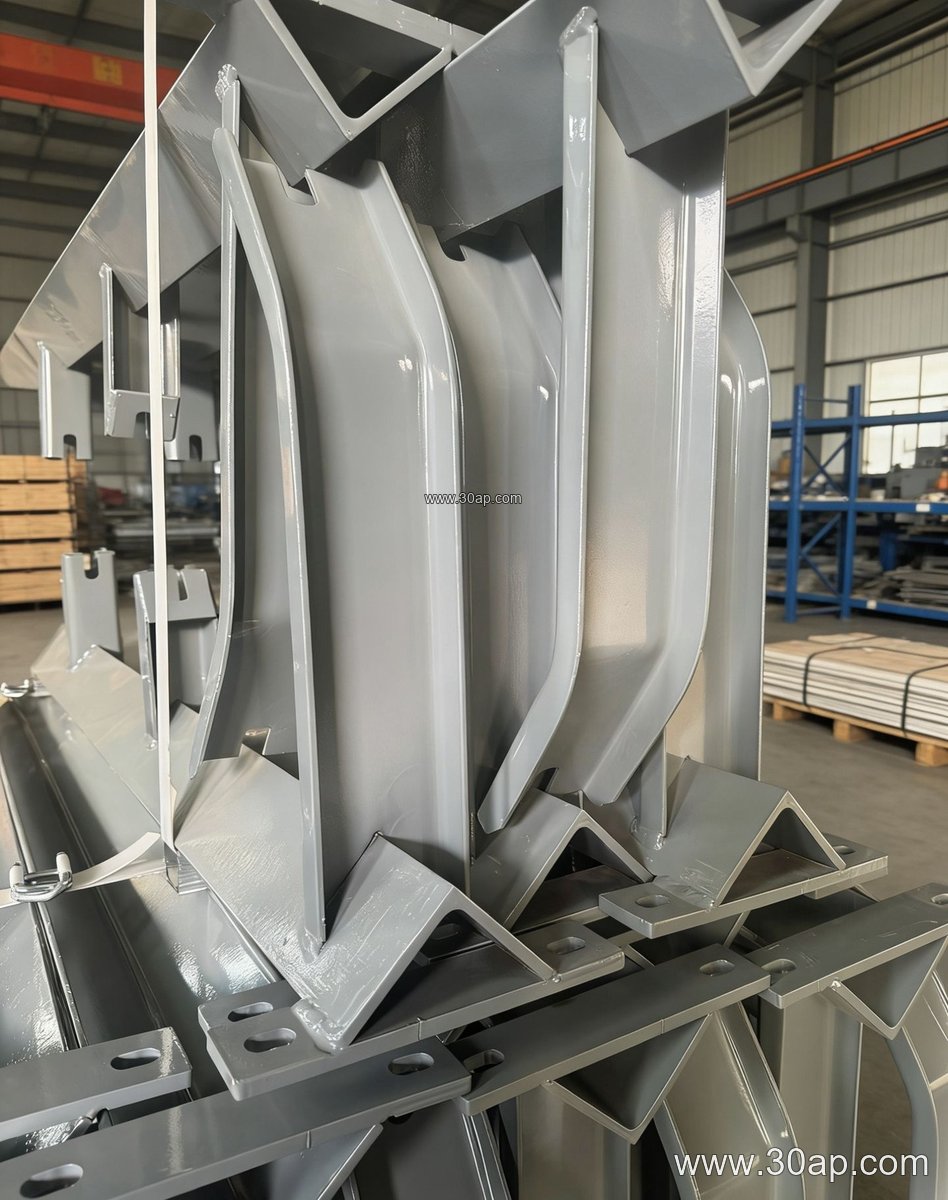
In a quarry or cement plant, the conveyor structure carries constant impact, dust, and heavy loads. The heavy-duty conveyor bracket is the steel component that holds the idler roller in position and keeps the belt profile stable. Also called a heavy-duty conveyor support bracket, it is usually fabricated from angle steel, channel steel, or folded steel plate, and it is designed to withstand more abuse than a standard bracket. Whether you are running an EP conveyor belt or a steel cord conveyor belt, the bracket must match the belt width and the idler diameter so the belt tracks smoothly.
Construction and Installation Position
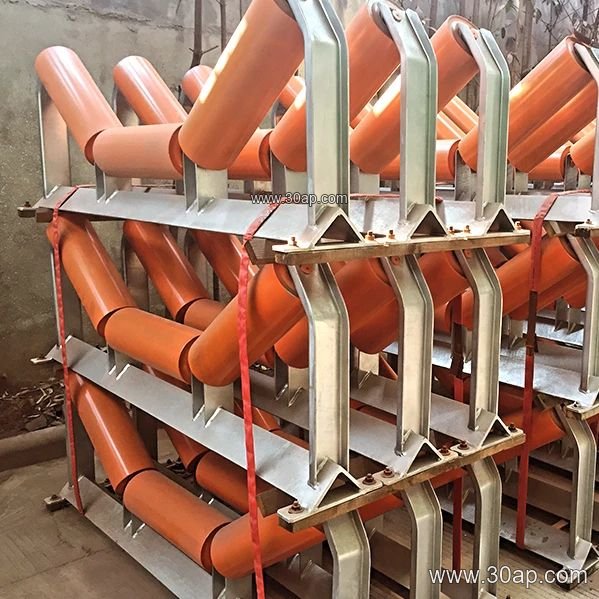
A typical heavy-duty bracket is welded or bolted to the conveyor frame. The crossbeam length and mounting hole spacing change with belt width, trough angle, and idler diameter; they are not fixed numbers. Common belt widths include B500, B650, B800, B1000, B1200, B1400, B1600, B1800, B2000, B2200. Trough angles are often 20, 30, 35, or 45 degrees, and idler diameters commonly range from Ø89 to Ø194. For example, a B800, 35-degree, Ø108 arrangement is common in aggregate lines, while a B1200, 45-degree, Ø133 setup may appear in a cement plant. Adjustable brackets allow the trough angle to be changed within a range, while fixed brackets lock one angle. Forward-tilt brackets, usually around 1.5 to 2 degrees, help with belt training.
Where It Fits in the Conveyor System
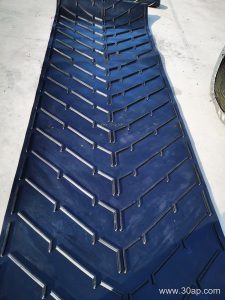
The heavy-duty conveyor bracket appears in several positions. Trough brackets support the carrying side, return brackets support the belt on the return run, and impact brackets sit under the loading point to absorb shock. Transition brackets guide the belt from flat to troughed. In a coal mining conveyor belt system, flame retardant conveyor belt and anti-static conveyor belt are often paired with robust brackets to reduce fire risk. In a cement plant, heat resistant conveyor belt may run near clinker areas, and the bracket must tolerate vibration and dust. The same bracket family also works with abrasion resistant conveyor belt in a crusher conveyor belt line, or with a chevron conveyor belt on an incline. The heavy-duty bracket does not replace the pulley; drive, tail, and bend pulleys remain separate components.
Key Selection Points for Buyers
Buyers should first confirm the belt width, the idler diameter, and the required trough angle. A B650, 30-degree, Ø89 bracket is a common light-to-medium choice, while a B1400 or B1600 system may call for larger idlers and heavier steel. Do not assume that one belt width matches only one pulley diameter or one bracket size. The bracket must also suit the conveyor frame hole pattern and the available space. For dusty or wet conditions, consider galvanized or painted finishes, though specific corrosion classes are not universal. When specifying, state the belt type—such as EP200 conveyor belt or NN300 conveyor belt—so the bracket load rating can be checked. A heavy-duty conveyor bracket for a power plant coal conveyor belt may need extra stiffness compared with a small sand making plant line.
Common Reference Combinations
The following table shows typical reference combinations only; final dimensions are determined by design.
| Belt Width | Trough Angle | Idler Diameter | Typical Use |
|---|---|---|---|
| B500 | 20° | Ø89 | Small aggregate or recycling line |
| B650 | 30° | Ø89 | Sand and gravel plant |
| B800 | 35° | Ø108 | Quarry conveyor belt line |
| B1000 | 35° | Ø133 | Cement plant raw material |
| B1200 | 45° | Ø133 | Coal mining conveyor belt |
| B1400 | 45° | Ø159 | Iron ore or port loading |
| B1600 | 45° | Ø159 | Power plant coal handling |
| B1800 | 45° | Ø194 | Heavy bulk material conveyor belt |
For more information on matching brackets with conveyor belt and idler roller, visit our site at www.example.com/conveyor-bracket or check our conveyor pulley page. Always review the conveyor layout before ordering, because mounting hole spacing varies with belt width and trough angle.
Maintenance and Practical Advice
Inspect brackets for loose bolts, bent steel, or rust during scheduled shutdowns. A worn bracket can cause the idler roller to misalign, which leads to belt edge damage and spillage. In underground mining conveyor belt systems, keep brackets clear of buildup that could rub the belt. For a pipe conveyor belt or corrugated sidewall conveyor belt, bracket geometry may differ, so confirm with the conveyor designer. Heavy-duty brackets are not a substitute for proper pulley alignment; drive, tail, and bend pulleys each have their own support requirements. Use the bracket as part of a complete support system that includes the right idler roller and a compatible conveyor belt for the job.