What a Port Conveyor Pulley Does
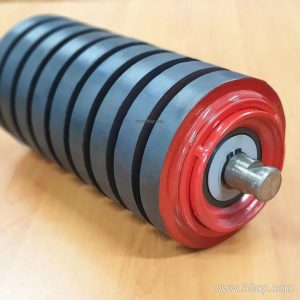
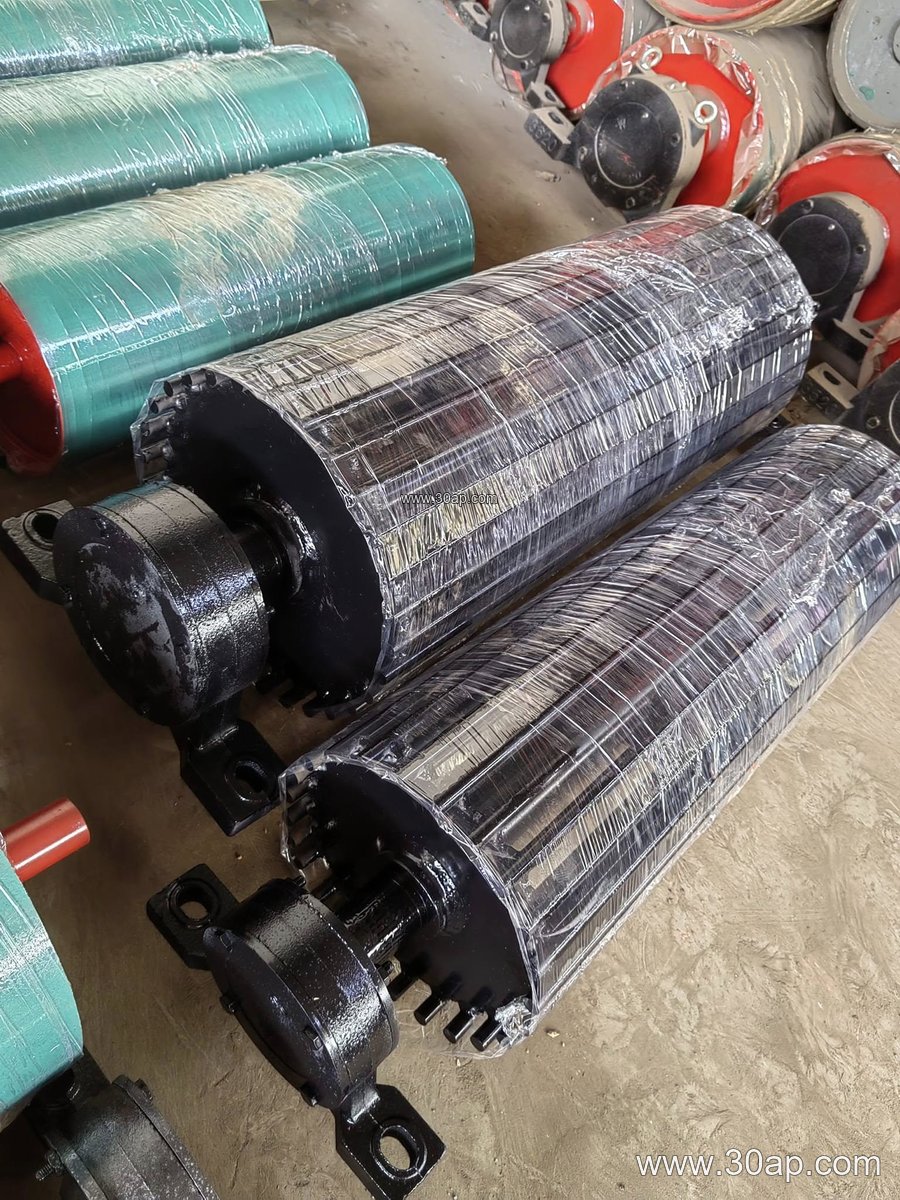
A port conveyor pulley is the cylindrical rotating component that drives, tensions, or redirects the conveyor belt in bulk material handling systems at ports and terminals. Unlike a simple idler roller that supports the belt, this pulley transmits power or maintains belt tension, making it a critical part of the conveyor drive and take-up assemblies. In ship loading and unloading operations, these pulleys handle high capacities and continuous duty, so their construction and surface condition directly affect belt life and system reliability.
Construction and Surface Options
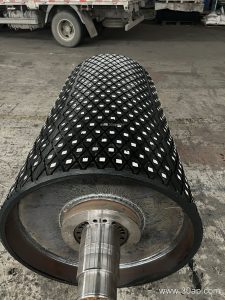
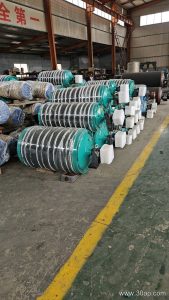
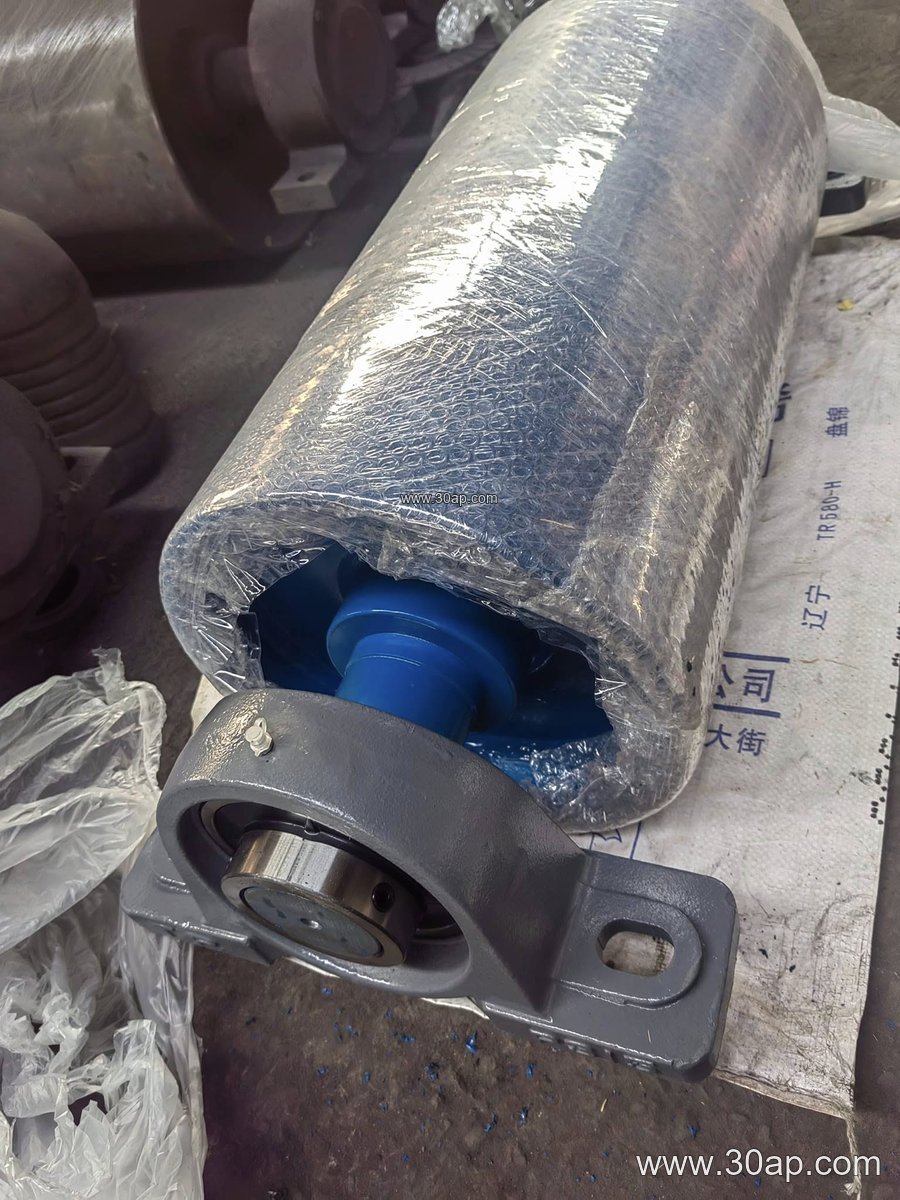
Pulleys are typically fabricated from steel with a welded hub and shaft connection, or cast for smaller diameters. The shell surface can be plain, rubber lagged, or ceramic lagged. Rubber lagging improves friction between pulley and belt, reducing slip under high torque. Common lagging thicknesses are 8, 10, 12, 15, and 20 mm. Surface patterns include diamond, herringbone, and plain, chosen based on whether the pulley is driving or just redirecting. For port applications where dust and moisture are present, lagging also protects the shell from wear. Shaft diameters are determined by torque and load, with common sizes ranging from Ø50 to Ø200 mm, but the final size must be calculated for each drive.
Where It Fits in the Conveyor System
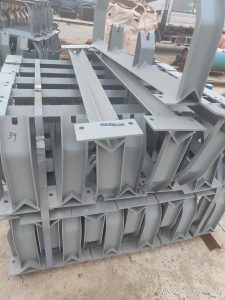
In a port bulk terminal, you will find these pulleys at the head drive, tail take-up, and bend points along the conveyor route. The drive pulley, often the largest, is connected to the gearbox and motor. Tail pulleys can be fixed or mounted on a tensioning device. Bend pulleys change the belt path without driving. Each position imposes different loads: the drive pulley must handle high torque and maintain grip, while bend pulleys mainly guide the belt and may use plain or lightly lagged surfaces. Because port conveyors often run at high speeds and handle abrasive materials like iron ore or coal, the pulley lagging and shell thickness are selected for abrasion resistance. A well-matched conveyor pulley works together with the conveyor belt and idler rollers to keep the system efficient.
Common Sizes and Configurations
Port conveyor pulleys are sized according to belt width and operational requirements. Belt widths from B400 to B2400 are common, and pulley face widths are usually slightly wider than the belt. For example, a B800 belt might use a pulley face of about 950 mm. Diameters range from Ø200 to Ø1800 mm depending on the duty. Here is a reference table of typical combinations, but note that these are not fixed pairings; each project requires engineering calculation.
| Belt Width (mm) | Typical Pulley Face Width (mm) | Common Diameter Range (mm) |
|---|---|---|
| B400 | 500 | Ø200–Ø315 |
| B650 | 750 | Ø250–Ø400 |
| B800 | 950 | Ø315–Ø500 |
| B1000 | 1150 | Ø400–Ø630 |
| B1200 | 1400 | Ø500–Ø800 |
| B1400 | 1600 | Ø630–Ø1000 |
| B1600 | 1800 | Ø800–Ø1250 |
| B1800 | 2000 | Ø1000–Ø1400 |
Larger diameters reduce belt bending stress and are often used on high-tension drives. Shaft sizes are not directly tied to belt width; they are selected based on torque and bearing load. For instance, a B1200 pulley might have a shaft of Ø120 or Ø140 mm, but this must be confirmed by the drive manufacturer.
Buyer Checklist for Port Applications
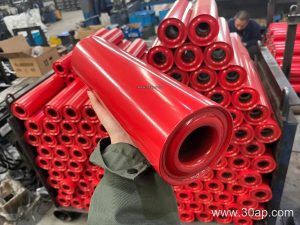
When specifying a port conveyor pulley, consider the material being handled. Coal, iron ore, and limestone have different abrasiveness and require appropriate lagging. If the conveyor uses a steel cord conveyor belt or a heavy-duty fabric belt like EP200 or NN300, the pulley must be sized to handle the resulting tension. Check the pulley location: drive pulleys need high-friction lagging, while tail pulleys may need self-cleaning features. Also verify the shaft diameter and bearing size against the actual load. For port terminals that operate continuously, easy maintenance and reliable sealing are important to prevent dust ingress. Keep in mind that the pulley is part of a system that includes the conveyor bracket and idler roller; alignment and belt tracking affect pulley life. Regular inspection of lagging wear and shaft condition helps avoid unplanned downtime.
Maintenance and Longevity
Inspect lagging for wear or glazing, especially on drive pulleys. Worn lagging reduces grip and can cause belt slip, leading to heat and damage. Check shaft seals and bearings for contamination. For pulleys with ceramic lagging, look for cracked or missing tiles. Proper belt tension and alignment reduce uneven loading on the pulley. In dusty port environments, cleaning around the pulley prevents buildup that can misalign the belt. By choosing the right pulley for the duty and maintaining it, port operators can extend the life of the conveyor belt and reduce overall operating costs.