What a Rubber Idler Is and Where It Fits
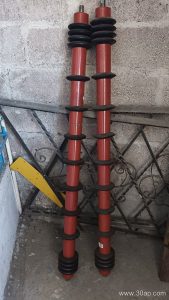
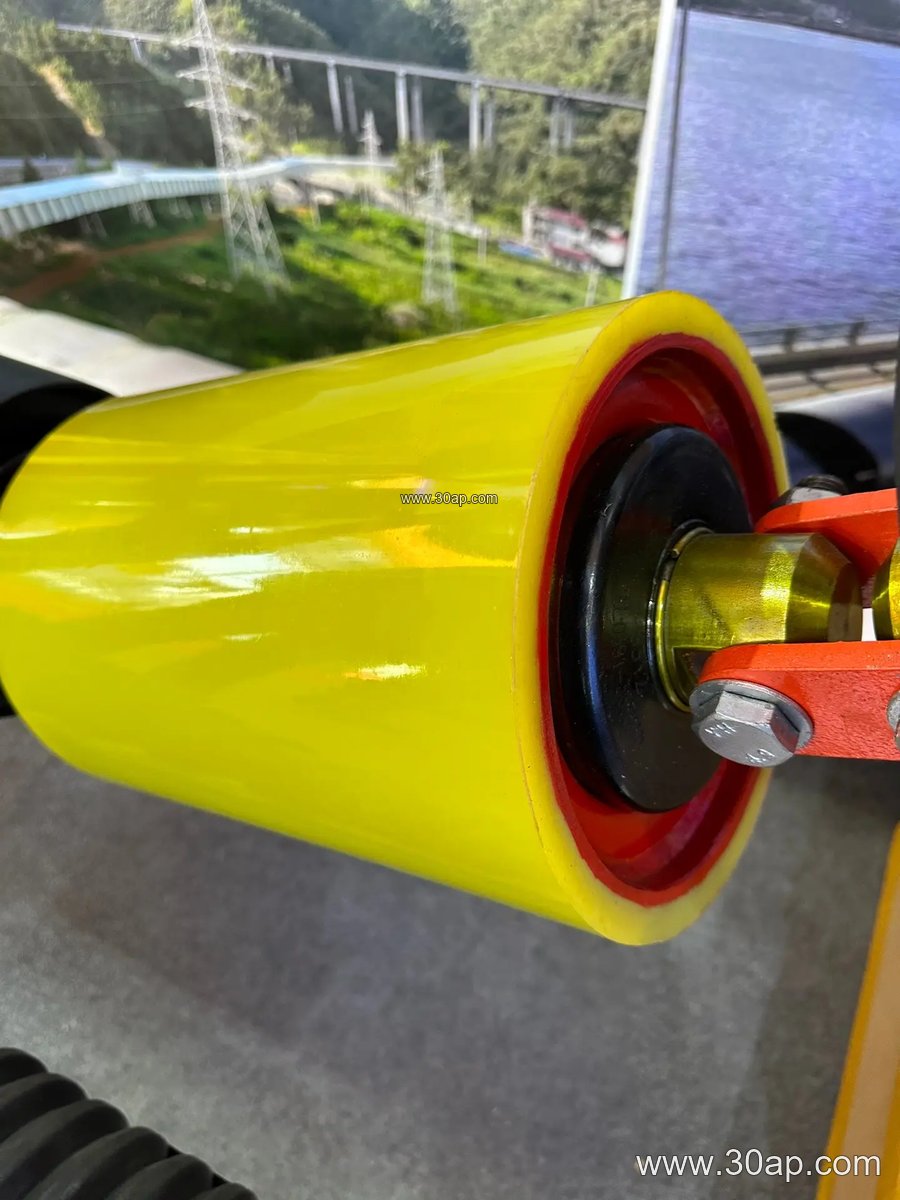
A rubber idler is a conveyor idler roller whose shell carries a rubber surface, usually in the form of rubber rings or a rubber sleeve over a steel body. It sits under or along the conveyor belt and supports the belt and the material load while the belt runs. The rubber layer changes how the roller meets the belt: it cushions impact, raises friction, and softens the contact between hard steel and the belt cover. In a limestone quarry or a cement plant, that difference is easy to notice at the loading point, where lumps drop onto the belt and the roller underneath takes the punishment.
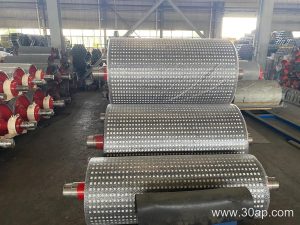
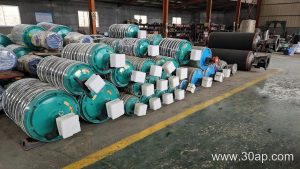
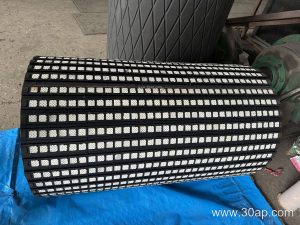
The rubber idler is a distinct product from a conveyor pulley. Drive pulleys, tail pulleys and bend pulleys transmit power or redirect the belt, and they are not interchangeable with idlers. A conveyor pulley is a separate item; a rubber idler is a supporting roller, usually mounted in a conveyor bracket or frame. When comparing designs, a steel-roll impact idler and a rubber-ring impact idler serve the same supporting purpose, but the rubber-ring version is the subject here.
How the Roller Is Built
Most rubber idlers use a steel tube as the core, with bearing housings pressed or welded into each end. The shaft passes through sealed bearings, commonly 6204, 6205, 6305, 6306, 6308 or 6310 depending on load and diameter, and the labyrinth or lip seal keeps dust out. Rubber rings are then fitted to the shell, or a rubber layer is bonded to the surface. Roller diameters follow the conveyor design, with Ø89, Ø108, Ø127, Ø133, Ø159 and Ø178 among the common sizes.
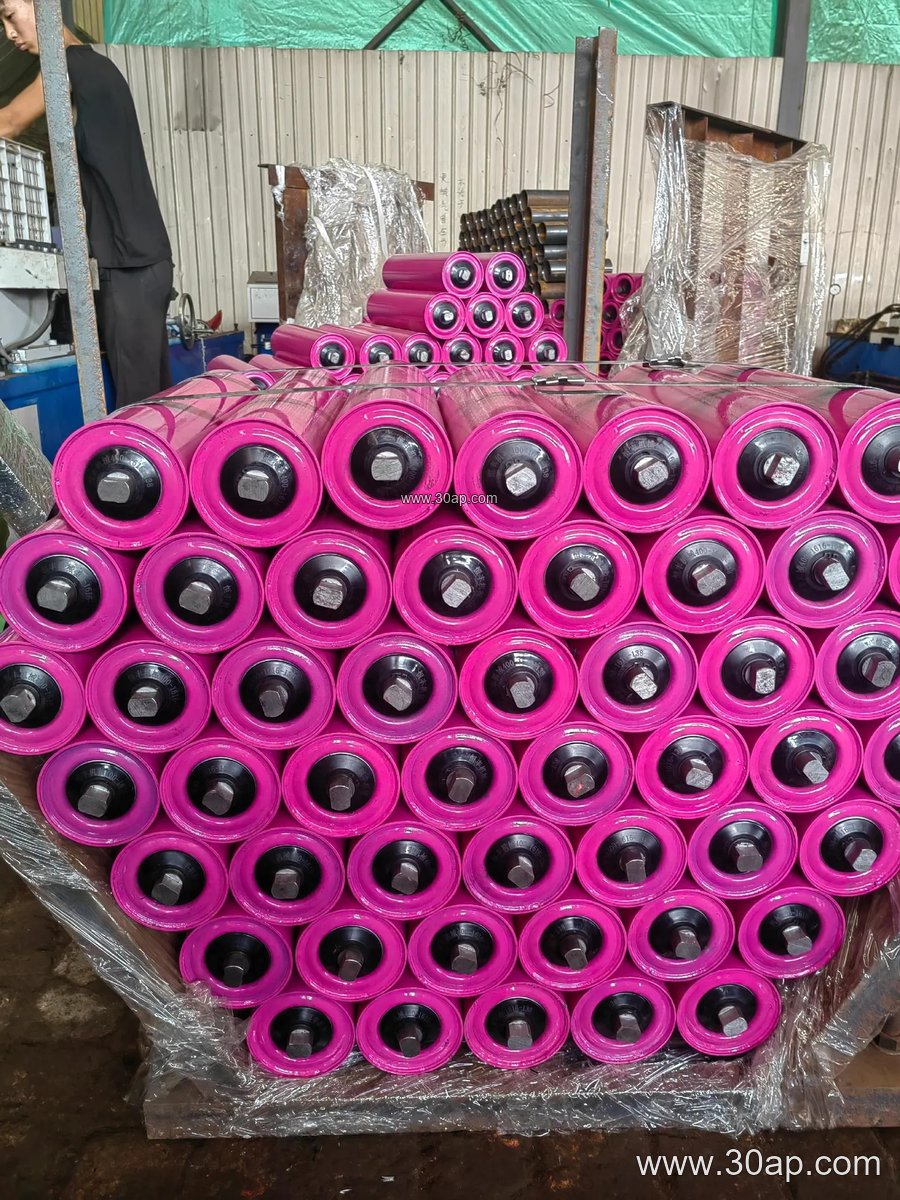
The rubber itself is usually a wear-resistant compound. Hardness, thickness and ring spacing are design choices, not universal values, so a buyer should ask for the compound and dimensional data rather than assume one grade fits every duty. A heavy abrasion zone such as an ore transfer point in an iron ore or copper ore circuit may call for thicker rings, while a lighter aggregate line may use a thinner surface.
Typical Duty in Mining, Cement and Power Plants
Rubber idlers appear most often as impact or buffer rollers at the feed point, and as return rollers where belt tracking and belt protection matter. In a coal mining conveyor or an underground coal mining conveyor, flame retardant and anti-static properties of the belt and roller materials are usually specified together, so the roller compound should be checked against the same safety expectations as the flame retardant conveyor belt it supports. In a power plant coal yard or a cement plant clinker line, the rubber surface helps absorb shock and reduces noise compared with plain steel rolls.
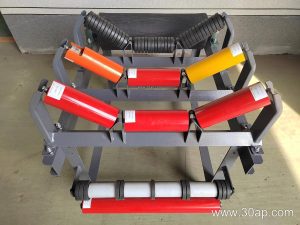
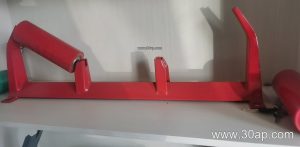
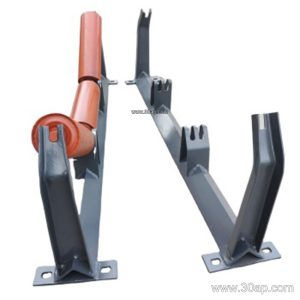
Other equipment in the same frame includes the conveyor belt itself, the conveyor pulley at the head, and the conveyor bracket that holds each idler set. A three-roll troughing set at 30 or 35 degrees is common on a 800mm or 1000mm wide conveyor belt; the same article does not fix a single roller diameter for a given belt width, because belt speed, load and idler spacing all affect the choice. Common roll lengths in three-roll trough sets are around 200 mm for B500, 250 mm for B650, 315 mm for B800, 380 mm for B1000, 465 mm for B1200, 530 mm for B1400 and 600 mm for B1600, but side rolls and center rolls can differ and should be confirmed by design.
Selection Points Buyers Should Confirm
- Roller diameter and shaft end type, matched to the existing conveyor bracket.
- Rubber ring thickness, hardness and spacing, based on lump size and drop height.
- Bearing size and seal type for dusty or wet conditions.
- Whether the application needs a flame retardant or anti-static rubber compound.
- Roller length and trough angle for the actual belt width and idler set.
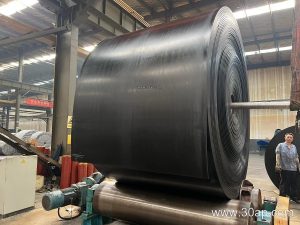
A rubber idler is often used together with an abrasion resistant conveyor belt or a heavy-duty mining conveyor belt, since both are selected for the same rough duty. At a port or a bulk material conveyor belt system, the roller should also resist corrosion and keep its seal intact in humid air. For a food grade conveyor belt line, a different roller compound and cleaning routine may be needed, so the duty should be stated clearly before ordering.
Maintenance and Replacement Notes
Check rubber rings for cuts, flattening and separation from the shell, and listen for bearing noise during a walk-around. Seized or wobbling rollers should be replaced before they damage the belt cover. Keep spare rollers in the sizes used on each conveyor, and record the roller diameter, length and bearing number so a replacement matches the frame. For more on matching belts, pulleys and rollers, see the conveyor components pages at rubberbeltpro.com, where conveyor belt, idler roller and conveyor pulley data are grouped for comparison.
Rubber idlers are a small part of a conveying system, but they carry a large share of the daily wear. Choosing the right compound, diameter and seal for the site, whether a quarry, a coal wash plant or a cement kiln line, keeps the belt running straighter and lasts longer.