What a Vertical Guide Roller Does
A vertical guide roller is a small-diameter, vertically mounted idler that contacts the edge of a conveyor belt to keep it tracking along the centerline of the structure. Unlike the troughing idlers that carry the loaded belt, this roller stands upright, usually in pairs on both sides of the belt, and acts as a physical stop against lateral drift. In a quarry, a cement plant, or a power plant coal yard, a belt that wanders a few centimeters can rub the frame, fray the edge, and spill material, so these guide rollers are a simple but effective correction device. They are often grouped with self-aligning idlers, but they work differently: the vertical guide roller limits movement at the edge, while a friction self-aligning idler steers the belt by rotating about a pivot.
Construction and Mounting
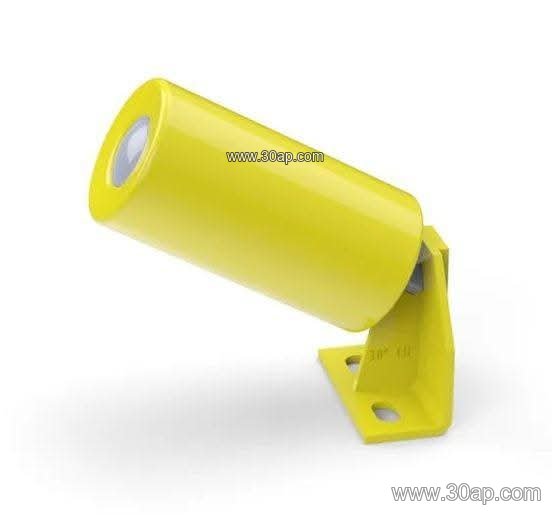
The body is normally a short steel tube with a sealed bearing inside, fitted with a shaft that bolts to a conveyor bracket on the frame. Roller surfaces may be plain steel, nylon, or covered with a rubber ring to protect the belt edge. Typical diameters are Ø63, Ø76, Ø89, and Ø102 mm, and the length is short, since the roller only needs to touch the belt edge rather than support the load. Bearings such as 6204, 6205, or 6305 are common in this size range, and the exact match depends on the shaft and load design, not on belt width alone. A vertical guide roller is frequently installed just ahead of a conveyor pulley at the head or tail, or on the approach to a loading point where the belt is most likely to shift. Good sealing matters in dusty jobs such as crushing and screening circuits, because fine grit is the main cause of premature bearing failure.
Where It Fits on the Conveyor
These rollers are used on both the carrying and return sides, usually in pairs, with a small clearance to the belt edge. On a long overland run in a limestone mine or an iron ore operation, several pairs may be spaced along the line to hold the belt in position between the discharge and tail pulleys. In a coal mining conveyor or an underground coal mining conveyor, flame retardant belt grades are common, and the guide roller should be selected with the same attention to dust and moisture. A stockyard belt handling abrasive ore benefits from a rubber-covered guide roller, while a food or fertilizer line may prefer a smooth nylon or steel surface to avoid contamination. The roller is not a substitute for a training idler; it is a supplement that limits edge movement at specific points.
Selection Notes for Buyers
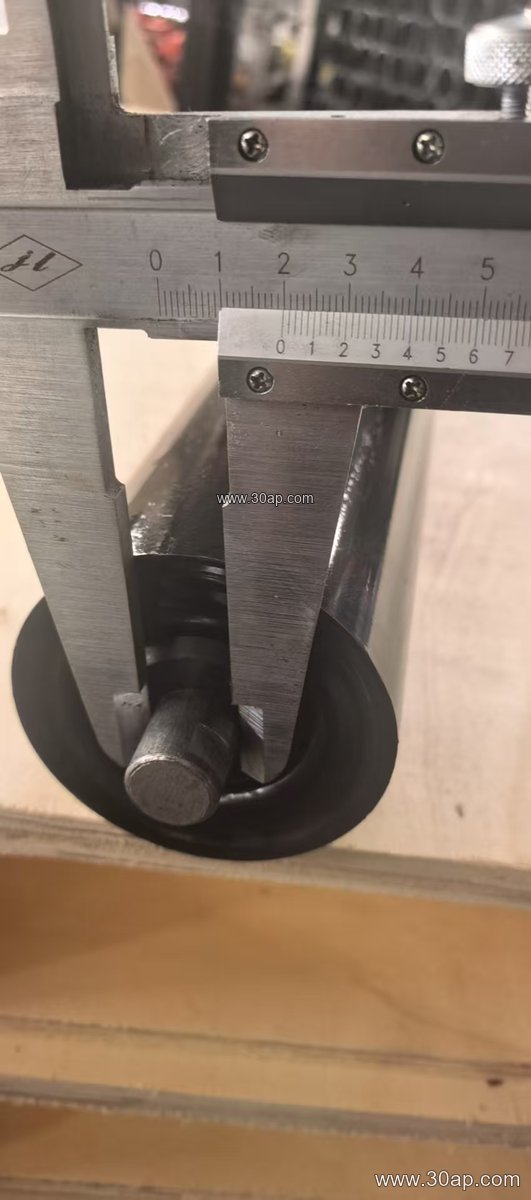
Start with the belt width and the space available on the frame. A vertical guide roller for a B650 belt is a different assembly from one on a B1400 or B1800 conveyor, and the bracket spacing must match the structure. Check the roller diameter against the belt edge clearance and the expected side force; a larger Ø108 or Ø127 mm roller may suit heavy-duty mining conveyor belts, while Ø63 or Ø76 mm units are common on smaller aggregate lines. Confirm the shaft size and bearing type with the roller supplier, and specify the surface form: plain steel, nylon, or rubber ring. For dusty or wet conditions, ask about sealed-for-life bearings and corrosion protection. Also consider the belt type in service, since a heavy steel cord conveyor belt or a thick abrasion resistant conveyor belt can exert more edge load than a light fabric core belt. Where the belt is a pipe conveyor belt or a corrugated sidewall belt, the guide roller layout is usually determined by the specific structure, so follow the conveyor designer’s drawing.
Maintenance and Common Mistakes
Inspect the rollers during routine belt checks. A guide roller that stops turning will flat-spot and then damage the belt edge, so free rotation and seal condition should be verified. Keep the clearance small but not tight; pressing hard against the belt causes edge wear. Replace bent shafts and worn rubber rings promptly, and re-check alignment after any frame repair. In a sintering plant or a crusher conveyor belt line, heat and impact are additional factors, so the roller position should be kept away from hot material and direct impact zones. Used correctly, a vertical guide roller is a low-cost part that protects a much more expensive belt.