Understanding the High Impact Resistant Idler
In bulk material handling, the point where material first lands on a conveyor belt experiences the most severe forces. A High Impact Resistant Idler, often referred to as an impact idler or shock-absorbing idler, is specifically engineered to absorb and distribute these forces before they can damage the belt or the conveyor structure. Unlike standard carrying idlers, this idler incorporates energy-absorbing elements that cushion the load, making it indispensable in industries such as mining, quarrying, cement production, and power generation.
At www.www6.com, we often highlight how the right idler selection can extend the service life of an entire conveyor system.
Construction and Design Features
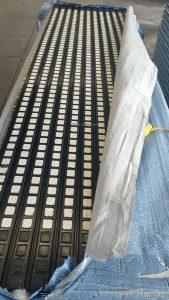
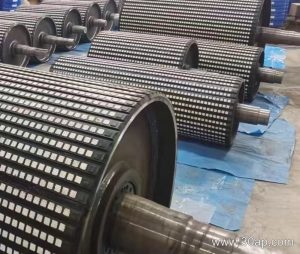
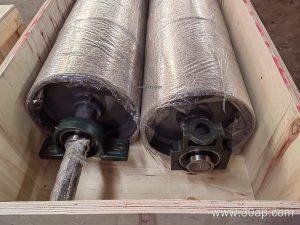
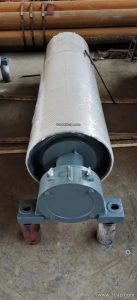
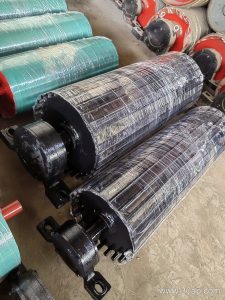
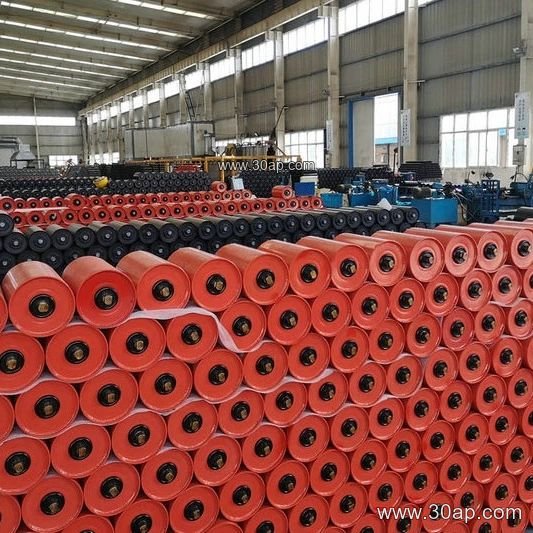
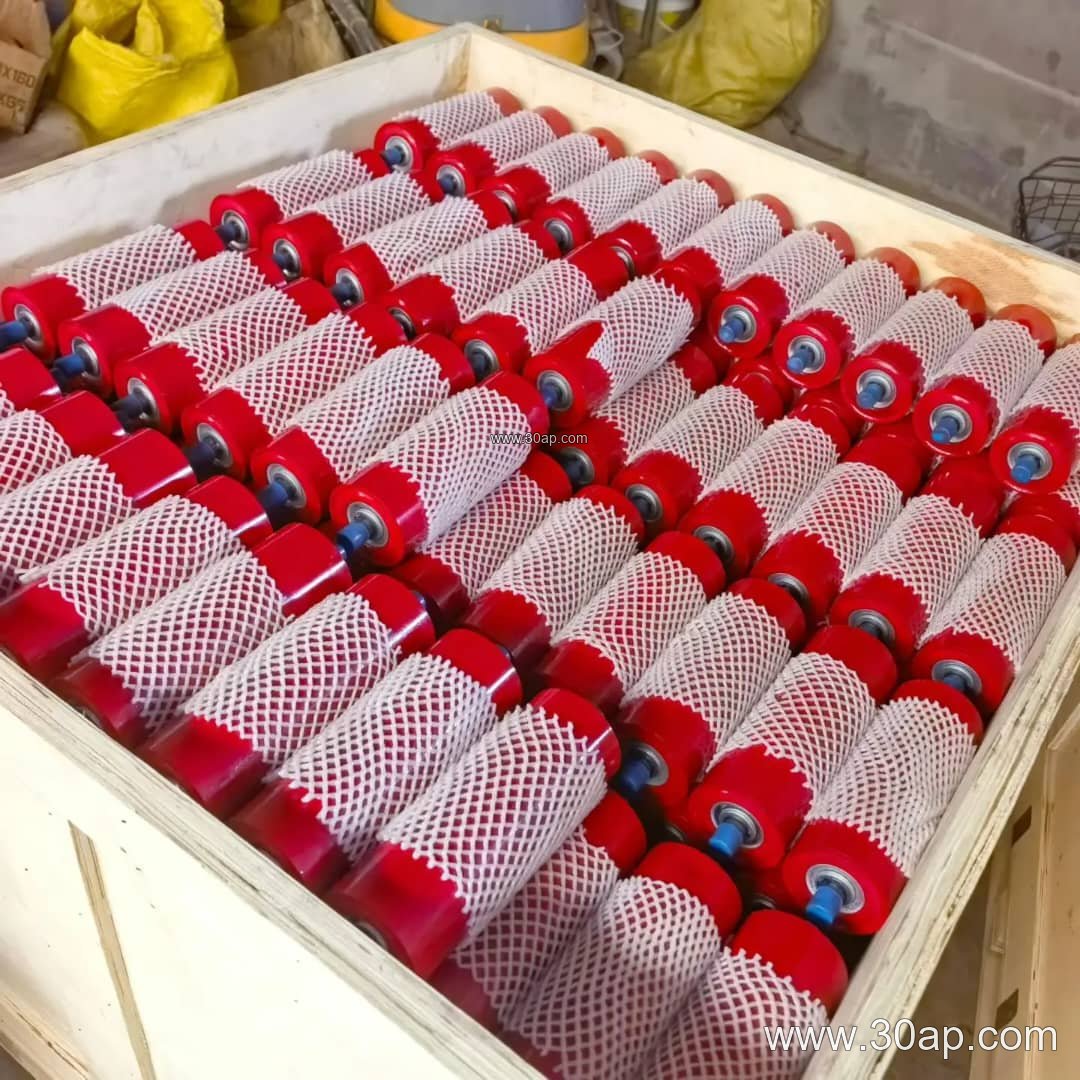
The High Impact Resistant Idler is built to withstand repeated heavy loads. Its core typically consists of a sturdy steel tube that provides structural integrity. The defining feature is the outer layer, which is usually made of rubber rings or discs. These rubber elements are mounted on the roller shell and act as a buffer, compressing under impact and then rebounding to their original shape. This design significantly reduces the shock transmitted to the belt, the idler shaft, and the bearings.
Bearings are selected to handle both radial and axial loads; common sizes include 6205, 6305, and 6306, among others, depending on the specific load requirements. The idler shaft is often made from high-strength steel to resist bending. Sealing is critical: effective labyrinth seals or contact seals prevent dust and moisture from entering the bearing housing, which is especially important in dusty environments like coal mines or aggregate plants.
For operations dealing with highly abrasive materials, pairing these idlers with an Abrasion Resistant Conveyor Belt or a Heavy-Duty Mining Conveyor Belt creates a robust conveying solution that minimizes downtime.
Where High Impact Resistant Idlers Are Used
These idlers are typically installed at the loading point of a conveyor, directly beneath the chute or hopper where material falls onto the belt. In a stone crushing plant, for example, large lumps of rock drop onto the belt with considerable force; a High Impact Resistant Idler absorbs that energy, protecting the belt carcass from punctures and tears. Similarly, in a coal mining operation, the impact idler ensures that the belt remains stable under the constant barrage of coal chunks.
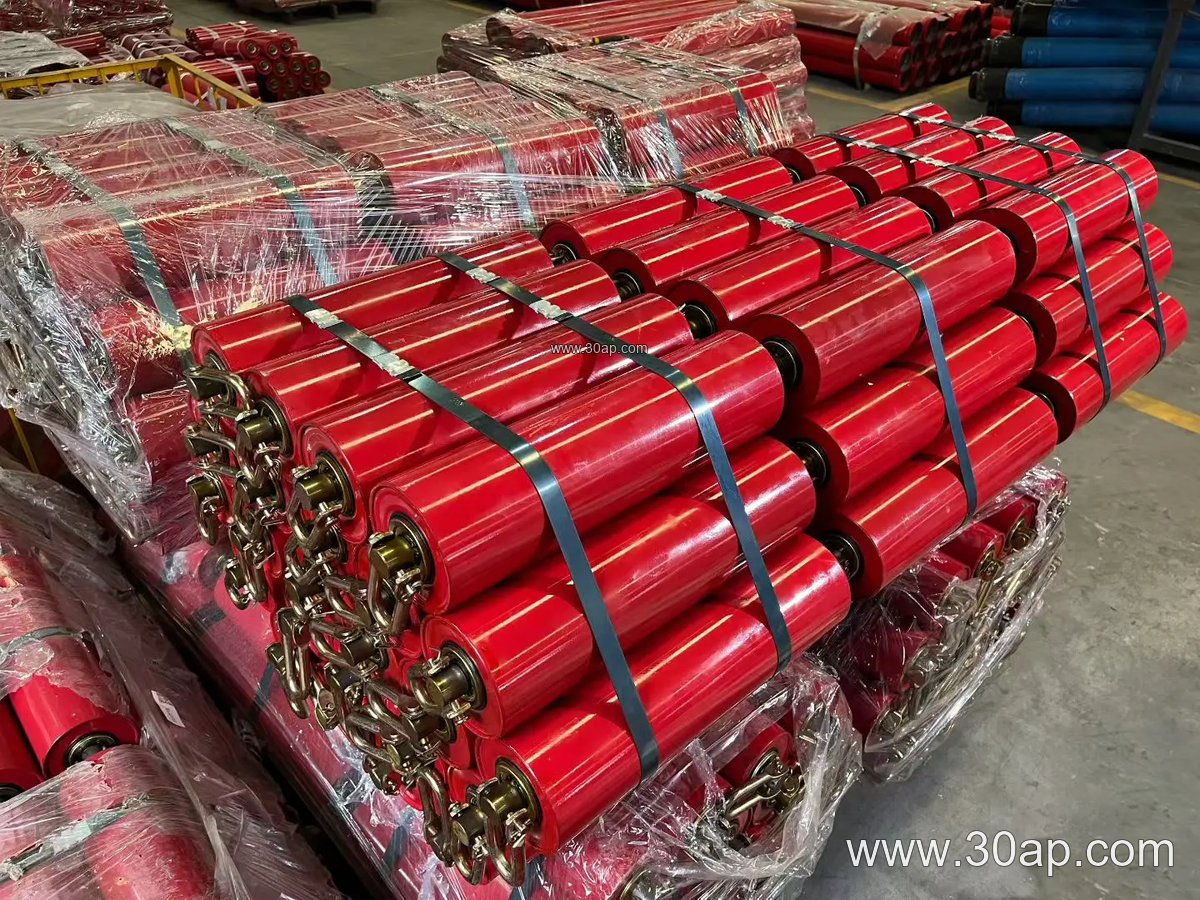
They are also used in transfer points between conveyors, where material changes direction and falls onto the next belt. In cement plants, where clinker and limestone are handled, impact idlers help maintain belt alignment and prevent spillage. The idler roller design often includes a slight trough angle (commonly 20°, 30°, or 35°) to keep the material centered, but the impact-resistant feature is the key differentiator from standard troughing idlers.
Key Parameters and Selection Considerations
When specifying a High Impact Resistant Idler, several parameters must be considered to ensure optimal performance. The table below outlines typical reference values; actual requirements should be determined by the conveyor design engineer.
| Parameter | Common Range / Examples |
|---|---|
| Roller Diameter (Ø) | Ø89, Ø102, Ø108, Ø127, Ø133, Ø159, Ø178, Ø194, Ø219 |
| Belt Width (B) | B500, B650, B800, B1000, B1200, B1400, B1600, B1800, B2000 |
| Trough Angle | 20°, 30°, 35°, 45° |
| Roller Surface | Rubber rings, rubber discs, steel tube with rubber lagging |
| Bearing Sizes | 6204, 6205, 6305, 6306, 6308, 6310 (selection depends on load and speed) |
| Idler Group | Single roller, two-roller, three-roller troughing set |
Roller length varies with belt width and trough angle; for instance, a three-roller troughing set might use a center roller of approximately 200 mm for B500 and 380 mm for B1000, but side rollers may differ. These are examples only and should not be taken as fixed combinations.
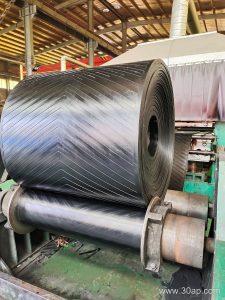
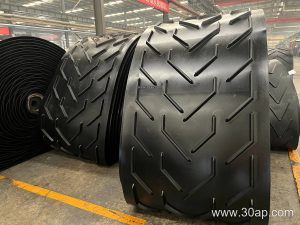
Buyers should also consider the material being conveyed. For sticky materials, a Chevron Conveyor Belt or a Corrugated Sidewall Conveyor Belt may be used to prevent spillage, and the impact idler must be compatible with the belt’s profile. In environments with flammable dust, a Flame Retardant Conveyor Belt is often required, and the idler’s rubber components should also be fire-resistant to maintain safety standards.
For extreme conditions, such as those found in an iron ore mine, combining High Impact Resistant Idlers with a Steel Cord Conveyor Belt or a High Abrasion Resistant Conveyor Belt ensures reliable performance under heavy loads and sharp materials.
Maintenance and Buyer Tips
Regular inspection of impact idlers is essential. Check for worn rubber rings, loose bearings, and shaft wear. Lubrication schedules should follow the manufacturer’s recommendations, but sealed-for-life bearings are common in impact idlers to reduce maintenance. When replacing idlers, always match the roller diameter and length to the original specification to maintain proper belt support and alignment.
At www.www1.com, we advise verifying the load rating and impact energy absorption capacity of the idler with the supplier, especially when conveyor speeds or material lump sizes change. Also, ensure that the idler frame and mounting brackets are compatible with the conveyor structure; a poorly fitted idler can cause belt misalignment and premature wear.
In summary, the High Impact Resistant Idler is a specialized component that protects conveyor belts and structures in the toughest loading zones. By understanding its construction, typical applications, and key parameters, buyers can select the right idler to enhance conveyor reliability and reduce operational costs.