What a Drive Pulley Does on a Conveyor
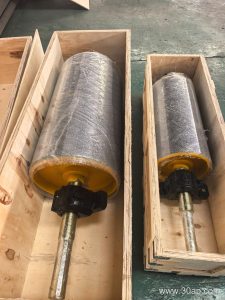
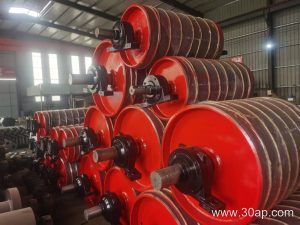
A drive pulley is the powered drum at the head end of a belt conveyor. It grips the inside of the conveyor belt and turns it, pulling the loaded belt forward and discharging material at the head. Because it transmits the entire driving torque, its diameter, lagging and shaft are usually heavier than those of a tail or bend pulley. In this article, the terms drive pulley and head drive drum refer to the same component.
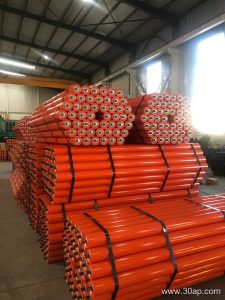
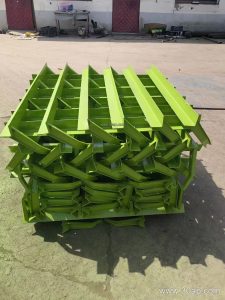
The drum works together with the conveyor belt, carrying idlers and return idlers, and the conveyor bracket that fixes it to the frame. On a long overland line or a short transfer in a crushing circuit, that single drum decides how much traction the belt can get before slipping.
Construction and Key Parts
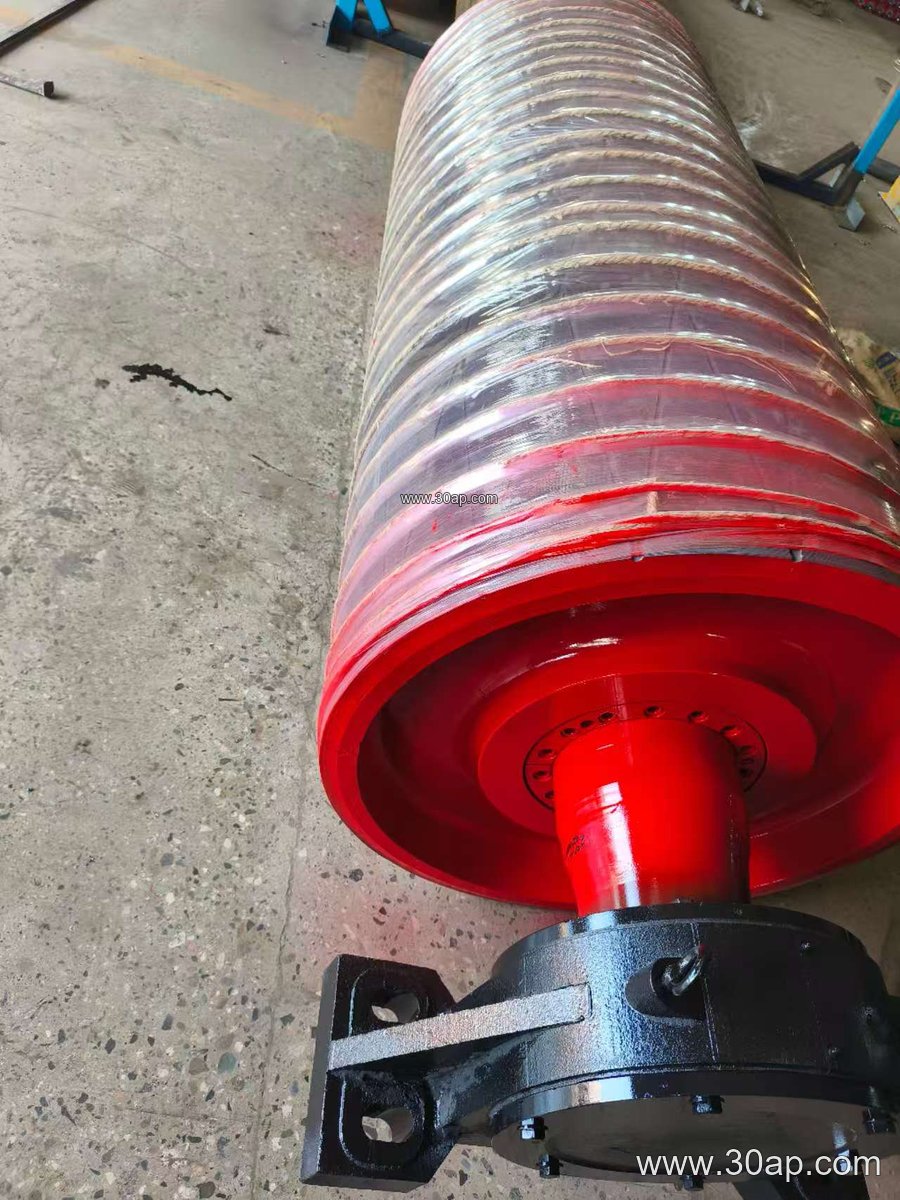
Most drive pulleys are welded steel drums with a shell, two end discs, a hub and a through shaft. The shell is machined to a slight crown or kept cylindrical, depending on the belt tracking strategy. The shaft is sized by torque and bearing load, not by belt width alone, so a Ø120 shaft may appear under a Ø630 drum while a Ø200 shaft serves a Ø1250 drum on a heavier duty conveyor.
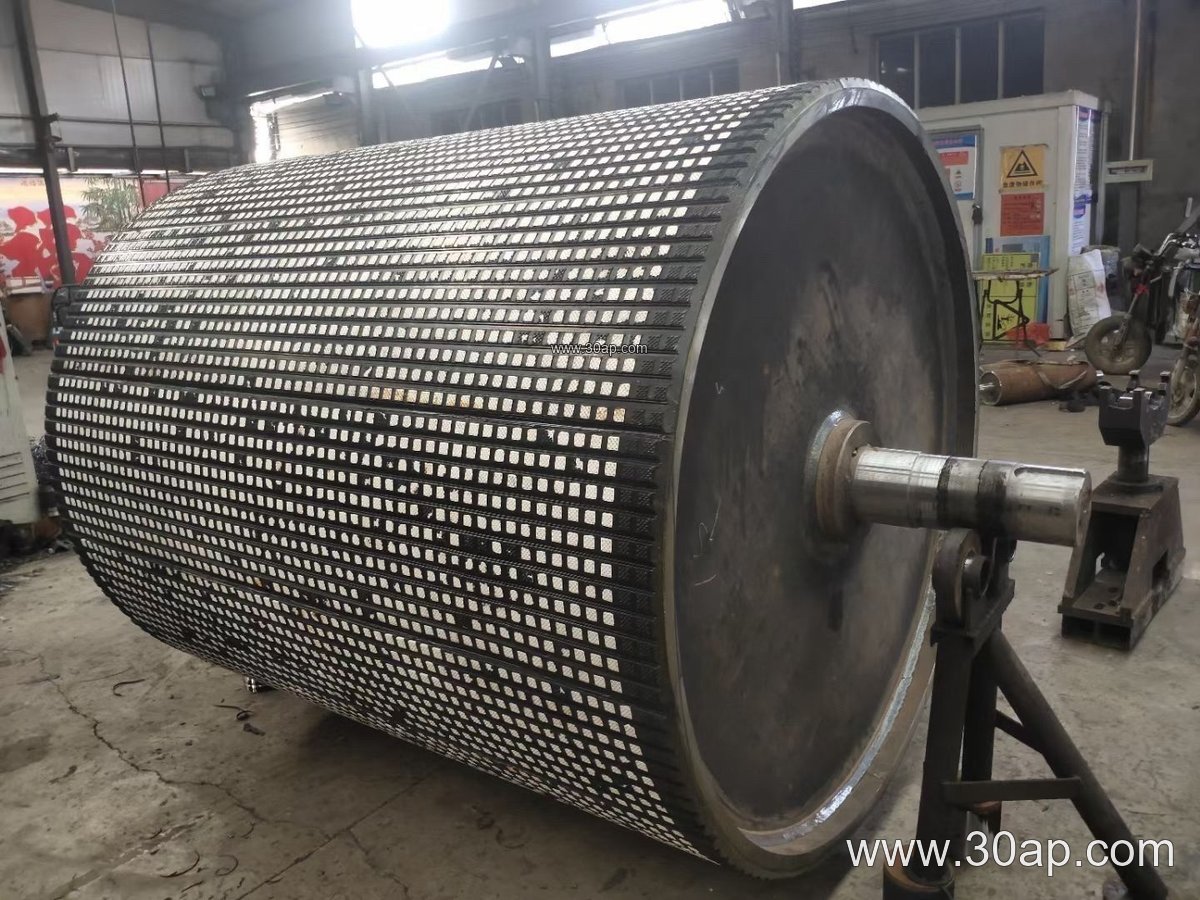
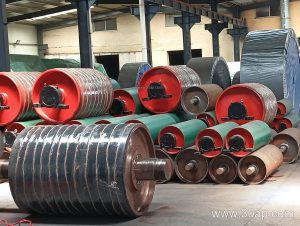
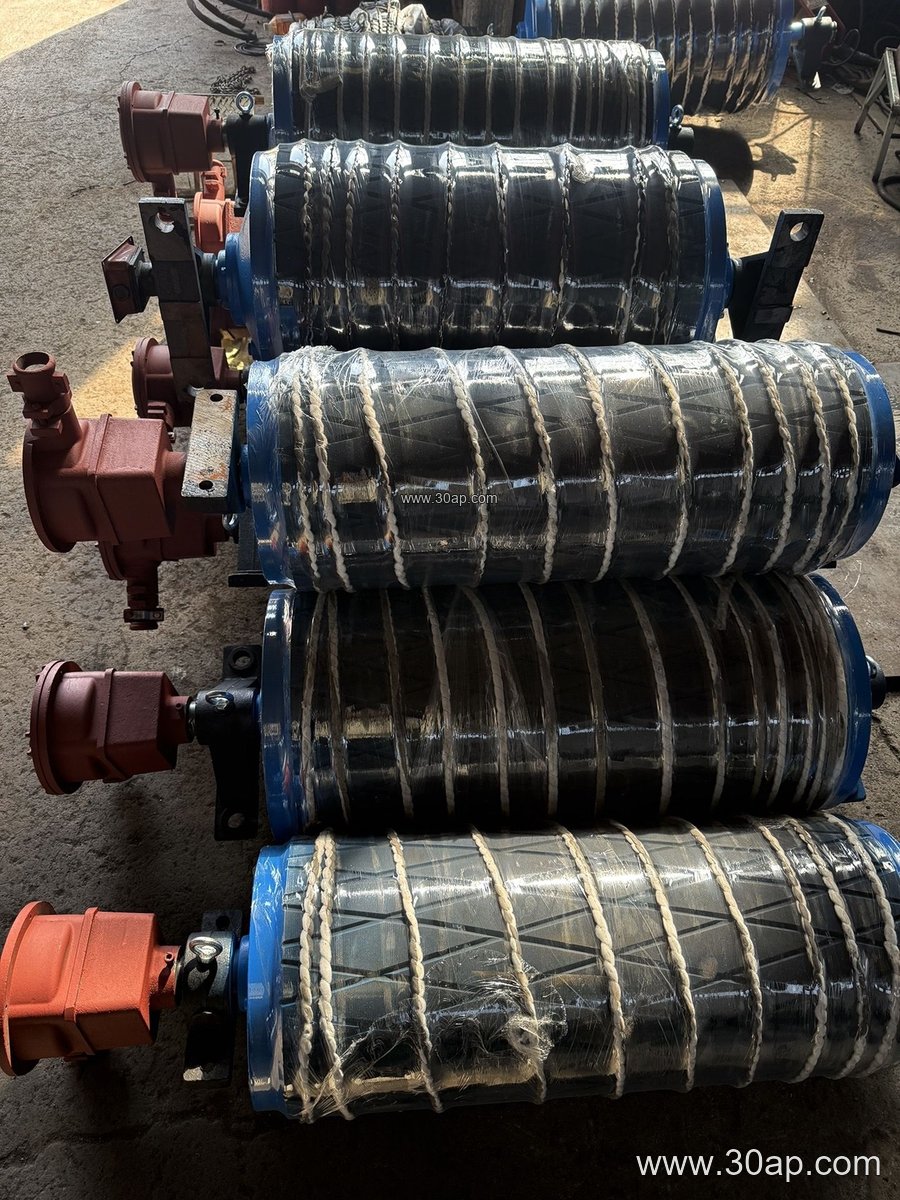
Surface treatment is where most buyers make their choice. Plain steel suits light duties; rubber lagging improves friction; ceramic lagging suits wet or oily conditions. Common lagging forms include plain rubber, diamond grooved rubber, herringbone, cold-bonded sheet, hot-vulcanized rubber and ceramic tiles. Lagging thickness is often 8, 10, 12, 15 or 20 mm.
Typical Sizes and Combinations
Drive pulley sizes follow belt width and the required wrap angle, not a fixed rule. The table below gives reference combinations that appear in normal design work; final values are confirmed by the conveyor designer.
| Belt width | Typical pulley face width | Reference diameter |
|---|---|---|
| B400 | approx. 500 mm | Ø250 to Ø400 |
| B650 | approx. 750 mm | Ø400 to Ø630 |
| B800 | approx. 950 mm | Ø500 to Ø800 |
| B1000 | approx. 1150 mm | Ø630 to Ø1000 |
| B1200 | approx. 1400 mm | Ø800 to Ø1000 |
| B1400 | approx. 1600 mm | Ø800 to Ø1250 |
| B1800 | approx. 2000 mm | Ø1000 to Ø1600 |
Common shaft diameters include Ø50, Ø60, Ø70, Ø80, Ø90, Ø100, Ø120, Ø140, Ø160, Ø180 and Ø200. These are selected from torque, bearing life and shock load; a wider belt does not automatically mean a heavier shaft.
Where It Is Used
Drive pulleys appear in almost every bulk handling line. In a limestone quarry they head the primary crushing discharge belt; in a coal preparation plant they move washed coal to the load-out; in a cement plant they carry clinker and raw meal; in a power plant coal yard they drive the coal conveying system. Port bulk terminals, iron ore and copper ore concentrators, and aggregate plants all rely on the same principle.
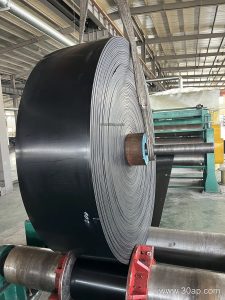
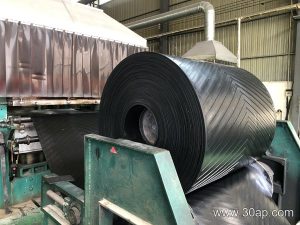
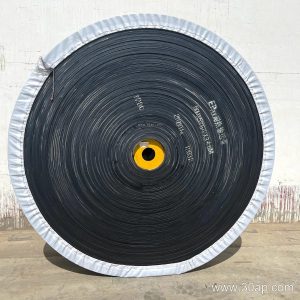
The belt itself changes with the duty: a heavy-duty mining conveyor belt or abrasion resistant conveyor belt in a rock circuit, a flame retardant conveyor belt underground, a heat resistant conveyor belt after a clinker cooler, and an EP conveyor belt or steel cord conveyor belt for long centre distances. The drive drum must match the belt’s tension and friction demand, which is why lagging choice often follows the belt specification.
Drive, Tail and Bend Pulleys Are Not Interchangeable
A tail pulley guides the belt at the loading end and usually carries no drive torque. A bend pulley only changes belt direction. The drive pulley is the one connected to the gearbox and motor, and it sees the highest wrap angle and the greatest surface wear. Substituting a bend drum for a drive drum risks slip and rapid lagging failure. For a comparison only, a wing pulley is sometimes used at the tail to shed sticky material, but it is not a drive component.
What Buyers Should Check
- Confirm belt width, pulley face width and the expected wrap angle before ordering.
- State the lagging type and thickness, for example 12 mm diamond rubber or 15 mm ceramic.
- Provide shaft diameter, bearing type and the centre height required by the conveyor bracket.
- Describe the environment: wet, dusty, oily or high temperature, so the lagging and sealing suit the site.
- Ask for dynamic balance and runout data on large drums, especially above Ø1000.
- Check that the pulley mates with the belt tension calculated for the whole conveyor, not just the head section.
More conveyor component references are available at mbconveyors.com for drum and belt matching, and at mbconveyors.com for idler and bracket data used alongside the drive pulley.
Installation and Maintenance Notes
Alignment between the drive pulley, the gearbox and the belt centre line prevents edge wear. Keep lagging clean; oil and fines reduce friction. Check bolt torque on the lagging and inspect the shell for cracks after heavy impact. A spare drive pulley with matching dimensions shortens downtime in a quarry or coal handling plant where every stopped hour costs production.