What Pulley Lagging Does On A Conveyor
Belt conveyor pulley lagging is the replaceable rubber or ceramic layer bonded to the shell of a conveyor pulley, and its job is simple to describe but hard to overstate: it turns the pulley surface into something that can actually grip a moving belt. In a quarry or an aggregate line, a bare steel shell polished by fines and moisture will slip long before the drive runs out of torque. Lagging restores friction, protects the shell from wear, and in wet or dusty conditions keeps the belt tracking instead of skating.
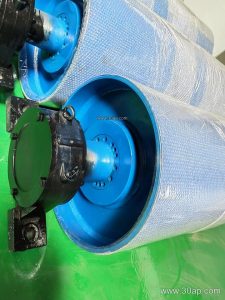
The same covering appears on a drive pulley, a tail pulley, a bend pulley, a tension pulley, and a snub pulley, though each position asks something different of it. Confusing these positions leads to poor specification decisions, so it helps to keep the roles separate. A drive pulley transmits power. A tail pulley turns the belt at the loading end. A bend pulley only changes direction and carries far less load.
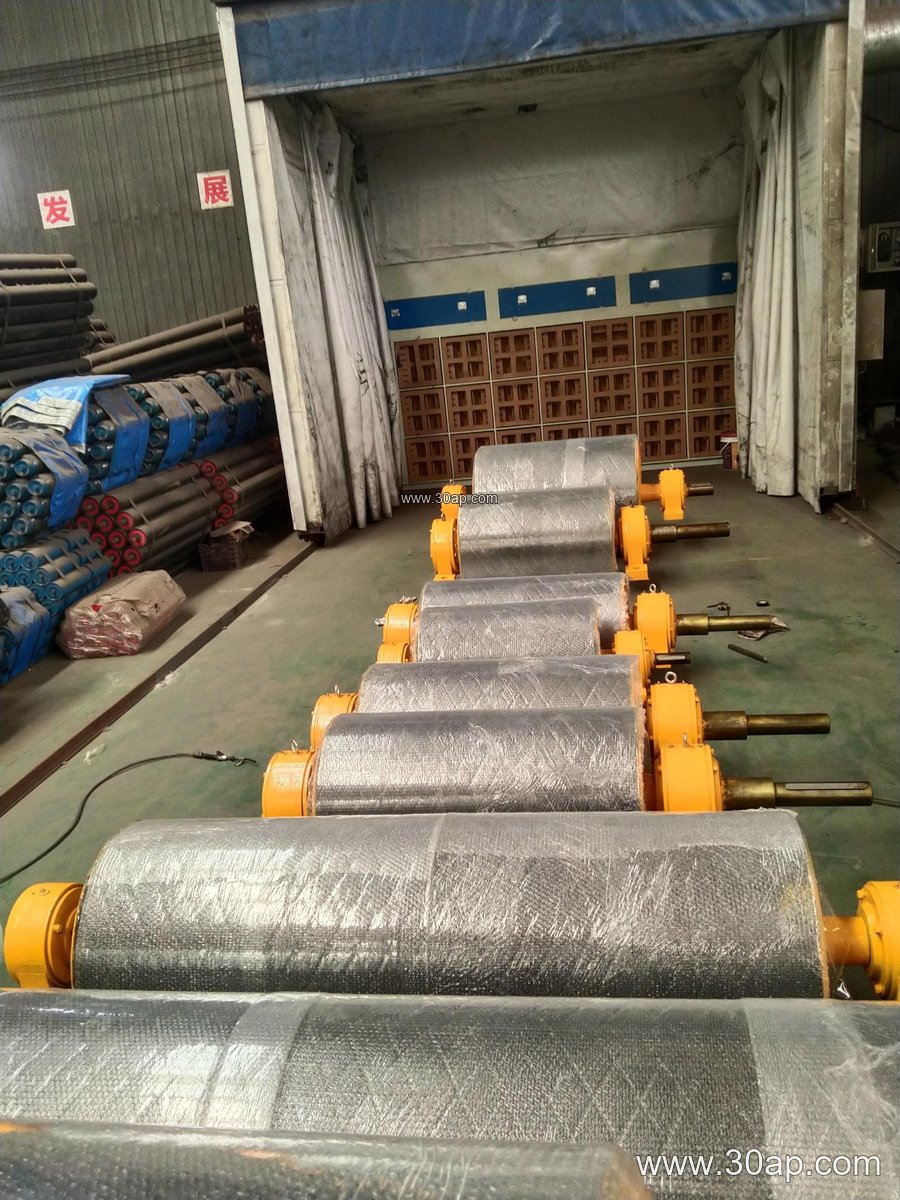
How The Covering Is Built And Attached
Most lagging starts as a rubber sheet with a defined hardness and thickness. Common thicknesses are 8, 10, 12, 15 and 20 mm, chosen against the duty rather than picked at random. Attachment methods fall into three practical groups:
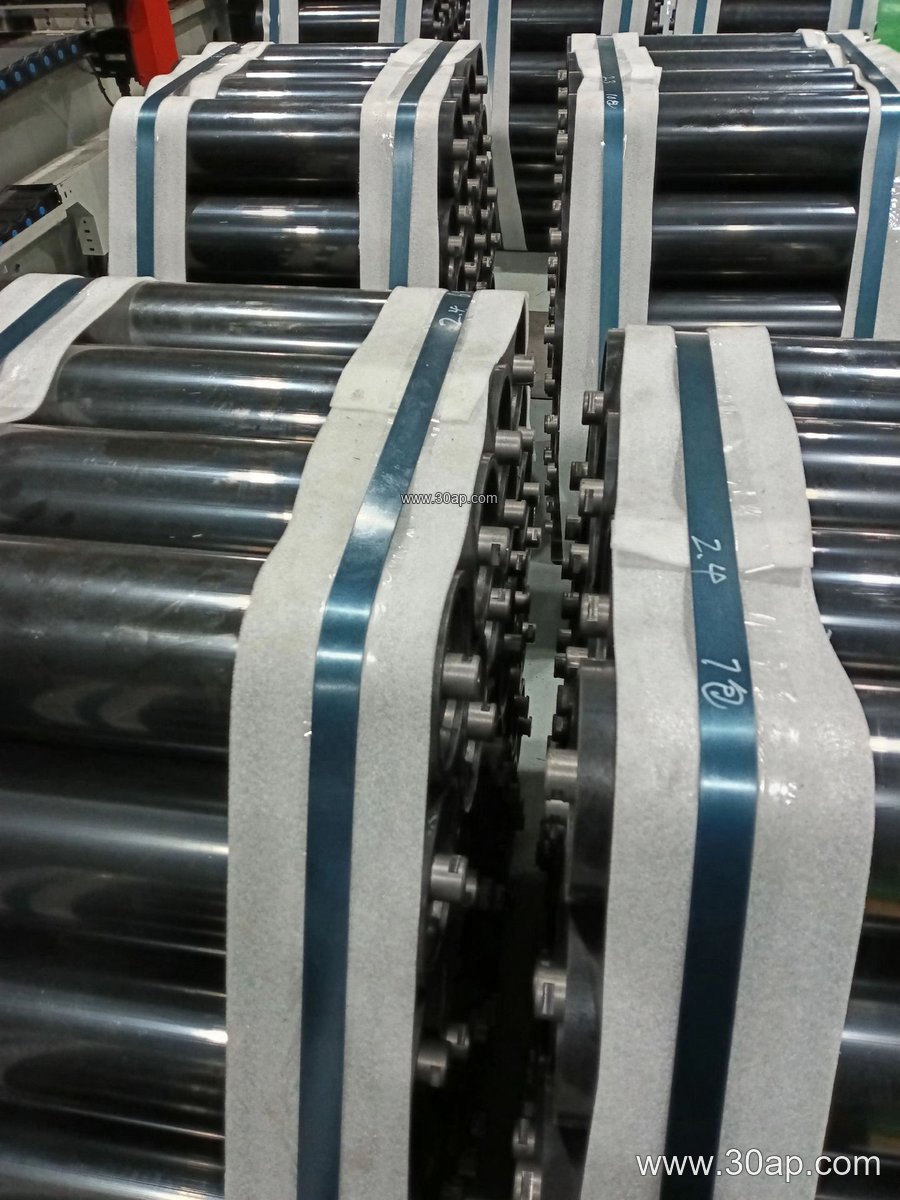
- Hot vulcanized lagging, cured onto the shell for the strongest bond in heavy-duty service
- Cold bonded rubber, applied with adhesive where hot work is impractical
- Mechanical or bolt-on strips, useful where fast field replacement matters
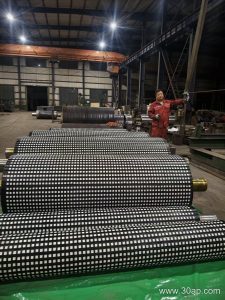
Surface form matters as much as compound. Plain or flat rubber suits many general duties. Diamond lagging sheds water and fines well. Herringbone grooving pushes water outward as the pulley turns. Ceramic tiles embedded in rubber give the highest grip in wet, muddy conditions and are often seen on drive pulleys in washing plants and aggregate handling. The shell itself is usually wider than the belt, so a B800 belt typically runs on a pulley face of roughly 950 mm, and a B1200 belt on about 1400 mm. These are reference relationships, not fixed rules.
Where It Earns Its Keep
In a limestone quarry, the drive pulley on the main incline sees constant dust and occasional rain, and slipping there stops the whole plant. In a coal preparation plant, wet fines make bare steel almost useless, so diamond or ceramic lagging is common. Cement plants handling hot clinker ask the lagging to survive elevated temperature as well as abrasion. Power plant coal handling and port bulk terminals place similar demands on the head pulley.
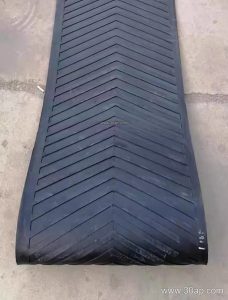
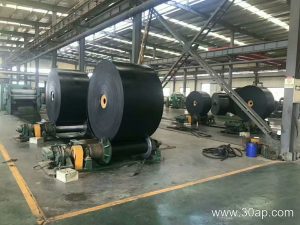
The belt itself is part of the decision. A heavy abrasion resistant conveyor belt or a steel cord conveyor belt carrying high tension needs reliable friction at the drive, while a chevron conveyor belt on an incline may need different tracking attention at the tail. When the belt is a fabric core conveyor belt or a multi-ply fabric core conveyor belt, the pulley diameter and lagging thickness should be checked so the belt is not over-flexed.
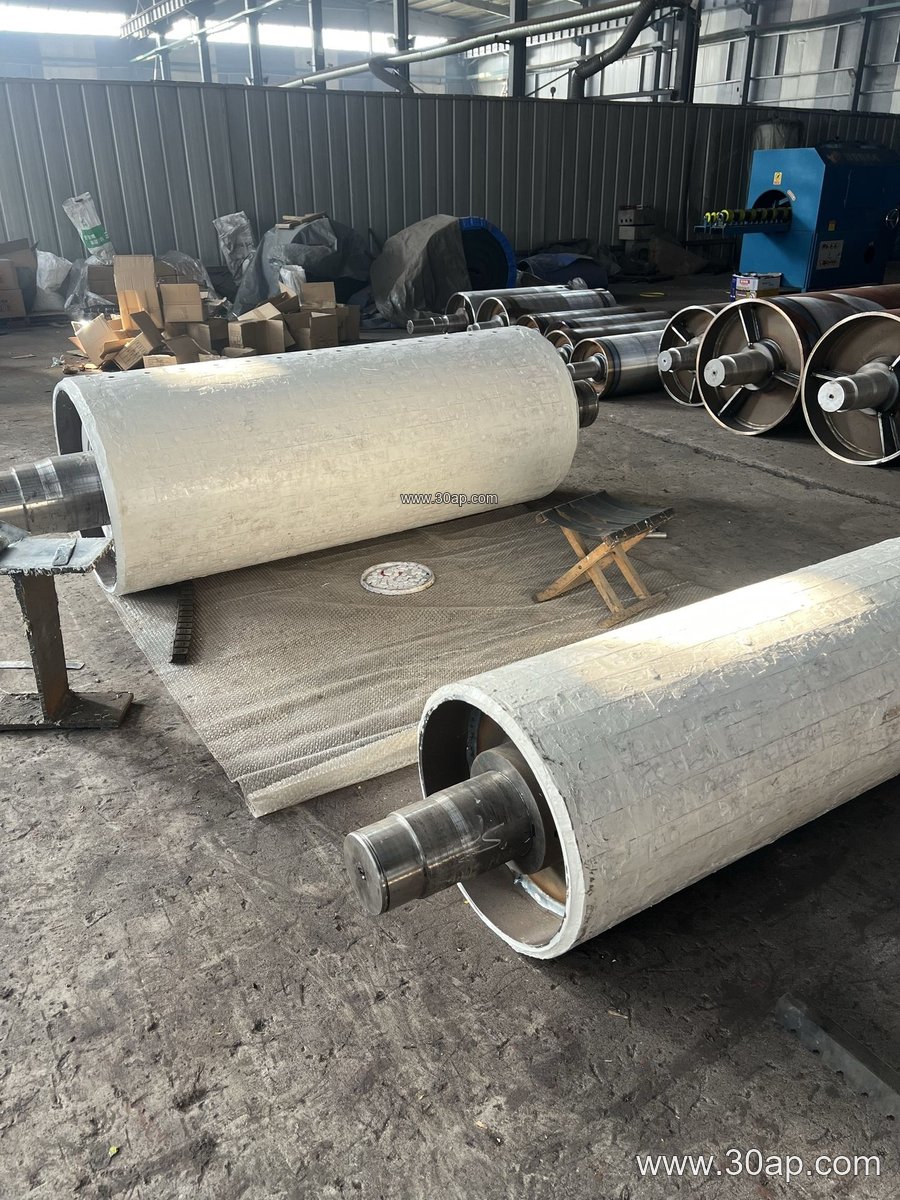
Sizing Notes For Buyers
Diameter and face width are usually set by the conveyor design, but the lagging adds thickness that affects the effective diameter and the belt path. Record the shell diameter, the finished diameter after covering, and the shaft size before ordering. Shaft diameters such as Ø80, Ø100, Ø120 or Ø160 are determined by torque and load, never by belt width alone. A B1200 × Ø1000 drive pulley and a B800 × Ø500 tail pulley can both exist in one plant with completely different lagging needs.
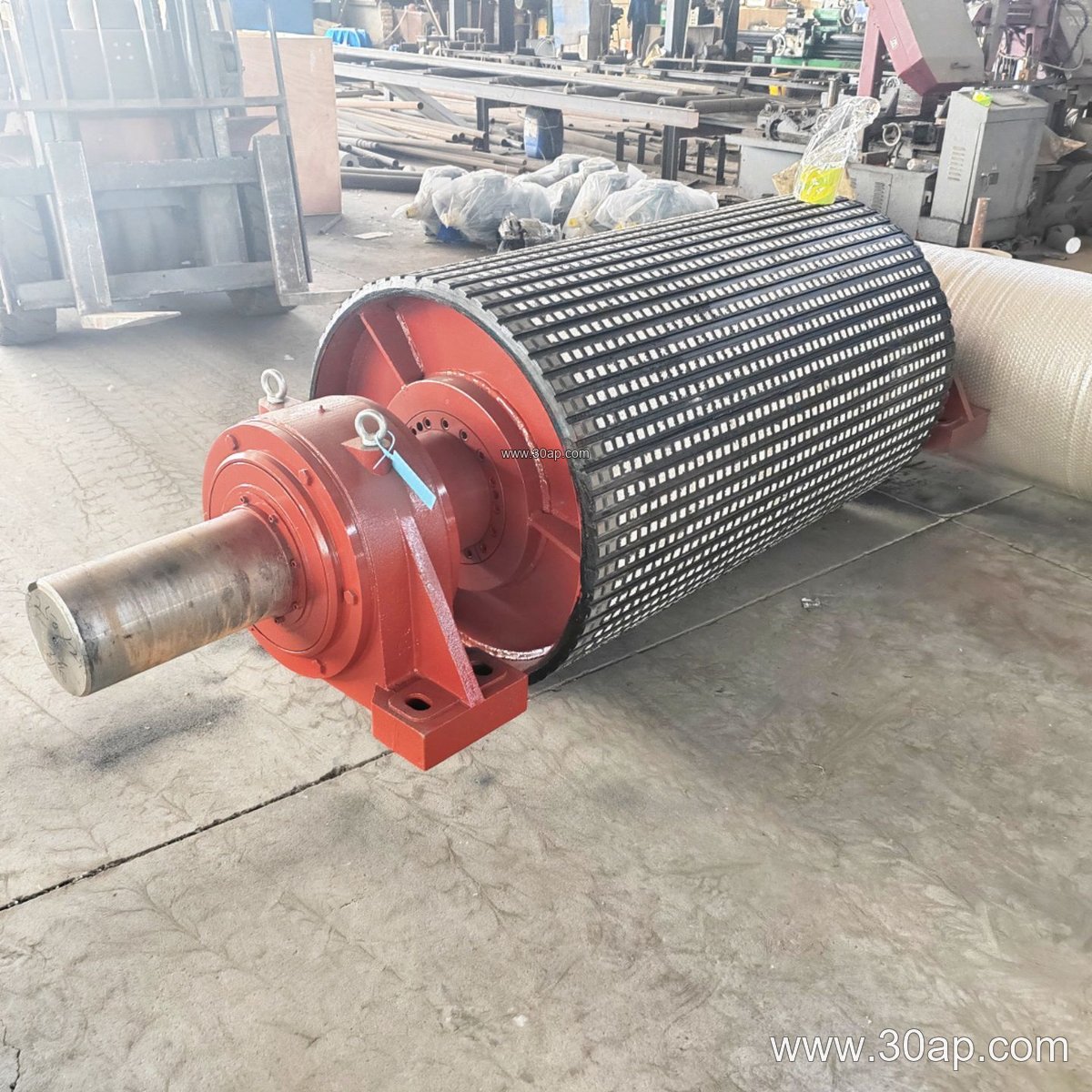
Buyers should also confirm the pulley position, the material being carried, whether wash-down is routine, and the ambient temperature. A covering that works on a dry sand and gravel line may fail quickly in a tunnel boring spoil system or a fertilizer plant with chemical exposure. Ask for the compound hardness, the surface pattern, and the bonding method in writing, and keep spare strips for the pulleys that wear fastest.
Maintenance And Replacement
Inspect lagging at every shutdown. Look for worn grooves, missing ceramic tiles, lifted edges, and glazing. A glazed rubber surface looks intact but offers little grip. Replace before the shell is exposed, because once steel contacts the belt, both the pulley and the belt suffer. Keep the conveyor belt clean and the idler roller frames aligned, since poor tracking accelerates edge wear on the lagging.
For plant operators working with rubber conveyor belt systems, EP conveyor belt drives, or flame retardant conveyor belt installations in underground mining, matching the lagging to the actual duty is the difference between a reliable drive and a repeated downtime item. The covering is a small part of the conveyor, but it decides whether the belt moves.