What a Custom Conveyor Pulley Actually Is
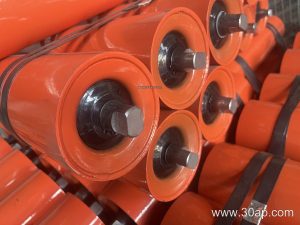
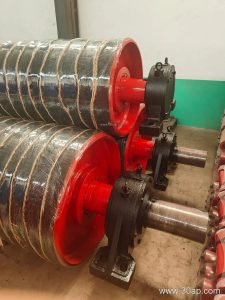
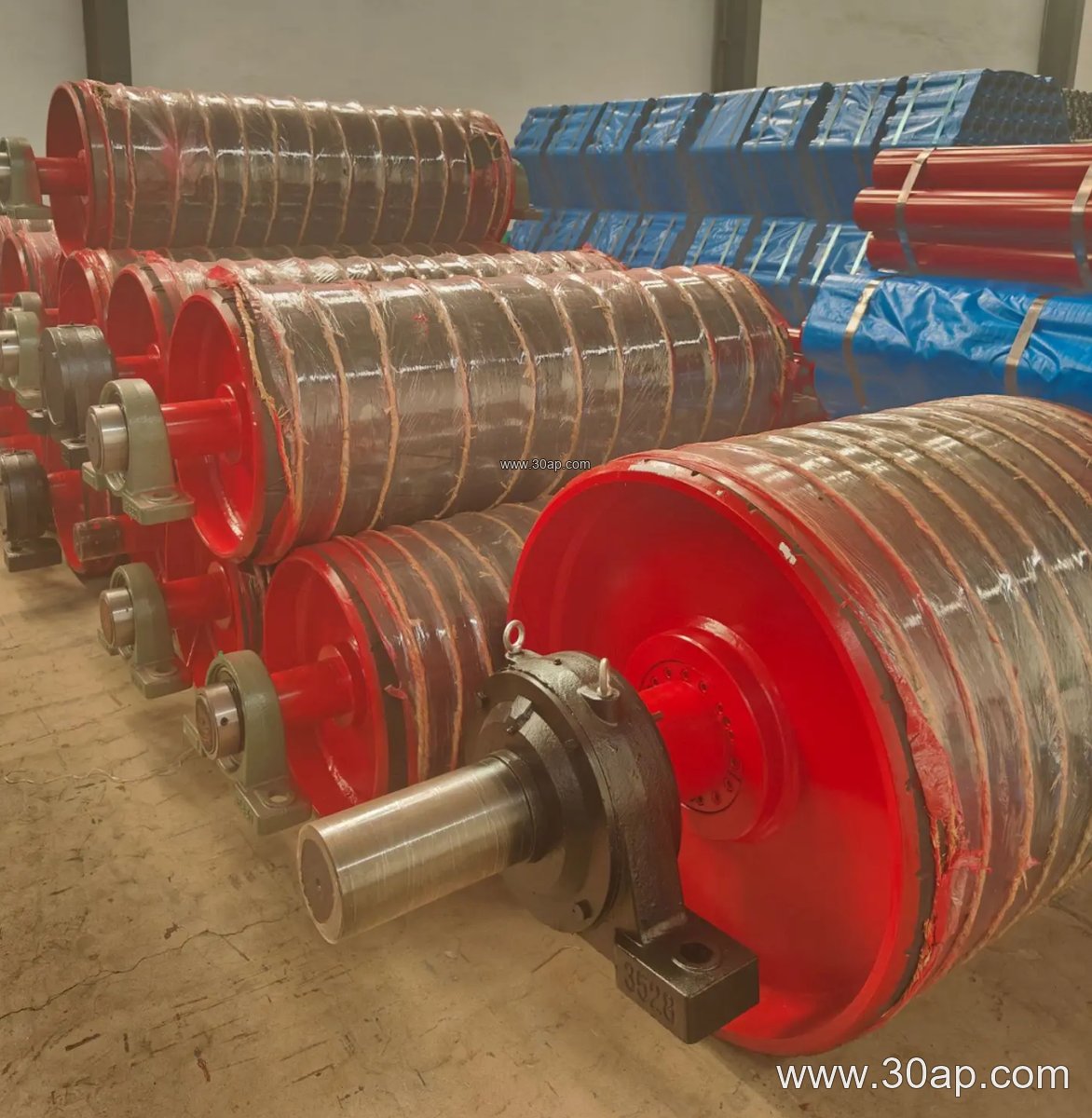
A custom conveyor pulley is a purpose-built drum assembly made to match a specific conveyor layout rather than taken from a short list of stock sizes. It combines a shell, end discs, a shaft, bearing housings, and a chosen lagging surface into one unit that fits the frame, the belt path, and the load profile of a given line. In a quarry or a sand and gravel plant, the difference between an off-the-shelf drum and a made-to-order one often shows up in belt tracking, bearing life, and how quickly a replacement can be fitted during a shutdown.
Buyers usually meet this component under several accurate names: pulley drum, belt pulley, conveyor drum pulley, or simply custom pulley. These all refer to the same product family. Drive pulleys, tail pulleys, and bend pulleys are separate roles and are not interchangeable, so the duty position should be fixed before any drawing is approved.
How the Assembly Is Built
The shell is normally rolled steel, machined at the ends and welded to dished or flat end discs. The shaft is sized by torque and radial load, not by belt width alone, so a B800 line and a B1200 line may share a shaft diameter if the duty is light, while a heavily loaded drum can need a much larger shaft. Common shaft sizes include Ø80, Ø100, Ø120, Ø140, and Ø160, with larger diameters used where starting torque and cantilever loads demand it.
Bearing housings, keyways, and locking arrangements are matched to the drive or non-drive role. Surface finish matters as much as structure: plain, rubber lagged, cold-bonded rubber, hot-vulcanized rubber, diamond grooved, herringbone grooved, ceramic lagged, and flat rubber are all used, with lagging thickness commonly 8, 10, 12, 15, or 20 mm depending on grip and wear requirements.
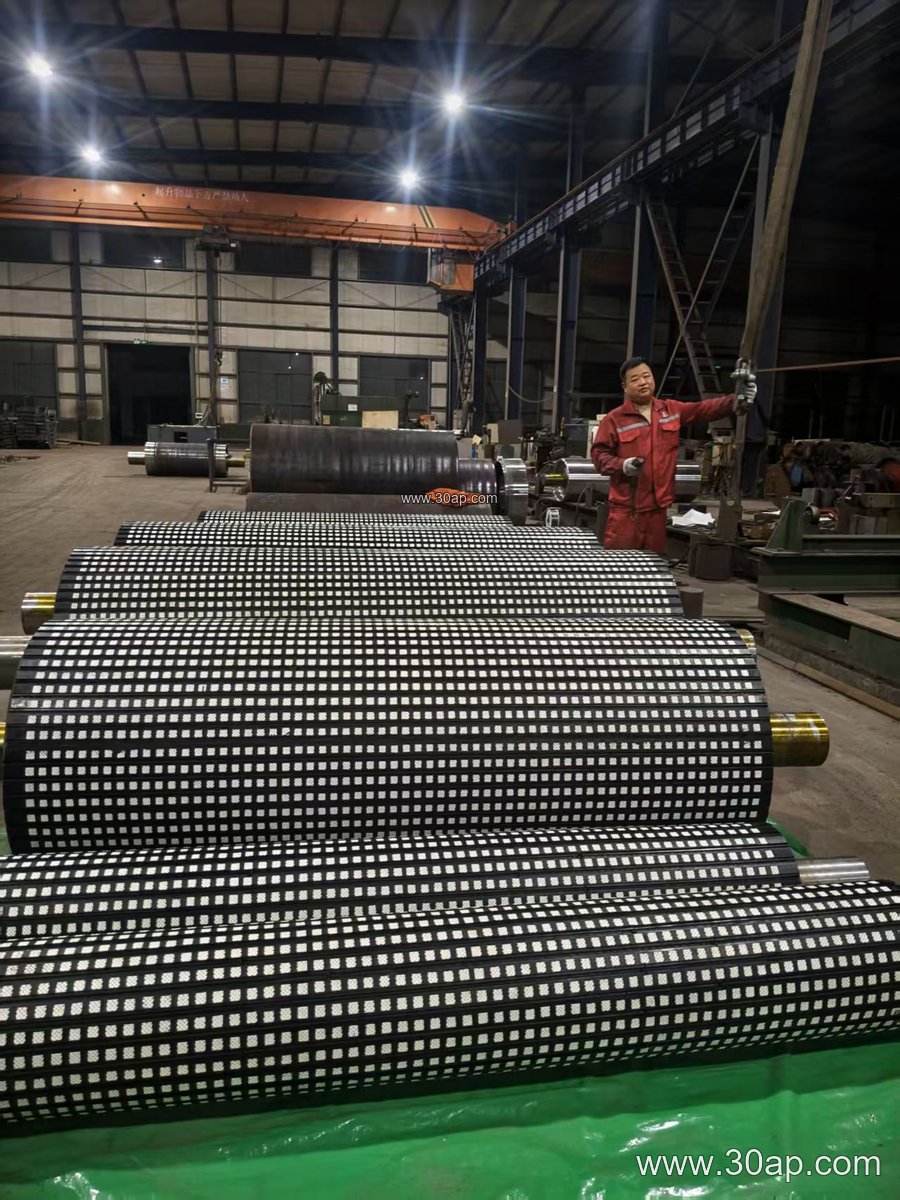
- Shell and end disc welded and stress-relieved where required
- Shaft machined for bearings, keys, and coupling fit
- Lagging bonded or vulcanized to the shell
- Balancing and runout checks before dispatch
Where These Drums Earn Their Keep
In a limestone mine or a cement plant clinker line, a custom conveyor pulley is often specified for the head position where the belt discharges and carries the highest tension. In a coal washing plant or a power station coal yard, flame retardant and anti-static properties of the belt interact with lagging choice, because slippage on a drive drum can create heat. A copper or iron ore concentrator may call for ceramic lagging on the drive drum to hold grip under wet, gritty conditions.
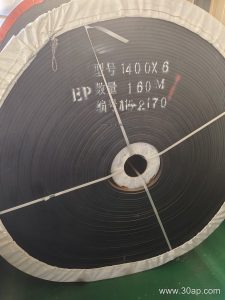
The drum also has to suit the belt it carries. A heavy-duty mining conveyor belt with a steel cord carcass behaves differently from a multi-ply fabric core belt, and a pipe conveyor belt or a corrugated sidewall belt places its own demands on drum width and face condition. Matching the pulley to an abrasion resistant conveyor belt in a crusher discharge, or to a heat resistant belt near a sinter cooler, is part of the same decision.
Common Size Combinations and Face Width
Face width is usually a little wider than the belt so the belt is supported across its full width. The table below shows typical pairings used in enquiries; these are reference values, not fixed rules, and final dimensions follow the conveyor design.
| Belt width | Typical face width | Example drum size |
|---|---|---|
| B500 | about 600 mm | Ø400 or Ø500 |
| B650 | about 750 mm | Ø500 |
| B800 | about 950 mm | Ø500 or Ø630 |
| B1000 | about 1150 mm | Ø630 or Ø800 |
| B1200 | about 1400 mm | Ø800 or Ø1000 |
| B1400 | about 1600 mm | Ø800 or Ø1000 |
| B1600 | about 1800 mm | Ø1000 or Ø1250 |
| B1800 | about 2000 mm | Ø1250 or Ø1400 |
Diameter choices commonly range from Ø200 and Ø250 on small tail positions up to Ø1600 and Ø1800 on large head drives. A B1200 × Ø1000 drum is a frequent combination, but a B1200 line with lower tension may run a smaller diameter, and a short, high-tension conveyor may need a larger one. Belt width never dictates a single diameter.
What to Fix Before Ordering
A clear enquiry shortens lead time. State the duty position, the belt width and type, the belt speed, the wrap angle, and the expected tension. Confirm whether the drum is driven or free-running, and whether a bend pulley or take-up pulley is also needed on the same frame. Give the shaft diameter required by the coupling and bearing, and note the lagging pattern and thickness if grip or wear is critical.
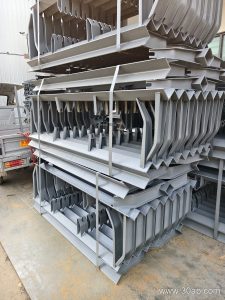
Also describe the environment: dust in a crushing and screening circuit, moisture in a wash plant, or heat near a kiln discharge all influence lagging and bearing protection. Confirm the conveyor bracket interface and bearing centre height so the new drum drops into the existing frame. For anyone sourcing through a bulk handling supplier, it helps to mention the idler roller and conveyor bracket arrangement at the same time, since alignment across the whole frame affects belt tracking.
Finally, ask for a drawing showing shell thickness, shaft material, lagging specification, and balance grade before manufacturing begins. A well-specified custom conveyor pulley should arrive ready to mount, with dimensions that match the belt, the frame, and the duty it will face every shift.