What an Endless Conveyor Belt Is
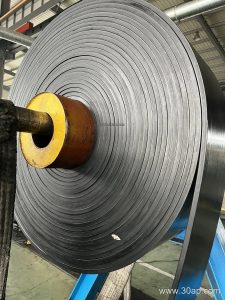
An endless conveyor belt is a belt that has been joined into a continuous loop before it is installed on the conveyor frame. Instead of being threaded through the machine and spliced on site, the belt arrives as a closed ring, so the tensile members run without a transverse joint at the carrying surface. This construction is common where a smooth, uninterrupted top cover matters, where the belt path is short and fixed, or where on-site splicing would be difficult to control.
The product is also described as a belt made endless, a spliced endless belt, or a factory-jointed loop. These are equivalent names for the same item. They are not interchangeable with drive pulleys, tail pulleys, or bend pulleys, which are separate components of the conveyor.
How the Loop Is Built
Most endless belts start as a length of fabric-core or steel-cord belt. The ends are prepared by stripping cover rubber and stepping the fabric plies or arranging the steel cords, then the joint is cured under heat and pressure. A well-made joint keeps the carcass aligned and limits the thickness variation that can cause tracking problems.
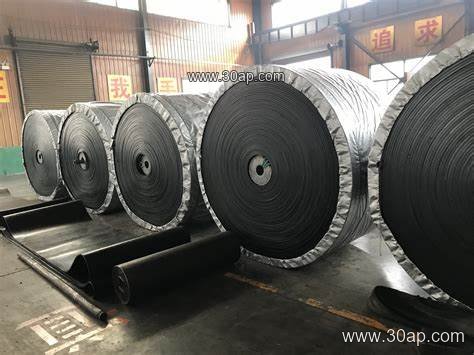
Construction details vary with the belt type. A multi-ply fabric core such as an EP or NN belt uses stepped ply joints, while a steel cord belt needs careful cord spacing and uniform tension across the splice. Surface patterns, sidewalls, and cleats are usually molded before final joining so the loop closes cleanly.
Typical reference data
The values below are common reference ranges, not fixed rules. Actual construction is set by the conveyor design.
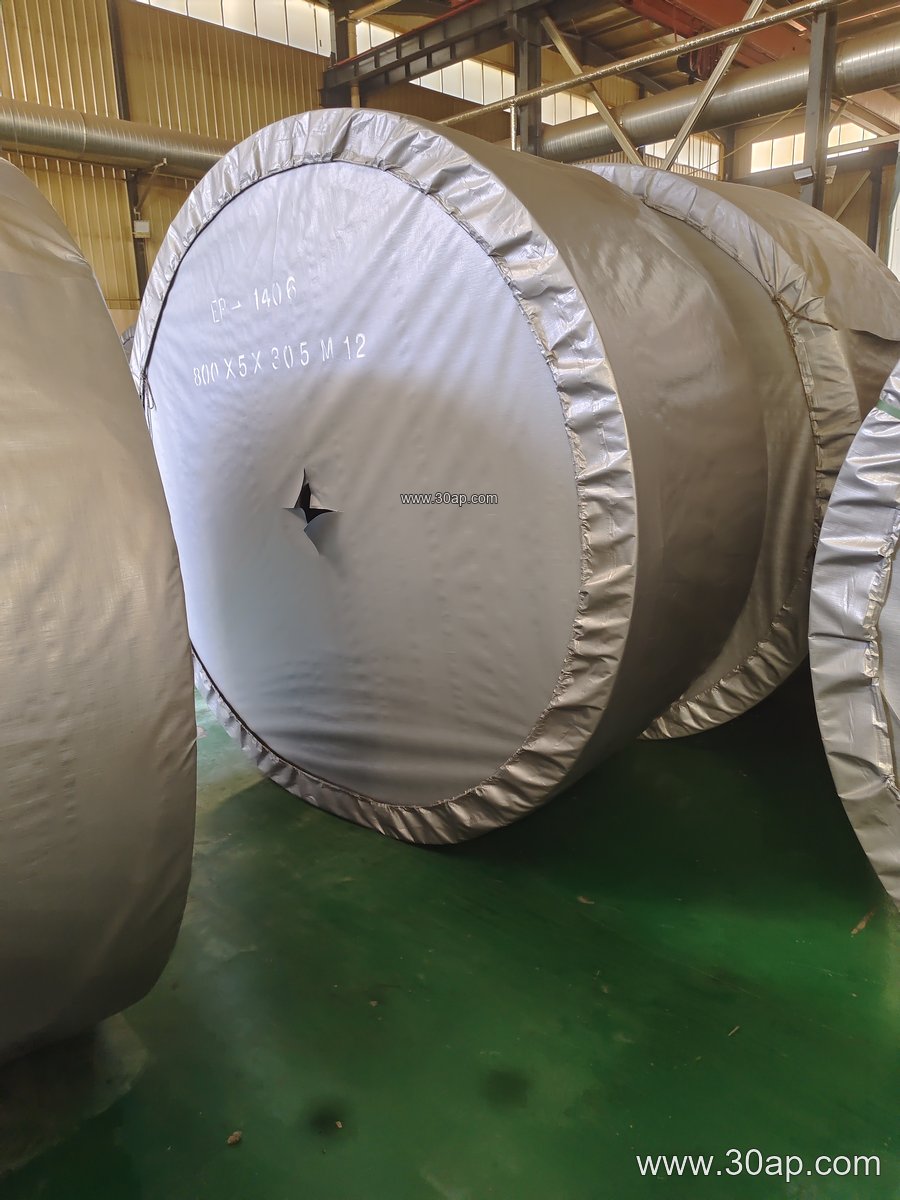
- Fabric core grades: EP200, EP315, EP400, EP500, EP630, EP800, EP1000, EP1250, EP1600, EP2000
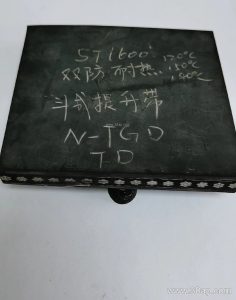
- Steel cord grades: ST1000, ST1250, ST1600, ST2000, ST2500, ST3150
- Belt widths: B500, B650, B800, B1000, B1200, B1400, B1600, B1800, B2000
- Cover rubber: 3+1.5, 4+2, 5+2, 6+2, 8+3 mm
- Carcass plies: usually 2 to 6 layers in fabric-core designs
These figures are reference data only. A given width does not dictate one pulley diameter, and shaft size is determined by the pulley and conveyor design rather than by belt width alone.
Where Endless Belts Fit
Short center distances and constant belt paths suit a closed loop well. In a sand and gravel plant, a loop on a transfer conveyor reduces the chance of a splice failure at a discharge point. In cement plants and power plants, endless belts handle clinker, limestone, and coal on feeders and short haul conveyors. Underground coal mining conveyors often benefit from a factory joint where flame retardant and anti-static properties must remain continuous across the belt.
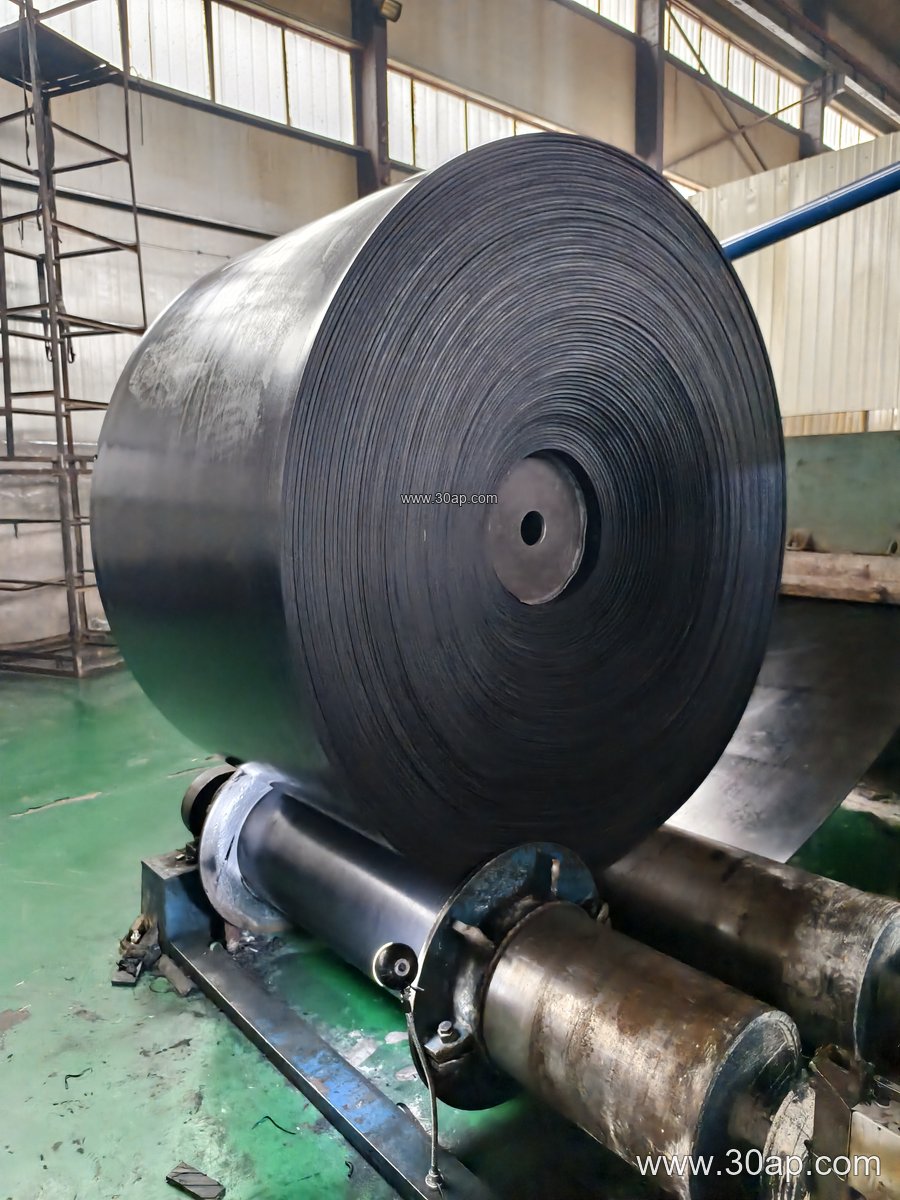
Other industries include iron ore and copper ore handling, port ship loading, recycling lines, and stone crushing circuits. In food processing, a food grade endless belt gives a hygienic, joint-free carrying surface that is easier to clean.
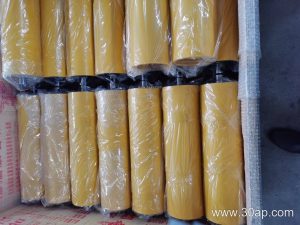
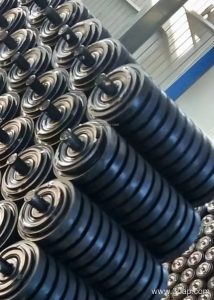
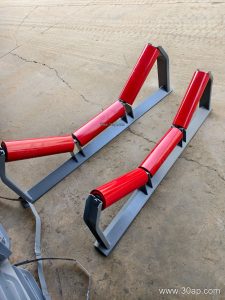
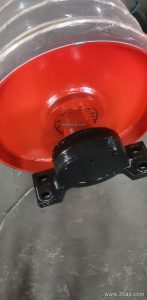
Related hardware matters too. Idler rollers support the belt along the carry and return sides, conveyor pulleys transmit drive and change direction, and conveyor brackets hold the frame together. None of these replaces the belt; they work with it.
Choosing the Right Construction
Start with the material being carried. Abrasion resistant grades suit crushed rock and ore, while a heat resistant belt is needed near clinker or sinter. Oil resistant covers help with oily scrap, and a flame retardant or fire resistant belt is usual in coal mining and underground mining conveyors. Cold resistant compounds are used in unheated plants and outdoor yards.
Then match the carcass to the duty. An EP conveyor belt or NN conveyor belt is common for general bulk material handling. A steel cord conveyor belt is chosen for long, high-tension runs. Where a closed trough is needed, a pipe conveyor belt is a different design and should be compared on its own merits, not treated as a substitute for a flat loop.
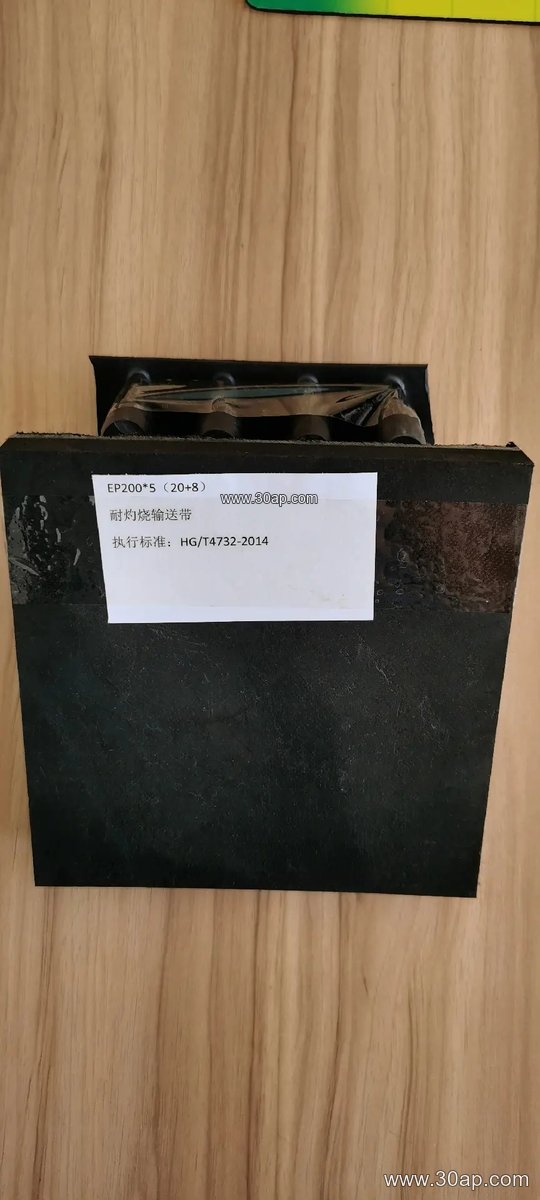
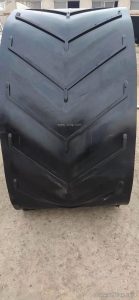
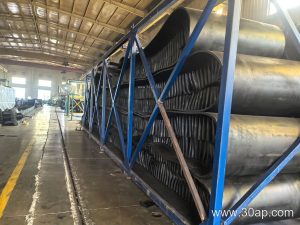
Surface form follows the application. A chevron conveyor belt or a corrugated sidewall belt with skirted edges helps on inclines. A smooth endless belt is often preferred where cleaning, tracking, or a flat carrying surface is the priority.
Finally, confirm the joint method with the supplier, the pulley diameters, the take-up travel, and the ambient conditions. The loop length must allow for tensioning without over-stressing the splice.
Installation and Care
Handle a closed loop carefully during transport to avoid twisting the carcass. Align the frame, check pulley and idler roller condition, and tension gradually. Watch the joint during the first shifts for edge separation or thickness steps. Keep the belt clean, avoid material buildup on return rollers, and inspect the splice at scheduled stops. For more on matched components, see the conveyor belt and conveyor pulley ranges at www.example.com, and check idler roller options at www.example.com before ordering.