What a Return Idler Bracket Does
A return idler bracket is the support that holds the return idlers beneath the carrying run of a conveyor. While the top run carries the load, the belt comes back underneath, and the return idler bracket keeps that lower strand tracking in a stable, controlled position. In a quarry or a cement plant, this small steel component quietly determines how well the belt behaves on its homeward journey. Without a properly aligned bracket, the return roller can skew, the belt edge can fray, and fine material can spill along the whole length of the structure.
The bracket also sets the working height of the return roller relative to the belt. If that height is wrong, the belt may sag between idlers or rub against the frame. A correctly built return idler bracket therefore does more than hold a roller; it protects the belt, the pulley and the whole conveyor frame.
Construction and Common Forms
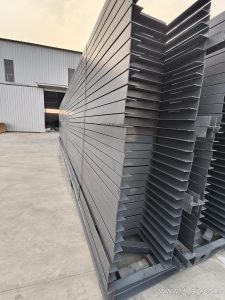
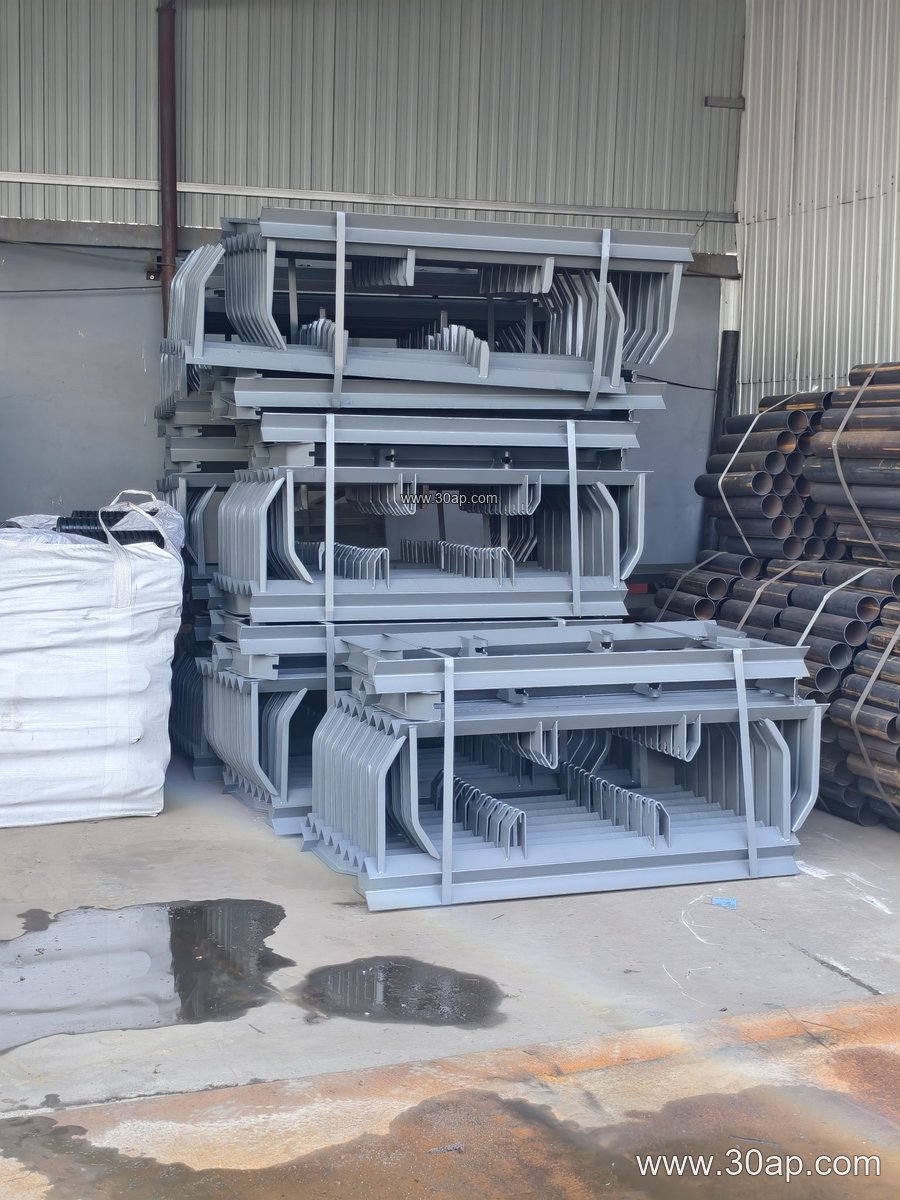
Most return idler brackets are fabricated from angle steel, channel steel or folded steel plate. The fabrication should be square and the mounting slots should be positioned so the return roller sits parallel to the belt line. There are several common arrangements:
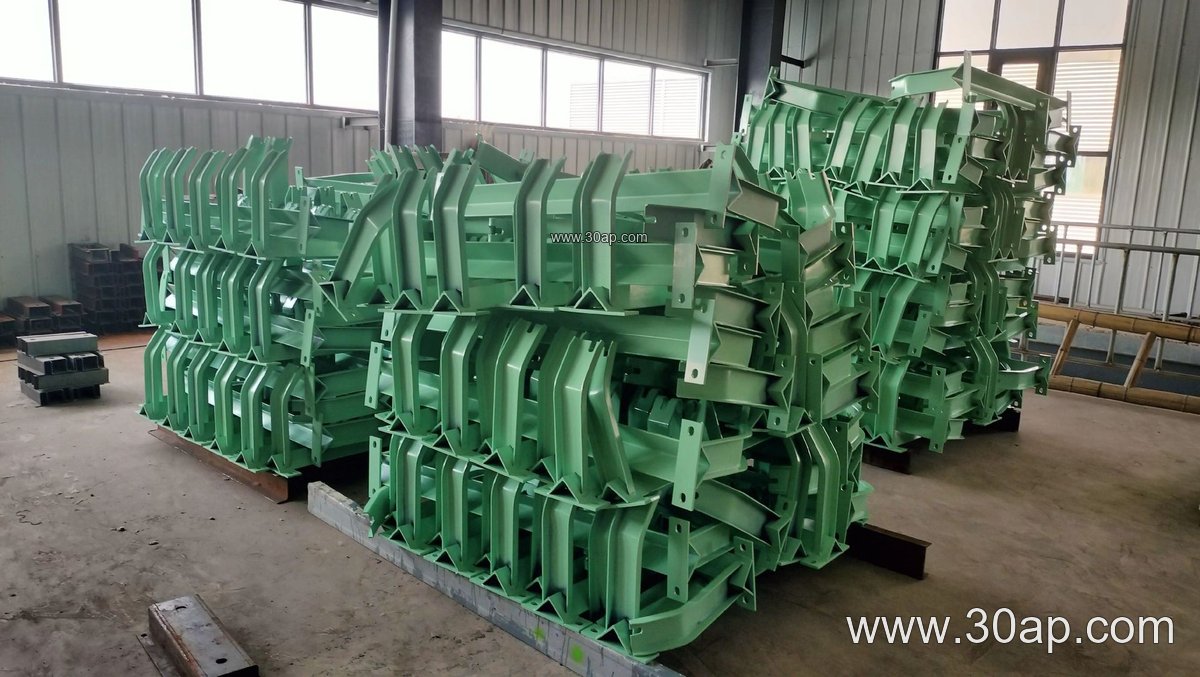
- Flat return brackets that carry a single horizontal return roller
- V-return brackets that use two rollers set at an angle to help centre the belt
- Adjustable brackets that allow the roller position to be corrected after installation
- Hanger brackets used where the return run sits close to the structure
Surface treatment matters in dusty or wet service. In a coal preparation plant or a power station coal yard, a painted or galvanised bracket resists corrosion and keeps the mounting faces clean enough for accurate roller alignment.
Where It Fits in the Conveyor
The return idler bracket is normally bolted to the stringer or the longitudinal beam of the conveyor frame. Spacing between brackets follows the belt width, the belt tension and the load carried on the top run. In a stone crushing line or an aggregate yard, return brackets are often placed at closer intervals near the head pulley, where the belt is under greater tension and more likely to lift. In a port or a ship loading conveyor, the return run can be long, so bracket spacing is usually set by the conveyor designer rather than by a single rule.
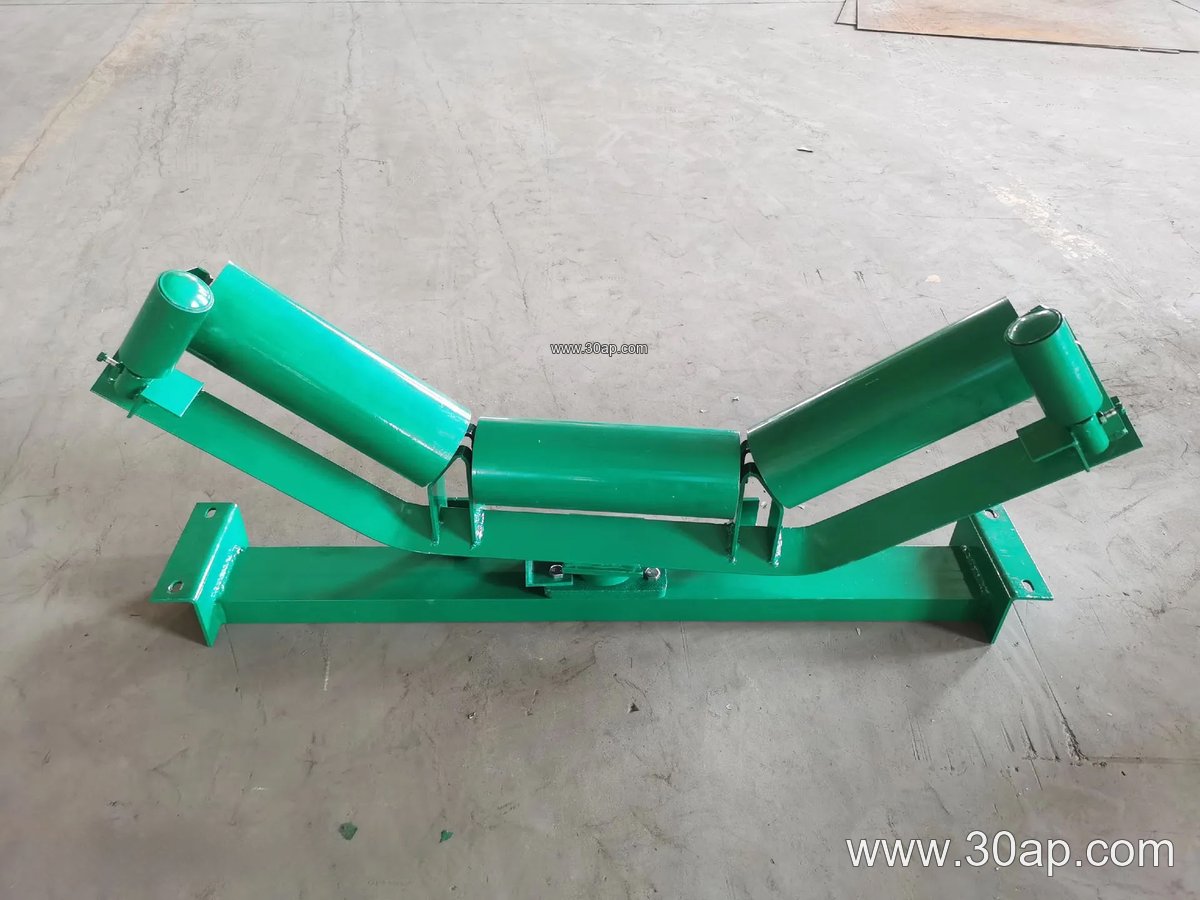
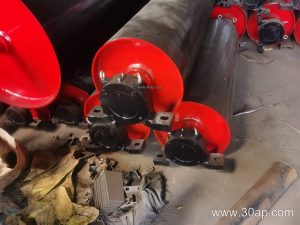
The bracket works together with the conveyor belt, the idler roller and the conveyor pulley. A heavy-duty mining conveyor belt moving coarse ore demands a sturdier bracket than a light fabric core belt in a grain silo. On a long overland system carrying an EP conveyor belt or a steel cord conveyor belt, the return brackets must be robust enough to resist vibration and belt wander over many kilometres of structure.
Sizes and Selection Notes
Return idler brackets are usually matched to belt width and roller diameter. The table below shows typical reference combinations; actual mounting hole spacing and beam length are determined by the conveyor design.
| Belt Width | Common Roller Diameter | Typical Bracket Form |
|---|---|---|
| B500 | Ø89 | Flat or V-return |
| B650 | Ø89 / Ø108 | Flat, V-return or hanger |
| B800 | Ø108 / Ø133 | Flat or adjustable |
| B1000 | Ø108 / Ø133 | Flat or V-return |
| B1200 | Ø133 / Ø159 | Adjustable or V-return |
| B1400 | Ø133 / Ø159 | Heavy flat or V-return |
| B1600 | Ø159 / Ø194 | Heavy flat or adjustable |
| B1800–B2000 | Ø159 / Ø194 | Heavy fabricated bracket |
When selecting, check the roller shaft diameter and the bracket slot size, the frame beam spacing, and whether the installation needs field adjustment. A bracket that is too light for the duty will bend, and a bent bracket will misalign the return roller and damage the belt edge. Buyers working with an abrasion resistant conveyor belt in an iron ore plant should ask for a heavier section than buyers running a food grade conveyor belt in a clean indoor line.
Installation and Maintenance
Install the return idler bracket square to the belt centreline, and keep the mounting bolts tight. On an adjustable bracket, set the roller position so the belt runs centrally without excessive side force. Inspect brackets during routine idler checks: look for bent flanges, worn slots, loose bolts and rust at the mounting faces. In a coal mining conveyor or an underground coal mining conveyor, a loose bracket can drop a return roller into the walkway, so frequent inspection is worthwhile.
Replacing a return idler bracket is a straightforward task when the frame and roller sizes are known. Keep a small stock of common brackets for the belt widths in service, and record the roller diameter used at each location. For more on conveyors and components, visit china-conveyorbelt.com and review matching conveyor bracket options before ordering.
Buyer Checklist
- Confirm belt width and return roller diameter
- Check the shaft end shape and the slot size of the bracket
- Decide between fixed and adjustable forms
- Match the steel section and finish to the site conditions
- Verify beam spacing and bolt hole centres on site
A well-chosen return idler bracket is a low-cost part that protects expensive equipment. Whether the site handles quarry rock, cement clinker, coal or grain, the right bracket keeps the return run straight and the conveyor belt running true.