What a Conveyor Equipment Pulley Does on a Belt System
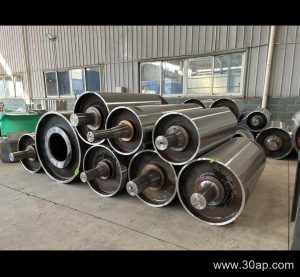
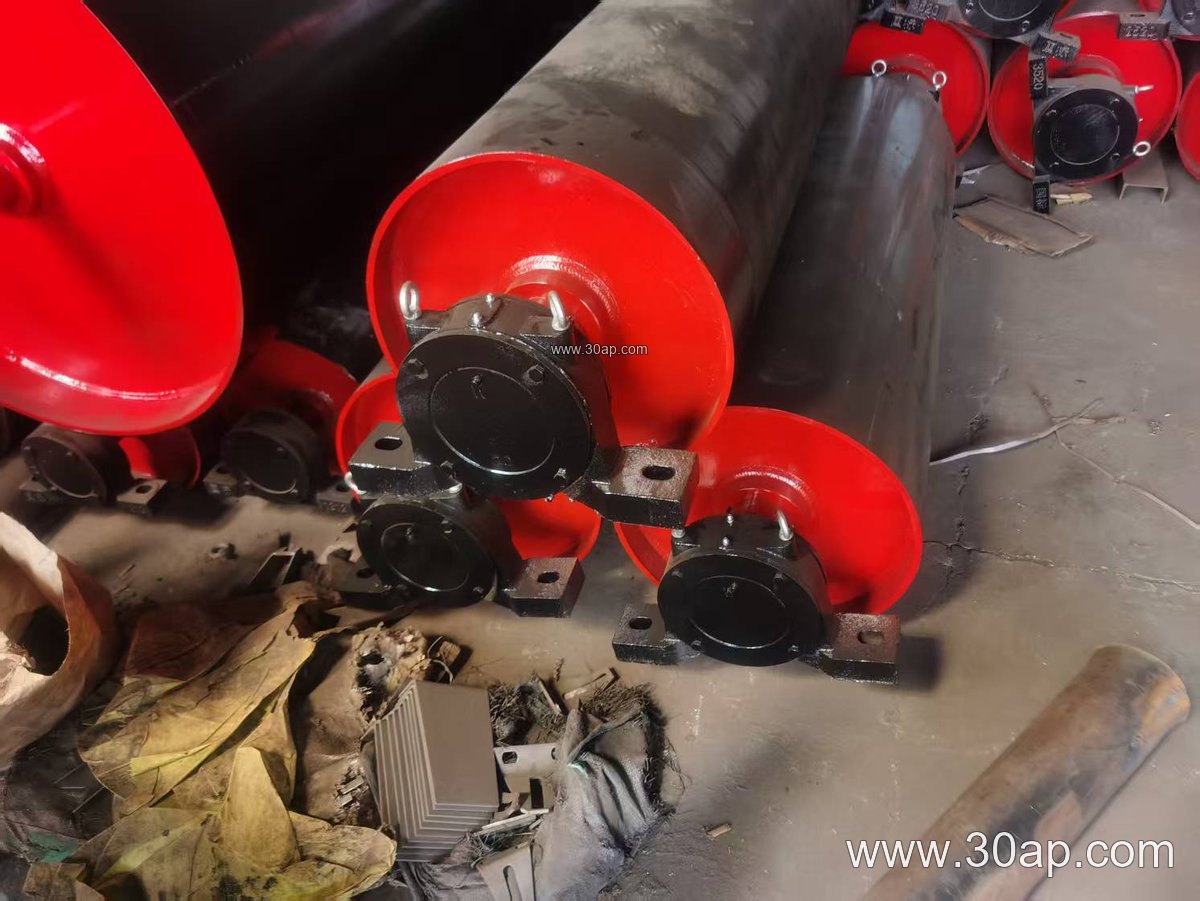
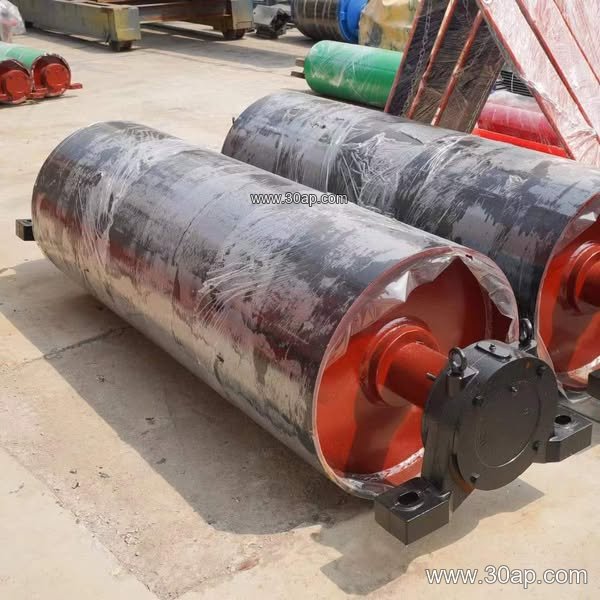
A conveyor equipment pulley is the rotating drum that carries, drives, or redirects the conveyor belt. It is not a single role but a family of positions on the same machine: the drive pulley at the head transfers torque from the gearbox to the belt, the tail pulley returns it, and bend or take-up pulleys guide it through the structure. Each position sees different loads, and a pulley that suits one duty should not be swapped into another without checking the design. On a quarry conveyor, for example, a head pulley may face heavy impact from coarse rock, while a bend pulley further along the line mainly controls belt tracking.
Construction and Surface Options
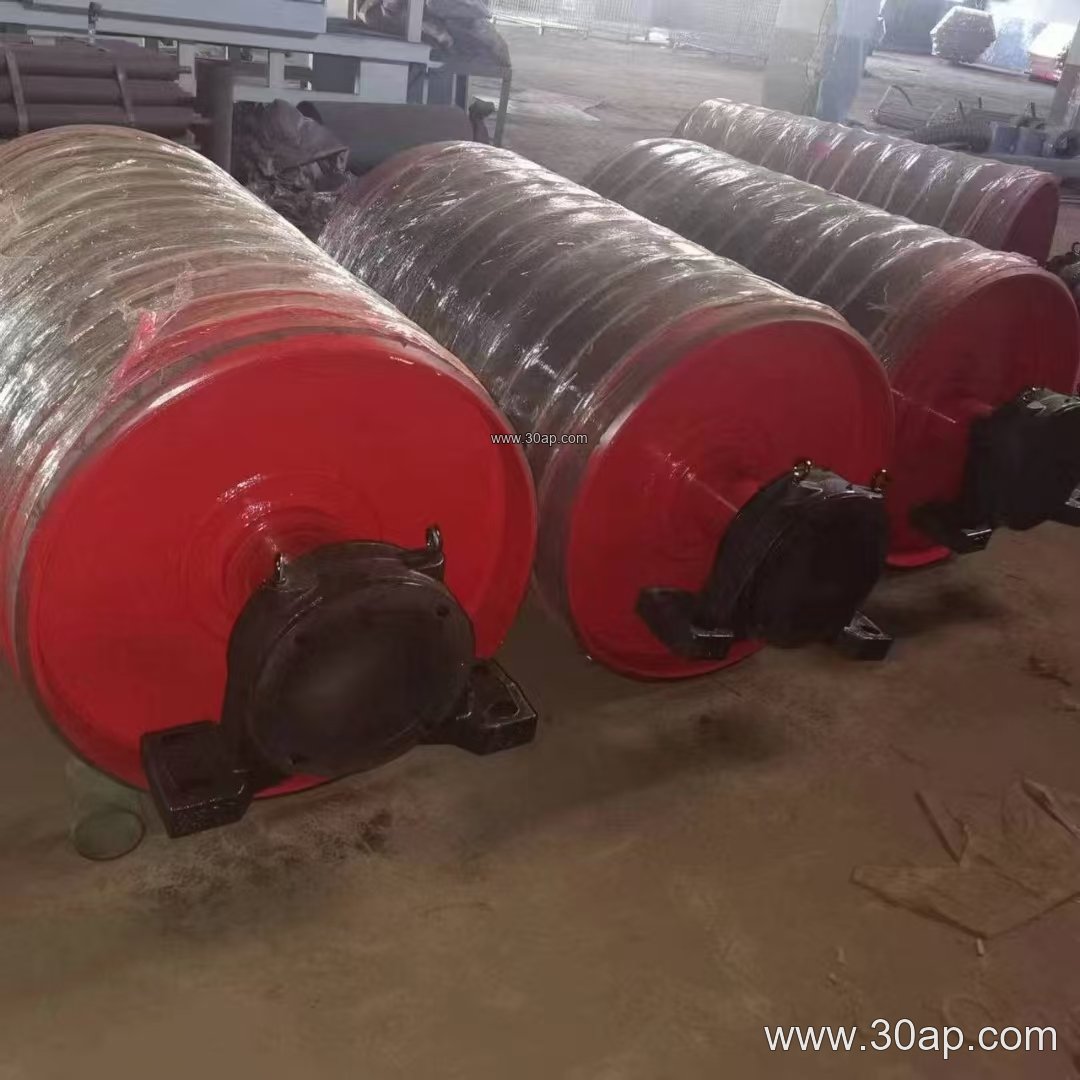
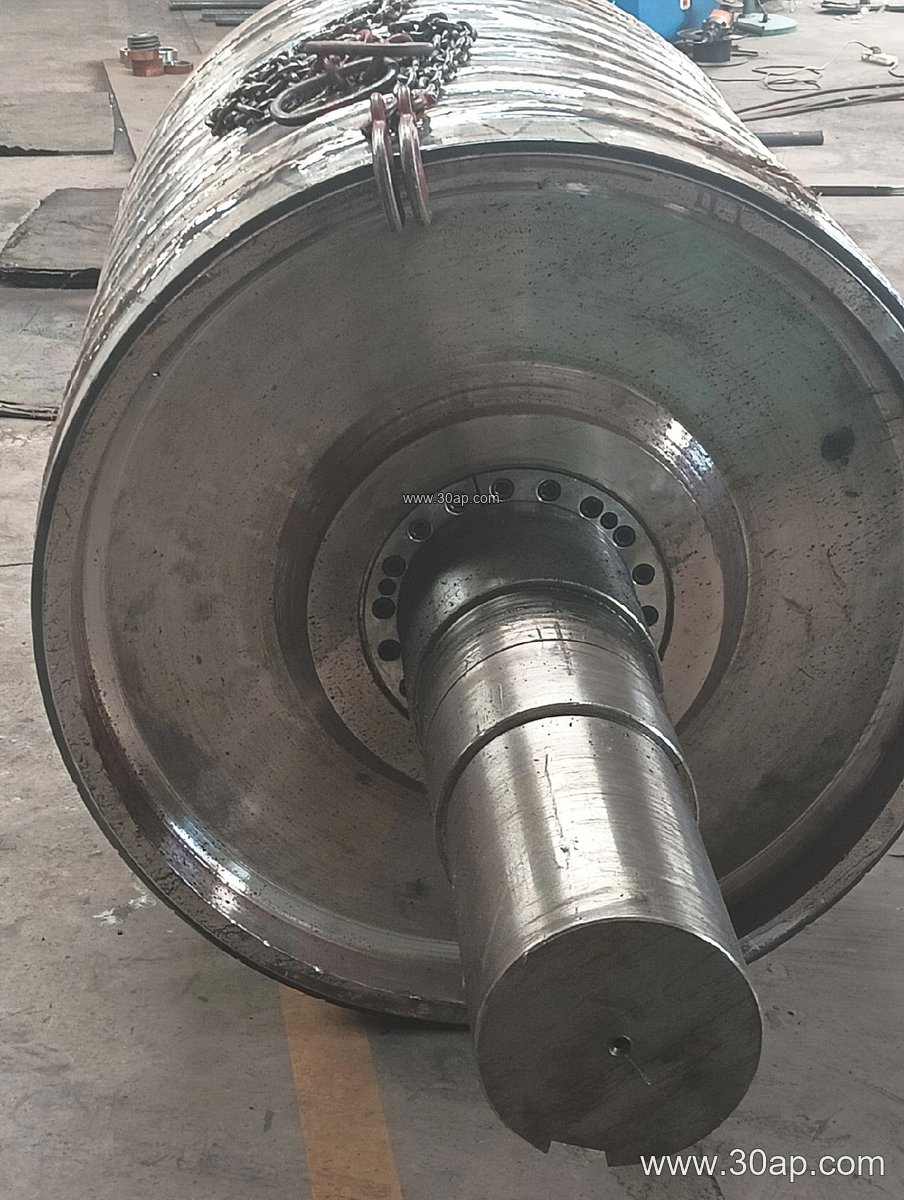
The core is usually a welded steel shell with end discs and a shaft, supported by bearing housings mounted on a conveyor bracket. Shell thickness, shaft diameter, and bearing size are set by the torque and radial load of the application, not by belt width alone. Surface treatment is where many projects differ. A plain shell is common on light-duty return positions, while lagging improves grip on drive pulleys. Common lagging choices include hot vulcanized rubber, cold-bonded rubber, diamond grooving, herringbone grooving, and ceramic tiles for very abrasive duty. Lagging thickness is typically 8, 10, 12, 15, or 20 mm depending on the grip required.
Common Diameter and Face Width References
The table below shows typical combinations used in plant design. These are reference values, not fixed rules; the final diameter depends on belt speed, wrap angle, and tension.
- B400 belt — face width about 500 mm, common diameters Ø200 to Ø400
- B650 belt — face width about 750 mm, common diameters Ø315 to Ø500
- B800 belt — face width about 950 mm, common diameters Ø400 to Ø630
- B1000 belt — face width about 1150 mm, common diameters Ø500 to Ø800
- B1200 belt — face width about 1400 mm, common diameters Ø630 to Ø1000
- B1400 belt — face width about 1600 mm, common diameters Ø800 to Ø1250
- B1800 belt — face width about 2000 mm, common diameters Ø1000 to Ø1400
Shaft diameters commonly fall between Ø50 and Ø200, again determined by torque and bearing load. A B1200 × Ø1000 drive pulley and a B800 × Ø500 tail pulley are both normal combinations in different duty classes.
Where These Pulleys Are Used
Bulk handling plants rely on pulleys in almost every section. A limestone mine uses them on overland and plant conveyors, a coal preparation plant uses flame retardant belt with lagged drive drums, and a power plant coal yard uses them on long inclined lines. In a sand and gravel plant, crusher discharge conveyors often use impact-resistant belt and robust head pulleys. Port bulk terminals use large face-width pulleys on ship loading conveyors, and cement plants use them on clinker and raw meal lines. The conveyor belt, idler roller, and pulley must work as a system; poor alignment at any pulley causes belt wander and edge damage.
Matching the Pulley to the Belt and the Job
The belt specification affects pulley choice. A heavy-duty mining conveyor belt with steel cord construction needs a drive pulley sized for high tension, while a multi-ply fabric core belt on a shorter line may use a smaller diameter. Abrasion resistant conveyor belt on a quarry line benefits from ceramic or thick rubber lagging. Heat resistant conveyor belt in a cement plant may need a plain or specially compounded surface to avoid lagging degradation. In underground coal mining, flame retardant and anti-static belt is standard, and pulleys are selected with the same safety focus. A corrugated sidewall belt or chevron belt needs pulley faces free of obstruction and sufficient clearance for cleats.
Buyer Checklist
- Confirm the pulley position: drive, tail, bend, take-up, or snub.
- State belt width, belt type, and belt tension range.
- Provide shaft diameter and bearing type required by the frame.
- Choose lagging based on grip, abrasion, and material carryback.
- Check face width against belt width and required edge clearance.
- Confirm balancing class and running speed for high-speed lines.
For a reliable quote, share the conveyor layout, belt specification such as EP conveyor belt or steel cord conveyor belt, and the expected tonnage. A pulley supplier can then propose a diameter, shell thickness, shaft, and lagging that fit the duty rather than a catalogue default.