What a Rubber Conveyor Belt Is
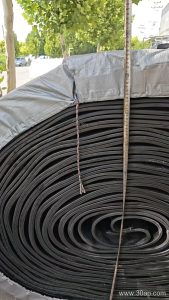
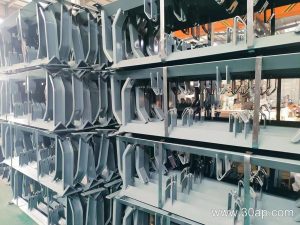
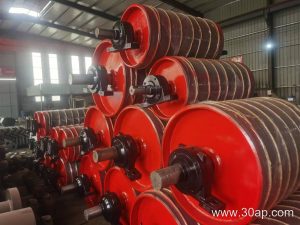
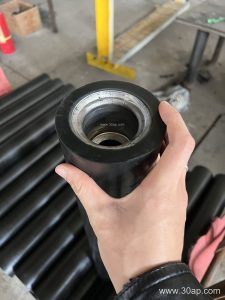
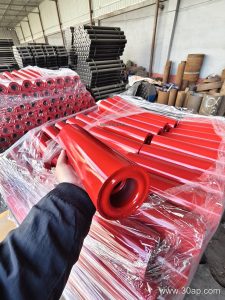
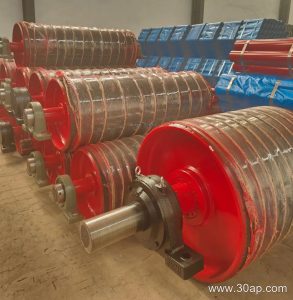
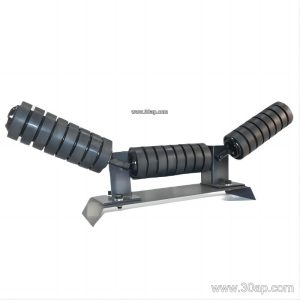
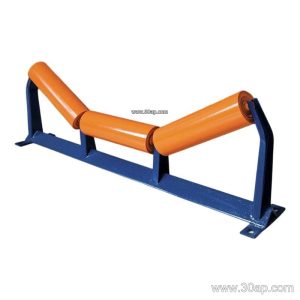
A rubber conveyor belt is the load-carrying surface of a belt conveyor, built as a continuous loop that moves bulk material from one point to another. In a quarry, cement plant, power station, or coal preparation facility, it works together with idler rollers, conveyor pulleys, and conveyor brackets to keep the line running. The belt itself usually combines a textile or steel reinforcement with rubber covers, and the cover grade is often what determines whether the belt suits a specific duty.
Buyers often search for a specific construction, such as an EP conveyor belt or an NN conveyor belt, rather than a generic product. Both are fabric core conveyor belt designs, and the reinforcement layers carry the tension while the rubber protects the carcass from abrasion, impact, moisture, and heat.
How the Belt Is Built
The carcass is the strength member. Multi-ply fabric core conveyor belt construction uses several layers of woven fabric bonded with rubber skim, while a steel cord conveyor belt uses parallel steel wires for very high tension and long center distances. Cover rubber is applied to the top and bottom, and the edge is protected against fraying. Surface forms such as a chevron conveyor belt or a corrugated sidewall belt are added when the material would otherwise slide back or spill at steep inclines.
Typical construction data, as reference only, may look like this:
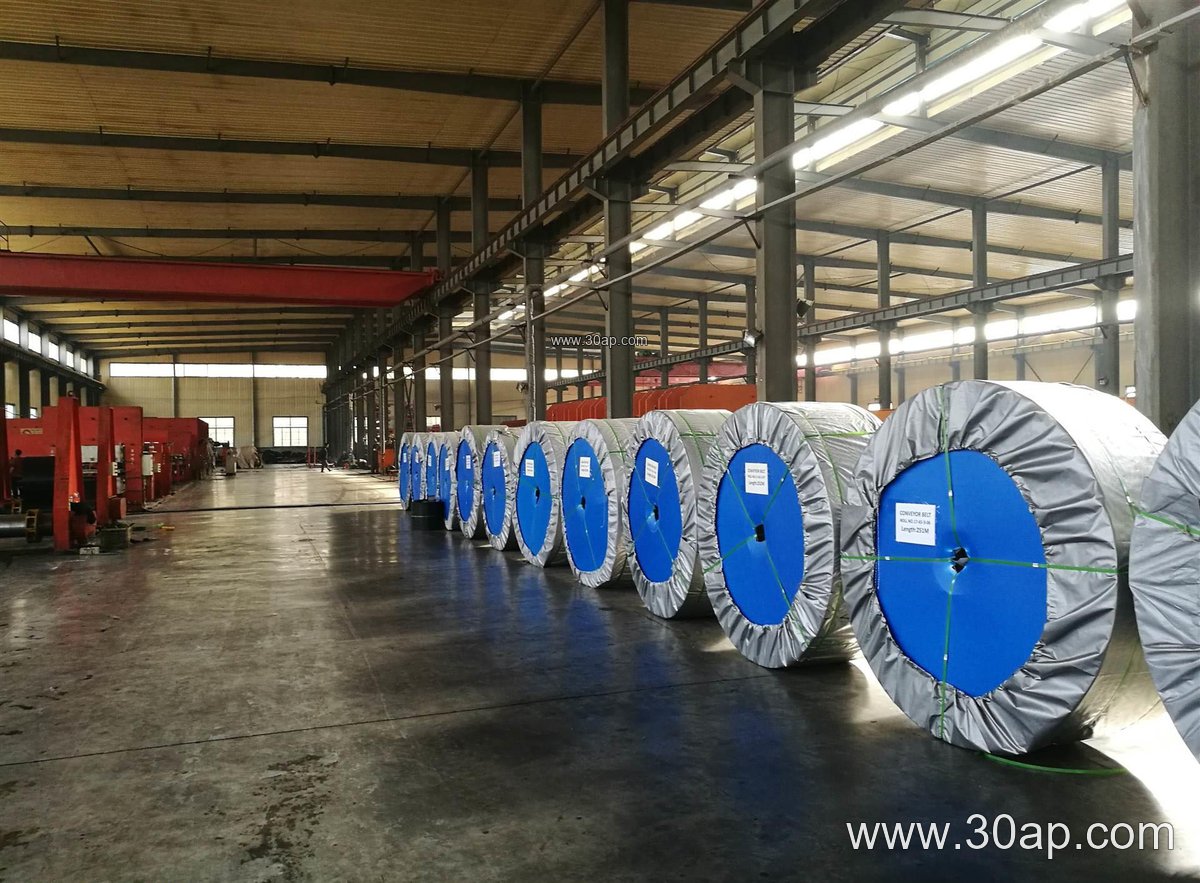
- Fabric types: EP (polyester/nylon), NN (nylon/nylon)
- Strength grades: EP200 to EP2000, NN100 to NN400
- Carcass plies: usually 2 to 6 layers
- Cover thickness examples: 3+1.5 mm, 4+2 mm, 5+2 mm, 6+2 mm, 8+3 mm
- Belt widths: B500, B650, B800, B1000, B1200, B1400, B1600, B1800, B2000
These values are design references, not fixed pairings. A wider belt is not tied to one pulley diameter, and shaft sizes must be calculated from the actual conveyor design.
Cover Grades for Different Duties
The working environment decides the cover compound. An abrasion resistant conveyor belt is common in sand and gravel plants and at a crusher conveyor belt discharge, where sharp rock shortens cover life. A heat resistant conveyor belt suits cement clinker and sinter handling, while a flame retardant conveyor belt and fire resistant conveyor belt are specified for underground coal mining conveyor systems. An oil resistant conveyor belt handles oily scrap or certain mineral loads, and a cold resistant belt is chosen for outdoor installations in freezing conditions.
Other grades include anti-static, acid resistant, and food grade compounds. In underground coal mining, PVG conveyor belt constructions are frequently used, and a PVG800S belt is one example within that family. For long overland lines, a high strength conveyor belt with steel cord reinforcement may be more economical than multiple fabric plies.
Where the Belt Is Used
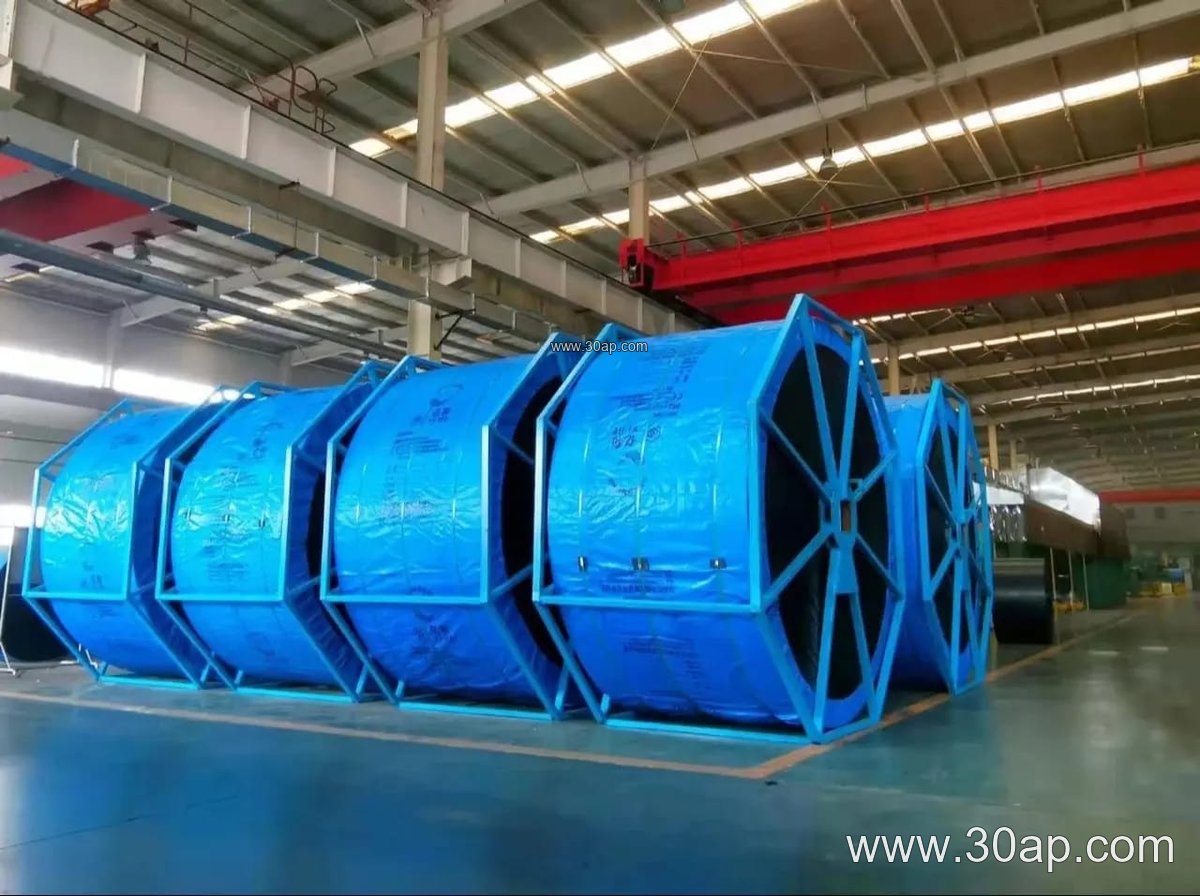
Bulk material conveyor belt systems appear across many industries. In mining, a mining conveyor belt carries ore from the pit or shaft to the processing plant; an iron ore conveyor belt or copper ore conveyor belt may need heavy-duty covers for lump impact. Aggregate operations use quarry conveyor belt and crusher conveyor belt lines to move crushed stone between screens and stockpiles. Cement plants rely on belts for limestone, clinker, and additives, while power plants handle coal with flame resistant grades.
Ports and ship loading terminals use wide belts, sometimes 1500mm wide or more, to achieve high tonnage. Recycling plants often prefer a belt with good resistance to tearing and oil. In every case, the belt, idler roller, and conveyor pulley must be matched to the load profile and the layout of the conveyor frame.
What Buyers Should Check
Start with the material: lump size, temperature, moisture, oil content, and whether the load is abrasive or sharp. Then confirm the required tension grade and the number of plies, the belt width, and the cover thickness for the top and bottom faces. Ask how the belt will be joined, since an endless conveyor belt splice or a mechanical fastener affects both strength and downtime.
Check the pulley and idler arrangement as well. Drive, tail, and bend pulleys each perform a different function and are not interchangeable, so the belt specification should follow the conveyor design rather than a single catalog number. For inclined sections, confirm whether a chevron or corrugated sidewall profile is needed. Finally, ask for the manufacturer’s data sheet and verify the stated grade against the actual working conditions.