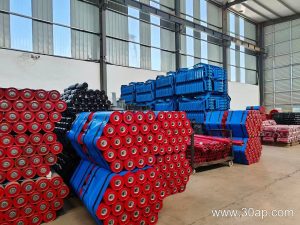
What Conveyor Bracket Procurement Covers
Conveyor bracket procurement is the process of sourcing the structural supports that hold idler rollers in place along a conveyor system. These brackets, often called idler frames or roller stands, are the interface between the conveyor belt and the supporting rollers. A well-planned procurement strategy ensures that the brackets match the belt width, trough angle, and roller diameter used in your specific application. Whether you are equipping a new aggregate conveyor at a quarry or replacing worn supports in a cement plant, the bracket selection directly affects belt tracking, energy consumption, and maintenance intervals.
Construction and Mounting Positions
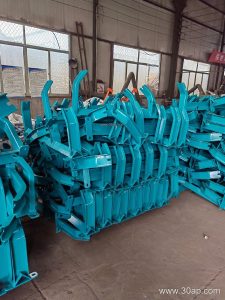
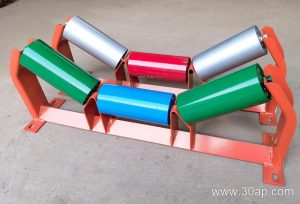
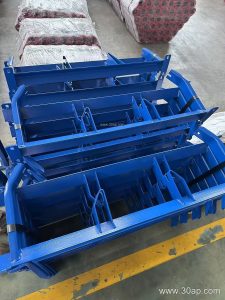
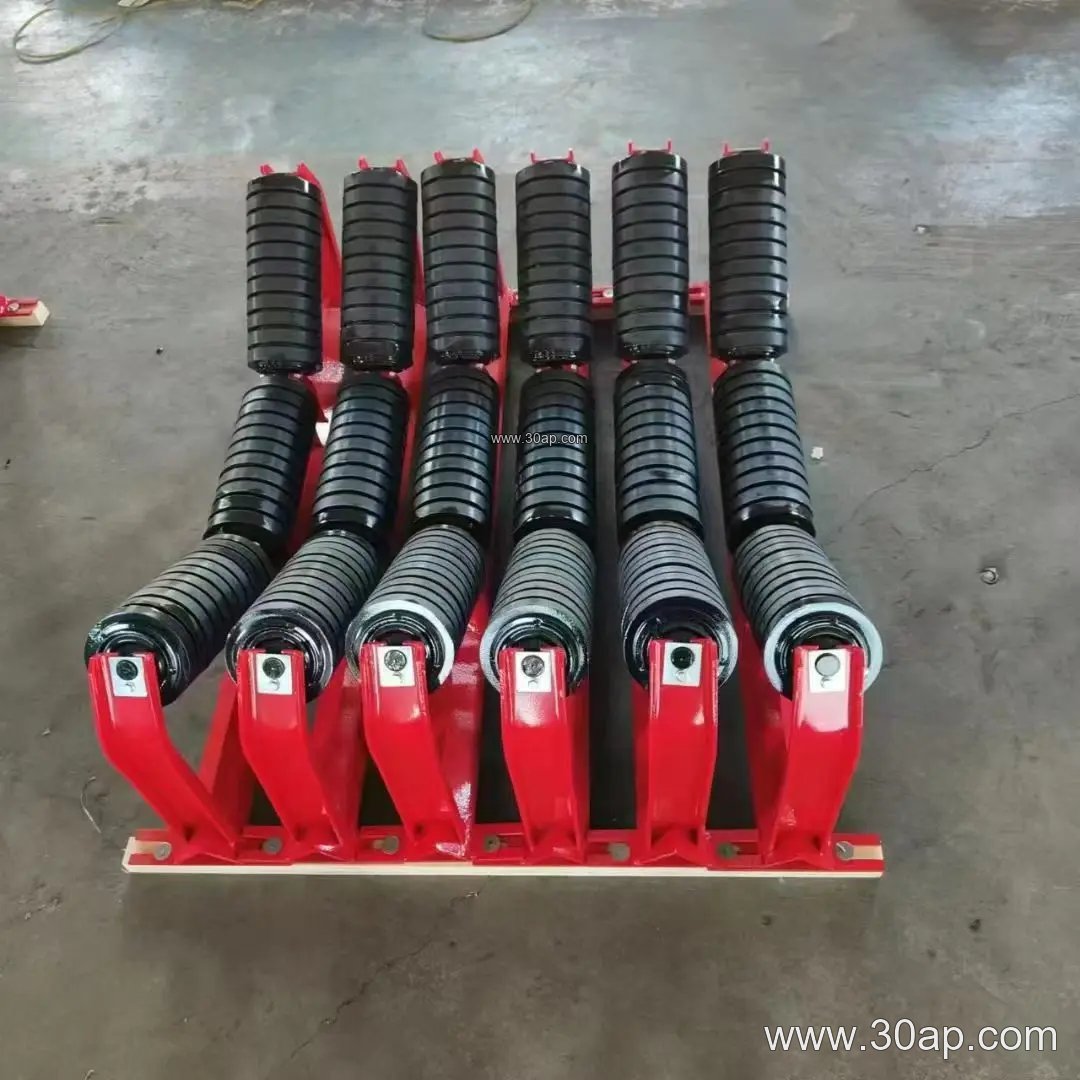
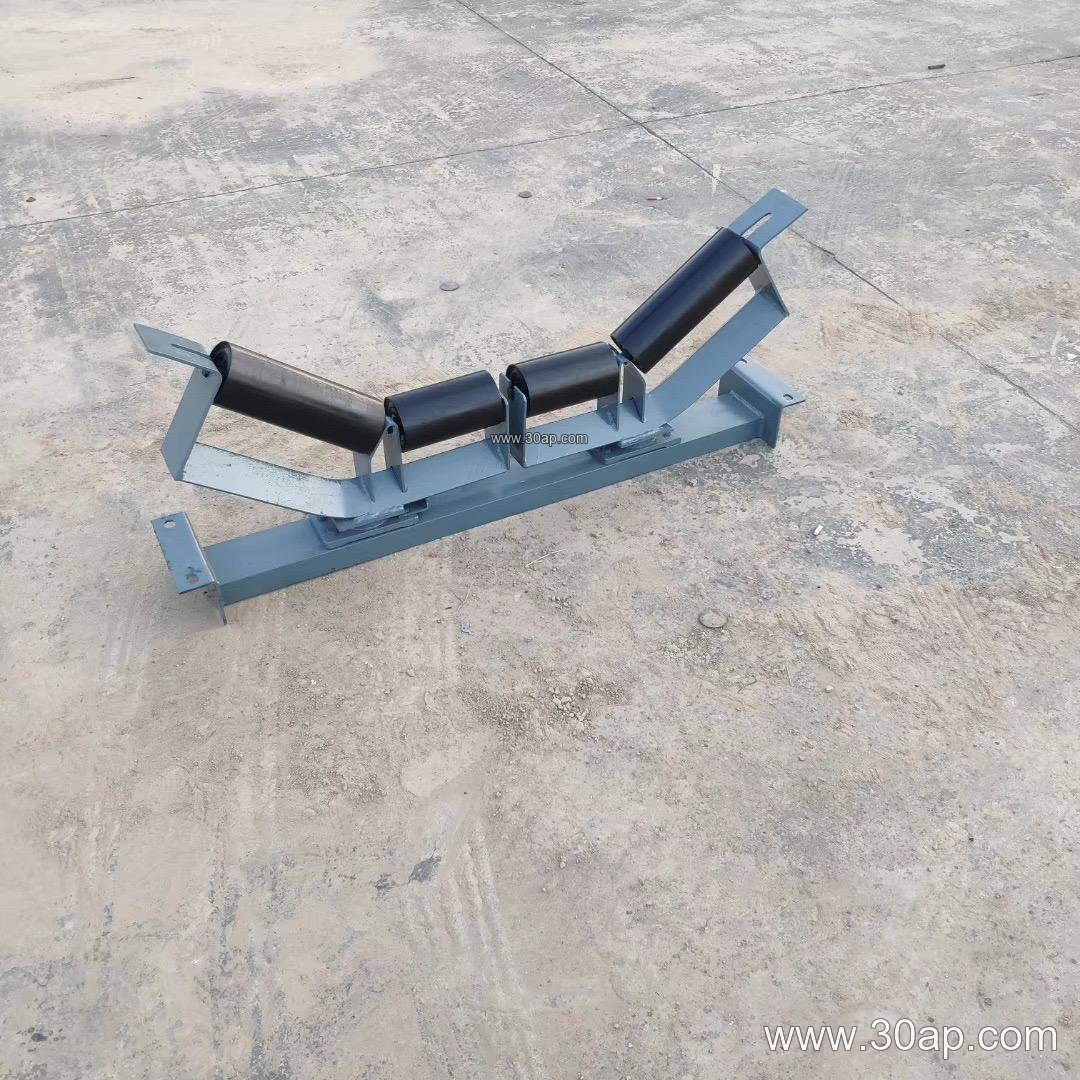
Most conveyor brackets are fabricated from angle steel, channel steel, or folded steel plate. The design must provide rigid support while allowing easy roller replacement. Common types include troughing brackets for the carrying side, return brackets for the empty side, and transition brackets near pulleys. Impact brackets with rubber cushions are used at loading points to absorb shock from falling material. Self-aligning brackets help correct belt misalignment, while adjustable brackets allow changes to the trough angle on site. The mounting position dictates the bracket geometry: a B800 troughing bracket with a 35-degree trough angle and Ø108 rollers will have different dimensions from a B1200 return bracket with Ø133 rollers.
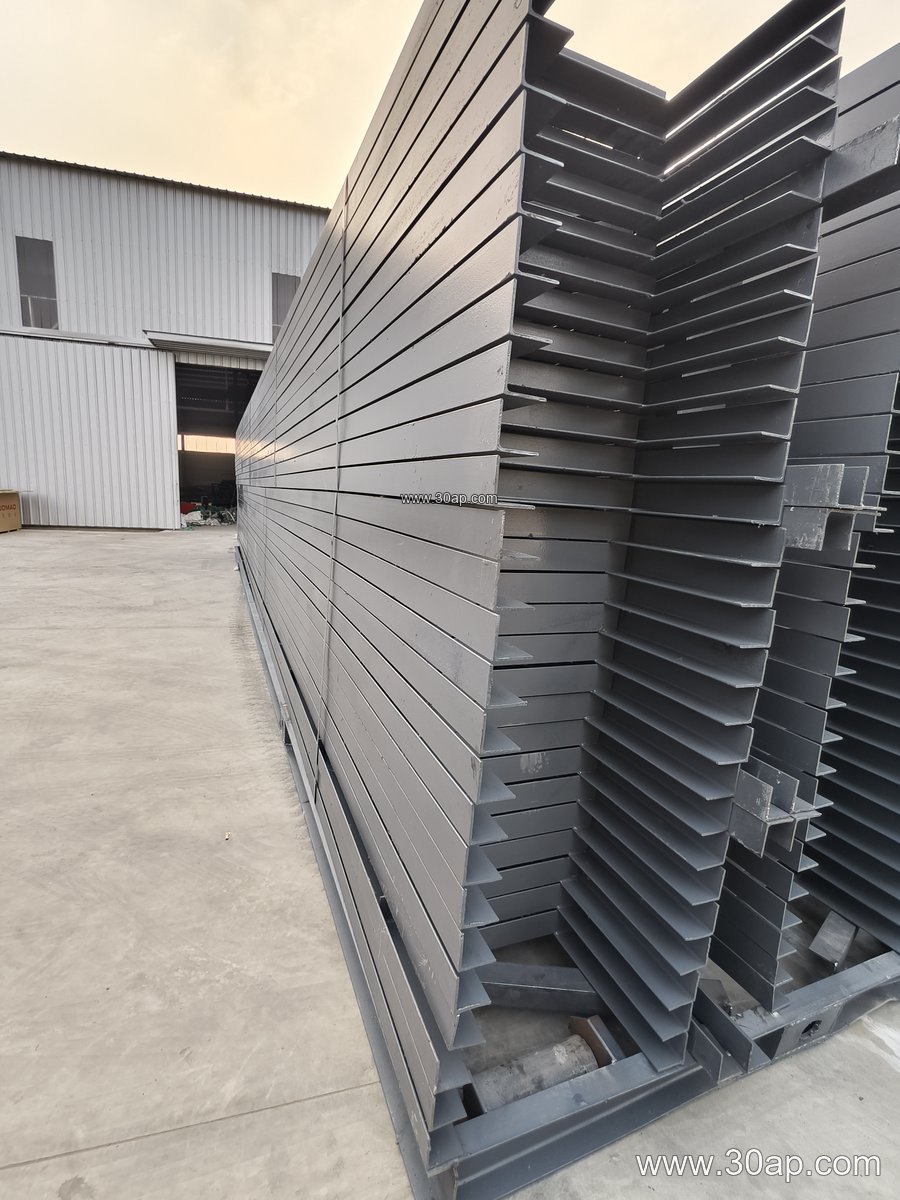
Matching Brackets to Belt and Roller Dimensions
Successful procurement starts with accurate data on belt width, roller diameter, and trough angle. The table below shows typical combinations, but these are reference values, not fixed rules. Always confirm installation hole spacing and beam length with the conveyor designer.
| Belt Width (B) | Common Trough Angle | Typical Roller Diameter | Bracket Type |
|---|---|---|---|
| B500 | 20°–30° | Ø89 | Troughing, return |
| B650 | 30° | Ø89–Ø108 | Troughing, transition |
| B800 | 35° | Ø108 | Troughing, impact |
| B1000 | 35°–45° | Ø108–Ø133 | Troughing, self-aligning |
| B1200 | 45° | Ø133 | Troughing, return |
| B1400 | 35°–45° | Ø133–Ø159 | Troughing, transition |
| B1600 | 35°–45° | Ø159 | Troughing, impact |
| B1800 | 35°–45° | Ø159–Ø194 | Troughing, return |
| B2000 | 35°–45° | Ø194 | Troughing, self-aligning |
| B2200 | 35°–45° | Ø194 | Troughing, return |
Note that a single belt width can accommodate different trough angles and roller diameters depending on the conveyor design and material characteristics. For example, a B1000 conveyor might use 35-degree troughing brackets with Ø108 rollers for general bulk material, or 45-degree brackets with Ø133 rollers for higher capacity. Adjustable brackets allow the trough angle to be set between 20 and 45 degrees, providing flexibility during commissioning.
Key Procurement Considerations
When purchasing conveyor brackets, buyers should verify the following:
- Material and finish: Brackets are typically painted or galvanized for corrosion resistance. In dusty or wet environments such as coal mining or port operations, galvanized or powder-coated finishes extend service life.
- Dimensional accuracy: Hole spacing must match the idler roller shaft ends. A mismatch can cause roller misalignment, leading to belt edge damage and premature wear.
- Load capacity: Brackets must support the weight of the belt, material, and rollers. Heavy-duty brackets with reinforced gussets are recommended for high-tonnage operations like iron ore or copper ore handling.
- Compatibility with accessories: If your conveyor uses a skirted conveyor belt or corrugated sidewall conveyor belt, ensure brackets do not interfere with the belt profile. Similarly, self-aligning brackets should be positioned correctly relative to the belt path.
- Adjustability: For conveyors that may need future modifications, adjustable brackets offer cost-effective flexibility compared to fixed-weld designs.
Where Conveyor Brackets Are Used
Conveyor brackets are found in nearly every bulk material handling system. In a sand and gravel plant, troughing brackets support the belt through the crushing and screening circuit. In a power plant coal yard, return brackets keep the empty belt aligned on its way back to the tail pulley. Cement plants rely on impact brackets at transfer points to protect the belt from clinker shock. Underground coal mining operations use flame retardant conveyor belts and heavy-duty brackets to withstand harsh conditions. The same bracket principles apply whether the conveyor is 500 mm wide or 2200 mm wide.
Working with Rollers and Pulleys
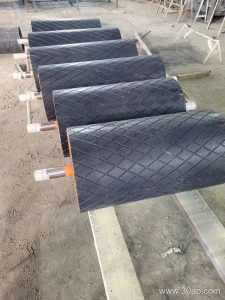
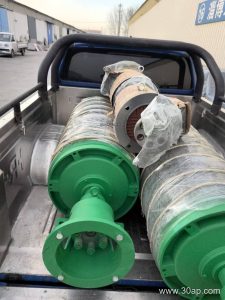
Brackets do not function in isolation. They must be matched with the correct idler rollers and conveyor pulleys. For instance, a transition bracket near the drive pulley or tail pulley must provide a gradual change in belt profile to prevent stress concentration. While drive, tail, and bend pulleys are not interchangeable, each requires properly positioned brackets to maintain belt tension and tracking. During procurement, share your conveyor layout, including pulley locations and belt specifications such as EP conveyor belt or steel cord conveyor belt, so the bracket supplier can recommend suitable frame designs.
Simplifying the Buying Process
To streamline conveyor bracket procurement, prepare a detailed list of required bracket types, quantities, and dimensions. Include belt width, trough angle, roller diameter, and any special features like impact absorption or self-aligning capability. Request drawings or samples for critical items. For large projects, consider ordering a small batch first to verify fit and finish before committing to full production. Keep in mind that installation hole spacing and beam length are determined by the conveyor design and should not be assumed from belt width alone.