What a Crusher Conveyor Belt Does
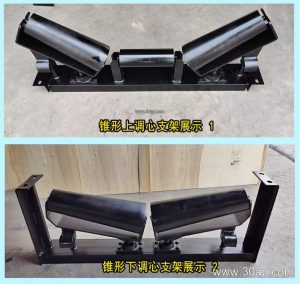
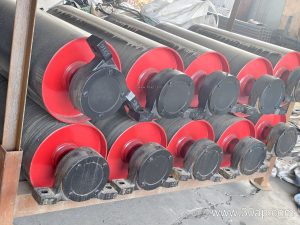
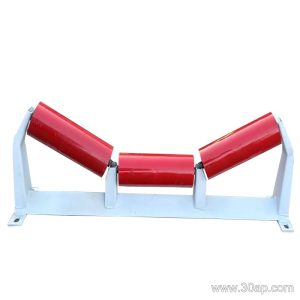
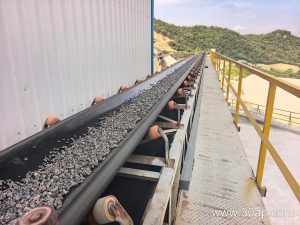
A crusher conveyor belt is the heavy-duty belt that carries crushed rock, ore, or aggregate away from a primary or secondary crusher and feeds it to screens, stockpiles, or the next stage. Because the belt starts directly under the crusher discharge, it must handle sharp edges, high impact, and uneven loading. In mining, quarry, cement, and sand and gravel plants, this belt is often the first link in the bulk material handling chain, working alongside conveyor pulleys, idler rollers, and conveyor brackets that support the entire run.
Construction and Common Types
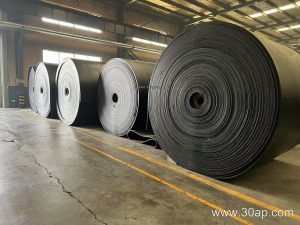
Most crusher belts use a fabric core or steel cord carcass covered with rubber. The carcass provides strength and troughability, while the cover rubber protects against abrasion and cutting. For hard rock and ore, an abrasion resistant conveyor belt with a thick top cover is typical. When oil or heat is present, oil resistant or heat resistant grades may be specified. In underground coal mining, flame retardant and anti-static properties are often required, and PVG or PVC belts are common in those environments.
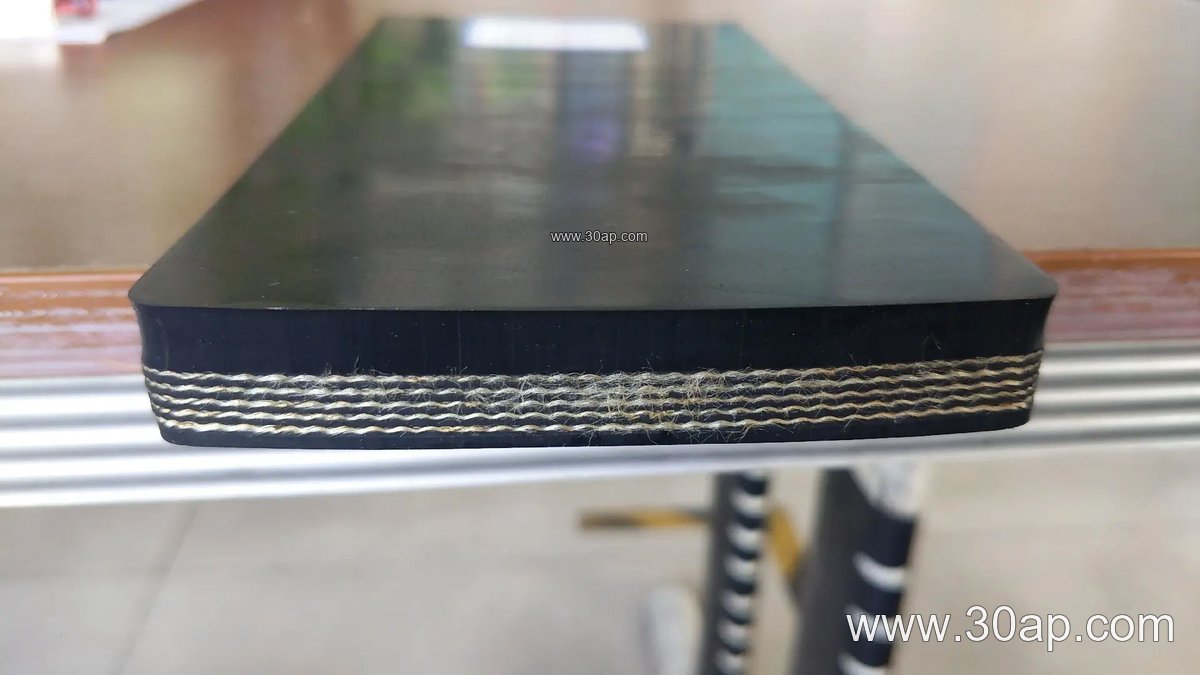
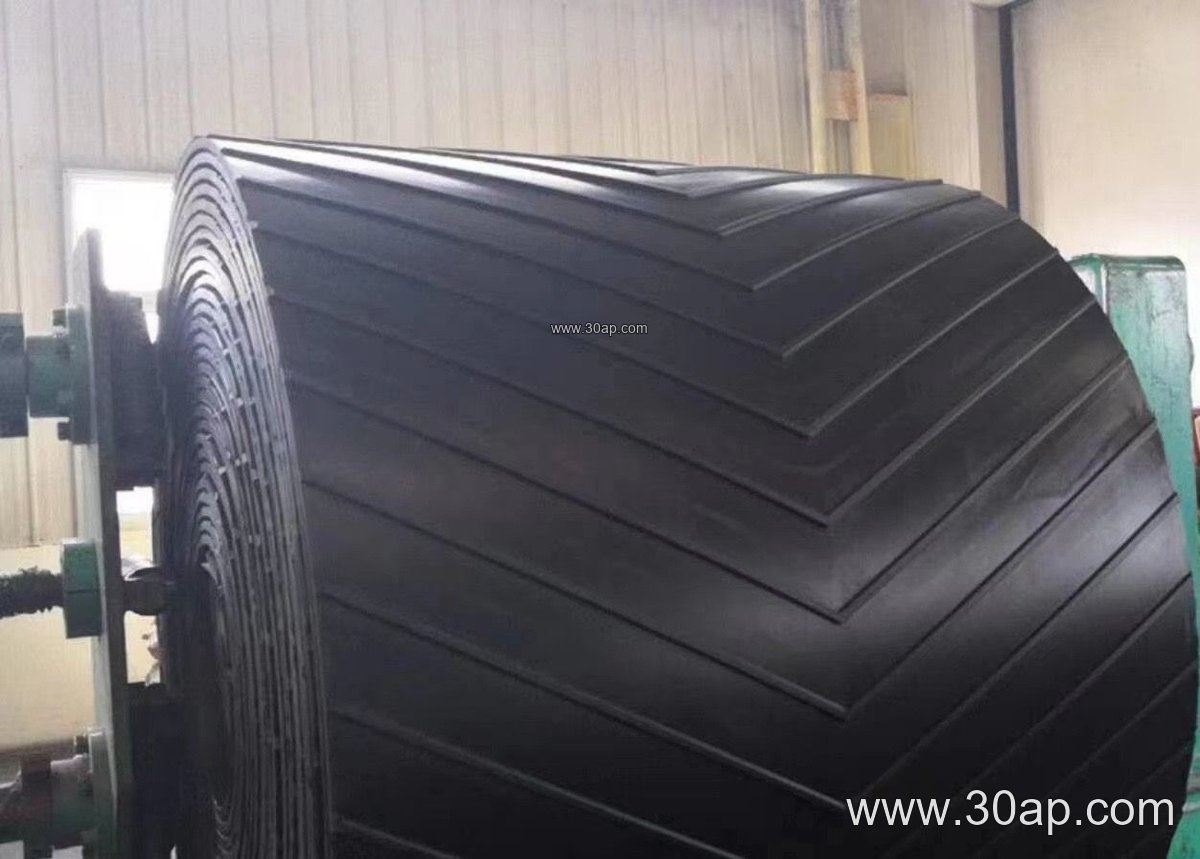
Common constructions include:
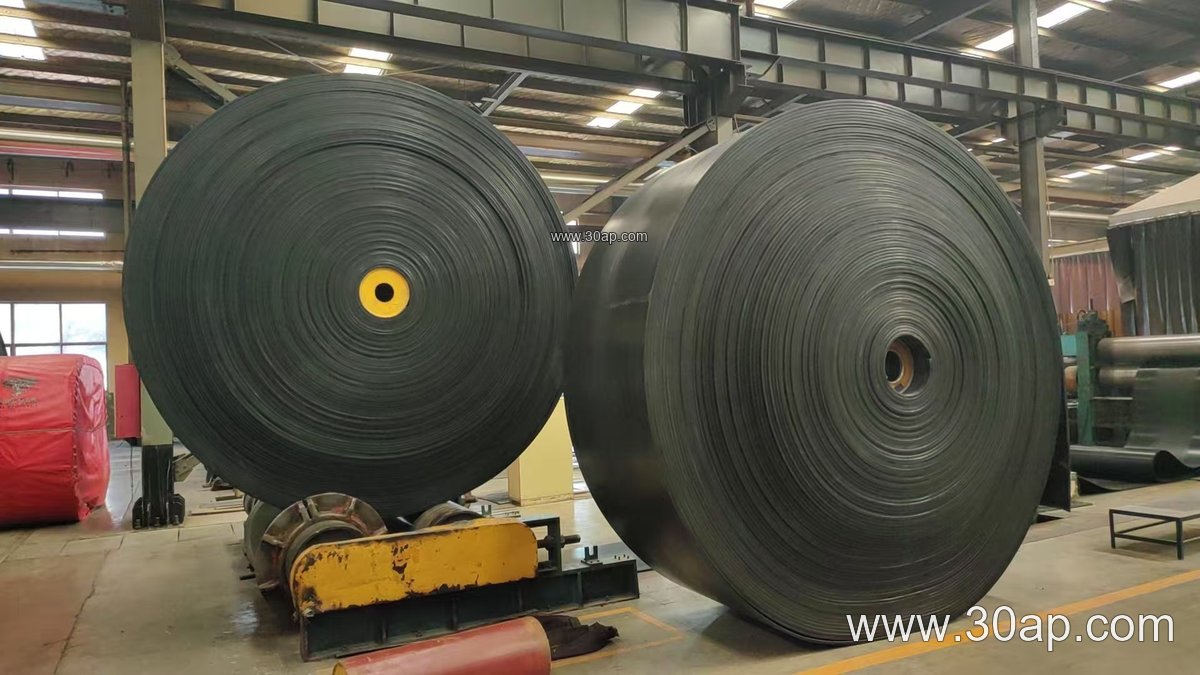
- EP conveyor belt – polyester fabric core, good strength and low elongation, widely used in quarry and aggregate service.
- NN conveyor belt – nylon fabric core, high flexibility and impact resistance.
- Steel cord conveyor belt – used for very long runs and high tension, often in large mining operations.
- Chevron or corrugated sidewall belt – for inclined sections where material must be contained.
Cover thickness is usually given as top plus bottom, for example 6+2 mm or 8+3 mm, and the number of fabric plies commonly ranges from two to six depending on the duty. Belt width may run from 500 mm up to 2000 mm or more, selected to match the crusher discharge and required capacity.
Where It Is Used
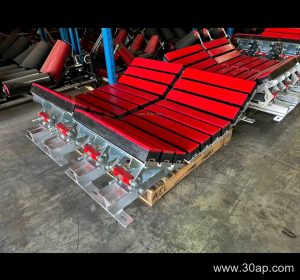
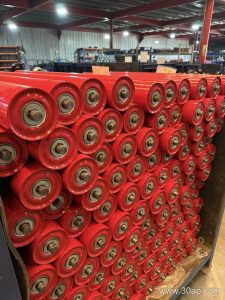
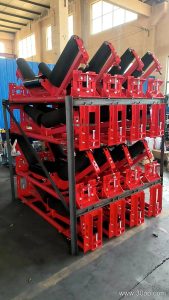
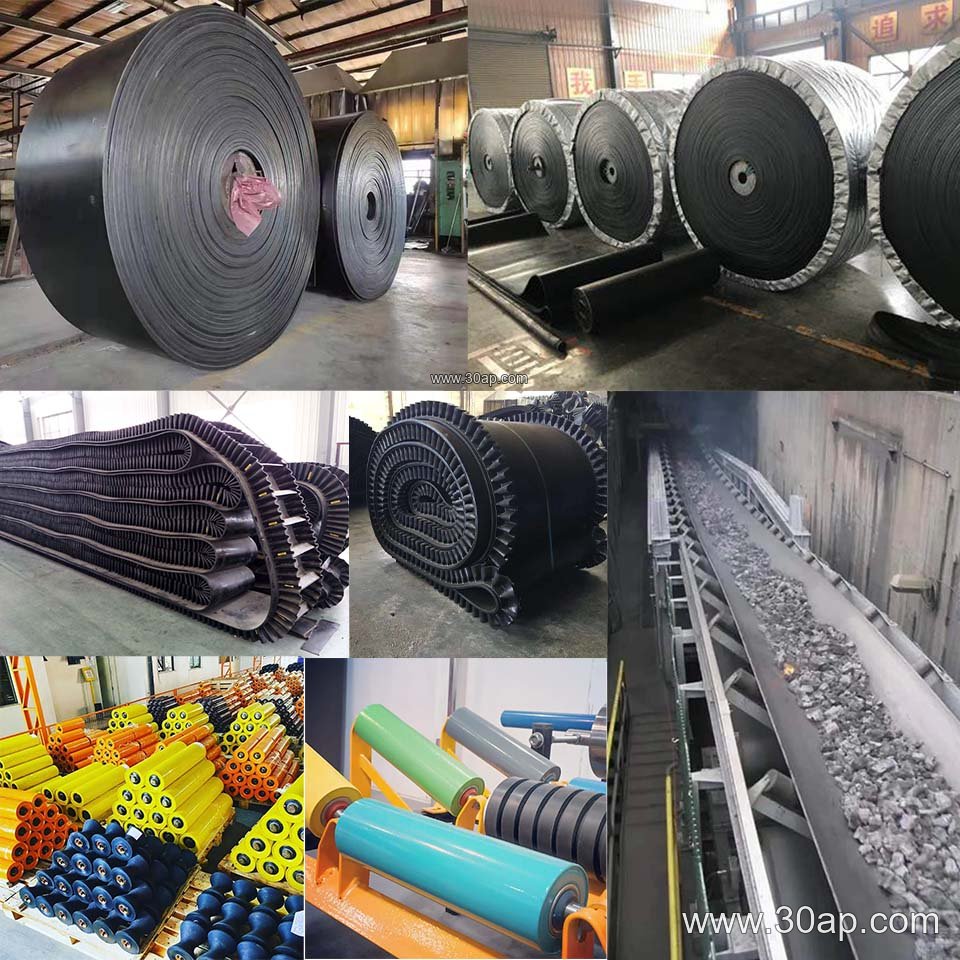
You will find crusher belts in iron ore and copper ore plants, gold mining operations, coal preparation plants, cement quarries, power plant coal yards, and construction recycling lines. A typical arrangement includes a receiving hopper, impact idlers at the load point, a drive pulley, a tail pulley, and bend pulleys on the return side. The belt must be tracked correctly over these pulleys and supported by well-aligned idler rollers to avoid spillage and edge damage.
Buyer Checklist
When specifying a crusher conveyor belt, confirm the maximum lump size, drop height, material temperature, and whether the material is oily or wet. Check the required belt width and speed against the crusher output. Ask for the carcass type and ply count, cover grade and thickness, and whether flame retardant or anti-static properties are needed. Also review the pulley diameters and take-up arrangement, because a stiff belt on a small pulley can crack. The table below shows common reference values, not fixed rules:
| Parameter | Common reference range |
|---|---|
| Belt width | B500, B650, B800, B1000, B1200, B1400, B1600, B1800, B2000 |
| Fabric strength (EP) | EP200, EP315, EP400, EP500, EP630, EP800, EP1000, EP1250 |
| Cover thickness | 4+2 mm, 5+2 mm, 6+2 mm, 8+3 mm |
| Ply count | 2 to 6 plies, depending on design |
Finally, plan for maintenance. Keep the load point impact idlers in good condition, check belt edges for cuts, and monitor pulley lagging. A well-matched crusher conveyor belt, combined with proper conveyor pulleys and idler rollers, reduces downtime in any mining or aggregate operation.