What a Power Plant Conveyor Belt Does
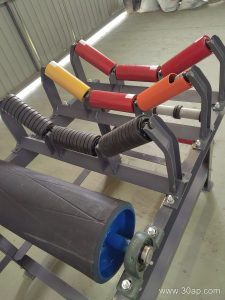
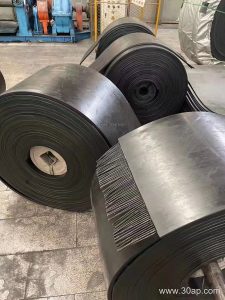
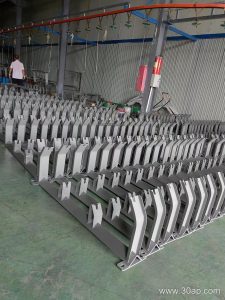
A power plant conveyor belt is the load-carrying element in the coal yard, boiler feed, and ash handling systems that keep a generating unit supplied with fuel and cleared of residue. It runs over a head or drive pulley, returns across bend pulleys, and is supported by idler rollers mounted on a conveyor bracket or frame. Because these belts work continuously and carry abrasive, sometimes hot or oily material, they are usually specified as heavy-duty rather than general-purpose belting.
In most coal-fired plants the main fuel route uses a flame retardant conveyor belt and an anti-static construction, since coal dust and static discharge are both concerns in enclosed galleries. Ash lines and limestone preparation may call for a heat resistant conveyor belt or an abrasion resistant conveyor belt depending on temperature and particle sharpness. Our site at www.beltpress.net/power-plant-conveyor-belt summarizes how these demands are matched to belt construction.
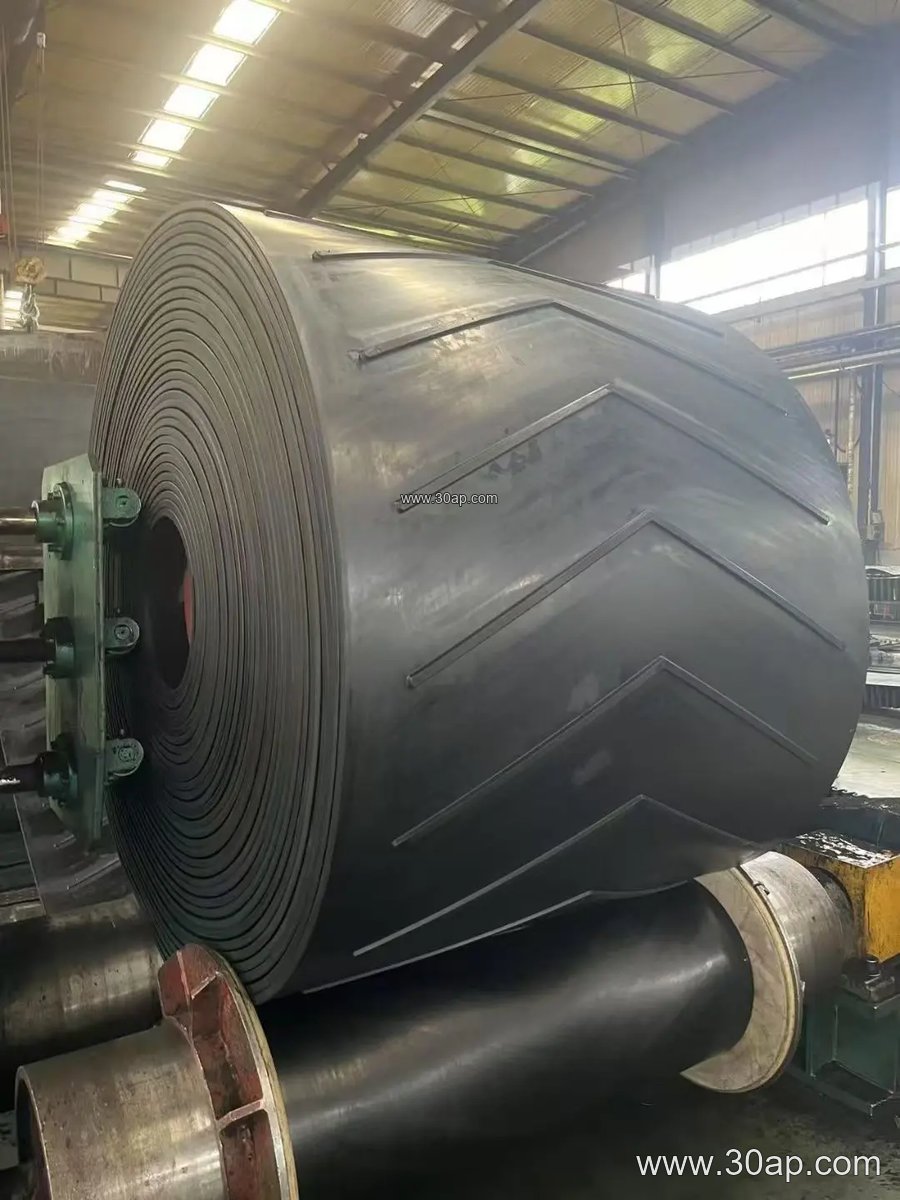
Construction of the Belt
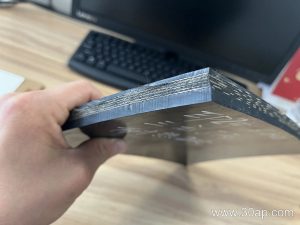
The belt is a composite: a tensile carcass, top and bottom cover rubber, and often an edge treatment. The carcass determines strength and elongation, while the covers protect the carcass from wear, heat, oil, and moisture.
- Fabric core conveyor belt — woven fabric plies, commonly 2 to 6 layers, bonded with rubber. EP conveyor belt (polyester warp, nylon weft) and NN conveyor belt (nylon both directions) are the workhorses of coal handling.
- Steel cord conveyor belt — parallel brass-plated cords for long, high-capacity trunk lines where low stretch matters.
- PVC and PVG belts — solid-woven or plastic-covered constructions used in underground mining conveyor and some enclosed fuel routes.
Cover compounds are selected for the duty: abrasion resistant, heat resistant, oil resistant, cold resistant, or fire resistant grades. A multi-ply fabric core conveyor belt with thick covers is common where coal drops from crushers create impact.
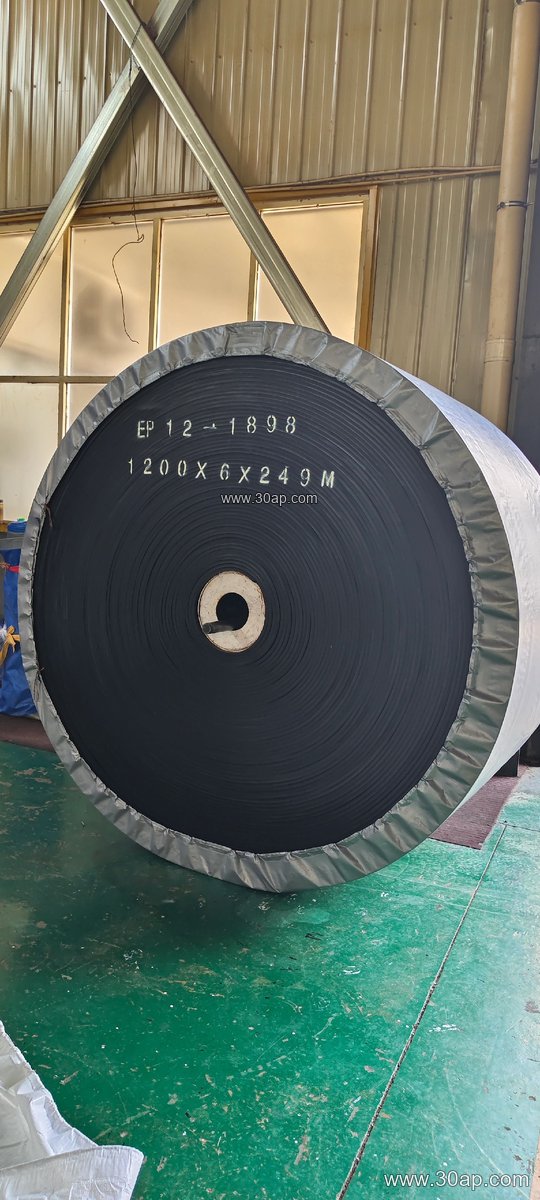
Typical Specifications
The values below are reference ranges that appear in plant specifications. Actual figures are set by the conveyor design, not by the belt alone.
| Parameter | Common Range |
|---|---|
| Belt type | EP, NN, steel cord, PVG |
| Strength grade | EP200, EP400, EP630, EP1000, EP1250, ST1000, ST1600 |
| Belt width | B650, B800, B1000, B1200, B1400, B1600, B1800 |
| Cover thickness | 4+2 mm, 5+2 mm, 6+2 mm, 8+3 mm |
| Ply count | 2 to 6 plies for fabric cores |
Width and pulley diameter are matched through the conveyor design; a given belt width does not lock in a single pulley size, and shaft diameters are calculated from torque and load rather than read off a width table.
Where It Is Used
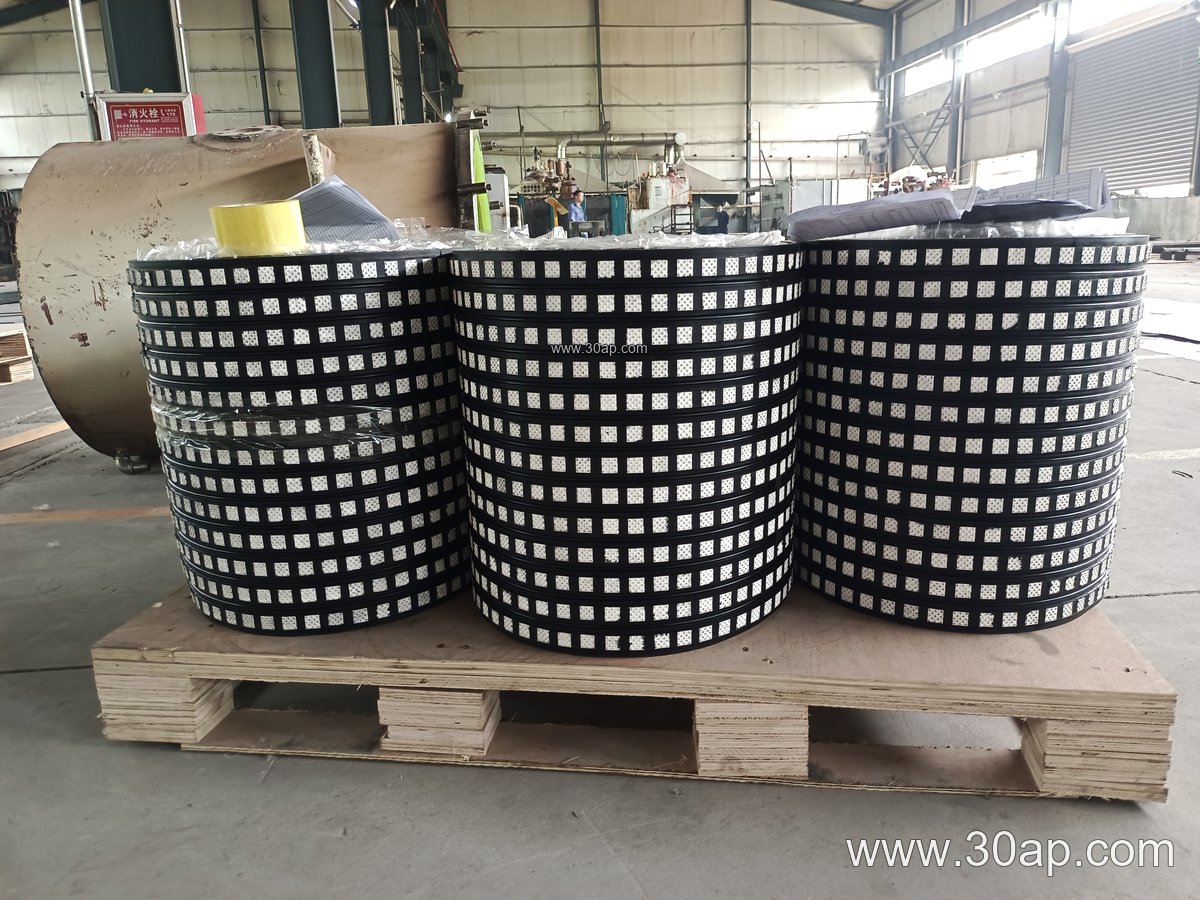
Beyond the coal yard, belts of this class appear in cement plants, quarries, sand and gravel operations, steel plants, and port ship loading systems. In a coal mining conveyor belt duty, the same carcass may be paired with a thicker abrasion resistant cover. In a cement plant conveyor belt, heat resistant grades handle clinker-adjacent streams. A quarry conveyor belt or aggregate conveyor belt usually favors high abrasion resistance over flame retardancy. The power plant version sits between these duties: it must resist wear, control static, and often meet fire resistance requirements for enclosed coal handling.
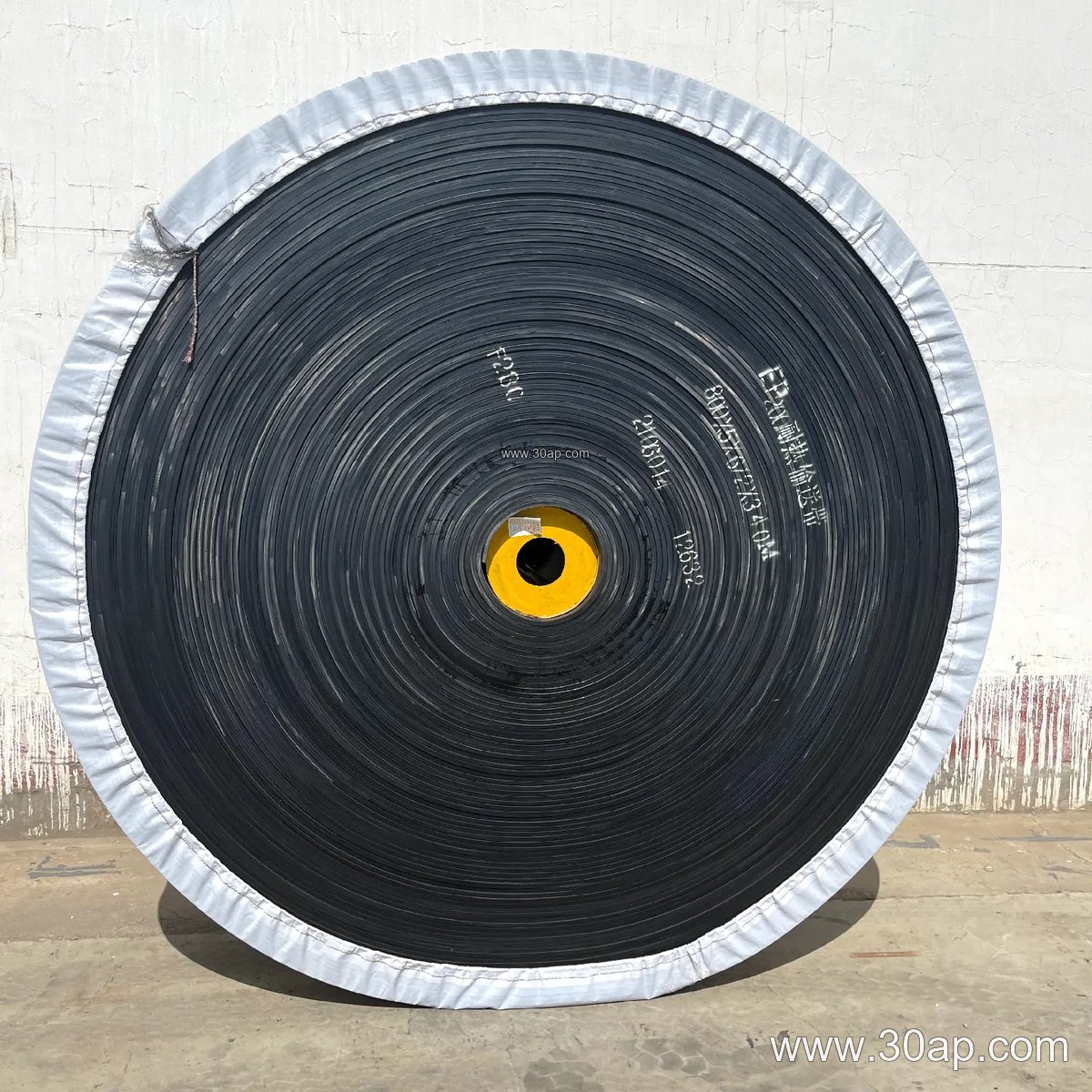
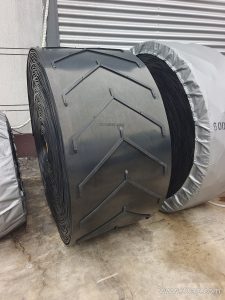
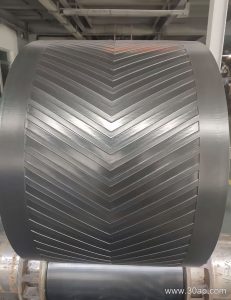
Where material must be contained on an incline, a chevron conveyor belt, skirted conveyor belt, or corrugated sidewall conveyor belt may be used on transfer or stockpile lines, though the main fuel route normally relies on a flat belt with well-aligned idler rollers.
Selection and Maintenance Notes
Buyers should confirm four things before ordering: the material being carried and its temperature, the required fire and anti-static rating, the belt width and strength grade from the conveyor design, and the cover thickness suited to impact and abrasion. Ask for the splice method to be agreed in advance, since an endless conveyor belt joint made on site behaves differently from a mechanical splice.
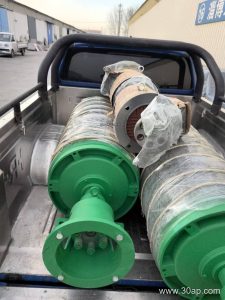
Routine checks on the conveyor pulley lagging, idler roller rotation, and belt tracking prevent edge damage and premature cover wear. Our page at www.beltpress.net/conveyor-pulley explains how drive, tail, and bend pulleys each play a distinct role in keeping the belt centered and tensioned. For wide trunk lines, review www.beltpress.net/steel-cord-conveyor-belt when low elongation over long distances is the priority.
Store spare belting flat, away from ozone and direct sunlight, and rotate stock. A power plant conveyor belt that is correctly specified and tracked will usually outlast one that is oversized in strength but undersized in cover protection.