What a Bend Pulley Does on a Conveyor
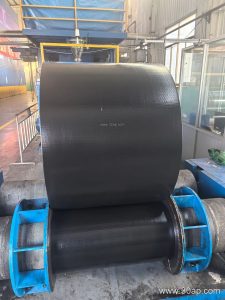
A bend pulley is a direction-changing drum that guides the conveyor belt through a turn without driving it. It sits where the belt path needs to be redirected — typically near a tensioning station, at a take-up tower, or where the return strand must be routed around an obstacle. Unlike the drive pulley that transmits torque, or the tail pulley at the loading end, the bend pulley carries belt tension and redirects the strand. These three roles are distinct and not interchangeable, which matters when specifying replacements.
In a quarry or aggregate line, a bend pulley often appears in the take-up loop, pulling the return belt around a 90-degree or 180-degree turn. The same component may be called a deflection pulley or a snub pulley in different plants, but the function is the same: change belt direction while keeping wrap angles and tension under control.
Construction and Surface Options
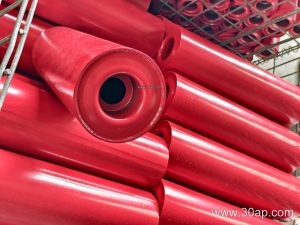
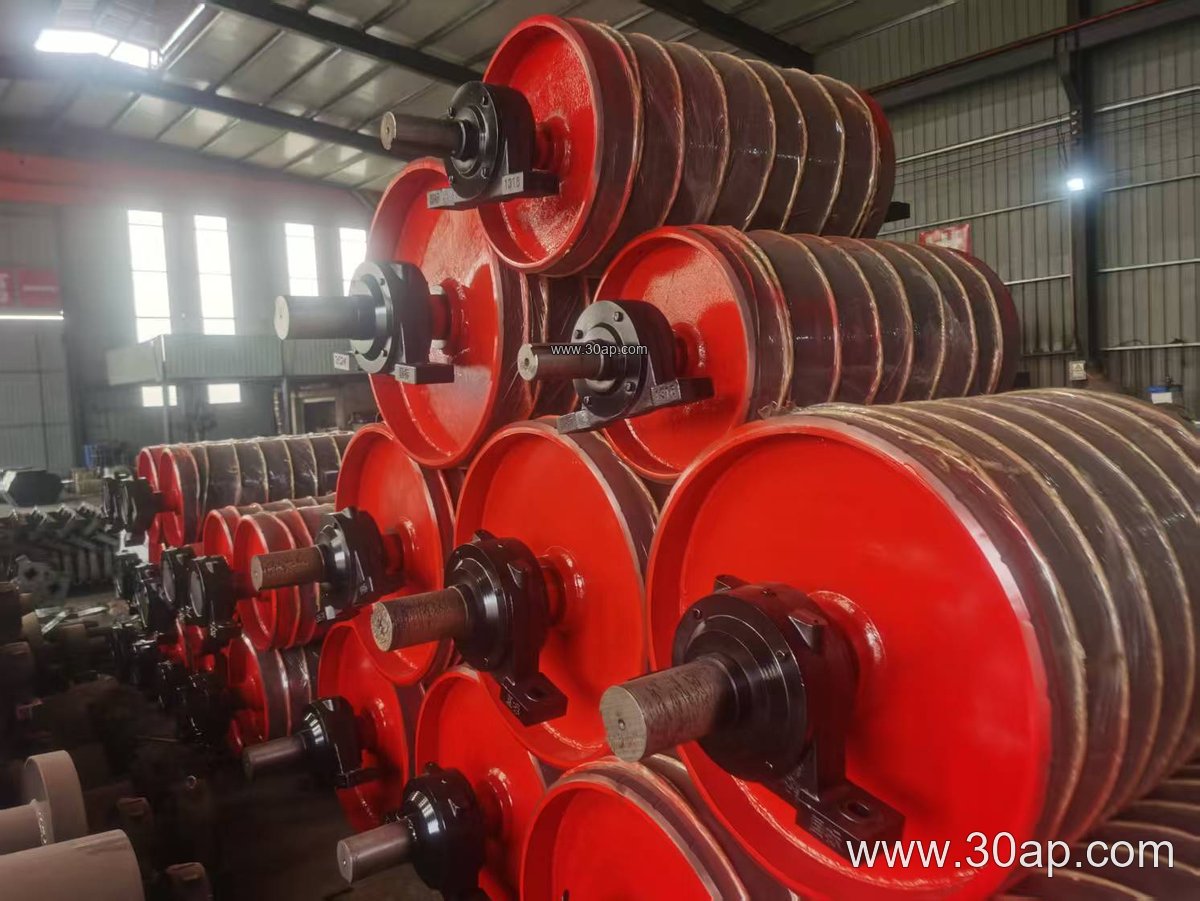
A typical bend pulley is built around a steel shell with welded end discs, a shaft, bearing housings, and a lagging surface. The shell is usually machined for balance, since a direction-changing drum runs continuously and vibration shortens bearing life. Common face widths follow the belt: B800 units often use a shell around 950 mm wide, while B1200 pulleys commonly reach about 1400 mm. Diameters can range from roughly Ø315 to Ø1250 depending on wrap angle and belt stiffness.
Surface treatment depends on the job:
- Plain face — economical choice for light wrap angles and clean return strands.
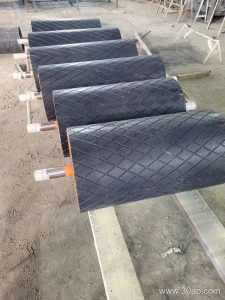
- Diamond or herringbone lagging — improves grip and sheds water in wet conditions.
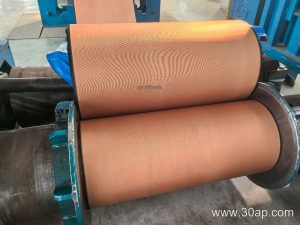
- Rubber lagging at 8–15 mm — reduces slip and protects the shell in abrasive service.
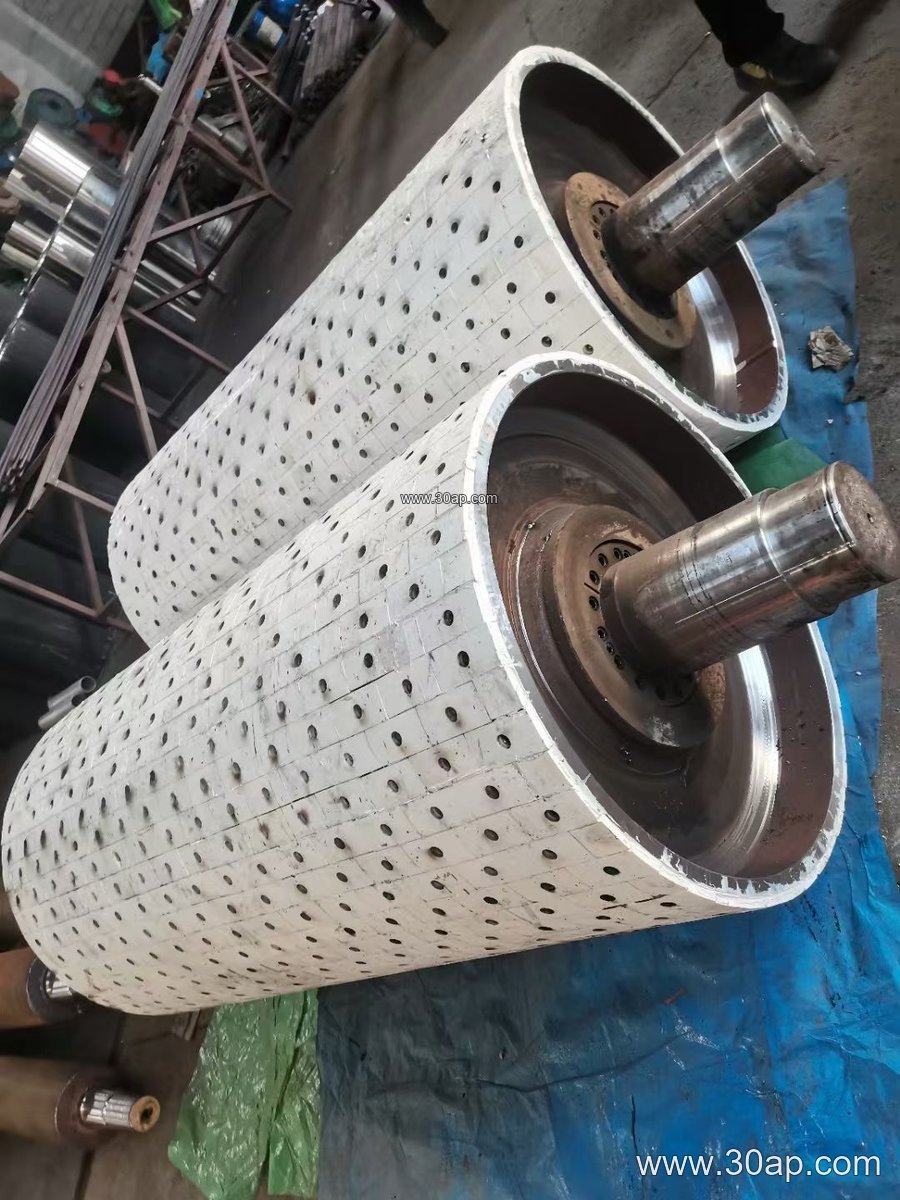
- Ceramic lagging — used where the belt carries abrasive ore or slag and slip risk is high.
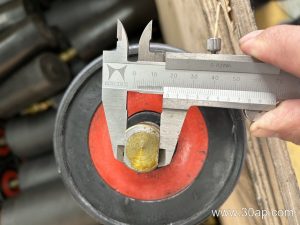
Shaft diameters are set by torque and bearing load, not by belt width alone. A B1000 conveyor might use a Ø120 shaft in one layout and Ø160 in another with a long overhung load. Buyers should confirm shaft size against the actual tension and wrap angle rather than assuming a fixed pairing.
Where Bend Pulleys Fit in Bulk Handling
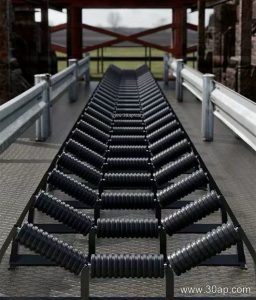
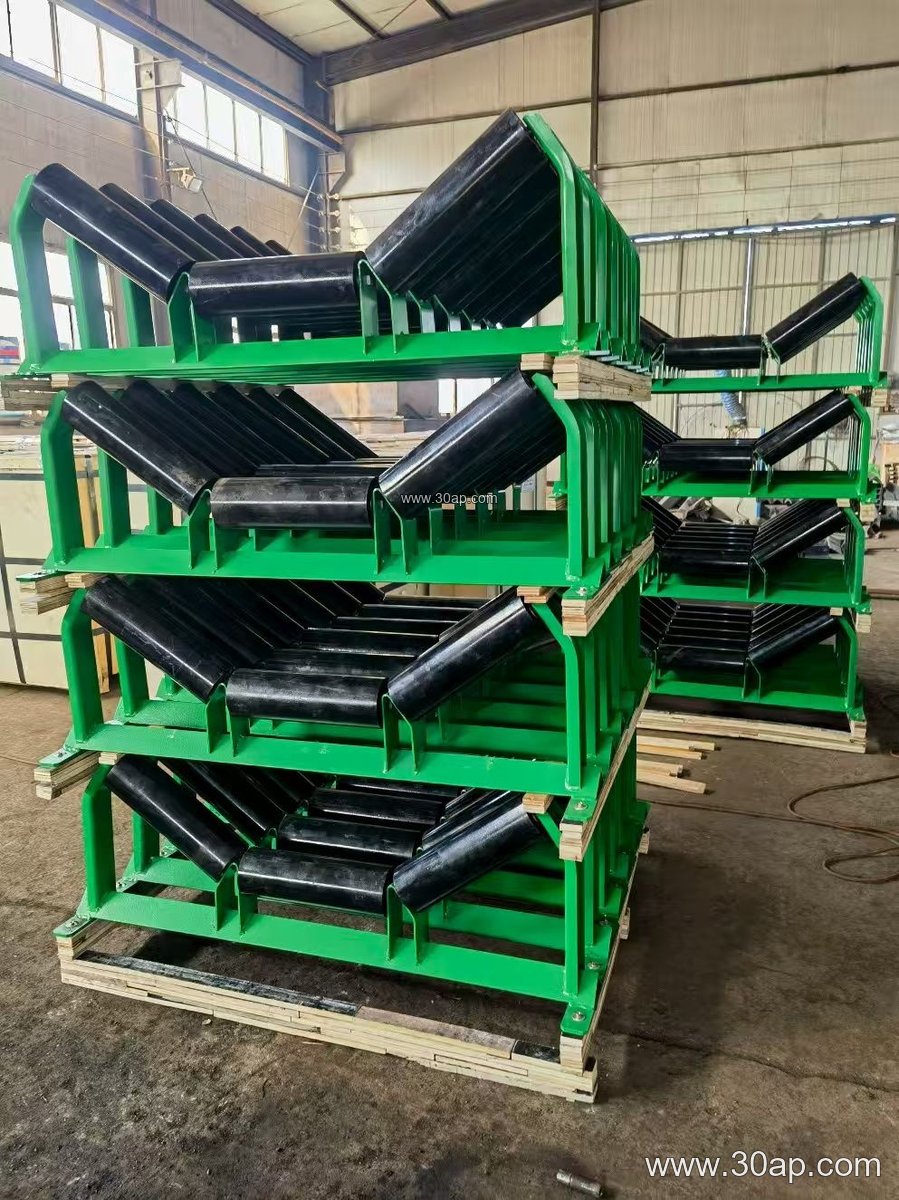
In coal mining, a bend pulley in the take-up tower keeps the return belt aligned before it meets the tail. In a cement plant’s clinker transport, a deflection drum may route the belt beneath a transfer chute where no drive is needed. Port bulk terminals use them to thread long belt runs through galleries. The pulley works alongside the conveyor belt, idler roller sets, and conveyor bracket assemblies, but its job stays focused on changing direction.
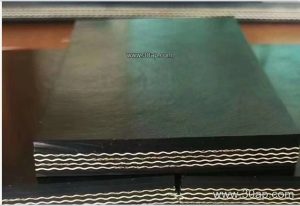
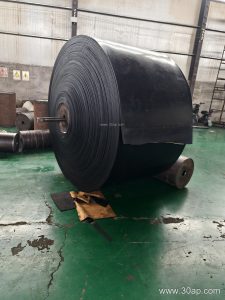
Belt type influences the specification. A heavy-duty mining conveyor belt with a steel cord carcass needs a larger diameter to limit bending stress, while an EP conveyor belt or NN conveyor belt on a shorter run may accept a smaller drum. Fire resistant and flame retardant belts in underground coal mining also demand careful surface selection to avoid slip and heat buildup.
Selection Notes for Buyers
When ordering, provide the belt width, the required wrap angle, the belt tension at that point, and the available space. A bend pulley for a B650 line may use a Ø400 shell, but a B1400 installation might need Ø800 or larger. Face width should exceed belt width — B1200 belts commonly pair with a shell near 1400 mm — but the diameter is a separate decision based on carcass stiffness and tension.
Check bearing type and sealing for the environment: dusty quarry air calls for good labyrinth seals, while washdown areas need corrosion-resistant housings. Confirm lagging thickness and pattern match the slip risk. Also verify that the pulley will be mounted with adequate clearance for the return belt and any idler roller nearby.
Maintenance and Long-Term Reliability
Inspect lagging wear at each shutdown; worn diamond grooves reduce grip and allow belt slip. Check bearing temperature and listen for rumble that suggests race damage. Keep the pulley square to the belt path, because a misaligned bend pulley causes edge wear on the conveyor belt and can load the conveyor bracket unevenly. On tensioning towers, confirm the take-up travel still allows the pulley to move freely.
Replacement pulleys should match the original shaft diameter, bearing centers, and lagging profile, or the entire tensioning geometry may need review. For plants running abrasive ore or coal, keeping a spare lagged bend pulley on site shortens downtime when surface wear reaches the limit.