What a Wear-Resistant Mining Idler Does on the Line
A wear-resistant mining idler is a carrying or return roller built to survive the constant grinding of rock, ore and coal dust. On a quarry conveyor or an iron ore transfer point, an ordinary roller shell can thin out and lose its roundness long before the bearings fail. The wear-resistant version attacks that problem at the surface: a thicker wall, a hardened shell, or a rubber and ceramic cover takes the abrasion while the shaft and bearing housing stay protected.
The roller is only one part of the circuit. The conveyor belt rides on the idler roller, the belt is trained around a conveyor pulley at each end, and the whole assembly is fixed to a conveyor bracket on the stringer. If the idlers wear unevenly, the belt starts to track badly and the edge of a heavy-duty mining conveyor belt can be damaged within weeks. That is why idler selection deserves the same attention as belt specification.
How the Roller Is Built
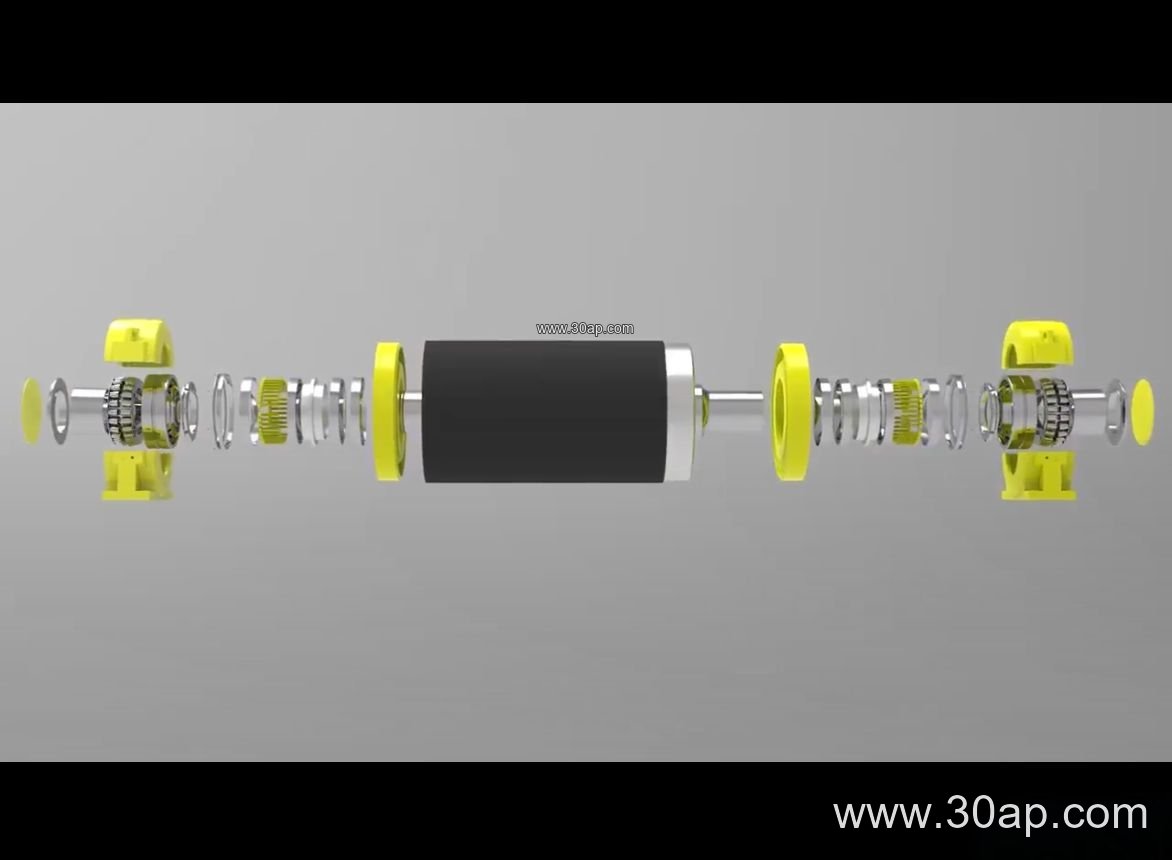
Most units follow the same basic layout. A seamless steel tube forms the shell, with a pressed end cap welded at each end. Inside, a shaft runs through the roller and carries the bearing assemblies, which sit in a sealed housing. The seal is the quiet hero of the design: a labyrinth or multi-lip seal keeps fine grit away from the bearing, and a well-sealed roller in a dusty crusher house usually outlasts a thicker but poorly sealed one.
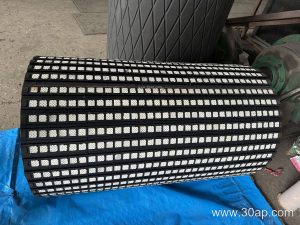
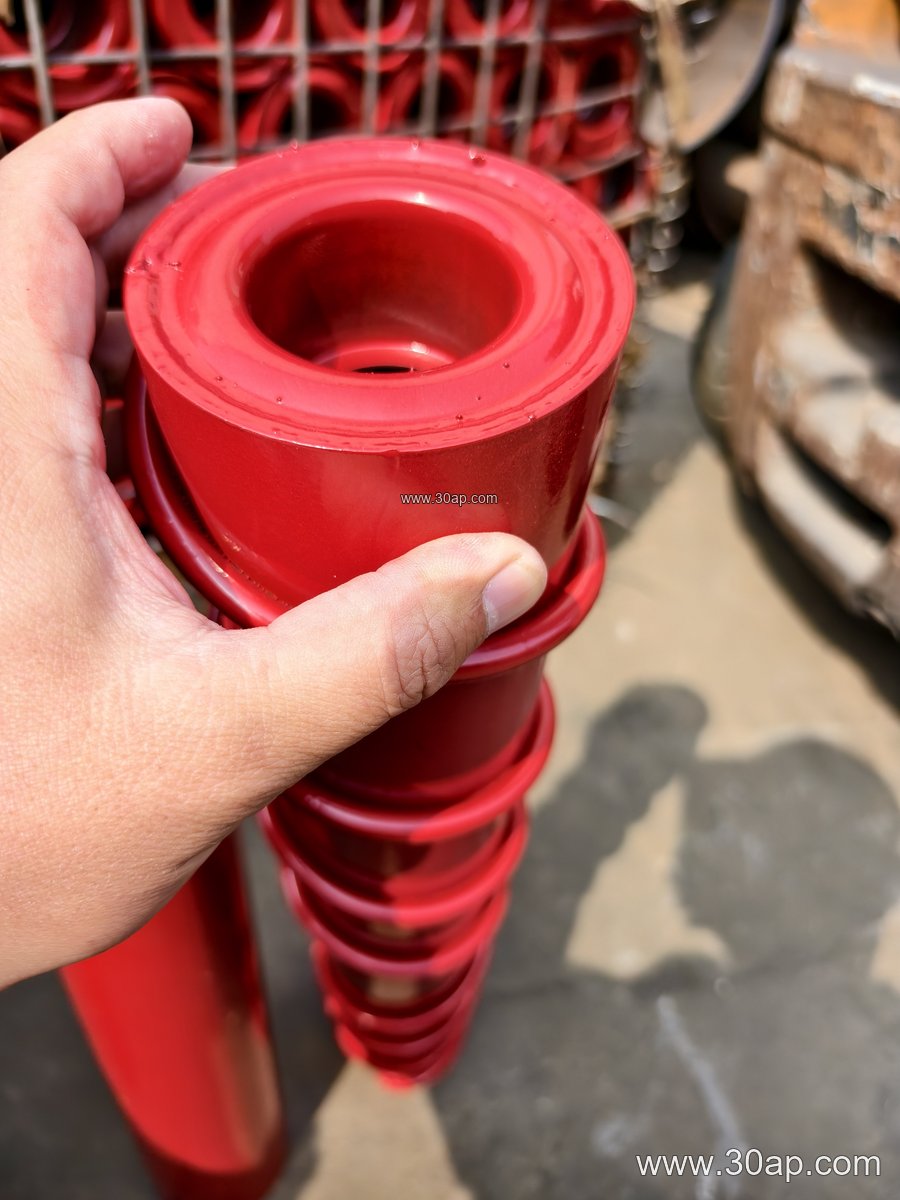
Wear protection is applied in several ways. Some rollers use a thicker tube wall, which extends service life without changing the outside diameter. Others fit a rubber ring cushion for impact zones, or a ceramic tile surface for the most abrasive ore. The shell surface may be plain steel, nylon, ceramic or rubber, and each has a place depending on whether the enemy is sliding abrasion, impact or sticking material.
Common Reference Dimensions
The values below are typical references for planning, not fixed supply commitments. Final dimensions follow the conveyor design, belt width and trough angle.
| Item | Common Reference Values |
|---|---|
| Roller diameter | Ø63, Ø76, Ø89, Ø102, Ø108, Ø127, Ø133, Ø159, Ø178, Ø194, Ø219 mm |
| Belt width | B400, B500, B650, B800, B1000, B1200, B1400, B1600, B1800, B2000, B2200, B2400 |
| Trough angle | 20°, 30°, 35°, 45° |
| Bearing | 6204, 6205, 6305, 6306, 6308, 6310 |
| Idler set form | single roll, two-roll, three-roll troughing |
Roller length changes with belt width, trough angle and set form. As a rough example, a three-roll troughing set might use a roll of about 315 mm on a B800 belt or about 465 mm on B1200. The side rolls and centre roll can differ, so these are examples only. Bearing size is chosen from load and speed, not from roller diameter alone.
Where the Roller Earns Its Keep
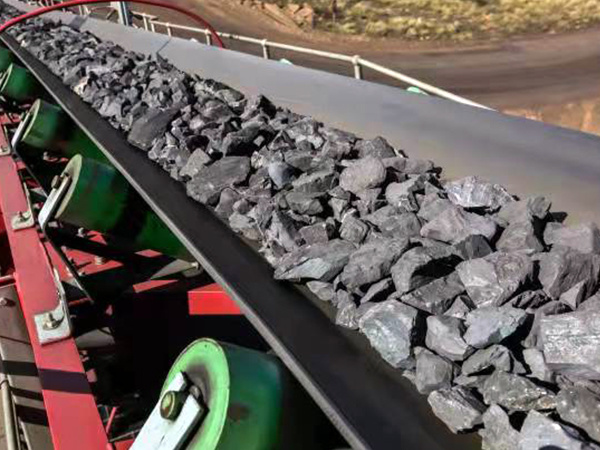
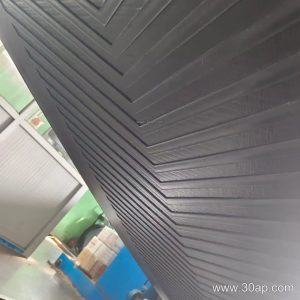
Two working environments show the value most clearly. In a limestone quarry or sand and gravel plant, the primary crusher discharge throws sharp, fast-moving stone onto the belt. Impact idlers with rubber rings absorb the hit, while wear-resistant troughing idlers carry the load away toward the screening house. Downstream, a chevron conveyor belt or a corrugated sidewall conveyor belt may climb a steep stockpile conveyor, and the idlers there must stay round under constant edge loading.
In a coal preparation plant or a power station coal yard, the challenge shifts to fine dust and moisture. A flame retardant conveyor belt is often specified for safety, and the idlers must be sealed well enough that coal fines do not pack into the bearing housing. Return-side rollers matter here too: a V-shaped return idler or a spiral roller helps shed sticky material before it builds a layer that drags on the belt.
Selection Points a Buyer Should Check
- Match the idler to the belt. A heavy-duty mining conveyor belt with a thick cover behaves differently from a thin EP conveyor belt, and the roller load changes accordingly.
- Check the trough angle. A 35° or 45° trough carries more material but increases the load on the side rolls. A transition idler set at the pulley approach reduces stress on the belt edge.
- Think about the whole station. A worn conveyor bracket or a misaligned conveyor pulley will destroy new rollers quickly, so inspect the frame before replacing idlers.
- Consider training. Self-aligning idlers, including friction and tapered types, help on long conveyors where the belt tends to wander.
- Ask about sealing and shell thickness rather than only the price. The cheapest roller is rarely the cheapest per ton conveyed.
Finally, keep spare rollers of the most heavily loaded sizes on site. A single failed idler in a transfer tower can stop a whole shift, and swapping in a correctly sized wear-resistant mining idler takes minutes compared with the downtime of a jammed belt. For more on matching belts, pulleys and rollers, visit beltconveyorparts.com and review the roller and pulley data before ordering.