What a 1500mm Conveyor Belt Is
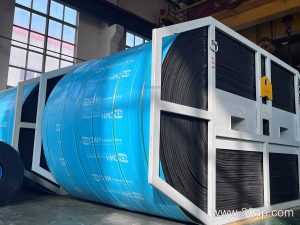
A 1500mm conveyor belt is a wide belt format used on bulk handling systems where a single stream of material must move at high tonnage without excessive belt speed. The 1500mm figure refers to the cut width of the belt, not the working width after edge wear or the pulley face. In practice, a 1500mm wide conveyor belt is often specified for main haulage lines in mining, coal preparation, cement plants, power stations, and large sand and gravel yards. It sits between the common 1200mm and 1800mm sizes, so it offers a useful balance between capacity and structural load on the conveyor frame.
Buyers sometimes describe the same product as a 1.5m conveyor belt or a 1500mm wide conveyor belt. These are equivalent names for the same format. The belt itself may be an EP conveyor belt, an NN conveyor belt, or a steel cord conveyor belt, depending on the duty. The width does not define the carcass type.
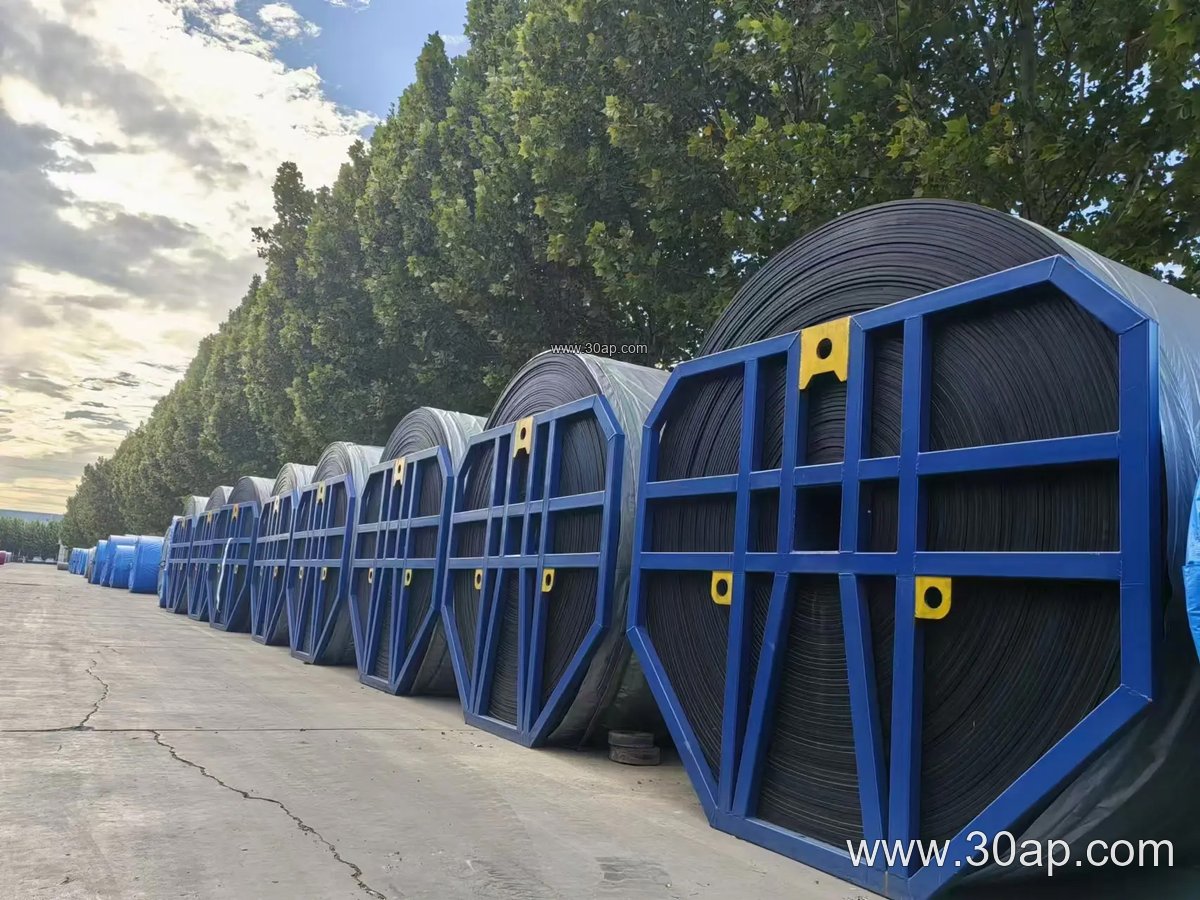
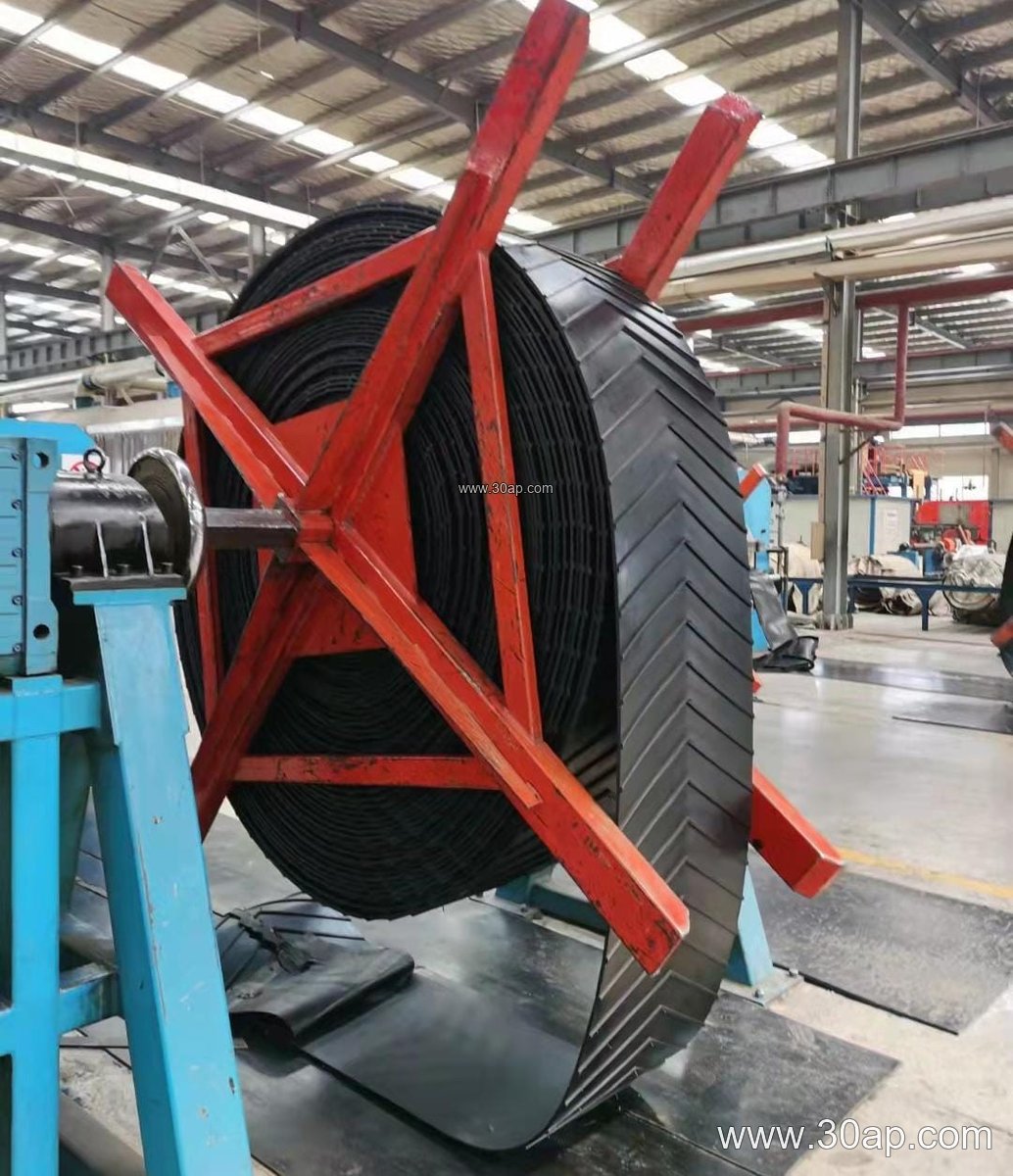
Construction and Common Configurations
A wide belt is built from a carcass, cover rubber, and edge protection. Fabric core designs usually carry multiple plies, while steel cord designs use a single layer of cords for very long runs and high tension. Cover thickness is selected to suit the material. Common cover combinations include 4+2 mm, 5+2 mm, 6+2 mm, and 8+3 mm, with the first figure being the top cover and the second the bottom cover. Carcass plies typically range from two to six in fabric constructions.
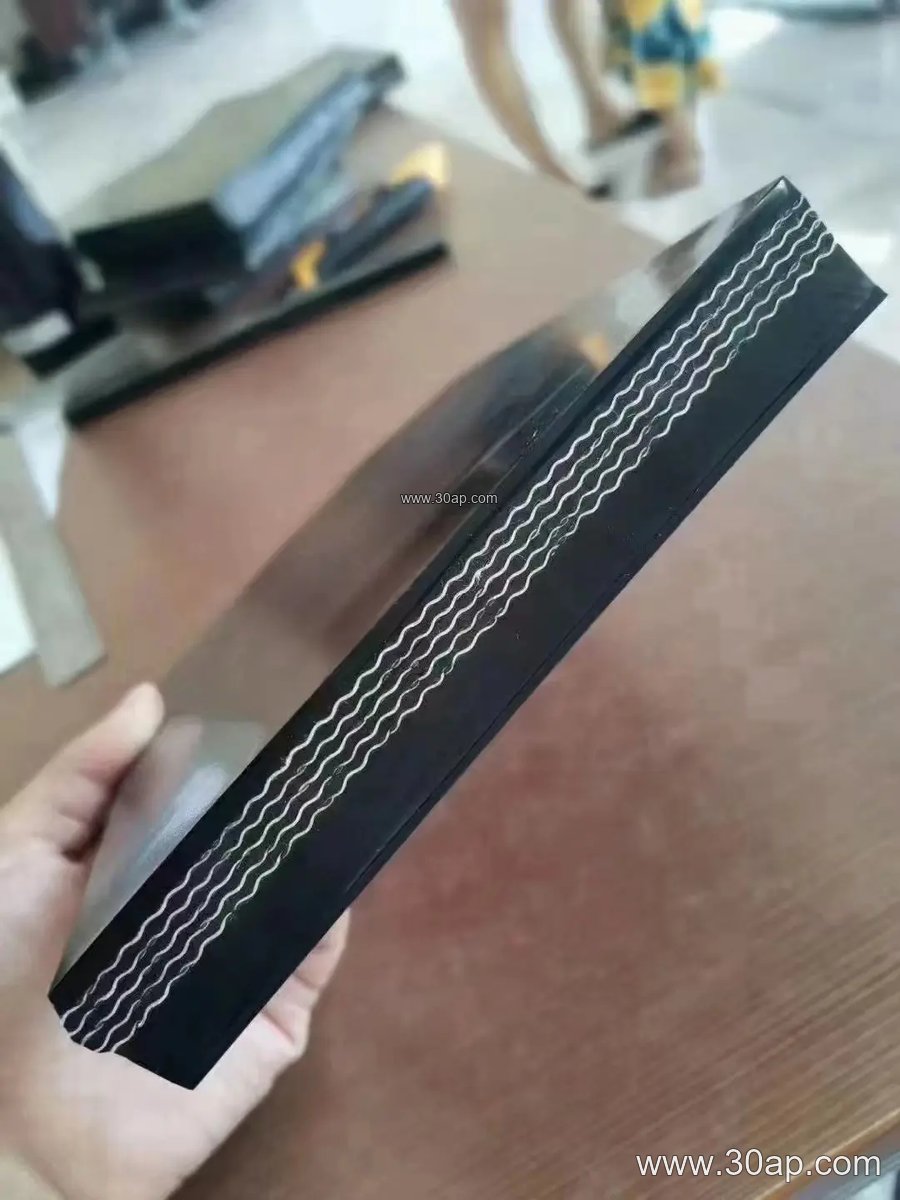
| Property | Typical Options | Notes |
|---|---|---|
| Width | 1500mm | Cut width; confirm actual working width |
| Carcass | EP, NN, steel cord | Selected by tension and splice method |
| Strength grades | EP400, EP630, EP800, EP1000, EP1250 | Common examples, not a fixed rule |
| Cover grade | Abrasion resistant, heat resistant, flame retardant, oil resistant | Match to material and environment |
| Top/bottom cover | 4+2, 5+2, 6+2, 8+3 mm | Thicker covers suit sharp, heavy lumps |
For a 1500mm conveyor belt on a long overland or underground route, a steel cord conveyor belt may be preferred because it reduces the number of splices and carries higher tension. For shorter plant conveyors, a multi-ply fabric core conveyor belt such as an EP conveyor belt is often easier to repair and align. Where the material is wet and sticky, a chevron conveyor belt or a corrugated sidewall conveyor belt can help control carryback and spillage, but these are different belt forms and should not be treated as direct replacements for a flat 1500mm belt.
Where This Width Fits
The 1500mm size appears in primary crushing circuits, stockyard feed lines, and ship loading conveyors. In a quarry conveyor belt or aggregate conveyor belt system, the extra width reduces material depth on the belt, which can lower impact damage at transfer points. In a coal mining conveyor belt or underground coal mining conveyor belt, flame retardant and anti-static grades are usually required by the site risk assessment. Cement plant conveyor belts and power plant conveyor belts often use heat resistant or abrasion resistant covers, while iron ore and copper ore duties may call for a high abrasion resistant conveyor belt.
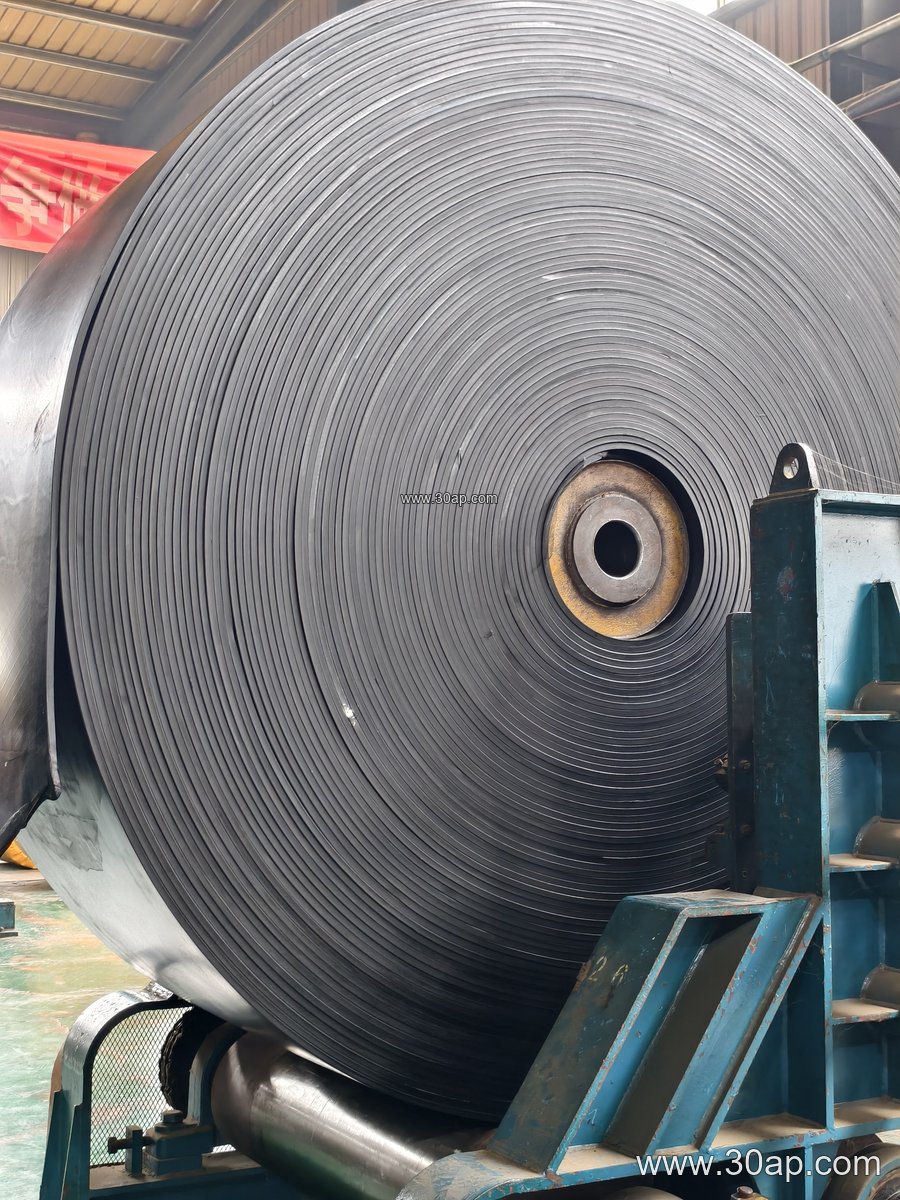
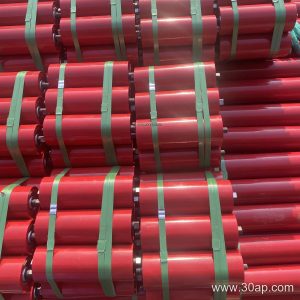
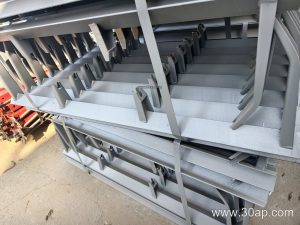
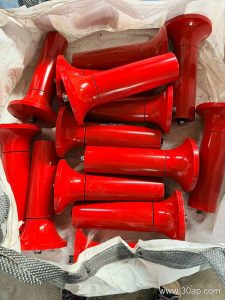
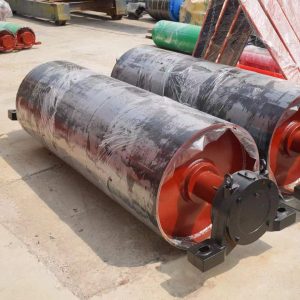
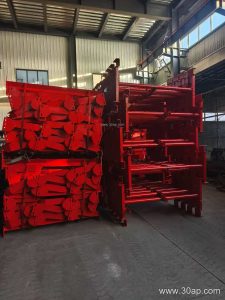
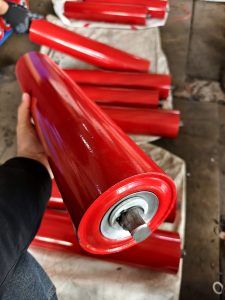
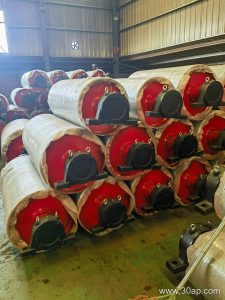
Wide belts also impose higher loads on the conveyor pulley, idler roller, and conveyor bracket. The drive pulley, tail pulley, and bend pulley each have a separate role and are not interchangeable. A 1500mm belt should be matched to a pulley face width and shaft design confirmed by the conveyor designer, not chosen from belt width alone.
Buyer Checklist
- Confirm the actual material, lump size, moisture, and temperature before choosing the cover grade.
- State the required tension grade and carcass type so the splice method can be planned.
- Check pulley face width, idler roller spacing, and conveyor bracket clearance for the 1500mm format.
- Ask for the cut edge condition and whether an endless conveyor belt is needed for the installation.
- Review storage, rolling direction, and lifting points for a wide, heavy roll.
For plant upgrades, a 1500mm conveyor belt is often a practical step up from a 1200mm line without the frame changes required by an 1800mm belt. The final specification should follow the conveyor design, the material test data, and the belt maker’s published data rather than a single width figure.