What an EP200 Conveyor Belt Is
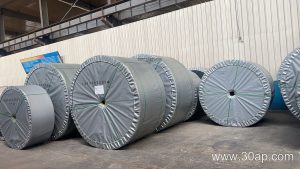
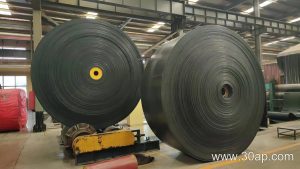
An EP200 Conveyor Belt is a fabric-core rubber belt built around polyester-nylon (EP) plies. The number 200 refers to the nominal tensile strength of the carcass, commonly expressed in N/mm per ply. In practice, a belt with a 200-rated carcass is a mid-range workhorse: strong enough for aggregate, cement and coal flows, yet still flexible enough to trough well on a conventional conveyor structure. Buyers often meet it under the name EP Rubber Conveyor Belt or EP Fabric Core Conveyor Belt, and all three names describe the same product.
Because the carcass is woven from polyester warp and nylon weft, the belt has low elongation in service and good resistance to fatigue. That combination is why many quarry operators prefer it over a pure nylon carcass where belt stretch on long centres is a concern.
How the Belt Is Built
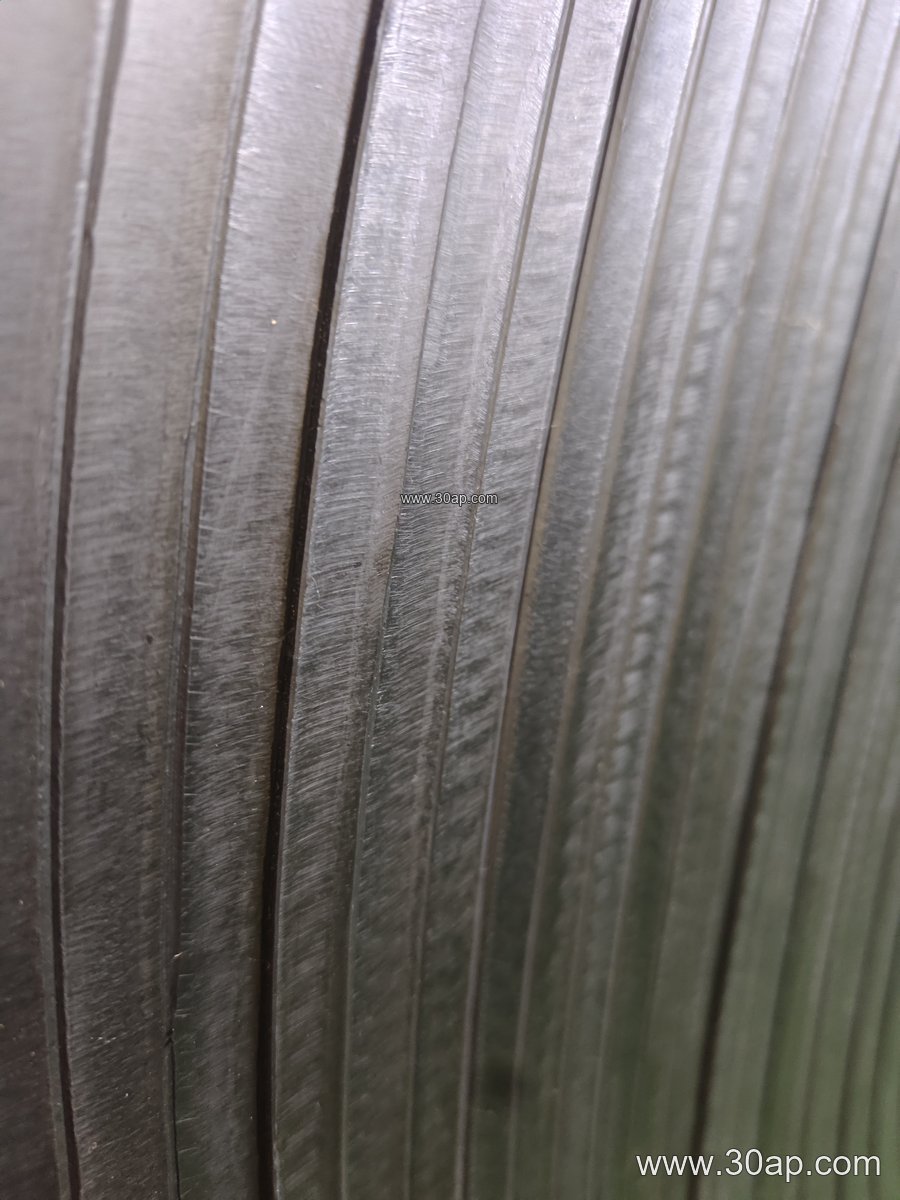
The construction is straightforward but the details matter. Several EP fabric plies are laminated together with rubber skim between them, then covered top and bottom with abrasion-resistant rubber. Edge protection is usually achieved through cut edges or moulded edges, depending on the manufacturer.
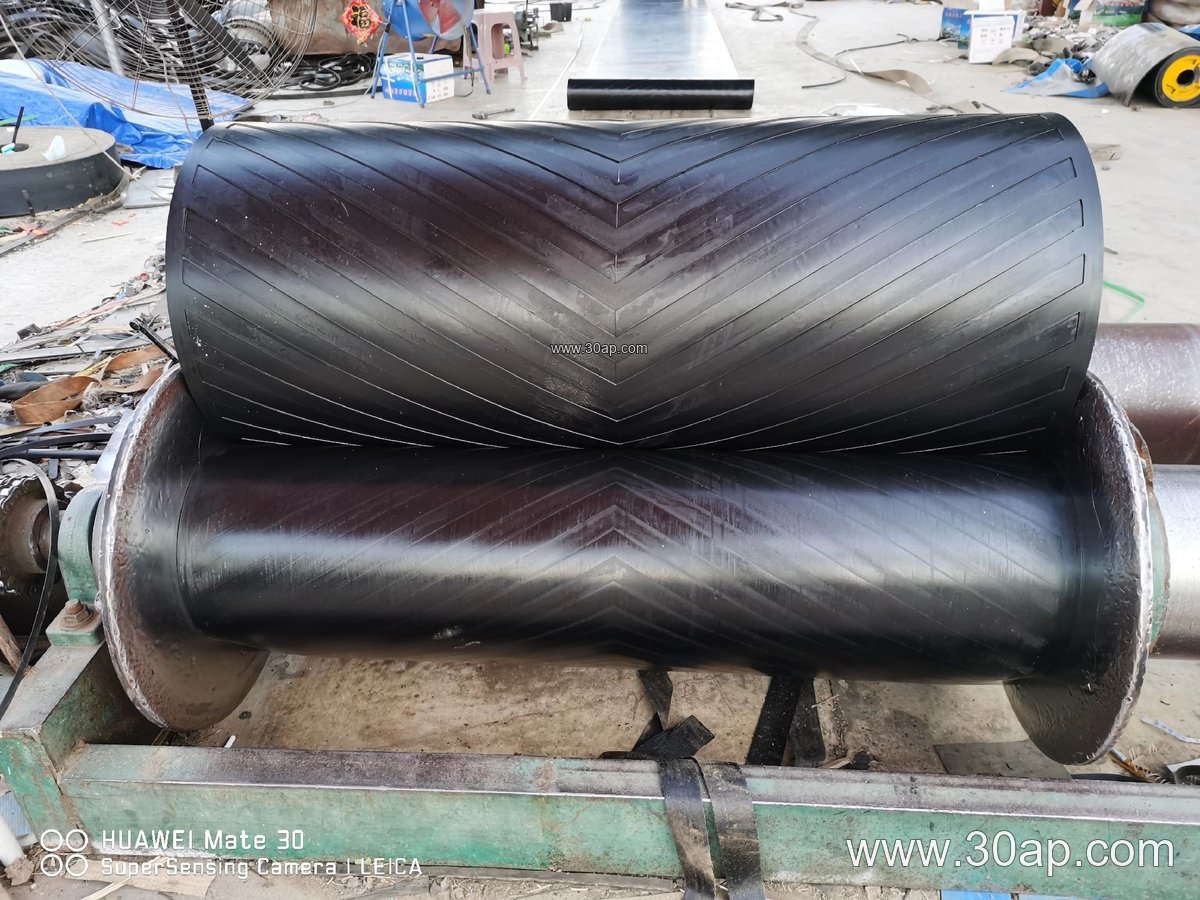
- Carcass: 2 to 6 EP plies, depending on duty
- Cover grades: abrasion resistant, heat resistant, flame retardant, oil resistant, cold resistant
- Common cover thickness: 3+1.5, 4+2, 5+2, 6+2, 8+3 mm
- Typical belt widths: B500, B650, B800, B1000, B1200, B1400, B1600
For a typical EP200 Conveyor Belt used in a sand and gravel plant, a 4+2 mm cover on a 3-ply carcass is a frequent choice. Heavier covers are used where sharp rock or hot clinker is present.
Where It Fits in the Plant
This belt appears across a wide spread of industries. In a quarry it carries crushed stone from the crusher to the screening deck. In a cement plant it moves clinker, limestone and additives. Power plants use it on coal yard and ash handling lines, and coal mining operations run it on surface and underground conveying routes, often in a flame retardant grade.
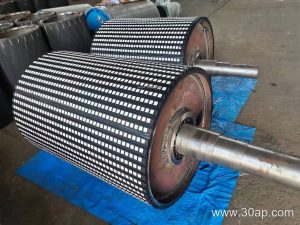
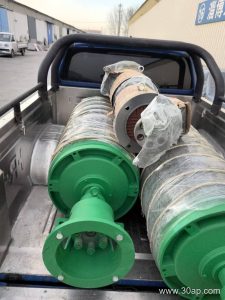
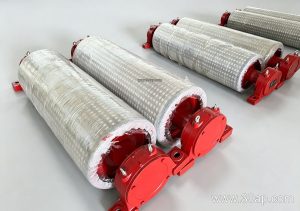
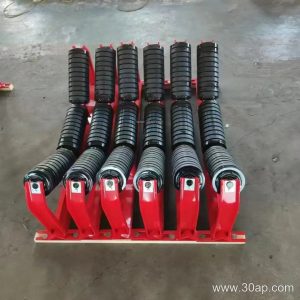
On the conveyor itself, the belt works with a drive pulley, a tail pulley and bend pulleys, supported by idler rollers and held in line by conveyor brackets and frames. Each of these components has its own role, and none should be treated as a substitute for another. A well-aligned structure with properly spaced idlers extends belt life far more than over-specifying the carcass.
Where the route climbs steeply, a Chevron Conveyor Belt or Corrugated Sidewall Conveyor Belt may suit better than a flat belt. For very long, high-tension lines, a Steel Cord Conveyor Belt is the usual alternative, while an NN Conveyor Belt remains a common option for general duties. These comparisons help a buyer choose, but they do not replace the EP200 specification itself.
Selection Points for Buyers
Start with the actual duty. The required tensile grade depends on the peak tension in the conveyor, which in turn depends on length, lift, capacity and friction. A 200-grade carcass may be ample on a short transfer but marginal on a long incline. Ask the belt supplier to confirm the ply count and cover thickness against your calculated tension.
Then match the cover compound to the material. Abrasion Resistant Conveyor Belt grades handle sand, gravel and ore. Heat Resistant Conveyor Belt grades are needed for clinker and sinter. Flame Retardant Conveyor Belt and Anti-Static Conveyor Belt grades are common requirements in coal handling, especially underground. Oil Resistant Conveyor Belt and Acid Resistant Conveyor Belt grades serve recycling and chemical plants.
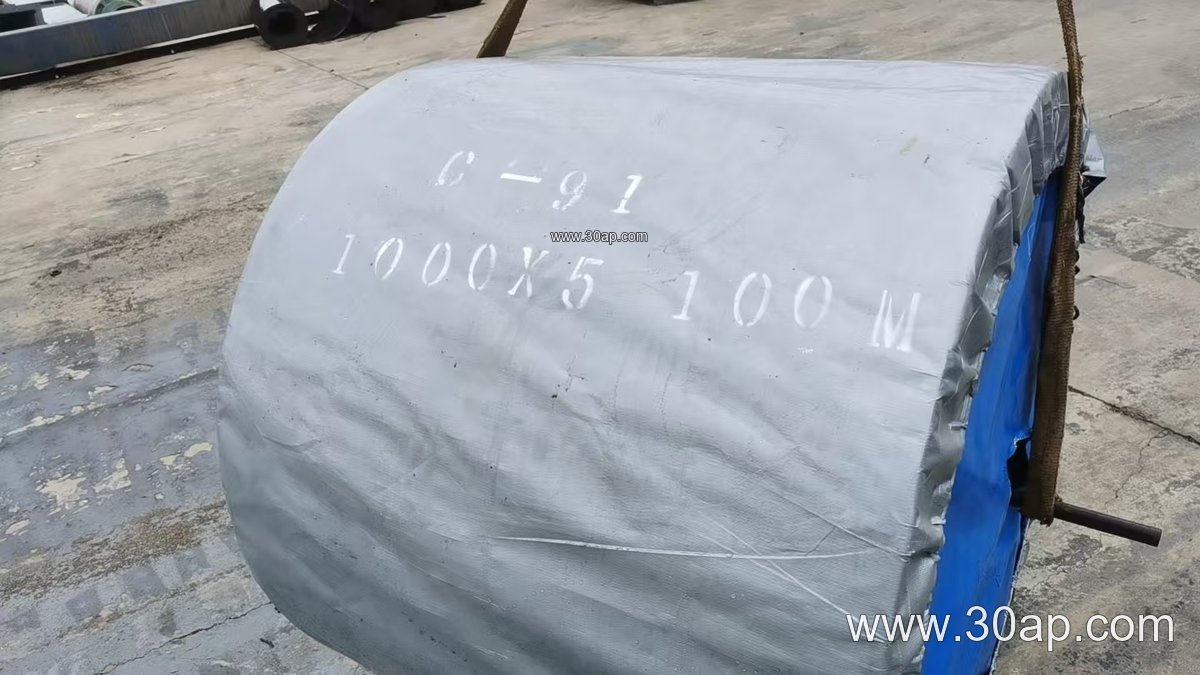
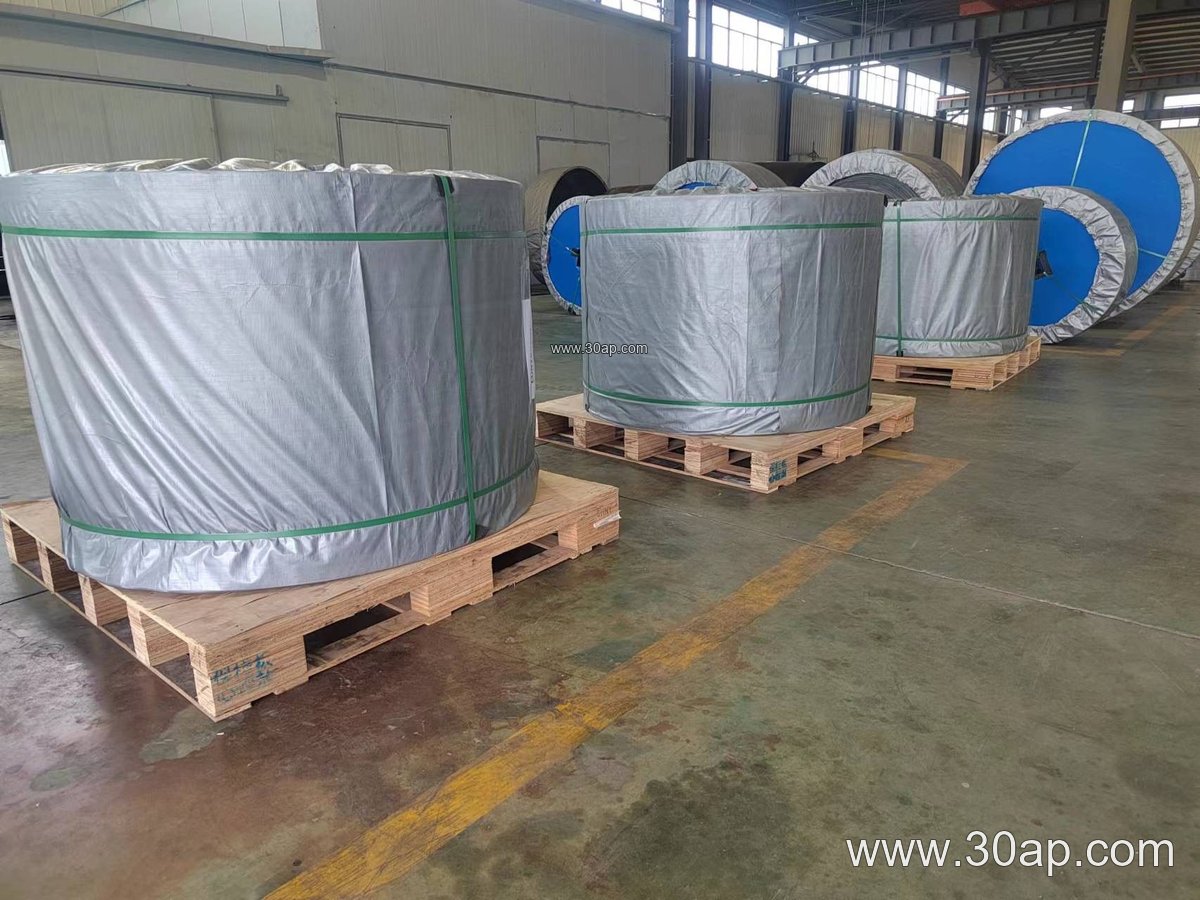
Finally, check the mechanical fit: belt width against pulley face, troughability against idler angle, and splice method against the carcass. A hot or cold vulcanised splice generally gives a smoother joint than mechanical fasteners on a fabric belt. Record the belt’s running direction and store rolls on a clean, dry surface before installation.
Maintenance Notes
Inspect the belt regularly for edge wear, cover gouges and ply separation. Keep the drive pulley lagging clean and check that the tail pulley and bend pulleys turn freely. Worn idler rollers create tracking faults that quickly damage belt edges. A small amount of attention to the conveyor pulley and idler roller set saves a large amount of belt replacement cost.
For more information on EP200 Conveyor Belt specifications, visit www.example.com/conveyor-belt and www.example.com/ep-conveyor-belt. Related pages cover the conveyor pulley and idler roller ranges.