What a Heavy-Load Pulley Does on a Conveyor
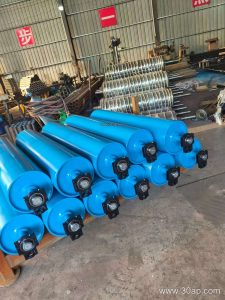
A heavy-load pulley is the drum that carries and drives the conveyor belt where tonnage, torque and continuous duty are the daily reality. In a quarry, limestone mine or iron ore operation, these drums sit at the head, tail and take-up points of a conveyor that may run around the clock. Unlike a light-duty drum, a heavy-load pulley is engineered around bending loads, belt tension and the wear that abrasive bulk material brings.
The same product is often called a heavy-duty conveyor pulley or a heavy-duty drum pulley. Those are accurate equivalents. It should not be confused with a drive pulley, tail pulley or bend pulley: those describe the position and function of a drum, while a heavy-load pulley describes the duty class. A drive pulley at the discharge end may itself be a heavy-load pulley, but the two terms answer different questions.
How the Drum Is Built
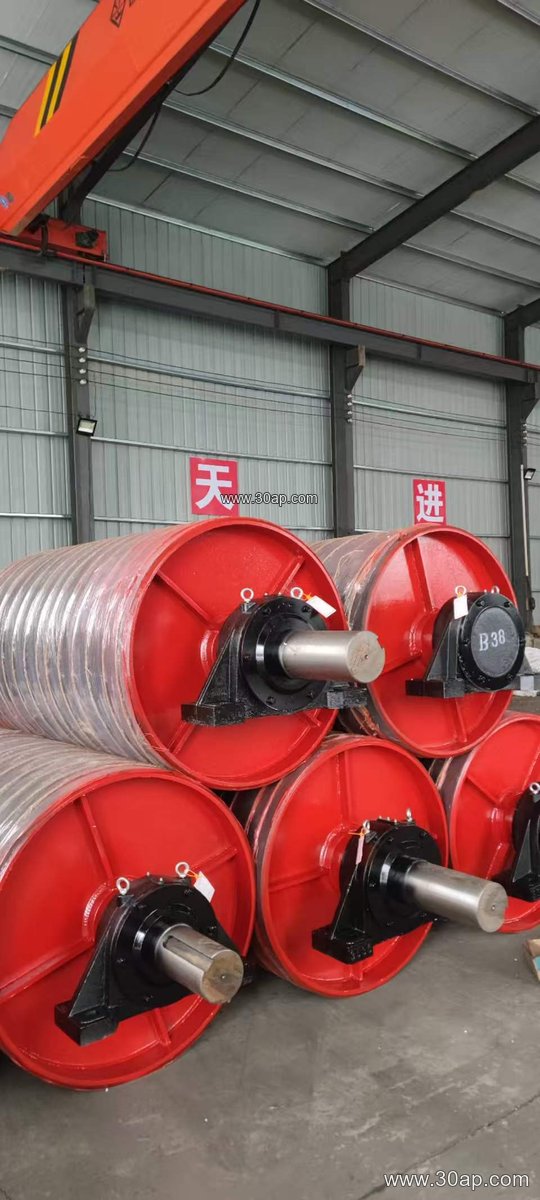
Construction starts with the shell, usually a rolled steel cylinder machined for roundness and balanced for rotation. End discs or hubs are welded in, and the shaft is fitted by keyless locking assemblies or shrink fit. Bearing housings, seals and a suitable lubrication path complete the assembly.
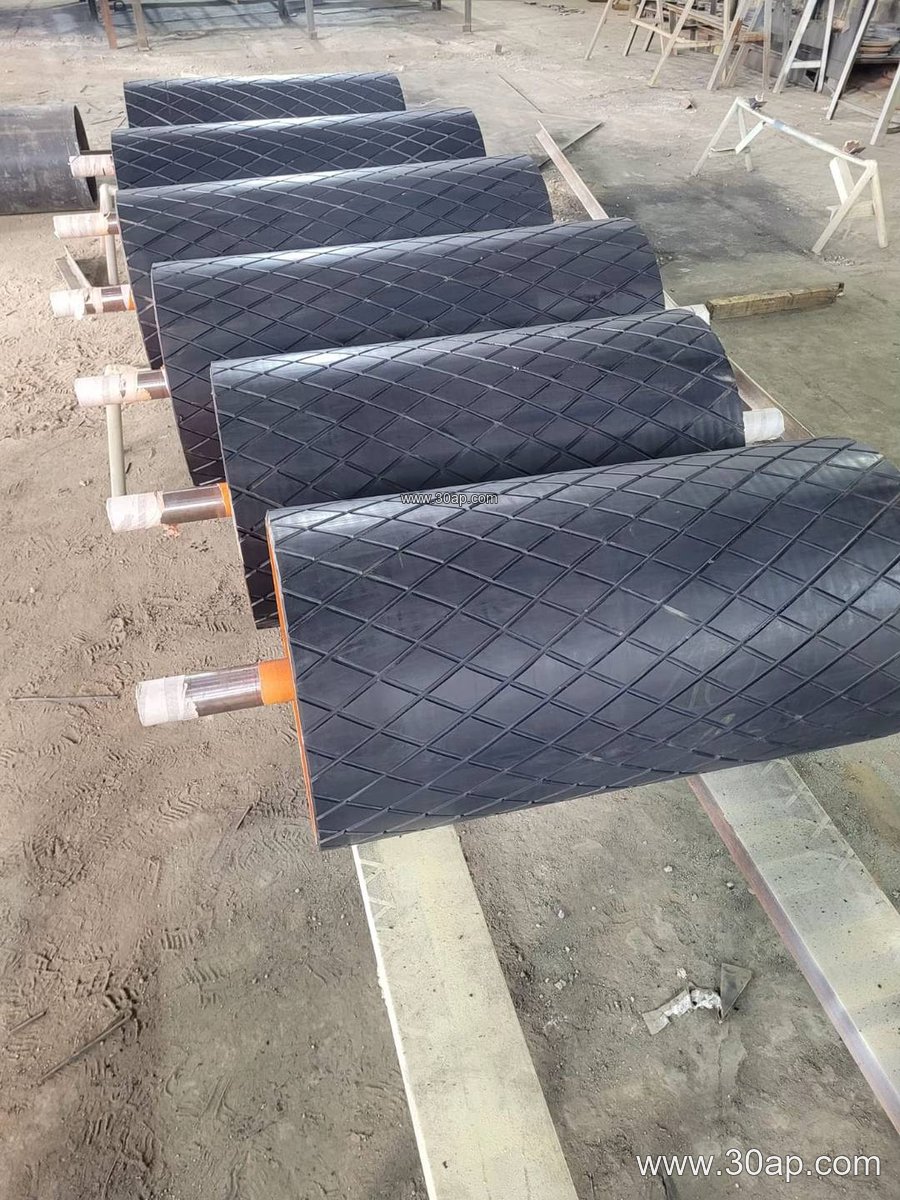
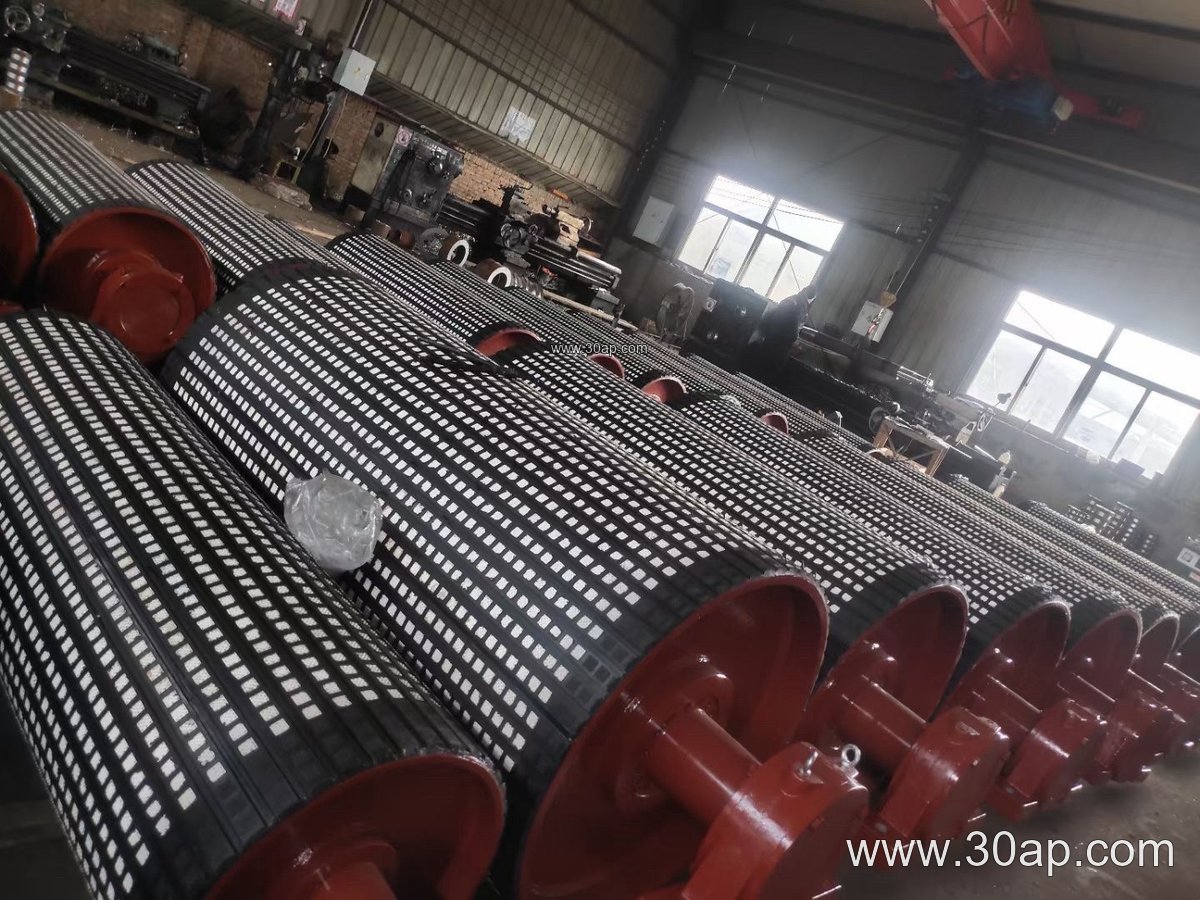
Surface treatment matters as much as the shell. Common options include plain finish, hot-vulcanized rubber lagging, cold-bonded rubber, diamond lagging, herringbone lagging and ceramic lagging. Lagging thickness is commonly 8, 10, 12, 15 or 20 mm. Diamond or herringbone patterns help shed water and fines, while ceramic tiles suit wet, gritty duty where grip must survive.
Typical reference dimensions for drum pulleys include shell diameters such as Ø500, Ø630, Ø800, Ø1000 and Ø1250 mm, and face widths that normally exceed the belt width. For example, B800 is often matched with a face around 950 mm, B1000 with about 1150 mm and B1200 with about 1400 mm. Shaft diameters commonly fall in the Ø80 to Ø200 mm range, but the final value is determined by torque and load, not by belt width alone.
Where Heavy-Load Pulleys Are Used
The most demanding installations are in mines and mineral processing. An underground coal mining conveyor, an ore conveyor or a crusher discharge line all put high tension and shock loads into the drums. In a cement plant, clinker conveying punishes lagging with heat and abrasion. Power plant coal handling and port bulk terminals rely on large drums to keep long conveyors running. Aggregate and sand plants use them at transfer points where a heavy-duty conveyor belt carries sharp rock.
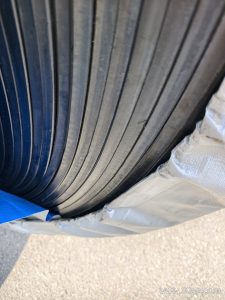
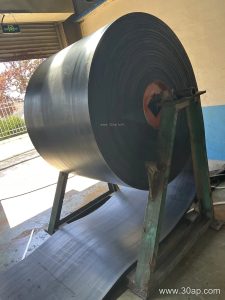
Selection also depends on the belt itself. A steel cord conveyor belt or a high-strength EP conveyor belt such as EP1000 or EP1250 pulls with far more tension than a light fabric belt, so the pulley shell, shaft and bearings must be sized together. Where the belt is a flame retardant conveyor belt for underground use, or an abrasion resistant conveyor belt for stone, the drum should be matched to the same duty level. You can see related drum and belt references at chinaconveyorbelt.com and conveyoridler.com.
Position Matters
A drive pulley at the head handles the highest tension and needs the strongest grip, which is why lagging is common there. A tail pulley guides the belt on its return and may use a plain or lightly lagged face. A bend pulley changes direction and carries lower load but still needs accurate alignment. A take-up pulley works with the tensioning system, and its travel range must be considered during layout.
For comparison, a conveyor pulley used purely as a snub or bend drum is often lighter in build than a heavy-load drum at the same diameter. The distinction is not the name but the calculated load case.
What Buyers Should Confirm
- Belt width and belt type, including whether a steel cord or multi-ply fabric core conveyor belt is used.
- Actual belt tension and the resulting shaft load, not just the drum diameter.
- Lagging type and thickness for the environment: wet, oily, hot or highly abrasive.
- Bearing type, sealing arrangement and lubrication method.
- Face width, diameter, shaft size and keyway or locking assembly details on the drawing.
- Balance grade and runout requirements for high-speed or large-diameter drums.
A common reference combination is B1200 × Ø1000 mm or B1400 × Ø800 mm, but these are examples only. The correct pairing comes from conveyor design, and no single belt width has only one valid drum diameter. Buyers should also plan inspection of lagging wear, bearing temperature and shaft alignment as part of routine maintenance, since a heavy-load pulley that runs out of alignment will wear the belt and itself.
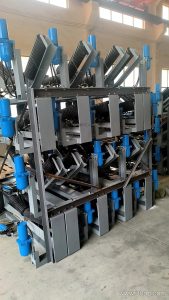
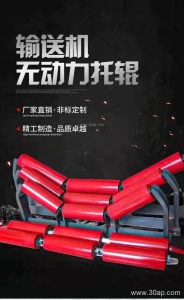
Supporting components such as the idler roller, conveyor bracket and frame all influence how well the drum performs. A well-chosen heavy-load pulley, correctly lagged and aligned with the conveyor belt, is one of the most cost-effective ways to keep a bulk handling line productive.