What an NN200 Conveyor Belt Is
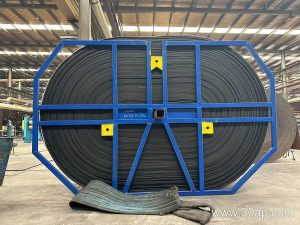
An NN200 Conveyor Belt is a multi-ply fabric core belt built with nylon warp and nylon weft canvas. In the NN Conveyor Belt family, the number refers to the nominal tensile strength of the carcass, expressed in newtons per millimeter of belt width. The nylon fabric gives the belt high strength, good flexibility, and strong resistance to fatigue, which suits long conveying lines and repeated flexing over pulleys. Buyers often meet this product as a nylon Fabric Core Conveyor Belt, and it is a practical alternative to an EP Conveyor Belt where elastic stretch and impact absorption matter more than low elongation.
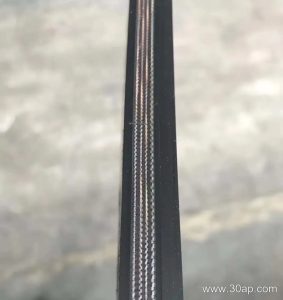
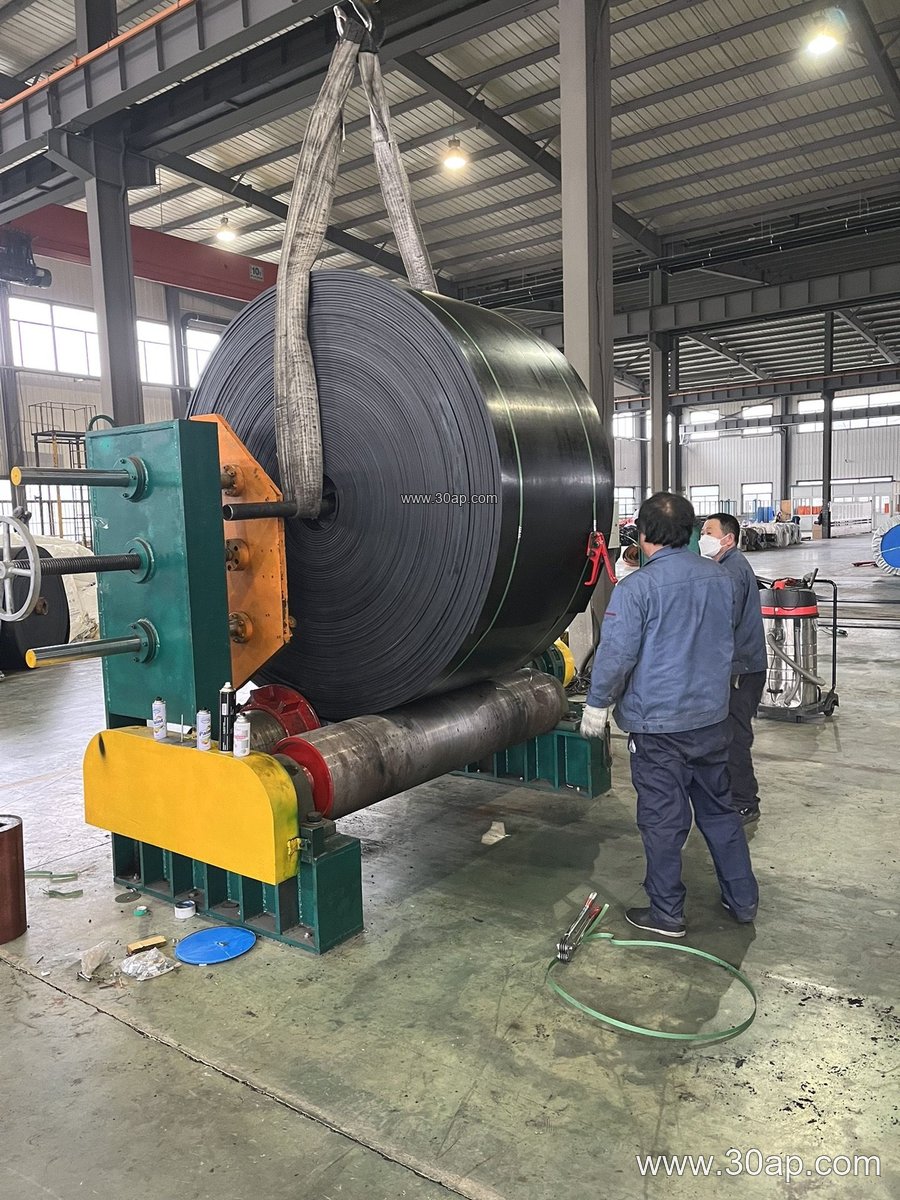
The belt is not a single rubber sheet. It combines a fabric carcass, skim and friction rubber between plies, and top and bottom cover rubber. Each layer does a different job, and the balance between them decides how the belt behaves on a real conveyor.
How the Belt Is Built
The carcass usually has two to six plies of nylon canvas, with the ply count selected according to the duty. Rubber layers bond the plies together, while the covers protect the carcass from abrasion, moisture, and material impact. Cover thickness is commonly quoted as a pair of figures, for example 3+1.5 mm, 4+2 mm, 5+2 mm, 6+2 mm, or 8+3 mm, where the first value is the top cover and the second is the bottom cover.
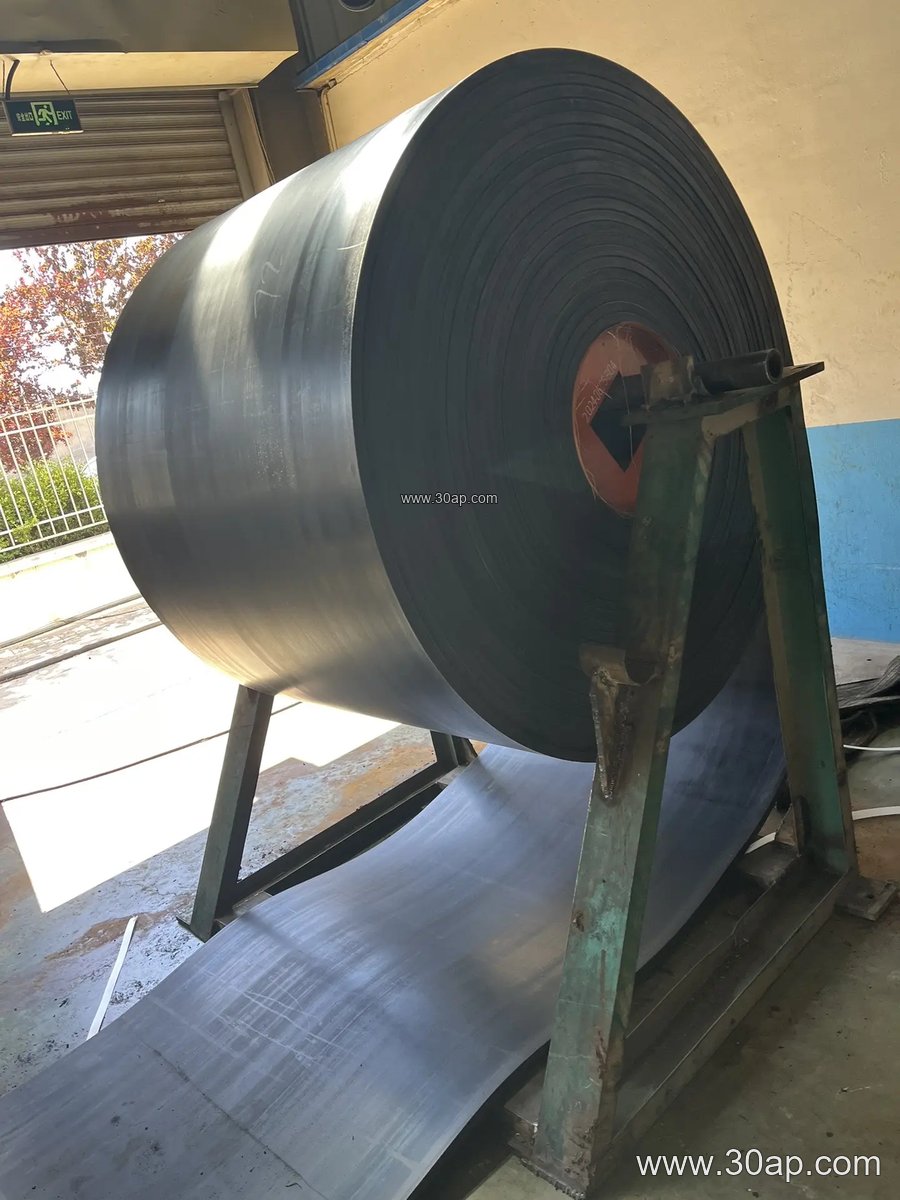
An NN200 belt is often supplied with different cover compounds. An Abrasion Resistant Conveyor Belt cover suits stone and sand, a Heat Resistant Conveyor Belt cover suits hot clinker or sinter, and a Flame Retardant Conveyor Belt or Anti-Static Conveyor Belt cover is used where fire or static risk must be controlled. These are cover options on the same carcass concept, not separate product families.
Common Reference Data
The values below are typical reference points. Actual construction is confirmed by design and by the manufacturer.
- Strength grades in the NN range: NN100, NN200, NN300, NN400
- Common widths: B500, B650, B800, B1000, B1200, B1400, B1600, B1800, B2000
- Cover combinations: 3+1.5, 4+2, 5+2, 6+2, 8+3 mm
- Carcass plies: usually 2 to 6
For comparison, an EP200 Conveyor Belt uses polyester warp and nylon weft and generally offers lower elongation, while a Steel Cord Conveyor Belt replaces fabric plies with steel cords for very high tension. A PVC Conveyor Belt or PVG Conveyor Belt uses a different carcass and cover system, often in underground coal service. These are different products and cannot substitute for one another in a specification.
Where NN200 Belts Are Used
The belt fits bulk material handling in mines, coal preparation plants, cement works, power plants, quarries, sand and gravel yards, ports, and crushing circuits. In a crushing line it may run as a Crusher Conveyor Belt between the primary crusher and the screen deck. In a quarry it can serve as a Quarry Conveyor Belt or Aggregate Conveyor Belt on a long incline. In a coal yard it may be specified as a Coal Mining Conveyor Belt with flame retardant covers. The same carcass concept also appears in a Cement Conveyor Belt and a Power Plant Conveyor Belt where moderate tension and good troughability are needed.
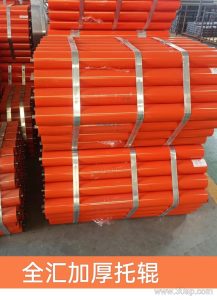
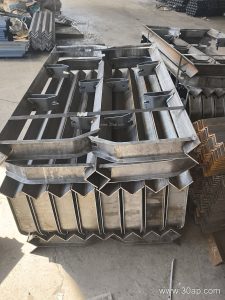
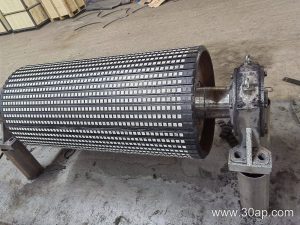
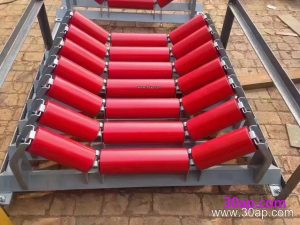
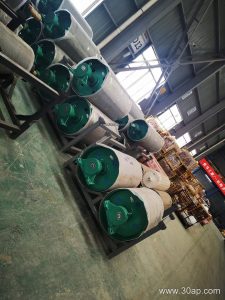
On the conveyor structure, the belt runs over idler rollers that support the load, around a head conveyor pulley and a tail conveyor pulley, and is held by conveyor brackets and frames. Drive, tail, and bend pulleys are separate components with separate duties and are not interchangeable. Correct alignment of idlers and pulleys protects the belt edges and extends cover life.
Selection Points for Buyers
Start with the duty. The required tension, belt width, speed, lump size, and material temperature set the starting point. A High Strength Conveyor Belt grade may be needed on a long lift, while a shorter run may only need a standard NN200. Confirm the cover compound against the actual cargo: wet sand, hot cement, oily scrap, and coal dust each demand different protection.
Check the pulley diameters and the transition distance. A thick, stiff carcass needs larger pulleys to avoid ply separation, and a thin belt may need more support. Do not assume that one belt width matches one pulley diameter. Shaft diameter is a pulley design matter and is not fixed by belt width alone. Also confirm the splice method; an Endless Conveyor Belt or a vulcanized joint changes the tension and training behavior of the line.
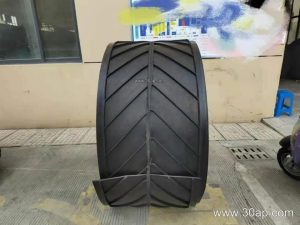
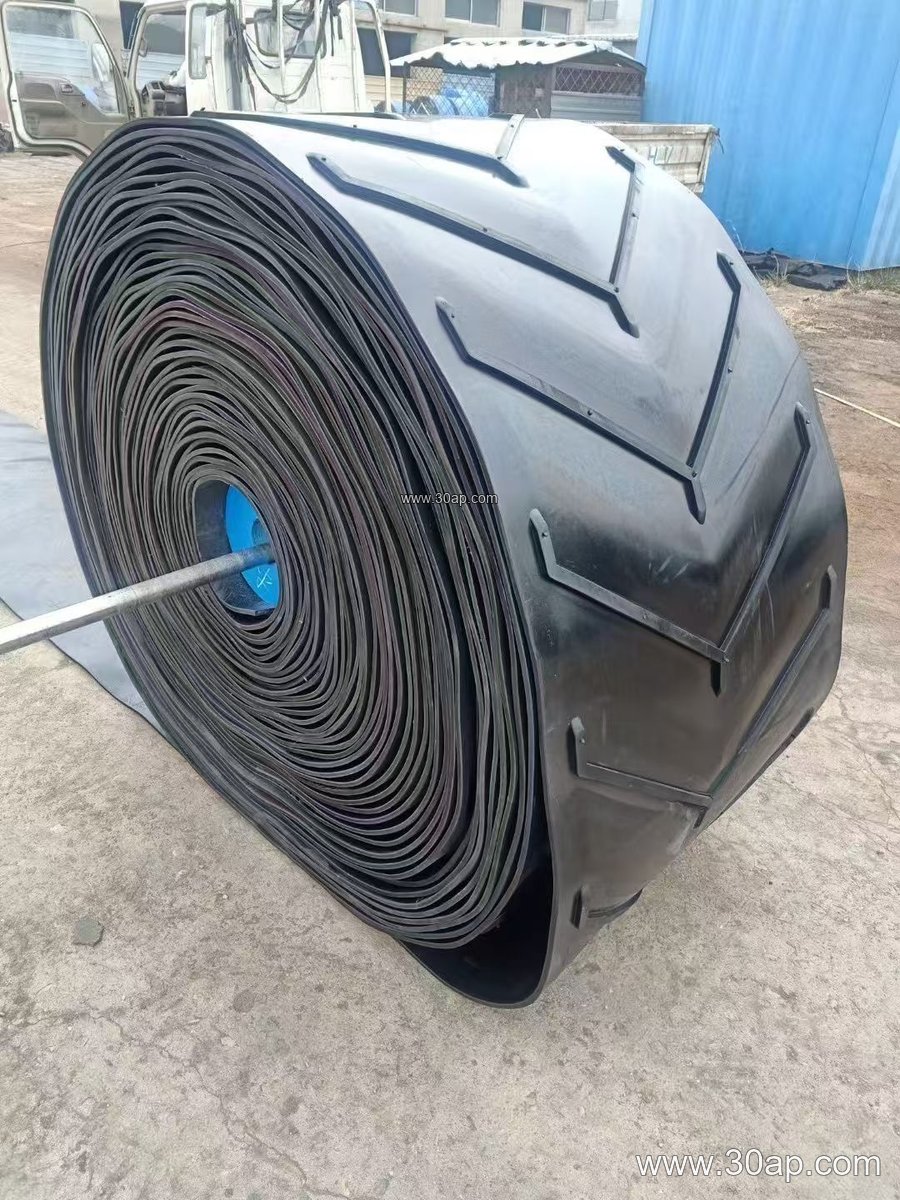
For special layouts, a Chevron Conveyor Belt, Skirted Conveyor Belt, Corrugated Sidewall Conveyor Belt, or Pipe Conveyor Belt may be more suitable, but those are separate designs and are mentioned here only for comparison.
Installation and Maintenance Notes
Keep the belt centered during start-up, check idler roller rotation, and inspect the pulley lagging for wear. Store spare belts flat and away from sunlight and oils. Watch cover wear at loading points, where impact and abrasion are highest. A well matched NN200 belt, with the right cover and a properly aligned conveyor frame, gives long service in mining, cement, power, and aggregate operations. For more conveyor belt, idler roller, and conveyor pulley information, review the full conveyor components range before ordering.