What the Ø108 Self-Aligning Idler Does
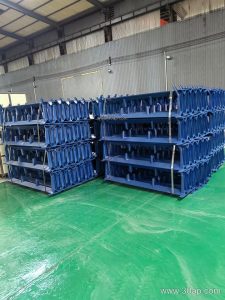
A Ø108 self-aligning idler is a 108 mm diameter roller assembly built to correct belt drift while the conveyor is running. The roller body itself is the same nominal size as many standard carrying and return rollers, but the assembly adds a pivoting frame, side guide rollers or a vertical-axis mount that lets the roller pair swing sideways. When a conveyor belt wanders toward one side, the skewed roller steers it back toward the centre line. On a long quarry conveyor or a coal handling line, this small correction prevents edge damage, spillage and the cost of manual re-tracking.
Construction Details That Matter
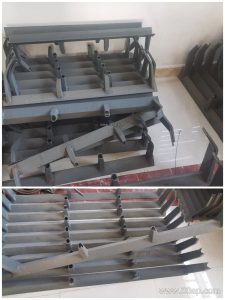
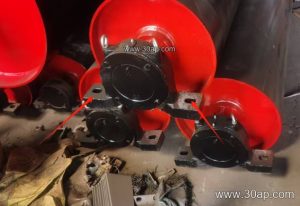
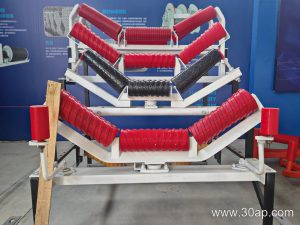
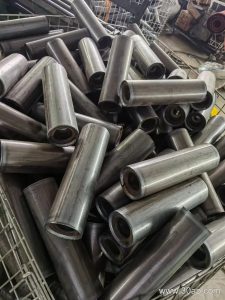
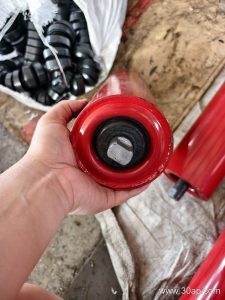
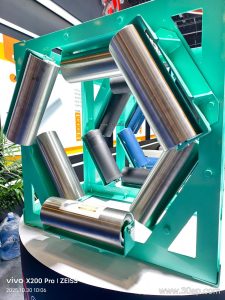
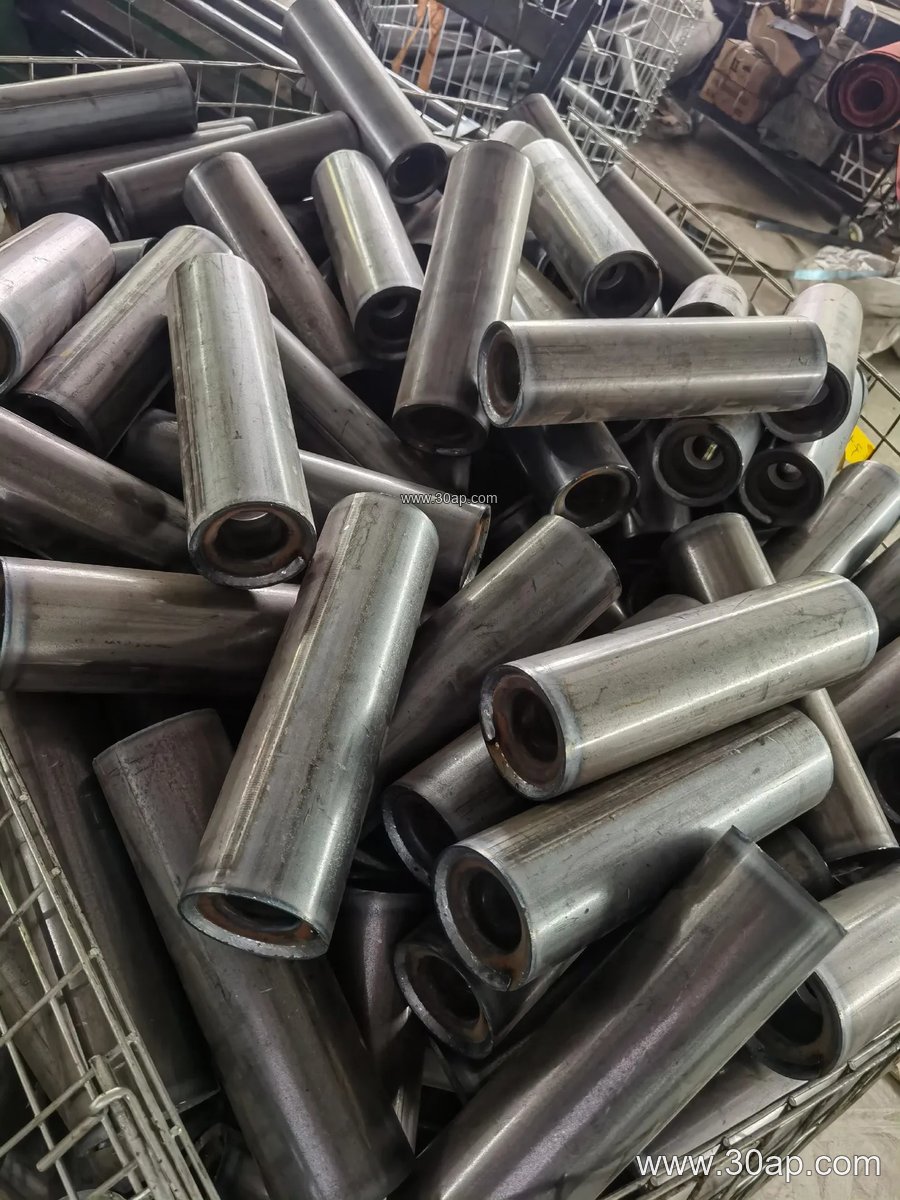
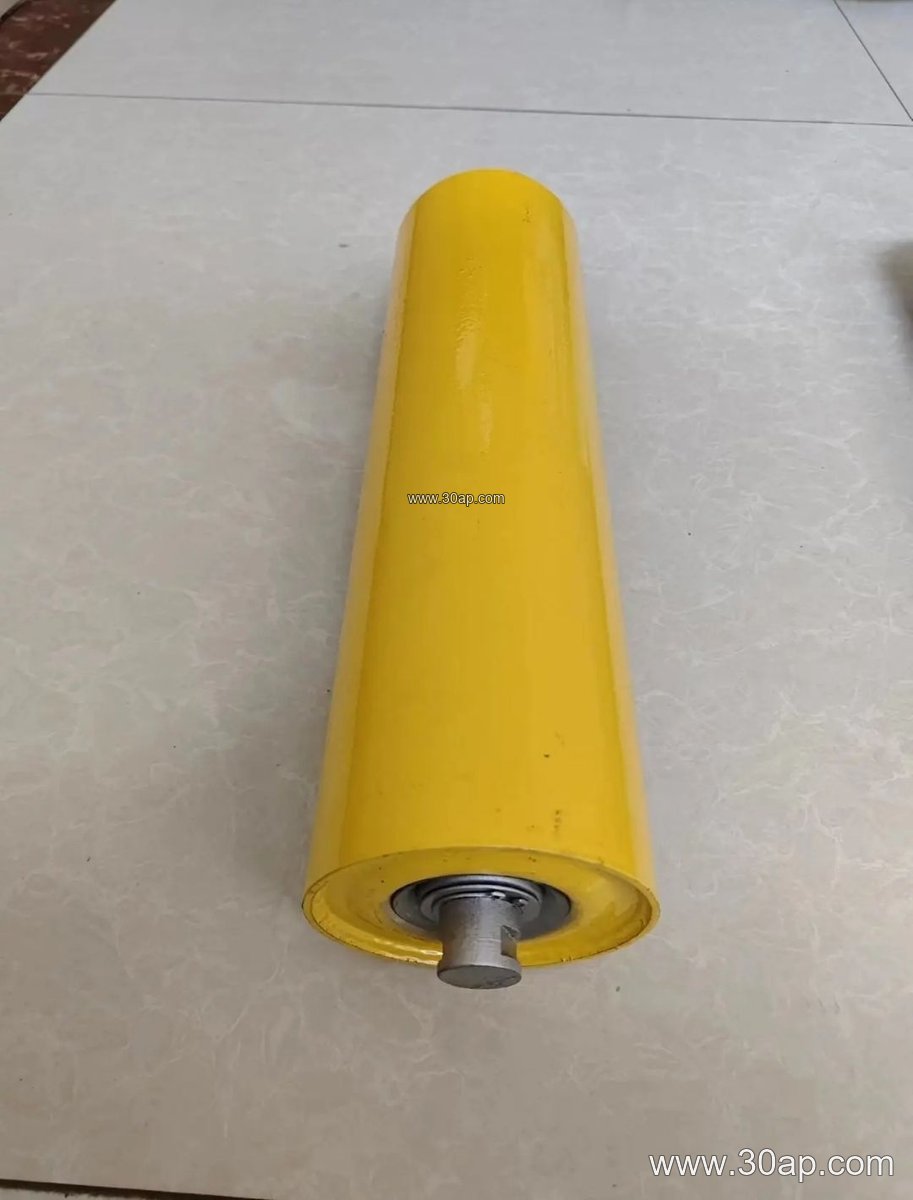
Most units combine two or three Ø108 rollers on a common shaft, carried in a bracket that pivots on a central pin. The roller shell is usually steel tube; rubber-covered rollers appear where impact or build-up is a concern. Sealed deep-groove ball bearings, often 6205 or 6305 depending on the shaft design, sit inside labyrinth seals that keep out dust and water. The frame includes a stopper or limit clearance so the assembly cannot rotate too far and jam the belt.
Tracking action comes from one of two principles. Friction types use the belt’s own contact to pivot the assembly. Positive types use vertical side rollers that touch the belt edge and push the frame directly. Both are common in the Ø108 size, and the choice depends on belt speed, loading and how much wander the system sees.
Where It Fits on the Conveyor
Self-aligning idlers are normally installed in the carrying run, spaced along the line where tracking problems appear, and sometimes on the return run as well. They are not a substitute for a head pulley, tail pulley or bend pulley; those components drive and redirect the belt, while the idler only guides it. A typical layout might use standard three-roll troughing sets for support, a transition idler near the loading point, and one or two Ø108 self-aligning units downstream of the feed to keep the belt centred before it reaches the discharge.
Typical service locations include:
- Limestone and iron ore conveyors in a quarry or mine
- Coal handling and wash plant lines
- Cement plant clinker and raw meal transport
- Power station coal feed systems
- Port and ship-loading conveyors
The belt itself matters too. A heavy, stiff carcass such as a steel cord conveyor belt behaves differently from a lighter EP conveyor belt, and a fabric core conveyor belt with a worn edge will track less predictably. Matching the idler to the belt is part of getting the system right.
Sizing and Selection Notes
The 108 mm diameter usually suits medium to large belt widths, but there is no fixed rule that ties one belt width to one roller diameter. Roller length follows the belt width, trough angle and roll configuration, so a B800 or B1000 belt may use a different roll length than a B1400 line even with the same diameter. The table below gives common reference values only; actual dimensions are set by the conveyor design.
| Item | Common Reference |
|---|---|
| Roller diameter | Ø108 mm |
| Belt width range | B650 to B1800 typical |
| Roll length examples (three-roll) | B800 about 315 mm, B1000 about 380 mm, B1200 about 465 mm, B1400 about 530 mm |
| Trough angle | 20, 30, 35 or 45 degrees |
| Bearing options | 6205, 6305, 6308 and similar |
| Shell options | Steel tube, nylon, rubber ring |
Buyers should confirm the shaft diameter, bearing seat and bracket bolt pattern with the conveyor frame, because those dimensions are not derived from belt width alone. The conveyor bracket and frame must accept the pivot pin and stopper clearance. It also helps to check whether the unit is friction or positive type, and what sealing level the site needs.
Belt and Component Compatibility
Tracking performance depends on the whole system. An abrasion resistant conveyor belt running at high speed may need more frequent alignment checks, while a chevron conveyor belt or corrugated sidewall conveyor belt has raised profiles that can interact with side guide rollers. On underground coal mining conveyor belt installations, flame retardant conveyor belt grades and anti-static conveyor belt requirements usually shape the overall component selection. A self-aligning idler does not replace the function of a conveyor pulley, but it helps protect the belt, the idler roller and the frame from uneven wear.
Installation and Maintenance Tips
Mount the idler square to the belt centre line and allow the frame to pivot freely. Check that the belt is not overloaded on one side and that the loading point is centred. During routine inspection, look for seized bearings, worn rubber rings and loose stopper bolts. A small amount of maintenance keeps the assembly doing its job, and it is cheaper than replacing a damaged belt edge.
For more conveyor components, including conveyor belt, idler roller and conveyor pulley options, review the full product range at www.beltconveyorparts.com and confirm specifications with the engineering team before ordering.