What an Aggregate Conveyor Pulley Does
An aggregate conveyor pulley is the rotating drum that drives or redirects the belt in a crushing, screening, or stockpiling line. Unlike a simple idler roller that only supports the belt, this pulley transmits torque, maintains tension, and helps keep the belt tracking. In a quarry or sand and gravel plant, you will typically find one drive pulley at the head, a tail pulley at the feed end, and several bend or take-up pulleys along the return run. Each position has a different job, so the pulley design changes accordingly.
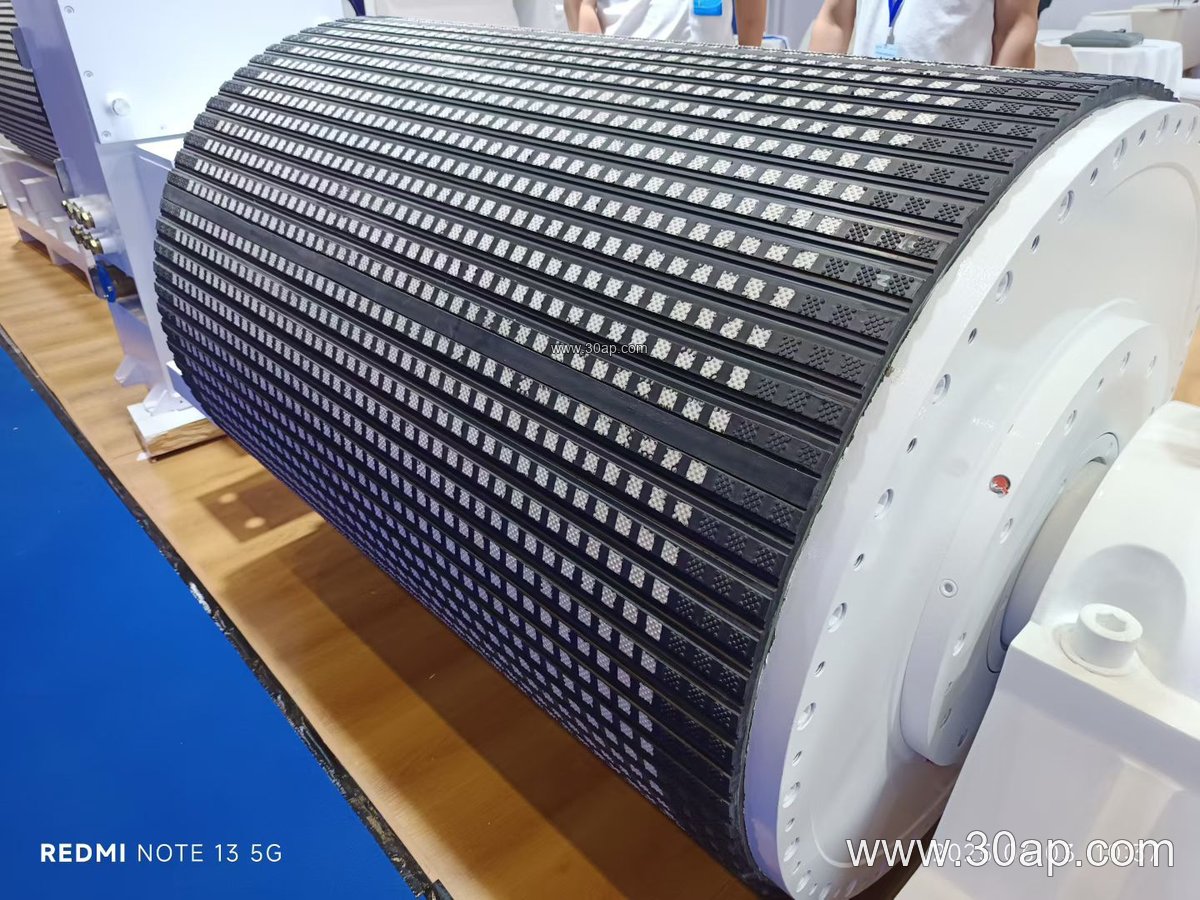
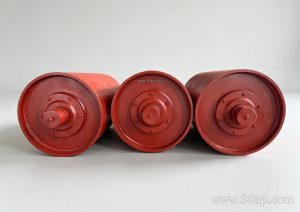
The term aggregate conveyor pulley is often used interchangeably with the accurate equivalent name conveyor drum pulley. Both refer to the same welded or cast steel drum assembly with a shaft, hub, and lagging surface. Drive, tail, and bend pulleys are not interchangeable names; they describe specific locations and duty requirements within the conveyor structure.
Construction and Surface Options
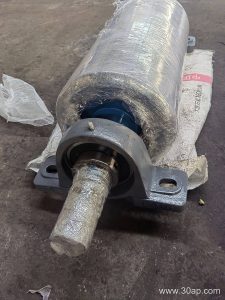
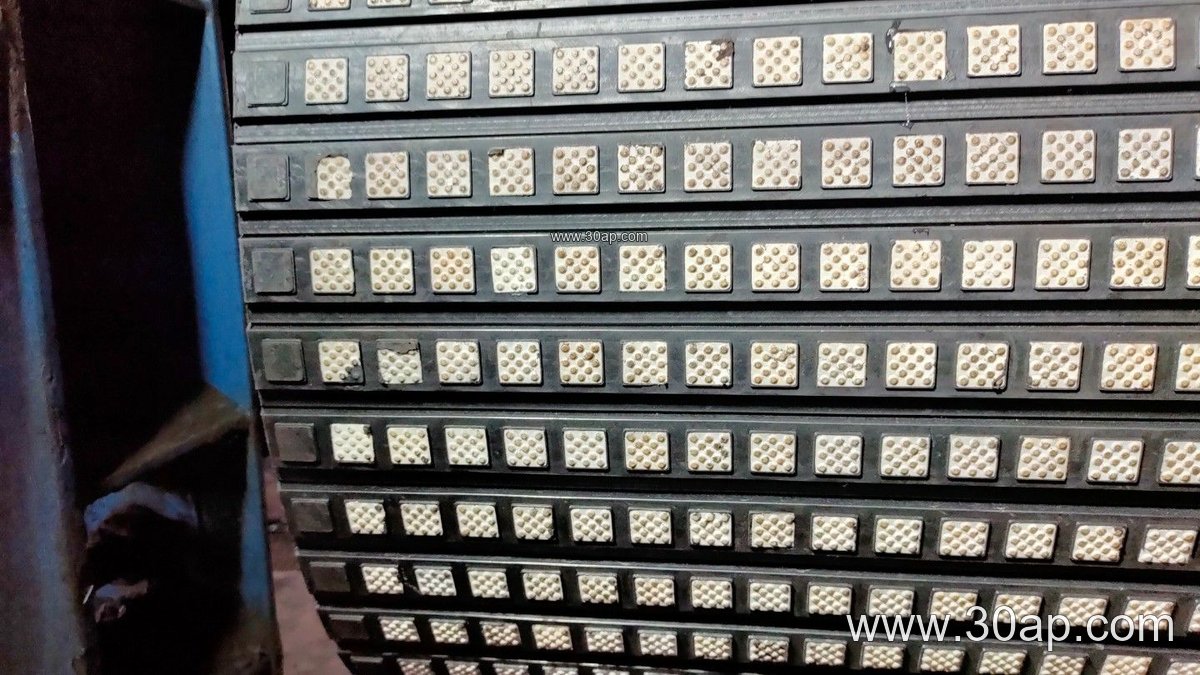
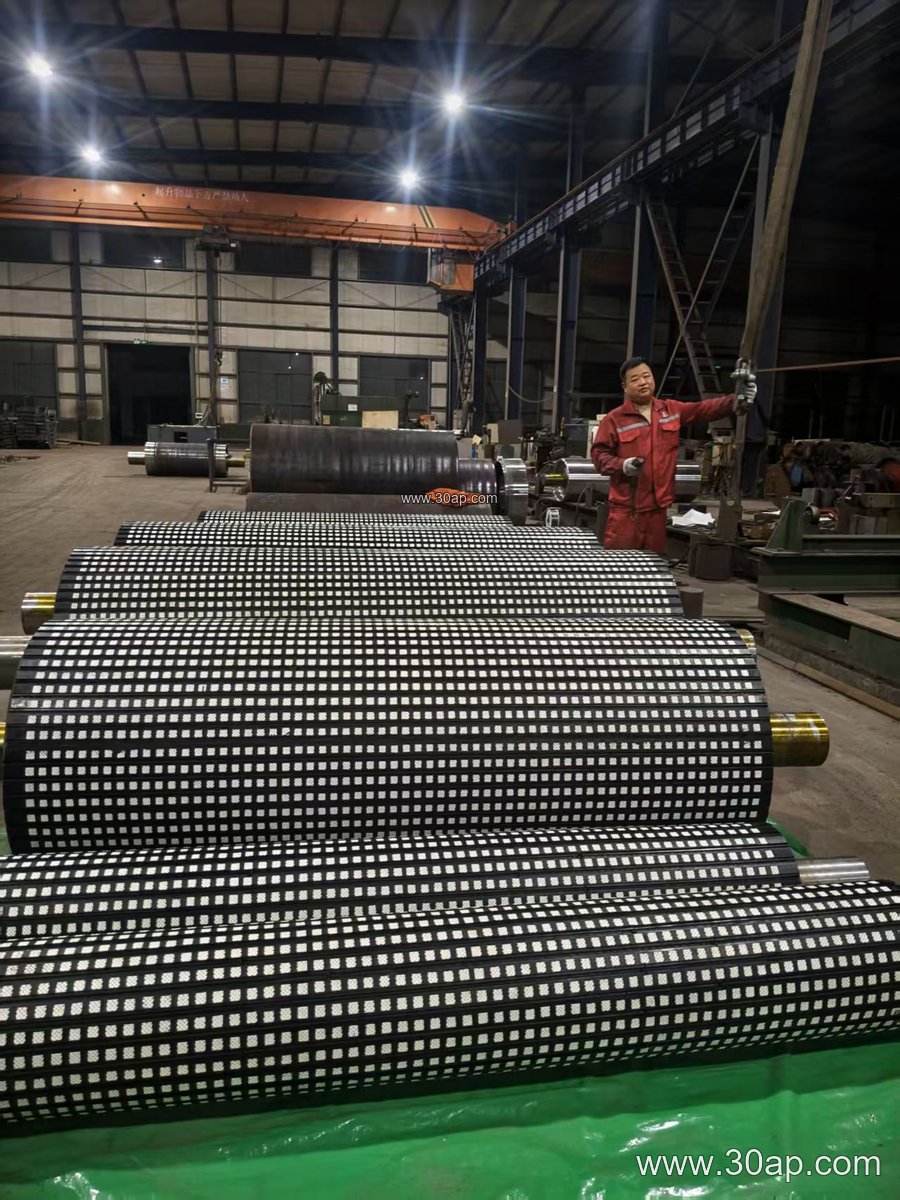
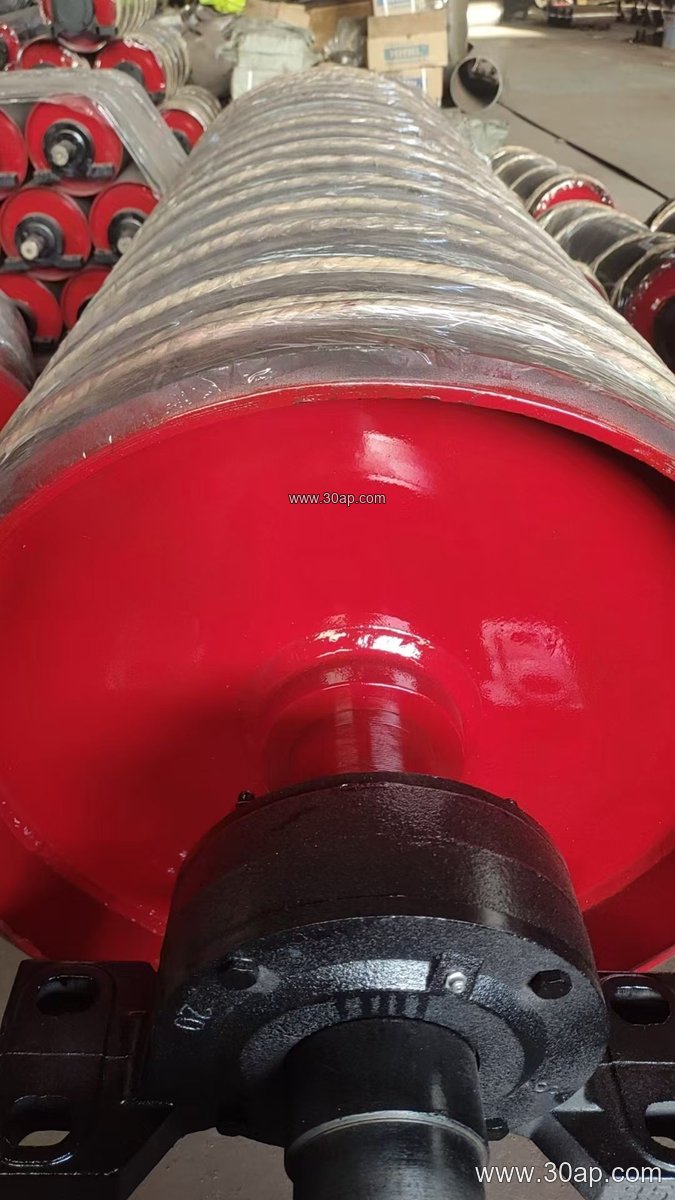
A typical drum consists of a rolled steel shell, two end discs, a through shaft or stub shafts, and bearing housings. The shell thickness and shaft diameter are determined by the torque and radial load, not by belt width alone. Common shaft sizes include Ø50, Ø80, Ø120, and Ø160 mm, but the final choice depends on the drive power and belt tension. Surface lagging protects the belt and improves grip. Plain steel is used for some bend pulleys, while drive and tail pulleys often receive rubber lagging in thicknesses of 8, 10, 12, 15, or 20 mm. Diamond grooving or herringbone patterns help shed water and fines in wet screening operations.
Where It Fits in the Plant
In a limestone quarry or aggregate crushing circuit, the head pulley discharges crushed rock onto a transfer conveyor. The tail pulley sits behind the loading point and must resist impact and material build-up. Bend pulleys increase wrap angle around the drive pulley or route the belt through a take-up tower. In a cement plant, a heavy-duty aggregate conveyor pulley may handle clinker or raw meal, while a coal mining conveyor belt system relies on flame retardant and anti-static properties in the belt itself, with the pulley providing reliable traction. The pulley and belt work as a pair: a worn lagging surface can cause slippage, and a misaligned drum can lead to edge damage on the conveyor belt.
Matching the Pulley to the Belt
Belt width and pulley face width are related but not fixed. The pulley face is usually wider than the belt to allow for tracking. For example, a B800 belt commonly runs on a pulley with a face width around 950 mm, and a B1200 belt may use a face width near 1400 mm. Diameter selection depends on belt thickness, wrap angle, and available space. A B800 × Ø500 combination is common for lighter aggregate duties, while a B1400 × Ø800 or B1200 × Ø1000 may appear in high-capacity primary crushing lines. Do not assume that one belt width can only match one pulley diameter; the same B1000 belt might use Ø630 or Ø800 depending on tension and layout.
Buyer Checklist for Aggregate Duty
- Application position: Confirm whether the pulley is a drive, tail, bend, or take-up unit. Each has different bearing and lagging needs.
- Belt specification: Share the belt type and tension data. An EP conveyor belt, steel cord conveyor belt, or heavy-duty mining conveyor belt will place different loads on the drum.
- Lagging: Choose plain, rubber lagged, or ceramic lagged based on wetness and slip risk. Specify lagging thickness in millimeters.
- Shaft and bearing: Provide the required shaft diameter and bearing type from the conveyor design, not from a generic table.
- Environmental factors: In a coal preparation plant or power plant coal handling system, flame retardant and anti-static belt properties matter, but the pulley itself should be selected for dust and corrosion resistance.
For a reliable aggregate conveyor pulley, match the drum to the actual belt tension and loading conditions. A pulley that is too small in diameter can cause excessive belt flex fatigue, while an undersized shaft may deflect under load. Work with your conveyor designer to confirm face width, diameter, lagging, and shaft size together. Whether the line handles quarry rock, iron ore, or recycled concrete, the pulley remains a critical link between the drive and the belt.