When a Standard Bracket Does Not Fit
Most belt conveyor structures are designed around a catalog of standard support components. But a quarry conveyor rebuilt around an existing steel frame, a coal handling line in a power plant, or a tunnel spoil conveyor squeezed into a narrow gallery often cannot use those off-the-shelf parts. That is where a non-standard conveyor bracket comes in. It is a custom-made support that positions and holds the idler roller or conveyor pulley in a place where a standard bracket simply will not work. The keyword here is fit: the bracket is engineered around the actual belt width, structure gauge, and load path of a specific line, not the other way around.
Some engineers call this part a custom conveyor support bracket or a made-to-order idler bracket. Both names describe the same product. The distinction that matters is the subtype: an upper trough bracket, a transition bracket, a return bracket, or a V-return bracket each has its own geometry and must not be confused with a drive, tail, or bend pulley support.
How a Custom Bracket Is Put Together
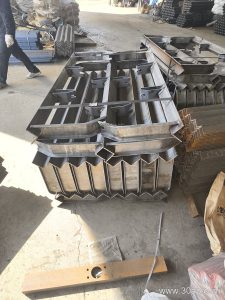
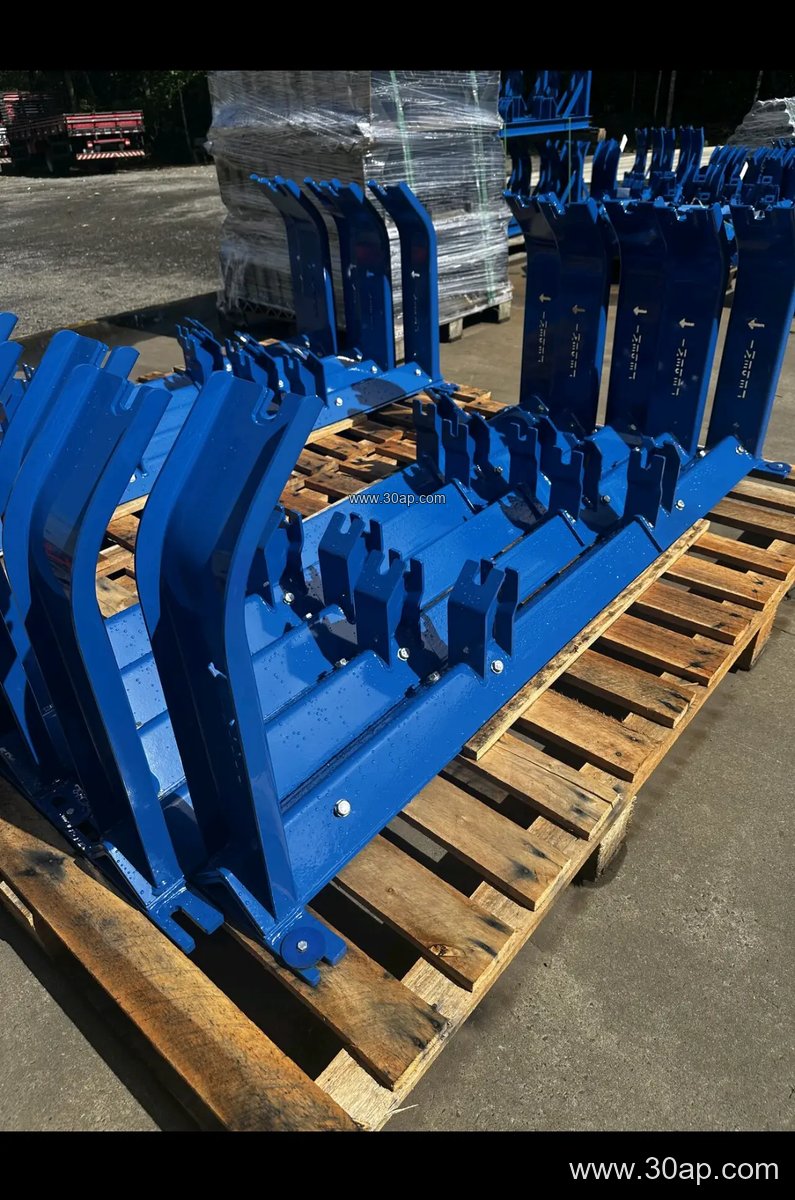
The typical build starts with angle steel, channel steel, or bent steel plate. Fabricators cut, drill, and weld these sections into a frame that matches the conveyor stringer spacing and the mounting hole pattern specified by the project. A non-standard bracket often includes slotted holes or shim plates so the roller position can be adjusted during installation.
Three details usually drive the design:
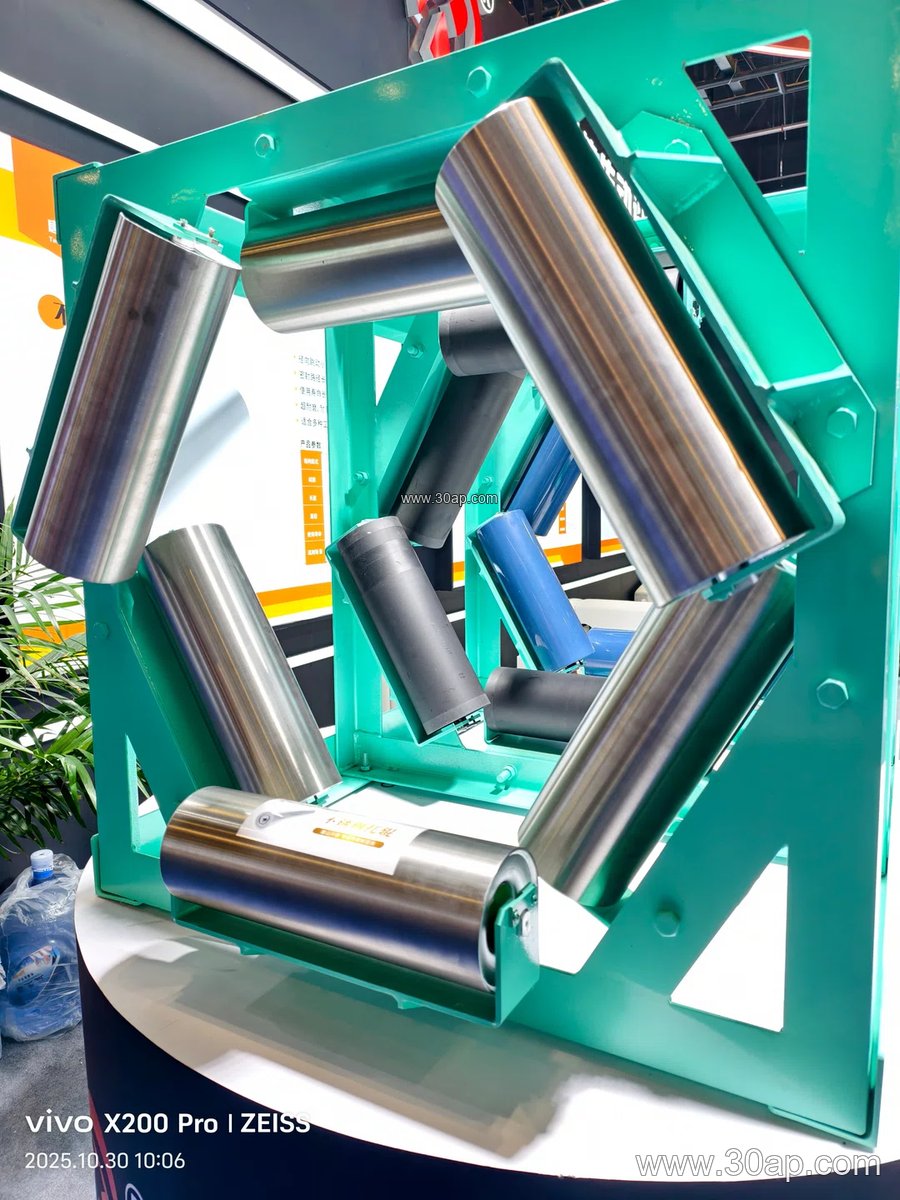
- Belt width and trough angle. A B800 line running 35-degree troughs needs a different crossbeam length and hole spacing than a B1200 line at 45 degrees.
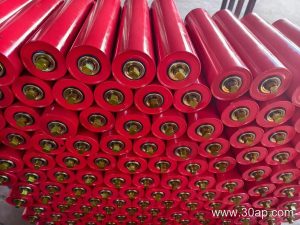
- Roller diameter and load. A Ø108 idler on a lightly loaded aggregate conveyor behaves differently from a Ø159 roller under heavy ore. The bracket must carry the vertical load and the occasional impact without deflecting.
- Mounting interface. Bolt holes, hook slots, and clamp positions must match the existing structure, especially on retrofit projects in cement plants or steel mills.
Common configurations include fixed trough brackets, adjustable brackets that shift between 20, 30, 35, and 45 degrees, self-aligning brackets, and impact brackets under a loading point. A forward-leaning bracket, usually set around 1.5 to 2 degrees, is sometimes used to help the belt track. None of these are interchangeable with a pulley support; a bend pulley bracket, for example, follows a completely different load case.
Where These Brackets Earn Their Keep
Custom brackets show up wherever the conveyor was built around site conditions rather than a drawing set. In a limestone quarry, a crusher discharge line may need a reinforced impact bracket because the existing frame sits lower than the standard design allows. In a coal preparation plant or a power plant coal yard, flame retardant conveyor belt and PVG800S conveyor belt installations sometimes require brackets that fit around fire suppression piping and walkways.
Port bulk terminals handling iron ore or copper ore often use wide belts, and a 1800mm wide conveyor belt needs crossbeams and brackets sized for that span. Aggregate and sand making plants, fertilizer granulation lines, and grain silos all present their own space limits. In each case, the bracket is a small part of the total cost but a large part of whether the idler roller sits at the right height and angle.
What a Buyer Should Confirm Before Ordering
A non-standard bracket is only as good as the information supplied with the request. Before placing an order, prepare a short data package:
- Belt width, such as B650, B1000, or B1400, and the required trough angle.
- Roller diameter and the idler type the bracket will hold.
- Stringer spacing, mounting hole diameter, and hole center distance.
- Material preference: angle steel, channel steel, or bent plate, plus any surface treatment.
- Whether the bracket is fixed or adjustable, and whether it needs slots for field alignment.
- Any interface with a conveyor pulley, skirt rubber, or corrugated sidewall belt that limits clearance.
Ask for a dimensioned drawing before fabrication. Check that the drawing references the actual conveyor, not a generic template. Confirm the weld quality and the steel grade in writing, and agree on how the parts will be packed for transport. Because these are custom items, a small error in hole spacing can stall an installation.
Keeping Custom Supports in Service
Inspect brackets during the same walk-down as the idlers. Look for loose bolts, cracked welds, bent crossbeams, and corrosion at the base. A bracket that has shifted will usually show up as belt misalignment or uneven roller contact. Re-torque fasteners after the first weeks of operation, and replace any bracket that has deformed rather than trying to bend it back under load.
For any conveyor line where standard parts do not line up, a purpose-built non-standard conveyor bracket is the practical answer. Get the dimensions right, match the bracket to the correct idler subtype, and the rest of the belt system will run truer and last longer.