What Pulley Lagging Does on a Conveyor
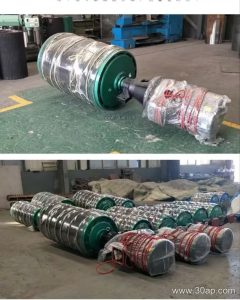
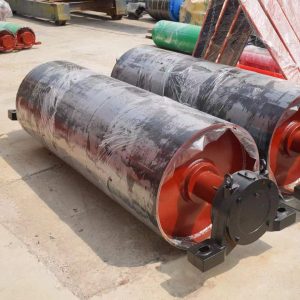
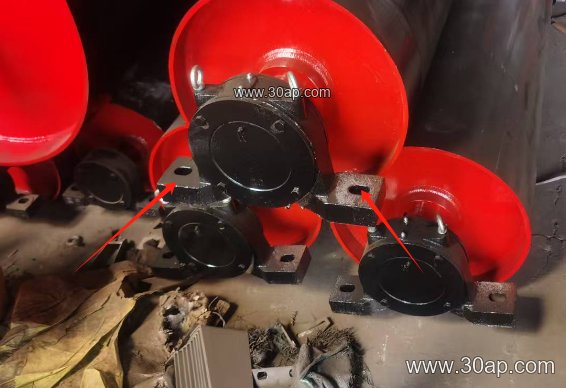
Pulley lagging is the rubber or ceramic layer bonded to the shell of a conveyor pulley to improve grip on the conveyor belt. Without it, a bare steel shell can slip when the belt is wet, dusty or heavily loaded, and slip means heat, wear and belt tracking problems. The lagging also protects the pulley shell from abrasive material and can be replaced without scrapping the pulley itself. In a quarry, a cement plant or a coal handling system, this relatively small component often decides whether the drive train runs smoothly or keeps losing traction.
Buyers often meet the product as “rubber lagging”, “pulley rubber” or “drum lagging”. These are accurate equivalent names for the same item. The drive pulley, tail pulley and bend pulley are different positions on the conveyor and are not interchangeable; each may carry lagging, but the demands differ.
How Lagging Is Built and Fitted
Most lagging starts as a rubber sheet, either plain or with a patterned surface, supplied in strips or as a pre-cut kit. It is attached to the pulley shell in one of three common ways:
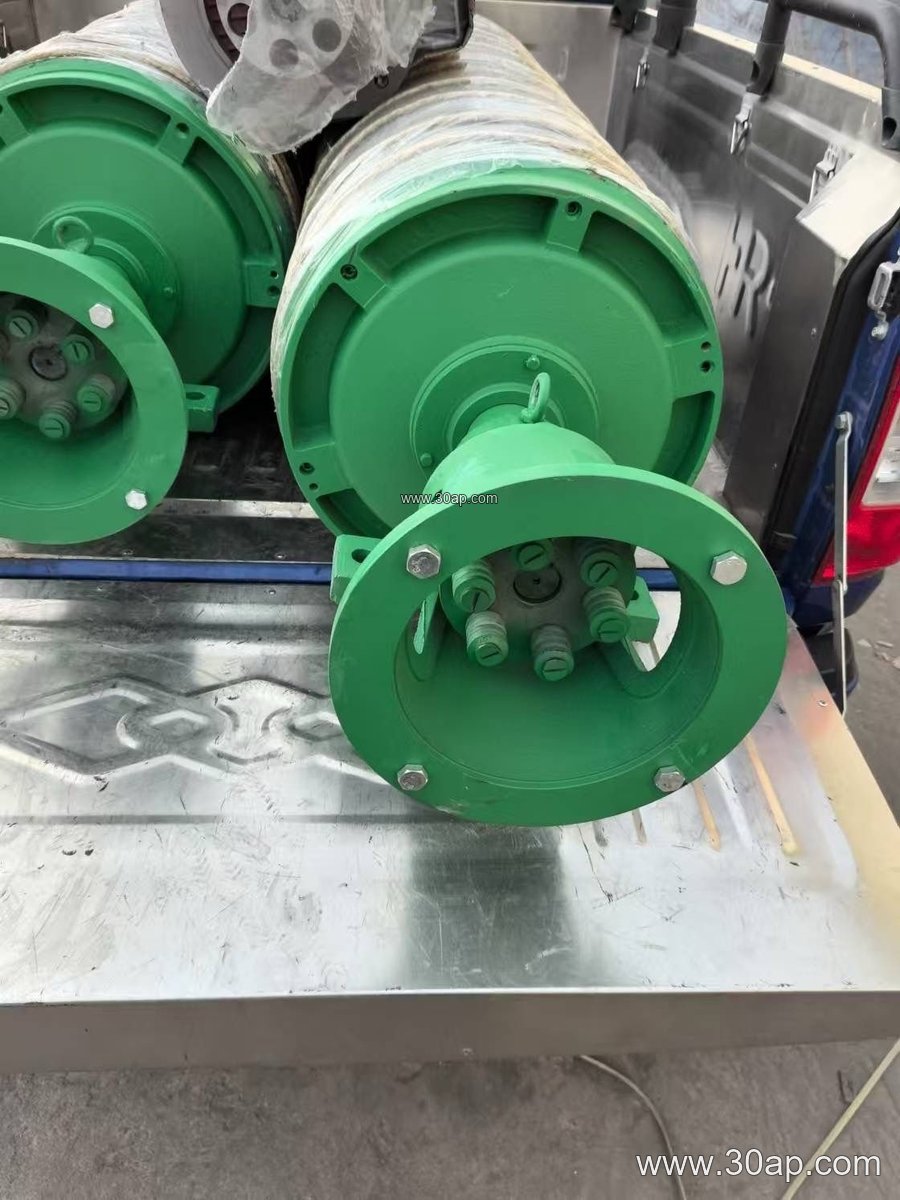
- Hot vulcanised bonding – the rubber is cured onto the shell in a press, giving a strong, seamless joint. Common in high-torque drive pulleys.
- Cold bonded rubber – adhesive is used to fix the sheet, practical for field replacement when the pulley cannot be removed easily.
- Cast or bolt-on lagging – rubber or ceramic tiles are cast into shape or fixed with bolts, often chosen for very abrasive duty.
Surface patterns matter as much as the compound. Diamond lagging sheds water and fine dust; herringbone (chevron) grooves push material sideways and help self-cleaning; ceramic tiles give the highest wear resistance in iron ore or sinter service. Plain sheet is used where a smooth, even contact face is preferred. Thickness commonly ranges from 8 mm to 20 mm, with 10 mm and 12 mm being frequent choices on medium-duty pulleys.
Where It Is Used
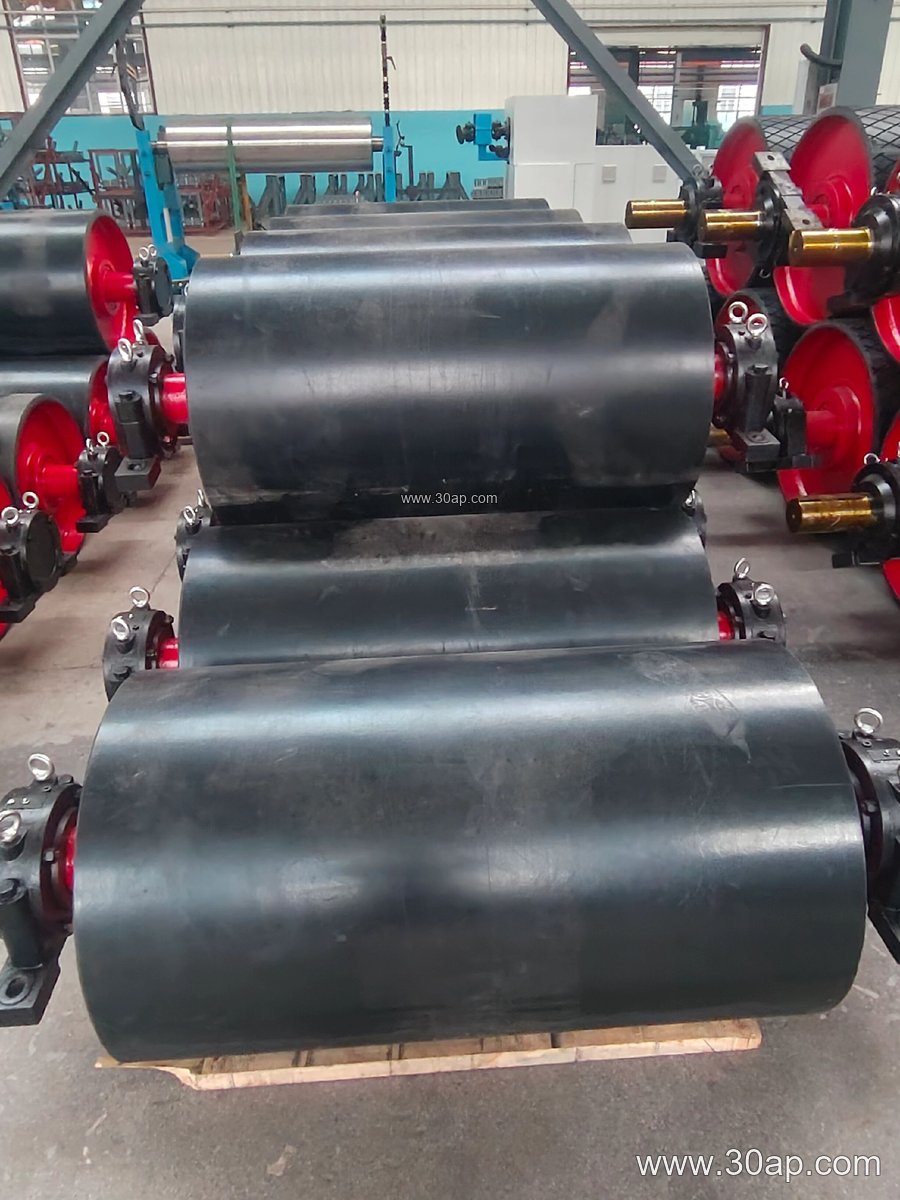
Lagging appears wherever a belt wraps a pulley under load. In a sand and gravel line, the head pulley of the discharge conveyor usually carries diamond or herringbone rubber to keep the belt from slipping on damp aggregate. In a coal preparation plant, flame retardant and anti-static grades are often requested for underground or enclosed sections. Power plant coal handling, port bulk terminals and crushing circuits all rely on it. Even a small bend pulley in a tunnel mucking system benefits, because fines work their way onto the shell and reduce friction.
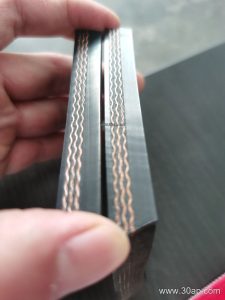
The belt itself influences the choice. A heavy steel cord conveyor belt needs a pulley face that can transmit high torque without distorting, while a multi-ply fabric core belt may run on a lighter pulley with thinner lagging. Abrasion resistant conveyor belt constructions in hard rock duty pair well with ceramic lagging, and heat resistant conveyor belt lines may call for lagging compounds that tolerate warm shells.
Matching Lagging to Pulley Size
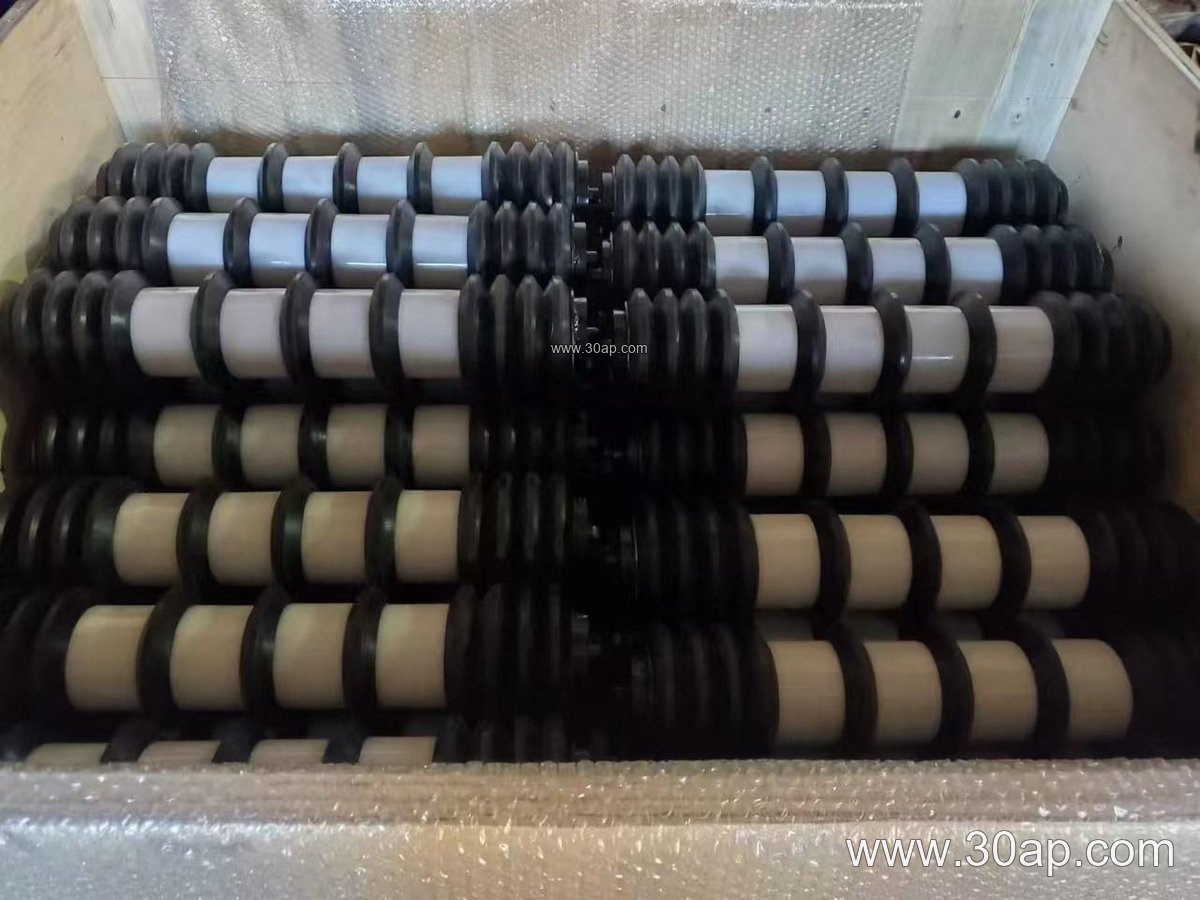
Lagging is ordered against the pulley diameter and face width, not the belt width alone. A wider belt usually needs a wider shell, but the diameter is set by torque, wrap angle and belt stiffness. The table below shows typical reference combinations; treat them as examples, not fixed rules.
| Belt width | Typical pulley face width | Example pulley size | Common lagging thickness |
|---|---|---|---|
| B500 | about 600 mm | Ø400 | 8–10 mm |
| B800 | about 950 mm | Ø500 | 10–12 mm |
| B1000 | about 1150 mm | Ø630 | 12–15 mm |
| B1200 | about 1400 mm | Ø1000 | 12–15 mm |
| B1400 | about 1600 mm | Ø800 | 15 mm |
| B1800 | about 2000 mm | Ø1250 | 15–20 mm |
Shaft diameter is a separate decision, commonly Ø80 to Ø200 on larger pulleys, and is calculated from torque and bearing load. It should never be guessed from belt width. When specifying, give the pulley diameter, face width, shaft size, duty and the lagging pattern you want.
Buyer Checklist
- State the pulley position: drive, tail, bend or take-up. Each sees different slip and wear conditions.
- Confirm the belt type and surface, so the lagging compound and pattern suit the conveyor belt.
- Ask for the rubber grade, hardness and thickness, plus the bonding method.
- Check whether flame retardant or anti-static properties are required for the site.
- Plan replacement access; cold bonded kits are easier to install in tight structures.
Well-chosen pulley lagging keeps the conveyor pulley gripping, protects the shell and extends the interval between belt and pulley maintenance. For more on matching drums, belts and idler roller assemblies, visit conveyoridler.com and review the pulley and lagging options before ordering.