What a Mining Conveyor Bracket Does
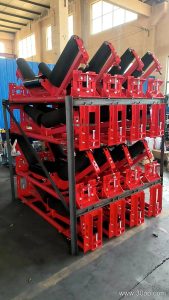
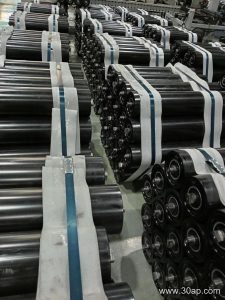
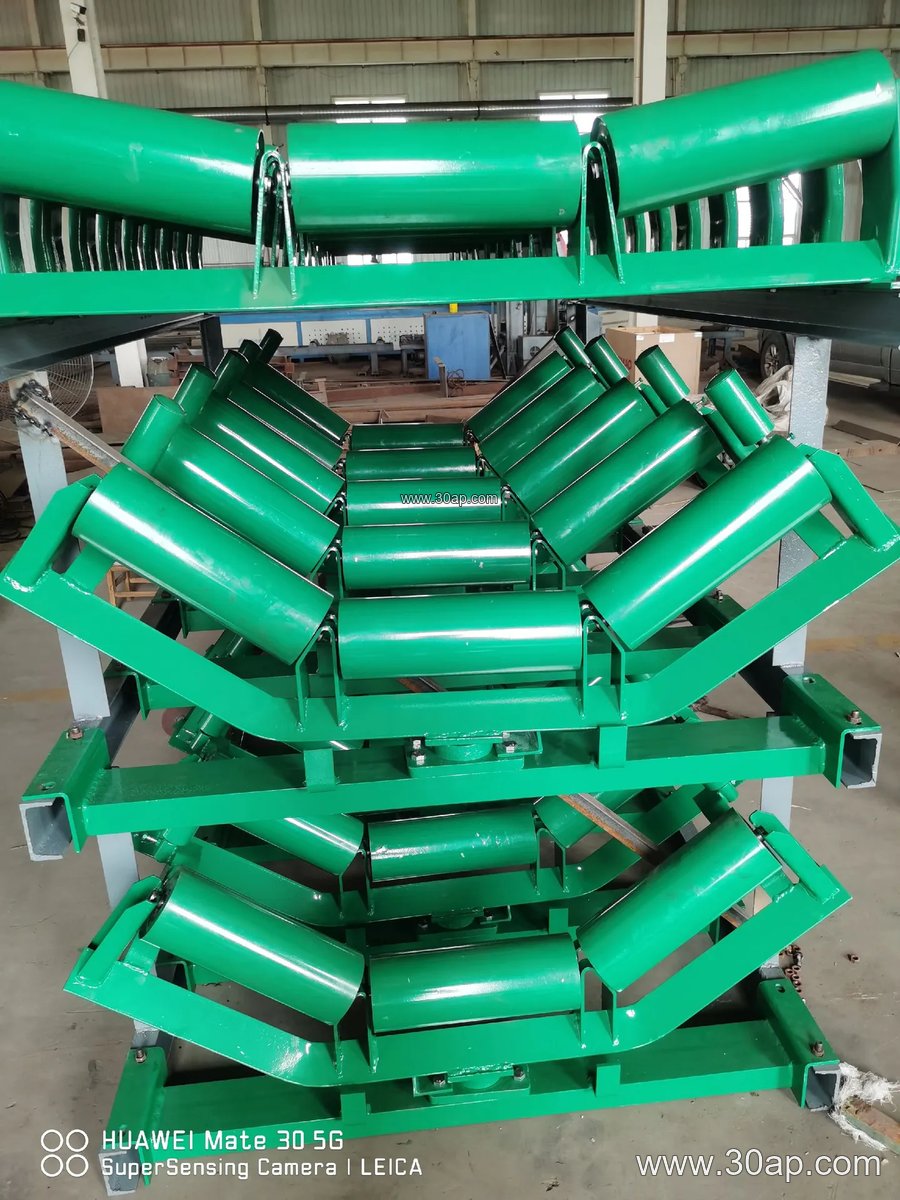
A mining conveyor bracket is the structural interface between the idler roller and the conveyor frame. It holds each roller at the correct height, angle, and spacing so the belt tracks smoothly under load. In hard-rock quarries, coal preparation plants, and cement kilns, these brackets carry constant vibration, abrasive dust, and heavy material impact. A well-matched bracket keeps the belt centered, extends roller life, and reduces unplanned downtime.
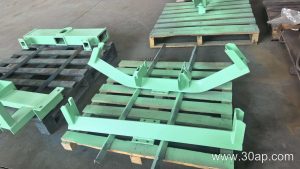
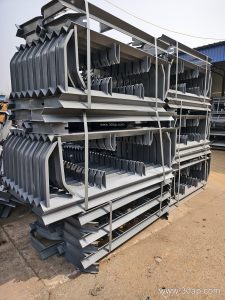
The bracket itself is a fabricated steel component, typically made from angle steel, channel steel, or folded plate. It may be fixed or adjustable, and it is usually bolted to the main frame rather than welded, which simplifies replacement in the field.
Common Bracket Types and Mounting Positions
Brackets are classified by where they sit on the conveyor and what the belt must do at that point. The main families include:
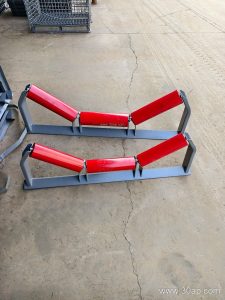
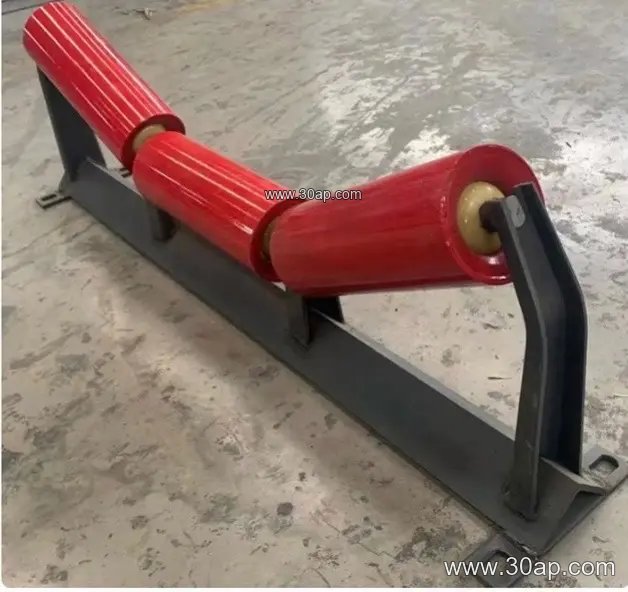
- Troughing brackets (upper carrying side)
- Transition brackets near pulleys
- Return brackets and V-return brackets (lower strand)
- Impact brackets under loading points
- Self-aligning and forward-tilt brackets for belt training
- Suspended and adjustable brackets for special frames
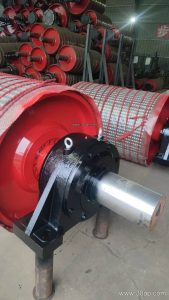
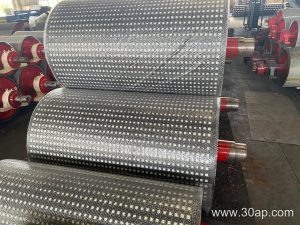
Drive pulleys, tail pulleys, and bend pulleys are separate components and are not interchangeable with brackets. A bracket supports idlers; a pulley drives or redirects the belt. Keeping that distinction clear helps when specifying parts for a new line or a retrofit.
Angle, Width, and Roller Diameter
Trough angle is one of the most consequential choices. Common trough angles are 20, 30, 35, and 45 degrees. A 35-degree bracket is widely used in bulk material handling, while 45-degree brackets help contain material on high-capacity lines. Adjustable brackets can be set between these angles during commissioning.
Belt width and roller diameter are selected together with the bracket. Typical width and roller combinations include B800 with 35 degrees and Ø108, B1200 with 45 degrees and Ø133, or B650 with 30 degrees and Ø89. These are reference examples, not fixed rules. A single belt width can work with more than one trough angle or roller diameter, depending on load, belt stiffness, and frame design. Hole spacing and crossbeam length change with width and angle, so they should be confirmed against the conveyor drawing.
| Parameter | Common Reference Values |
|---|---|
| Belt width (B) | B500, B650, B800, B1000, B1200, B1400, B1600, B1800, B2000, B2200 |
| Trough angle | 20°, 30°, 35°, 45° (adjustable types cover a range) |
| Roller diameter | Ø89, Ø108, Ø133, Ø159, Ø194 |
| Forward tilt | Typically about 1.5° to 2° |
| Material | Angle steel, channel steel, folded plate |
Where Mining Conveyor Brackets Are Used
In an iron ore concentrator, troughing brackets on the primary transfer conveyor must resist impact from coarse ore. In a coal-fired power plant coal yard, flame retardant and anti-static belt grades are common, and brackets must be easy to inspect during routine walk-downs. Limestone quarries and aggregate crushing lines often use impact brackets beneath crusher discharge points, where belt speeds and lump sizes are high. The same bracket family also appears in tunnel muck removal, fertilizer granulation lines, and port ship-loading conveyors.
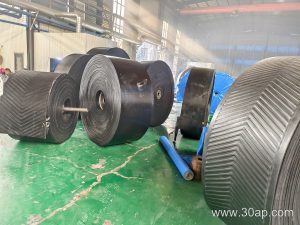
Bracket choice should match the belt type in service. A heavy-duty mining conveyor belt with a thick cover may need a wider roller spacing or a steeper trough angle than a lighter fabric core belt. Steel cord conveyor belts and multi-ply fabric core belts behave differently around transition zones, so transition brackets deserve extra attention.
Buyer Checklist
Before ordering, confirm the conveyor frame drawing, belt width, trough angle, roller diameter, and mounting hole pattern. Ask whether the bracket is fixed or adjustable, and whether it is designed for impact, self-aligning, or return service. Check the steel grade and surface treatment against the site environment. For coal mining or underground coal mining conveyors, verify that the bracket and roller assembly suit the flame retardant belt and local ventilation conditions. Spare-part planning should include a small stock of the most wear-prone brackets, especially at load points and transition zones.
Finally, match brackets to the full conveyor system: conveyor belt, idler roller, conveyor pulley, and conveyor bracket should be specified as a set. A bracket that fits mechanically but ignores belt stiffness or roller load will cause tracking problems later. Request dimensional drawings and confirm tolerances before production.