What a Heavy-Duty Steel Conveyor Bracket Does
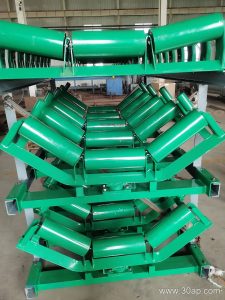
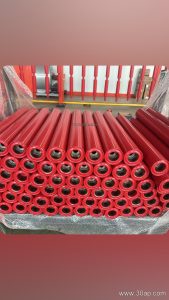
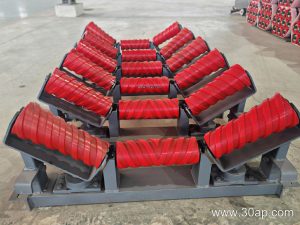
A heavy-duty steel conveyor bracket is the structural support that holds the idler roller in place and keeps the conveyor belt running at the intended profile. On a loaded carrying run, the bracket carries the weight of the belt, the material, and the roller itself, then transfers that load into the conveyor frame. In a quarry, a crusher discharge line, or a cement plant clinker handling section, this component works under constant vibration, dust, and impact, so the steel grade and the weld quality matter as much as the nominal dimensions.
In many plants the same part is simply called a steel conveyor idler bracket or a heavy-duty idler support frame. Those names describe the same product; they are not a different support type.
Construction and Materials
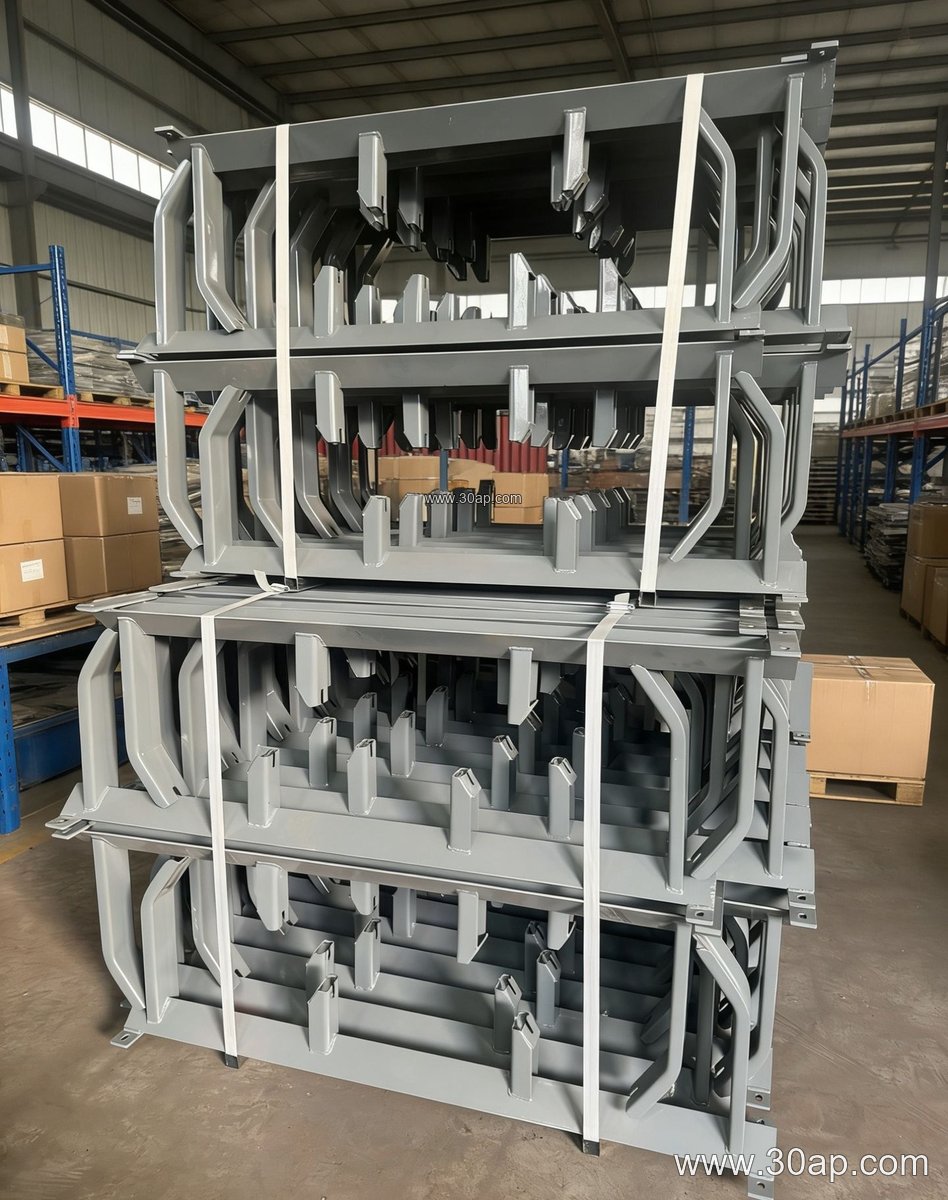
Most units are fabricated from angle steel, channel steel, or bent steel plate. The common shop process is cutting, punching the mounting holes, forming the trough profile, and welding the roller seats. A heavy-duty design usually adds gussets at the corner joints and thicker plate at the roller mounting points, which reduces flexing when a large lump lands on the belt.
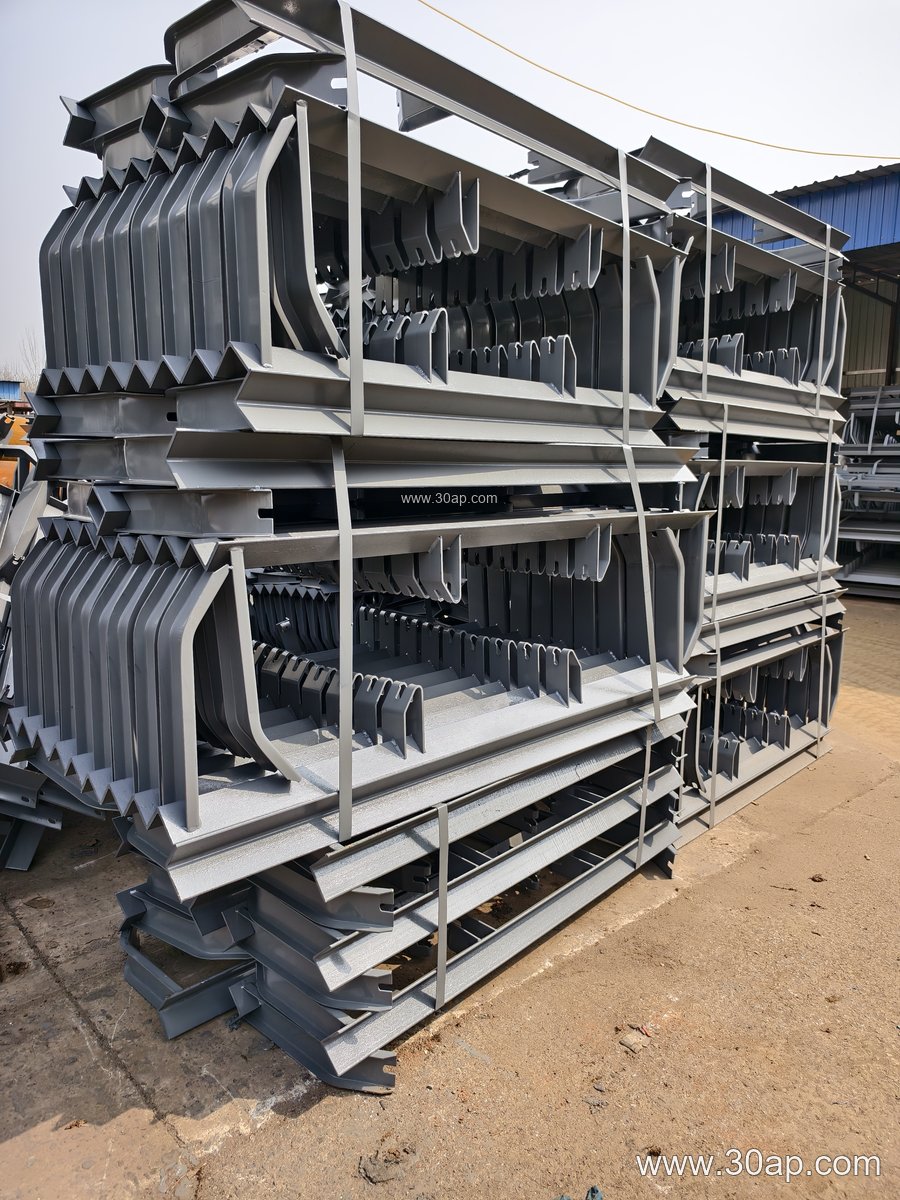
Surface treatment is normally hot-dip galvanizing or a primer plus topcoat, chosen according to the site atmosphere. In a wash plant or a coastal port, galvanizing is often preferred; in a dry sand and gravel line, painted steel may be sufficient.
Where These Brackets Are Used
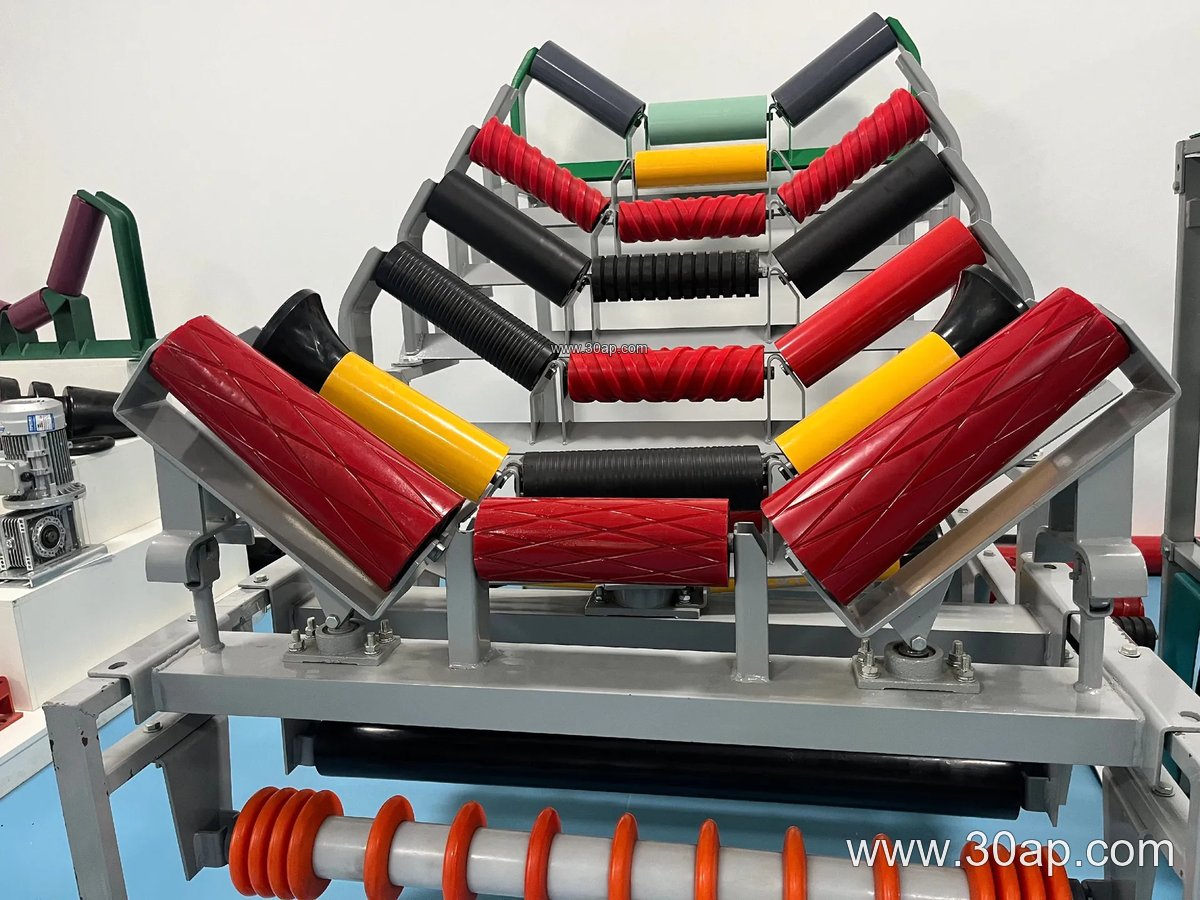
Heavy-duty brackets appear wherever the belt carries abrasive bulk material at high tonnage. Typical locations include the primary crushing stage of a limestone mine, the coal conveying route in a power plant, and the transfer points of an iron ore or copper ore operation. They are also used in aggregate plants, sinter lines, and tunnel muck removal systems.
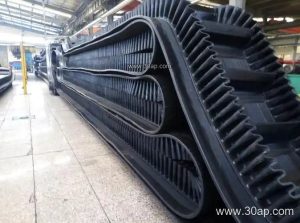
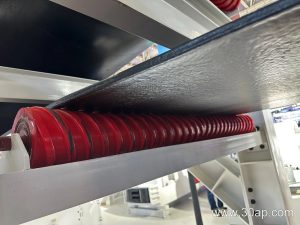
On these lines, the bracket works together with the conveyor belt, the idler roller, and the conveyor pulley. A misaligned bracket will wear the belt edge and load the roller bearings unevenly, so installation accuracy has a direct effect on belt life. In dusty coal mining duty, a flame retardant conveyor belt is often specified, and the bracket must still provide a stable, square support so the belt trains correctly.
Common Configurations and Reference Dimensions
Support style follows the position on the conveyor. Carrying side brackets are usually trough type, return side brackets are flat or V-shaped, and transition or impact positions may use a cushion bracket. The table below gives reference ranges, not fixed supply commitments.
| Item | Common Reference |
|---|---|
| Bracket type | Trough, transition, return, V-return, impact, self-aligning, adjustable |
| Belt width B | B500, B650, B800, B1000, B1200, B1400, B1600, B1800, B2000 |
| Trough angle | 20, 30, 35, 45 degrees |
| Idler diameter | Ø89, Ø108, Ø133, Ø159, Ø194 |
| Material | Angle steel, channel steel, bent plate |
A combination such as B800 with a 35 degree trough and Ø108 rollers is common, and B1200 with 45 degrees and Ø133 also appears on high-capacity lines. However, one belt width does not lock the design to a single trough angle or roller diameter. Hole spacing and beam length change with belt width and trough angle, so they should be confirmed from the drawing rather than assumed.
Fixed Versus Adjustable Brackets
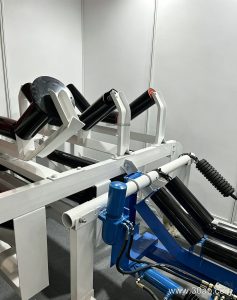
Fixed brackets are welded to one trough angle and suit lines where the belt loading is stable. Adjustable brackets allow the idler position to be changed between common angles, which helps during commissioning or when material characteristics shift. Self-aligning and forward-leaning designs are separate support functions and should be selected for belt training, not treated as a substitute for a standard trough bracket.
Buyer Checklist
- Confirm belt width, trough angle, and roller diameter as a set, and ask for a dimension drawing.
- Check steel thickness and weld detail at the roller seats, especially for impact zones.
- Match the surface finish to the site: washdown, coastal air, or dry inland conditions.
- Verify hole spacing against the actual idler roller frame before ordering.
- For coal or underground work, confirm that nearby components such as a fire resistant conveyor belt and the bracket finish are compatible with site rules.
For broader conveyor projects, buyers often review the belt specification together with the support hardware at guanzhongconveyor.com, since bracket geometry and belt stiffness affect each other. Matching a heavy-duty steel conveyor bracket to the real load case, rather than to a catalogue default, is the simplest way to reduce downtime in a busy quarry, mine, or power plant.