What a Mining Trough Idler Does on the Belt Line
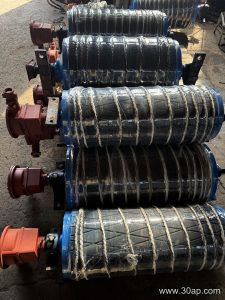
A mining trough idler is the carrying roller assembly that shapes a conveyor belt into a trough, keeping bulk material centered as it moves from the crusher to the stockpile or loadout. In hard-rock operations, coal preparation plants, and aggregate quarries, these idlers sit on the load side of the conveyor and support the belt between the head and tail. They are not the same as a conveyor pulley, which drives or redirects the belt at the ends of the structure, and they should not be confused with return idlers that support the empty strand underneath.
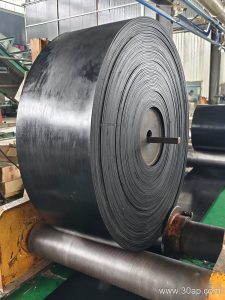
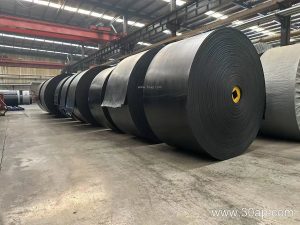
The trough idler works with the conveyor belt and the frame to form a stable channel. The belt carries the load, the idlers carry the belt, and the brackets hold the rolls at the correct angle. When the trough is set properly, spillage drops and belt tracking improves, which matters in dusty, high-tonnage circuits such as iron ore transfer points or cement plant clinker lines.
How the Assembly Is Built
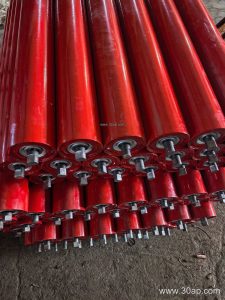
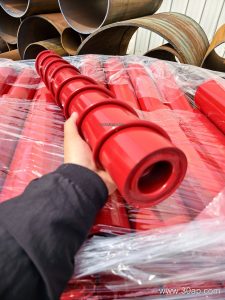
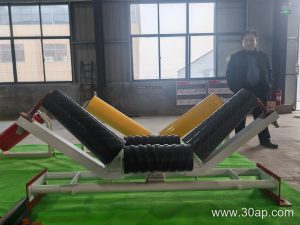
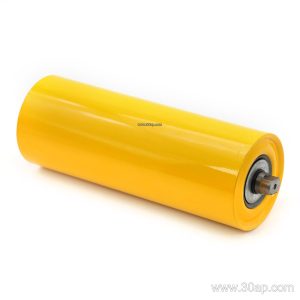
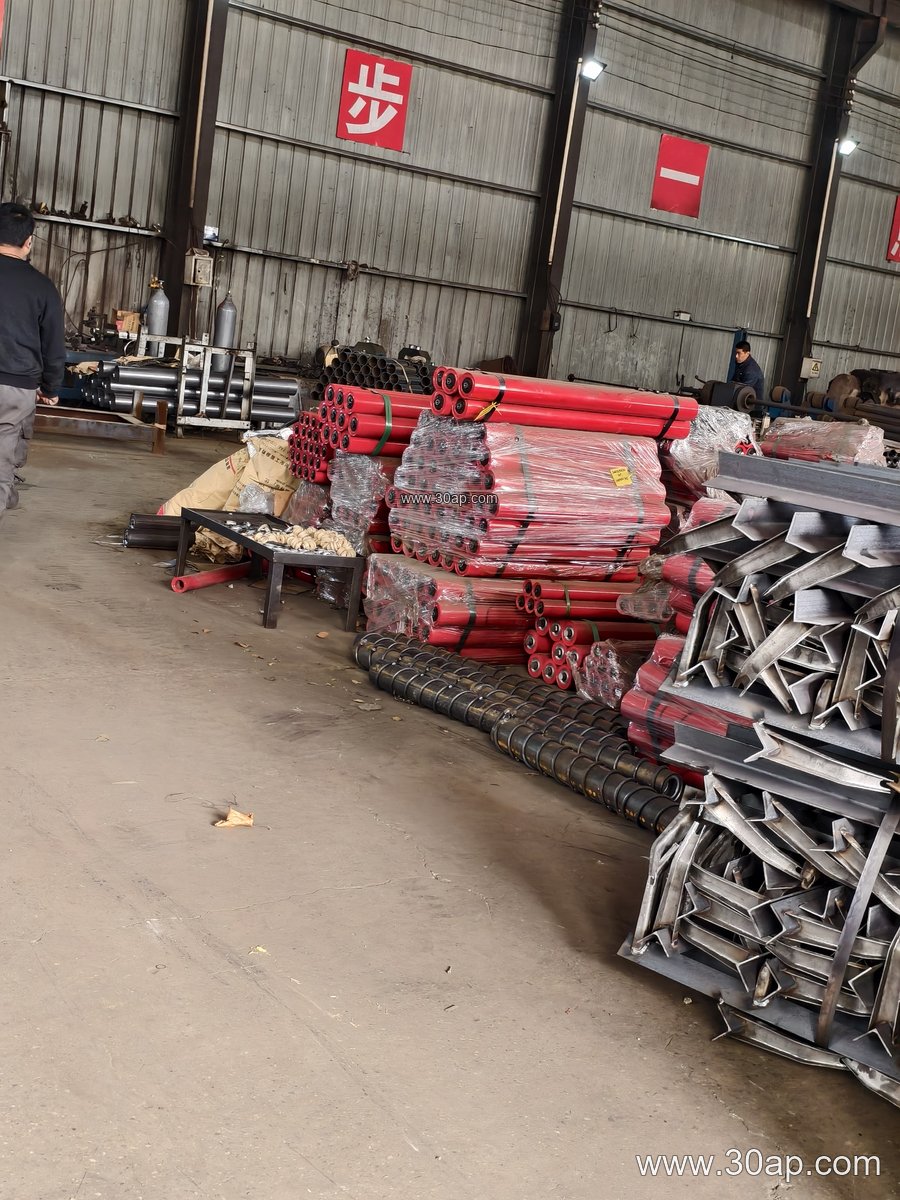
A typical trough idler set uses two or three rolls mounted on a common frame. Three-roll designs are common on wider belts and handle higher capacities, while two-roll sets suit narrower installations. Each roll usually has a steel tube shell, a shaft, bearing housings, and a sealing arrangement to keep out grit and moisture. Roll surfaces may be plain steel, nylon, ceramic, or rubber-covered depending on the duty.
- Shell materials — steel tube for general service, ceramic or rubber lagging where abrasion and impact are heavy.
- Bearings — sizes such as 6204, 6205, 6305, 6306, 6308, and 6310 appear across the range, matched to load and speed rather than to belt width alone.
- Seals — labyrinth or contact seals are common in coal mining and quarry conveyor lines where dust is constant.
- Frame and brackets — the conveyor bracket and idler frame set the trough angle and roll spacing.
Trough angles are usually 20, 30, 35, or 45 degrees. A deeper angle contains material better on steep or high-capacity lines, while a shallower angle reduces belt stress. Forward tilt of about 1.5 to 2 degrees is sometimes used on training idlers, but it is not a universal setting for every trough set.
Where Trough Idlers Are Used
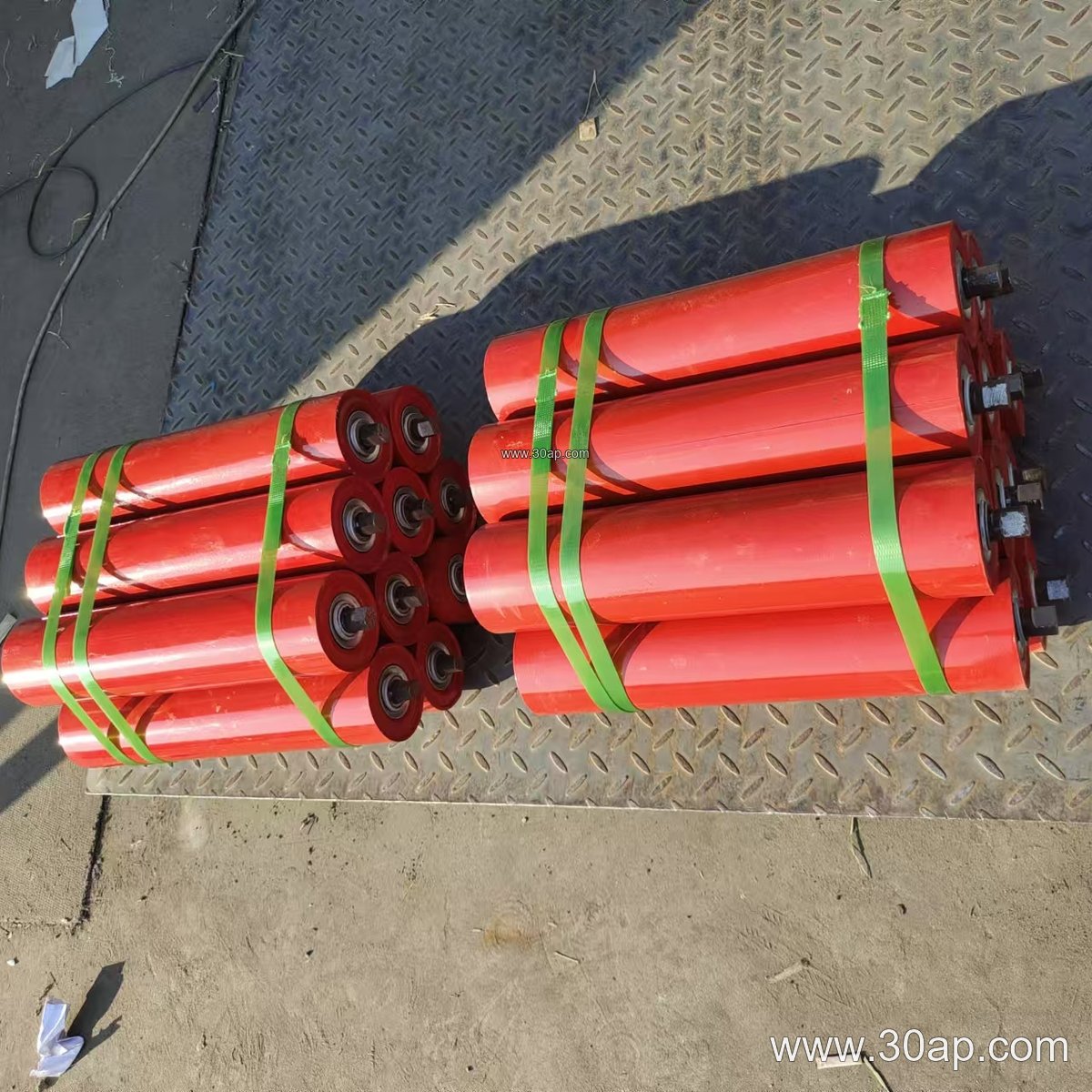
These idlers appear wherever a belt carries loose material: limestone mines feeding a primary crusher, coal handling systems at power plants, sinter plants at steel works, and sand and gravel lines. In a quarry conveyor, a three-roll trough set keeps crushed rock centered through transfer chutes. In a coal mining conveyor, flame retardant and anti-static belt grades are often paired with sealed idlers to reduce fire risk and dust ingress. The same carrying idler principle applies on a pipe conveyor belt or a corrugated sidewall belt, though the roll arrangement may differ.
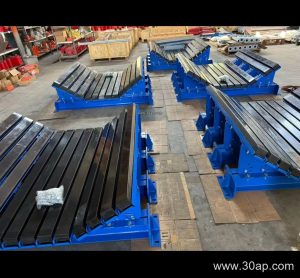
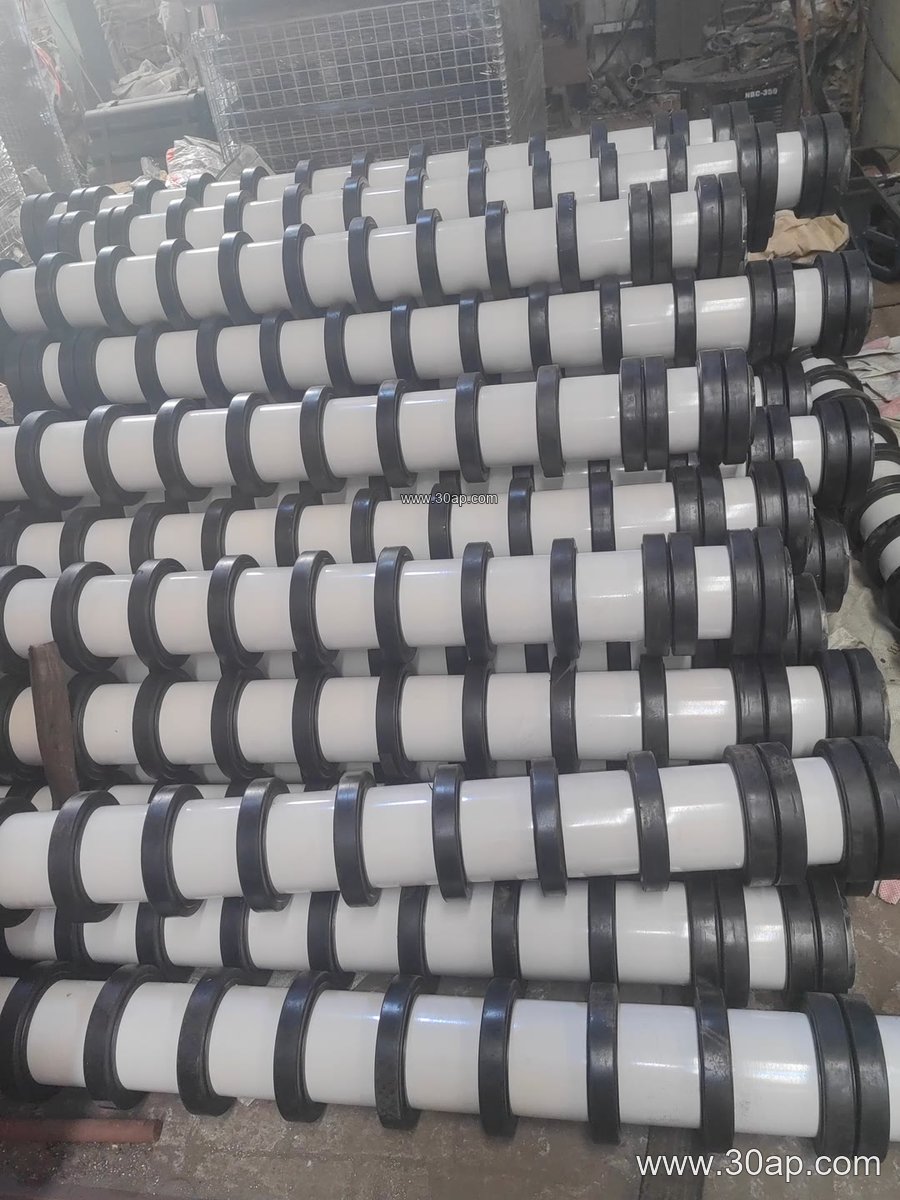
On a heavy-duty mining conveyor, the trough idler must survive impact at the loading point. Buffer idlers with rubber rings are sometimes placed under the chute to absorb shock, while standard trough idlers handle the steady run. This is a comparison of duty, not a replacement for the main carrying idler set.
Common Dimensions and Roll Sizes
Roll diameter and belt width are related but not fixed to one another. A B800 belt may run with Ø89 or Ø108 rolls depending on load and speed, and a B1200 line may use Ø127 or Ø133 rolls. The figures below are common reference values, not universal specifications.
| Belt width | Typical three-roll trough idler roll length (example) | Common roll diameters |
|---|---|---|
| B500 | about 200 mm | Ø63, Ø76, Ø89 |
| B650 | about 250 mm | Ø76, Ø89, Ø102 |
| B800 | about 315 mm | Ø89, Ø102, Ø108 |
| B1000 | about 380 mm | Ø102, Ø108, Ø127 |
| B1200 | about 465 mm | Ø108, Ø127, Ø133 |
| B1400 | about 530 mm | Ø127, Ø133, Ø159 |
| B1600 | about 600 mm | Ø133, Ø159, Ø178 |
| B1800 | about 670 mm | Ø159, Ø178, Ø194 |
| B2000 | about 750 mm | Ø178, Ø194, Ø219 |
Side rolls and center rolls can differ in length. Always confirm the roll length, shaft end, and bracket hole spacing against the existing conveyor frame before ordering.
Buyer Checklist for Trough Idler Sourcing
- Match the trough angle and roll count to the belt width and material surcharge.
- Check the bearing size and seal type for the site’s dust and moisture conditions.
- Confirm the shell material against abrasion and impact duty, especially at transfer points.
- Verify roll length, shaft diameter, and bracket mounting dimensions with the conveyor drawing.
- Consider the belt grade in service. An abrasion resistant conveyor belt or heat resistant conveyor belt may call for a different idler seal and clearance than a standard EP conveyor belt.
For a replacement program, keep a small stock of common roll sizes used on site and inspect idlers at each shutdown. A seized roll can wear a belt quickly, and a worn roll surface can misalign the belt. The trough idler is a simple component, but its condition affects the whole conveyor line.