What a Rubber Conveyor Belt Is
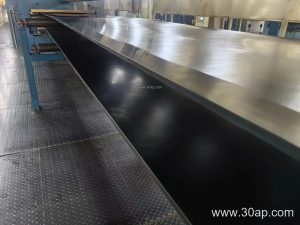
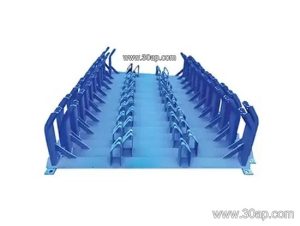
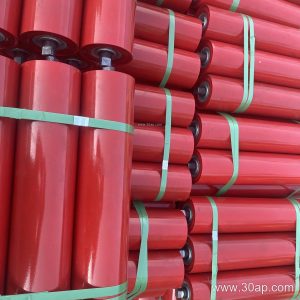
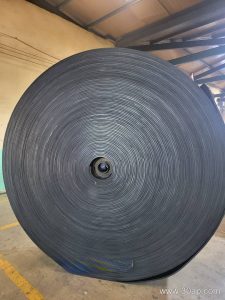
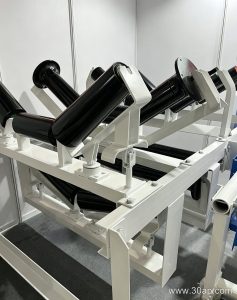
A Rubber Conveyor Belt is the flexible carrying surface of a belt conveyor, built from a rubber cover wrapped around a tension-bearing carcass. On a typical conveyor frame, the belt runs over idler rollers on the carrying side and return side, wraps around a conveyor pulley at the head and tail, and is held in alignment by conveyor brackets and structural supports. The belt is the part that actually moves the material, so its construction decides how much load the system can handle and how long it lasts in a given workplace.
Buyers often meet the product under a slightly different name, such as a rubber belt or a rubber conveyor belting. These refer to the same article: a rubber-covered, fabric or steel-reinforced endless or open-length belt used for bulk material handling.
How the Belt Is Built
The carcass provides strength and resistance to stretching. Fabric-core designs use multiple plies of woven fabric, while steel cord designs use brass-plated wires running lengthwise. The rubber cover protects the carcass from abrasion, impact, heat, oil and moisture. Edge rubber and, in some designs, cross rigidizers or sidewalls complete the structure.
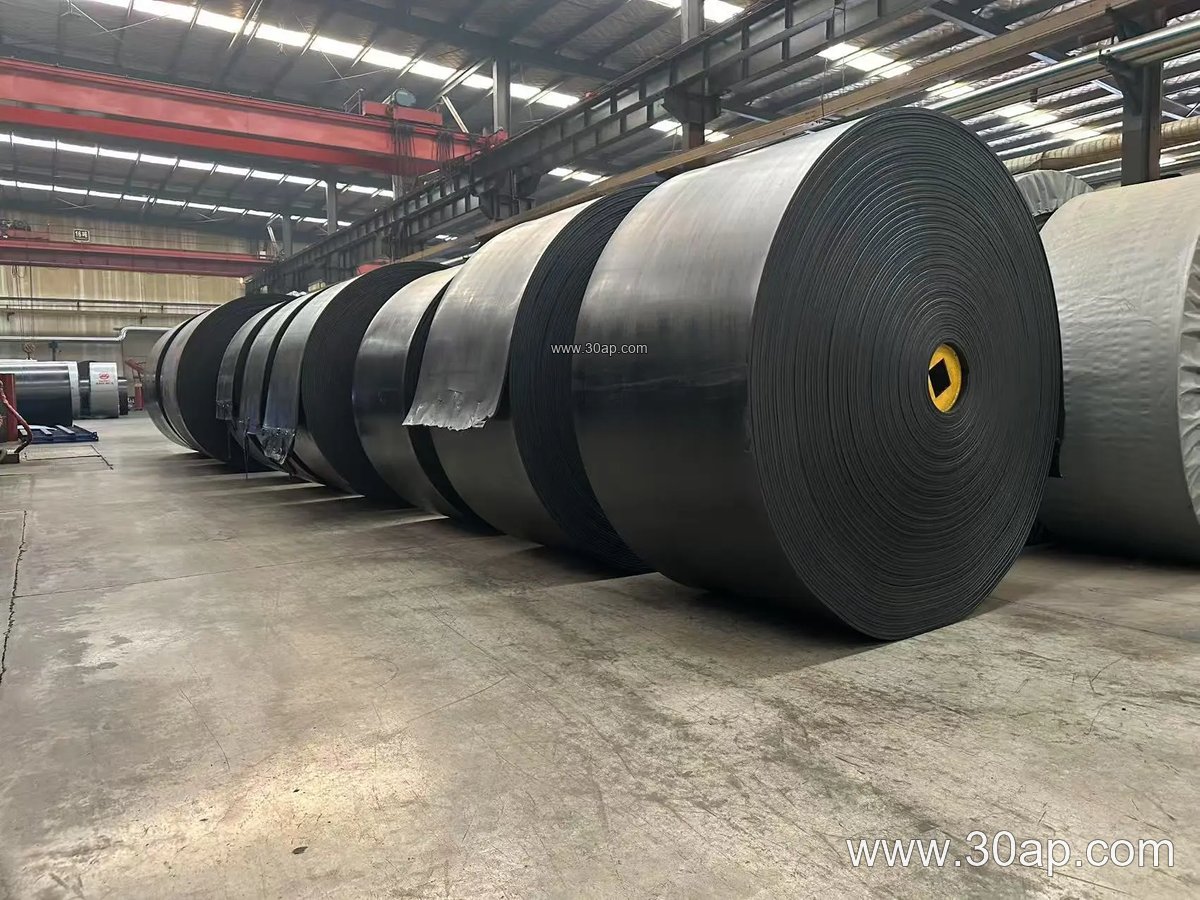
- Top cover: the load-carrying surface, often the thickest rubber layer.
- Carcass: EP fabric, NN fabric, multi-ply fabric or steel cord.
- Bottom cover: protects the carcass from idler rollers and return-side wear.
- Edges: sealed to limit ply separation and moisture ingress.
Common Constructions and Surface Forms
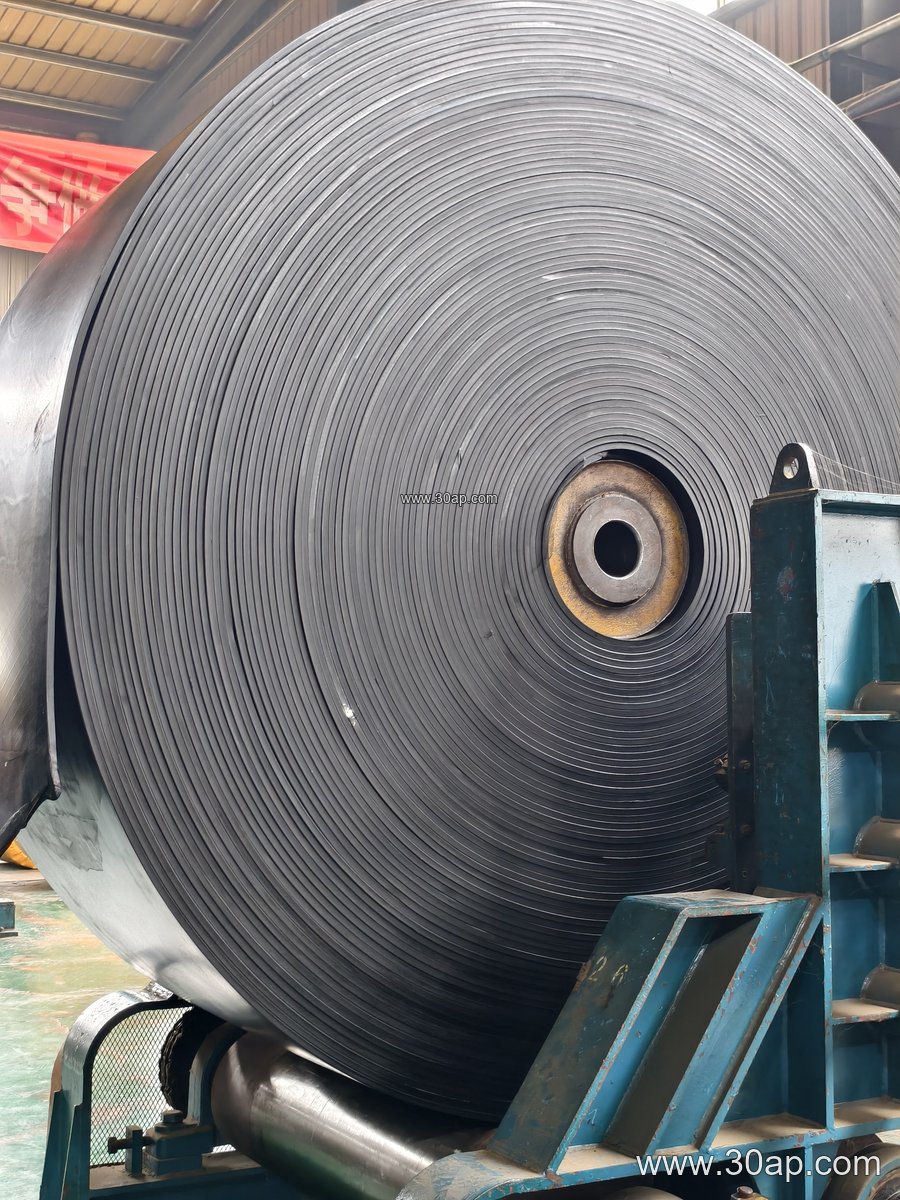
Fabric carcasses are widely used in quarry, cement and aggregate duty. EP Conveyor Belt grades are popular because polyester warp and nylon weft give low elongation and good moisture resistance. NN Conveyor Belt uses nylon in both directions for high flexibility and impact absorption. Where very high tensile strength and long center distances are needed, a Steel Cord Conveyor Belt is chosen instead. A Multi-Ply Fabric Core Conveyor Belt remains a practical choice for general bulk handling.
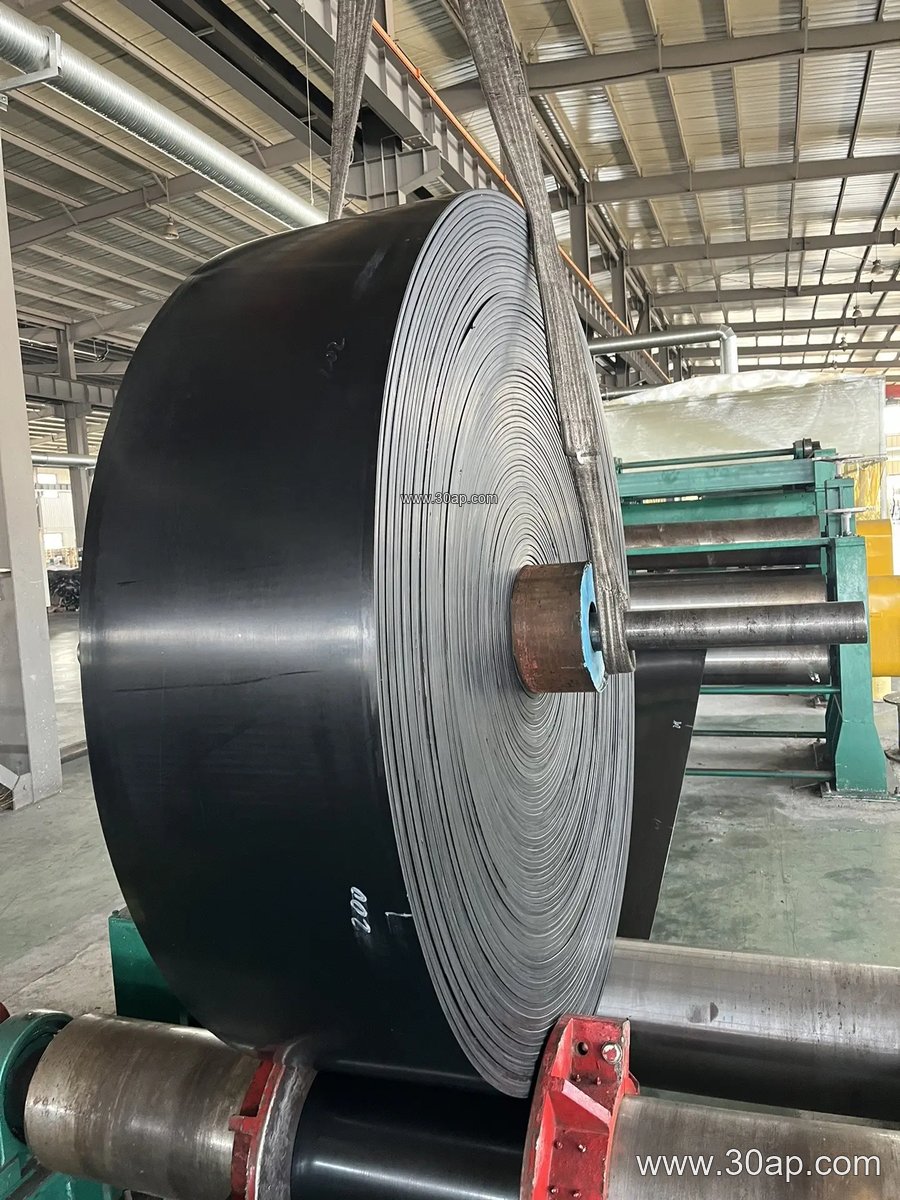
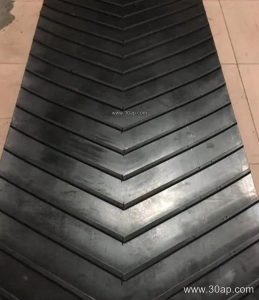
Surface and profile options solve specific handling problems. A Chevron Conveyor Belt with raised cleats helps hold material on inclines. A Corrugated Sidewall Conveyor Belt, often paired with a Skirted Conveyor Belt edge, keeps material contained on steep or space-limited routes. A Pipe Conveyor Belt curls into a tube to protect material and the environment. An Endless Conveyor Belt is joined at the factory for drives where a permanently closed loop is preferred.
Typical Duty Classes
Cover compound selection matters as much as carcass strength. In mining, a Flame Retardant Conveyor Belt or Fire Resistant Conveyor Belt is often specified for underground coal mining conveyor duty. A Heat Resistant Conveyor Belt suits cement clinker and sinter handling, while an Oil Resistant Conveyor Belt is used where lubricants or oily feedstock are present. An Abrasion Resistant Conveyor Belt, sometimes supplied as a High Abrasion Resistant Conveyor Belt, is standard in crushing and screening circuits. A Cold Resistant Conveyor Belt is used in freezing climates, and an Anti-Static Conveyor Belt helps control static build-up. Food Grade Conveyor Belt compounds are available for contact applications.
Reference Sizes and Strengths
The values below are common reference points, not universal specifications. Actual belt construction should be confirmed against the conveyor design, pulley diameters and duty conditions.
| Parameter | Typical reference range |
|---|---|
| Belt width | B500, B650, B800, B1000, B1200, B1400, B1600, B1800, B2000 |
| EP strength grades | EP200, EP315, EP400, EP500, EP630, EP800, EP1000, EP1250, EP1600 |
| Steel cord grades | ST1000, ST1250, ST1600, ST2000, ST2500, ST3150 |
| Cover thickness | 3+1.5, 4+2, 5+2, 6+2, 8+3 mm |
| Carcass plies | Usually 2 to 6 plies for fabric cores |
For example, a 1200mm wide EP1000 belt may be used on a primary crusher discharge, while an EP1250 1800mm belt could suit a high-capacity port or ship loading line. A Heavy-Duty Mining Conveyor Belt in a 1600mm width is common on main haulage routes. None of these pairings is fixed; belt width and pulley diameter are matched through conveyor design calculations, not by a single rule.
Where These Belts Work
Rubber belts appear across mining, coal preparation, cement plants, power plants, steel plants, sand and gravel pits, stone crushing lines, ports and recycling facilities. A Quarry Conveyor Belt moves blasted rock; an Aggregate Conveyor Belt carries screened stone; a Crusher Conveyor Belt handles the recirculating load. In a cement plant, belts feed limestone, clinker and gypsum. In a power plant, coal handling relies on flame retardant and abrasion resistant grades. Underground Coal Mining Conveyor Belt systems demand fire safety and anti-static properties. Iron Ore Conveyor Belt and Copper Ore Conveyor Belt duties favor high strength and cut-resistant covers.
What Buyers Should Check
- Confirm the required tensile strength and number of plies for the conveyor length and incline.
- Match the cover grade to abrasion, heat, oil, flame or cold exposure.
- Check minimum pulley diameters for the selected carcass, especially with a conveyor pulley at the head and tail.
- Verify belt width, edge condition and splice method, whether endless or field-vulcanized.
- Review the interaction with idler roller spacing, trough angle and loading point impact.
- Ask for the manufacturer’s data sheet rather than relying on a generic size list.
For more information on rubber belting, conveyor idlers and pulleys, visit mstbelt.com and review the technical pages before specifying a new belt for your mine, quarry or bulk plant.