What a PVC Conveyor Belt Is
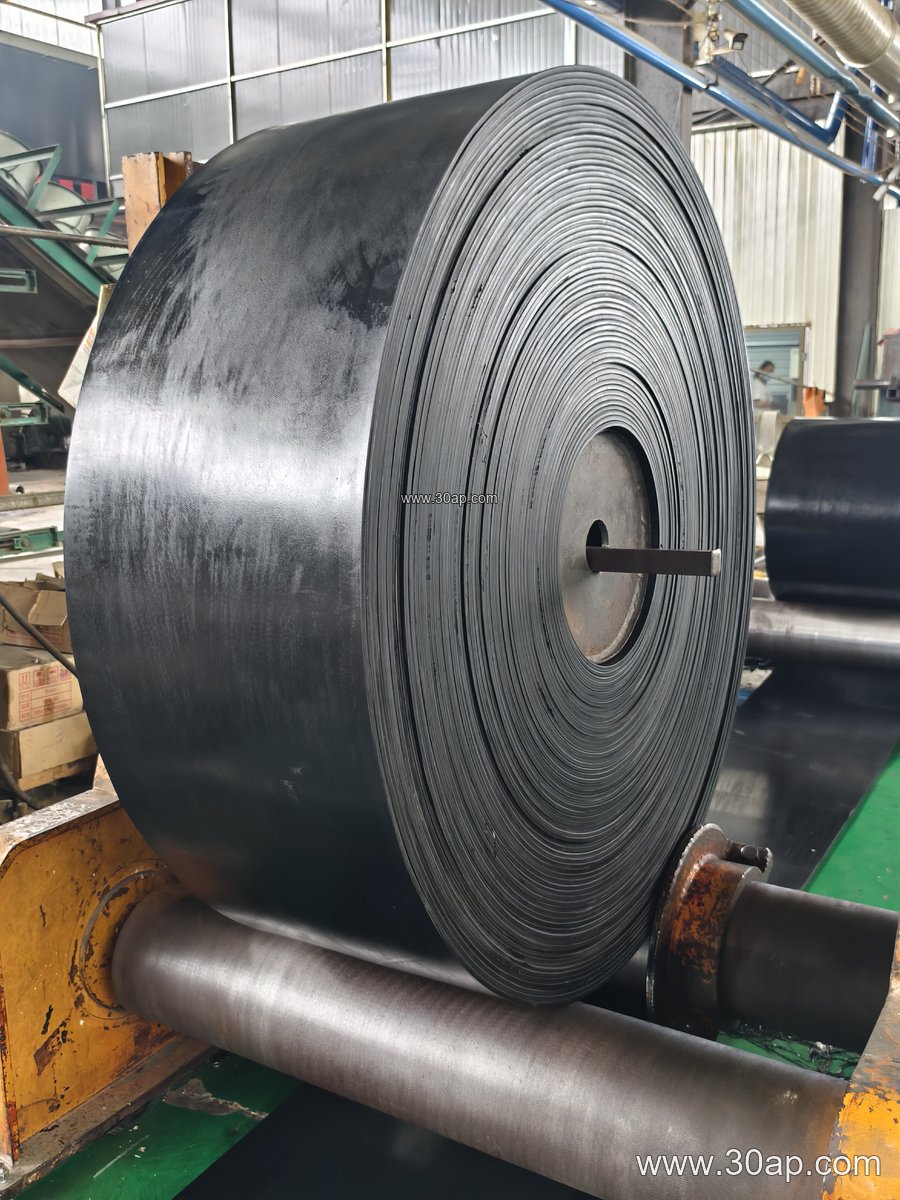
A PVC conveyor belt is a light-to-medium duty belt with a polyvinyl chloride top cover, usually built on a fabric core. In day-to-day plant language it is often shortened to PVC belt, and buyers also meet it as a PVC conveyor belt for food handling, packaging, or general material transport. It is a distinct product from heavy rubber belting, so it should not be confused with a rubber conveyor belt, an EP conveyor belt, or a steel cord conveyor belt, which are designed for different load and tension ranges.
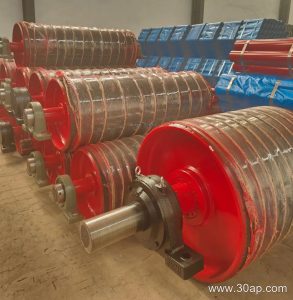
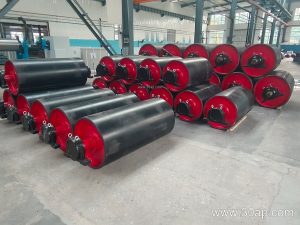
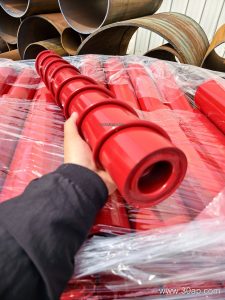
The belt works on the same basic principle as any other belt on a conveyor: it runs over a drive pulley at the head, a tail pulley at the return end, and idler rollers or slider beds along the carrying run. The pulley selection, take-up arrangement, and support structure are separate engineering decisions; a belt width alone does not fix a pulley diameter or shaft size.
How the Belt Is Built
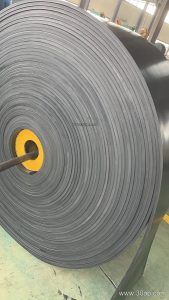
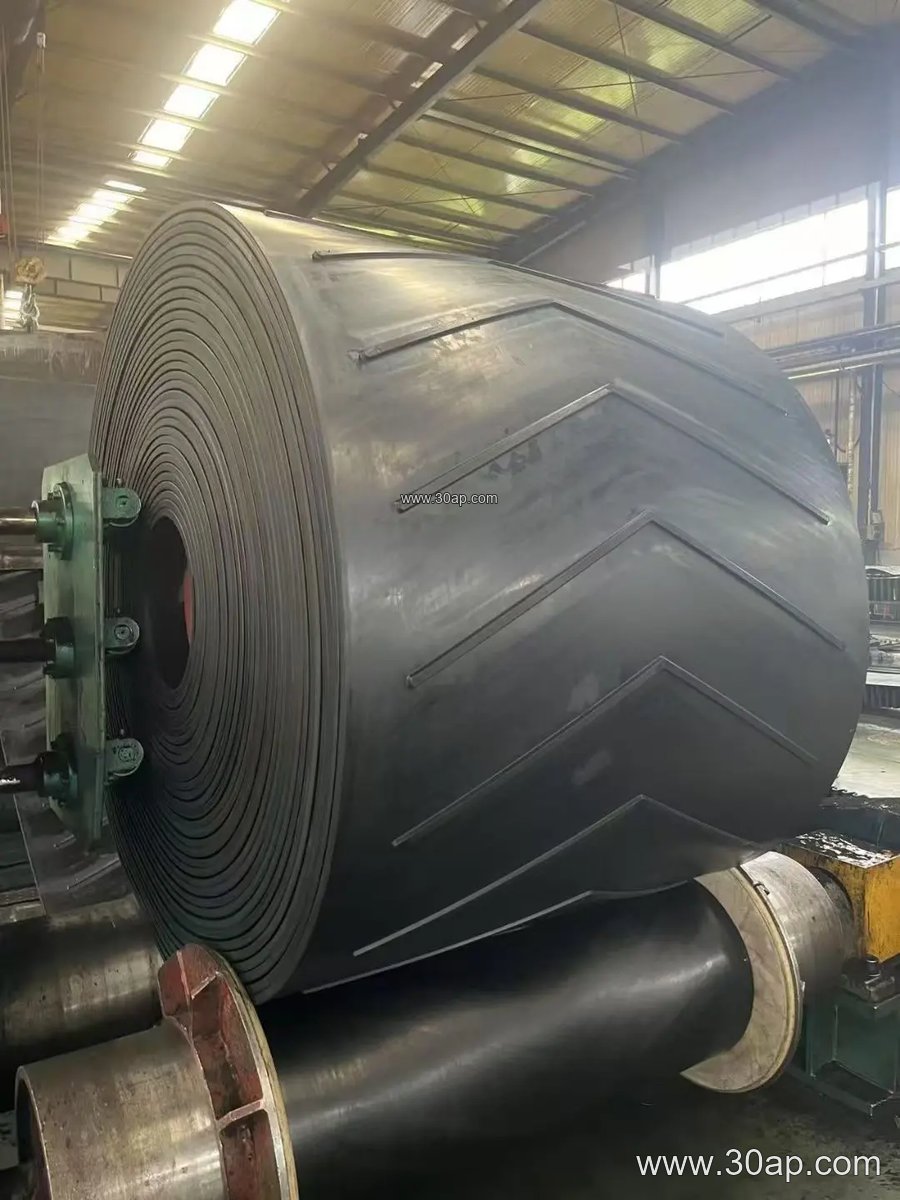
The construction usually combines a woven fabric carcass with PVC covers on one or both faces. The carcass gives tensile strength and dimensional stability, while the PVC cover provides a smooth, easy-to-clean surface with good resistance to moisture and many mild chemicals. Common surface options include smooth, matte, and low-friction finishes. Where grip on an incline matters, a chevron conveyor belt profile or a corrugated sidewall conveyor belt may be considered, though these are separate designs rather than variants of a plain PVC belt.
- Fabric core, typically polyester or polyester-cotton, in one or more plies
- PVC top cover, with cover thickness chosen to suit abrasion and product contact
- Optional bottom cover for slider bed or roller support
- Endless or open-ended supply, with lacing or welded splice depending on the maker
Cover thickness and ply count are usually stated by the manufacturer. Typical light-duty constructions may use a single fabric ply with a cover in the region of 1 to 3 mm, but exact values should always come from the supplier’s data sheet.
Where It Fits in the Plant
The main strength of this belt is clean, moderate-load conveying. It appears in food processing, packaging lines, sorting stations, recycling plants, and light assembly. It also turns up in sand making plants and stone crushing circuits where a small transfer belt handles fines rather than large lump feed. In cement plants and power plants it is more often found on auxiliary lines, sampling conveyors, and small material transfers than on the main raw-material trunk routes.
Heavy-duty duties are usually handled by other constructions. A mining conveyor belt or underground coal mining conveyor belt will normally use flame retardant conveyor belt grades such as PVG conveyor belt constructions, while long overland routes lean on high strength conveyor belt types. In a quarry conveyor belt or aggregate conveyor belt circuit, abrasion resistant conveyor belt grades and impact resistant conveyor belt grades are common for primary feed points. Food grade conveyor belt stock is the right choice where the belt touches product directly. Oil resistant, cold resistant, and anti-static versions exist for specific service conditions, and buyers should confirm the exact grade rather than assume it.
Specifications Buyers Should Confirm
Light belting is often ordered by width, ply, cover thickness, and surface finish. A common reference table for discussion with a supplier might look like this:
| Parameter | Typical Reference Range | Notes |
|---|---|---|
| Belt width | 500 mm, 650 mm, 800 mm, 1000 mm, 1200 mm | Match to the conveyor frame and pulley face |
| Fabric plies | 1 to 3 plies | Higher ply for longer or more loaded runs |
| Cover thickness | 1 mm to 3 mm per face | Thicker cover for abrasive product |
| Surface | Smooth, matte, patterned | Pattern aids grip on inclines |
| Splice | Endless, laced, or open | Depends on installation access |
For comparison, heavier fabric core belting is often quoted in strength grades such as EP200, EP400, or EP630, and steel cord belting in ST grades. Those figures belong to different product families and should not be applied to a PVC belt. Where a buyer needs a wide conveyor belt, a 1200 mm or 1500 mm width is a common request, but the frame, pulley, and idler roller layout must be checked first.
Selection and Maintenance Notes
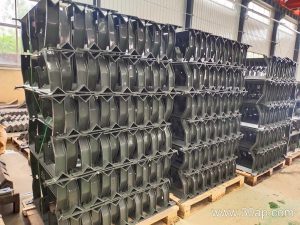
Start with the material being carried: its temperature, moisture, oil content, and particle shape. Sharp, hot, or oily loads may push the choice toward a heat resistant conveyor belt, an oil resistant conveyor belt, or a rubber-covered heavy-duty belt instead. Check the smallest pulley the belt must wrap, the load per meter, and whether the belt runs on rollers or a slider bed. Keep the belt tracking straight by aligning the conveyor pulley and idler roller frames, and check conveyor brackets for looseness after the first weeks of running.
Cleaning matters more than many operators expect. PVC surfaces are easy to wipe down, but product buildup at the tail pulley and under the skirt rubber can cause mistracking and edge damage. Inspect splices regularly, keep the belt tension within the maker’s recommendation, and store spare rolls away from direct sunlight and sharp edges. Tension that is too high shortens belt life; tension that is too low causes slip at the drive pulley and premature wear on the lagging.
Finally, ask for the supplier’s data sheet before ordering. Confirm the ply count, cover thickness, temperature range, and splice method in writing, and state the actual conveyor layout, including pulley diameters and support spacing, so the belt is matched to the machine rather than chosen from a catalogue alone.