What a Single Drive Pulley Does
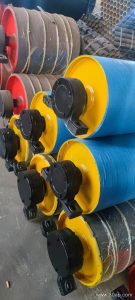
A single drive pulley is the one drum on a belt conveyor that receives torque from the gearbox or motor and turns it into belt motion. It is the only powered pulley in the system, which distinguishes it from tail pulleys, bend pulleys and take-up pulleys that guide or tension the belt without driving it. In a typical aggregate conveyor line, the single drive pulley sits at the head end and pulls the loaded belt toward the discharge point. In a cement plant transfer house, the same component may be mounted at an intermediate position with a snub or deflector drum nearby to increase wrap angle.
Because the drive pulley transmits all the power, it normally carries a heavier shaft, larger bearing housings and a thicker shell than a tail or bend pulley of the same belt width. Buyers often describe it simply as the head drum or drive drum, but in specifications the correct term remains single drive pulley.
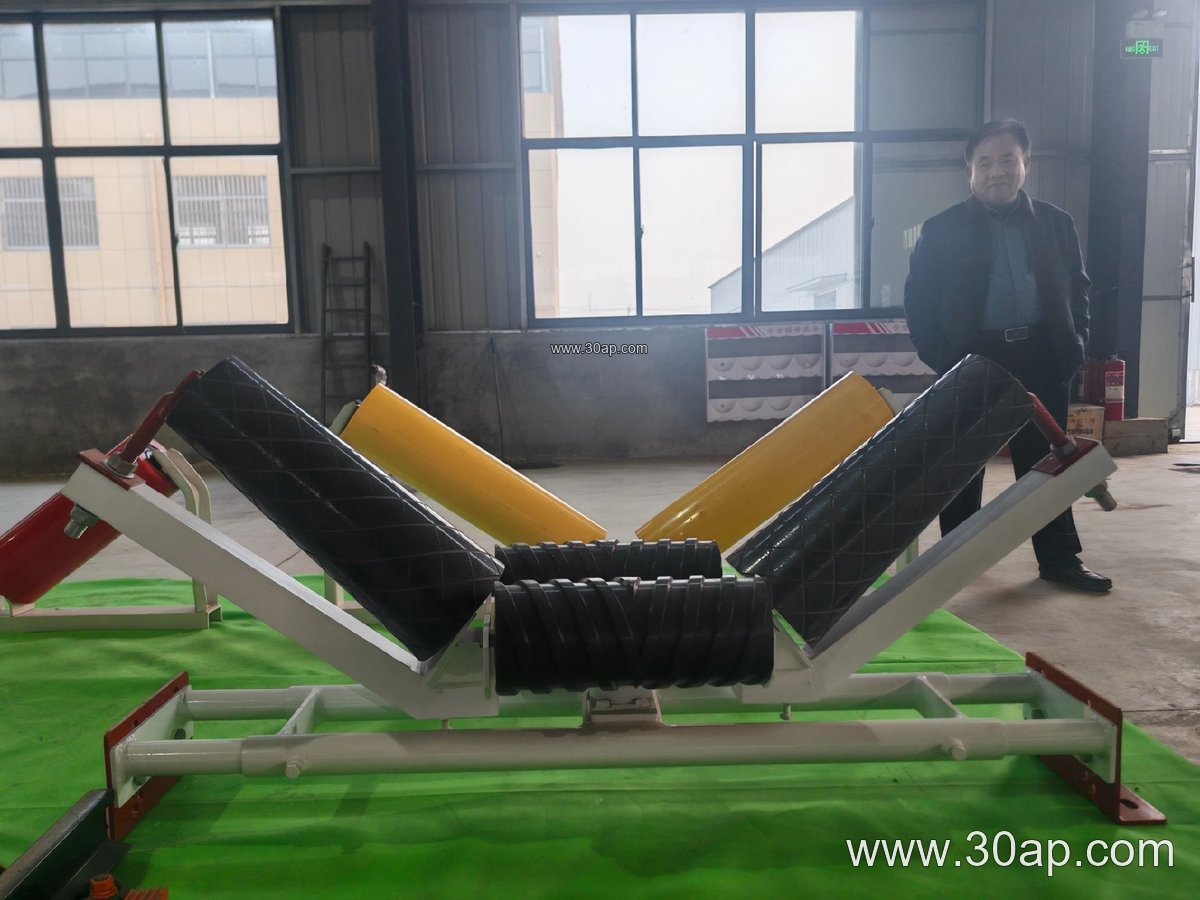
Construction and Surface Options
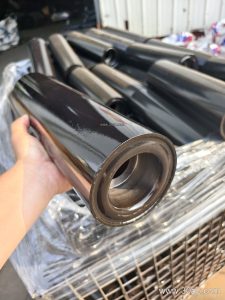
The drum is usually built from a rolled steel shell welded to end discs, with a shaft pressed or keyed through the centre. Lagging is applied to improve friction between the drum and the conveyor belt. Common surface forms include plain finish, hot vulcanised rubber, cold bonded rubber, diamond groove lagging, chevron lagging and ceramic lagging. Lagging thickness is frequently 8, 10, 12, 15 or 20 mm depending on the duty.
| Parameter | Typical range |
|---|---|
| Belt width | B400 to B2400 |
| Drum diameter | Ø200 to Ø1800 |
| Shaft diameter | Ø50 to Ø200 |
| Face width | Usually wider than belt, e.g. B800 about 950 mm, B1200 about 1400 mm |
| Lagging | Plain, rubber, diamond, chevron, ceramic |
Shaft size is determined by torque and radial load, not by belt width alone. A B800 conveyor may use a Ø500 drum in a light duty application or a larger diameter where wrap angle and belt stiffness require it. For this reason, a specification such as B1200 × Ø1000 or B1400 × Ø800 should be read as a design example rather than a fixed rule.
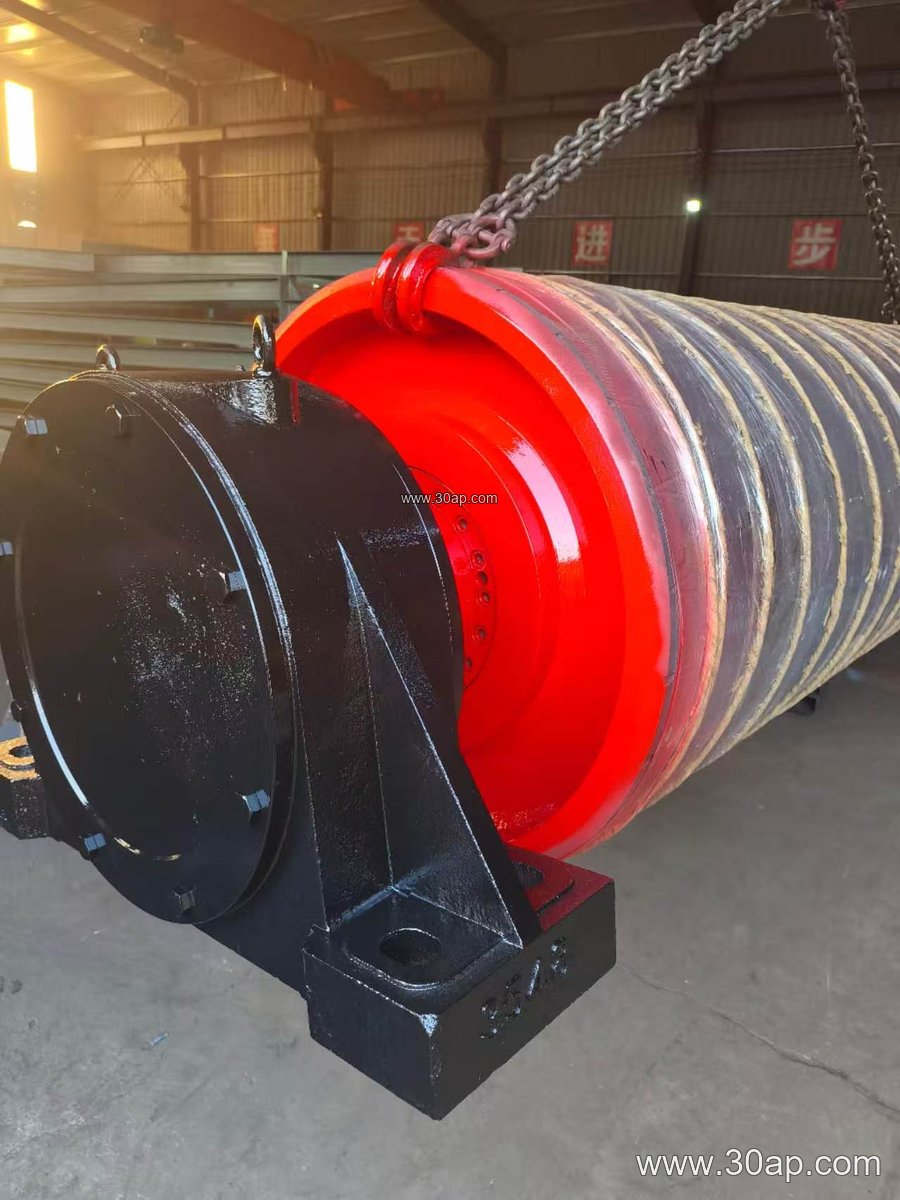
Where It Fits in the Plant
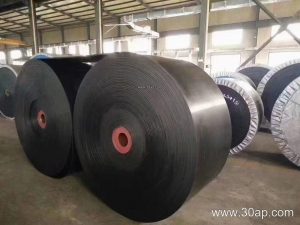
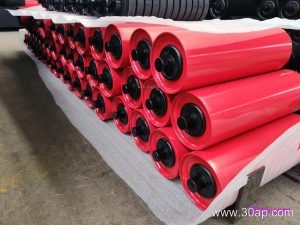
In a quarry or sand and gravel line, the single drive pulley usually works with an abrasion resistant conveyor belt carrying crushed stone, and the belt is supported by idler rollers on the carrying side. In a coal preparation plant or power station coal yard, a flame retardant conveyor belt may run over the same drum, and the lagging choice must consider both grip and fire safety. Cement plants handling clinker often pair a heat resistant conveyor belt with a drum that has adequate heat tolerance in the lagging.
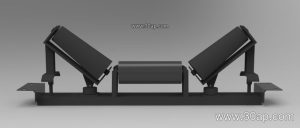
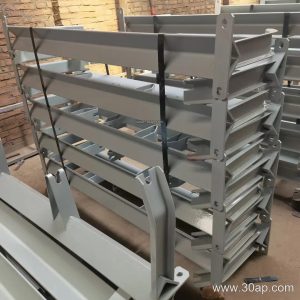
The drive drum also interacts with the conveyor bracket and frame. Misalignment between the pulley bearing seats and the conveyor bracket can cause edge wear on the belt and premature bearing failure. During installation, the drum axis should be square to the belt centreline, and the take-up or bend pulley should be adjusted so the belt tracks centrally.
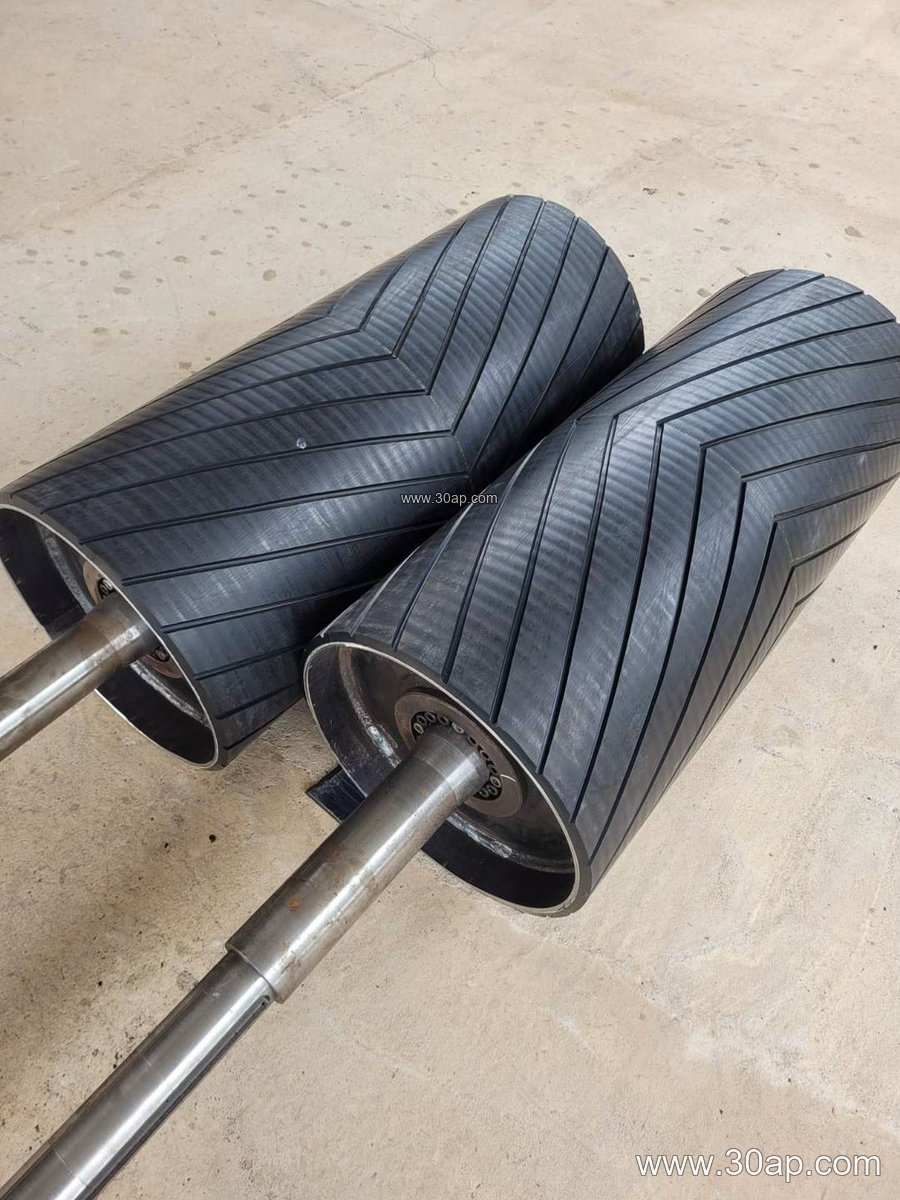
Matching the Pulley to the Belt and Load
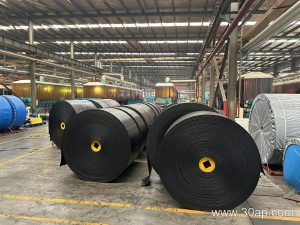
The drive pulley must be selected together with the belt, not in isolation. A heavy-duty mining conveyor belt or steel cord conveyor belt needs a larger diameter to limit bending stress in the carcass, while a multi-ply fabric core conveyor belt may accept a smaller drum. The table below shows how belt construction influences drum choice in general terms.
| Belt type | Typical drum consideration |
|---|---|
| EP conveyor belt | Moderate diameter, rubber lagging for general bulk material |
| NN conveyor belt | Similar to EP, check ply count and tension |
| Steel cord conveyor belt | Larger diameter and heavier shaft, careful lagging selection |
| Chevron or skirted belt | Plain or grooved lagging, check clearance at the drum |
Where the conveyor handles wet or oily material, an oil resistant conveyor belt may be used, and the lagging should be compatible with the same conditions. In cold climates, a cold resistant conveyor belt paired with rubber lagging that remains flexible at low temperature is preferable to ceramic lagging that may crack.
Buyer Checklist
- Confirm the belt width and the required face width, remembering that face width is normally greater than belt width.
- State the drum diameter and shaft diameter separately; do not assume one follows directly from the other.
- Specify the lagging type and thickness, for example 12 mm diamond rubber or 15 mm ceramic.
- Describe the mounting position: head end, intermediate drive or a position near a bend pulley.
- Provide the belt type and tension so the pulley supplier can check shell and shaft strength.
- Check that the conveyor bracket and bearing housings match the shaft ends.
Regular inspection of lagging wear, shaft play and belt tracking keeps a single drive pulley in service longer. When lagging becomes glazed or worn smooth, traction drops and the belt may slip under load, especially in a stone crushing line where start-up torque is high. Re-lagging or replacing the drum is then a planned maintenance task rather than an emergency.